



Beautiful Day. U2.
Despite its grim lyrics.

As I've traveled around the globe,
   I've felt the music from some souls --
   Those who exude, in part or whole,
      a secret and sacred rhythm.

And when their tunes did call to me
   I felt a yearning to be free
   to dance and sing, if out of key,
      yet ever so resonantly.

Who could have known that I'd go deaf.
   With ear to ground, nothing was left.
   It felt like a horrible theft
      from all (and yet received by none.)
In moments of recognition of the world’s absurdity that suggest that any response other than amusement or bemusement is purely a waste of mental energy.
1.) love; 2.) a glorious turn of phrase; 3.) discovery; 4.) walking; 5.) swimming; 6.) stumbling upon an interesting and / or novel idea; 7.) movement; 8.) travel; 9.) street food; 10.) quiet; 11.) health; 12.) recognition that when things are at their very worst, they must get better — because everything is impermanent; 13.) an intense stretch; 14.) Whitman’s “Leaves of Grass;” 15.) undiscovered country; 16.) the hanging moment; 17.) a mystery-laden world; 18.) a moment of flow; 19.) a mountain path; 20.) a clear stream; 21.) the way of non-adversariality; 22.) a thing stripped to its simplest form; 23.) the moment breath turns the tide; 24.) animals being animals; 25.) a brief instant of free fall; 26.) the recognition that something that used to cause me angst or fear no longer does; 27.) when body, movement, and the world fall into alignment; 28.) first contact with someplace / something new; 29.) connection; 30.) the first sign that the struggle is paying off.
Mac-n-Cheese.
But seriously, I don’t think I’m acquainted with the experience.
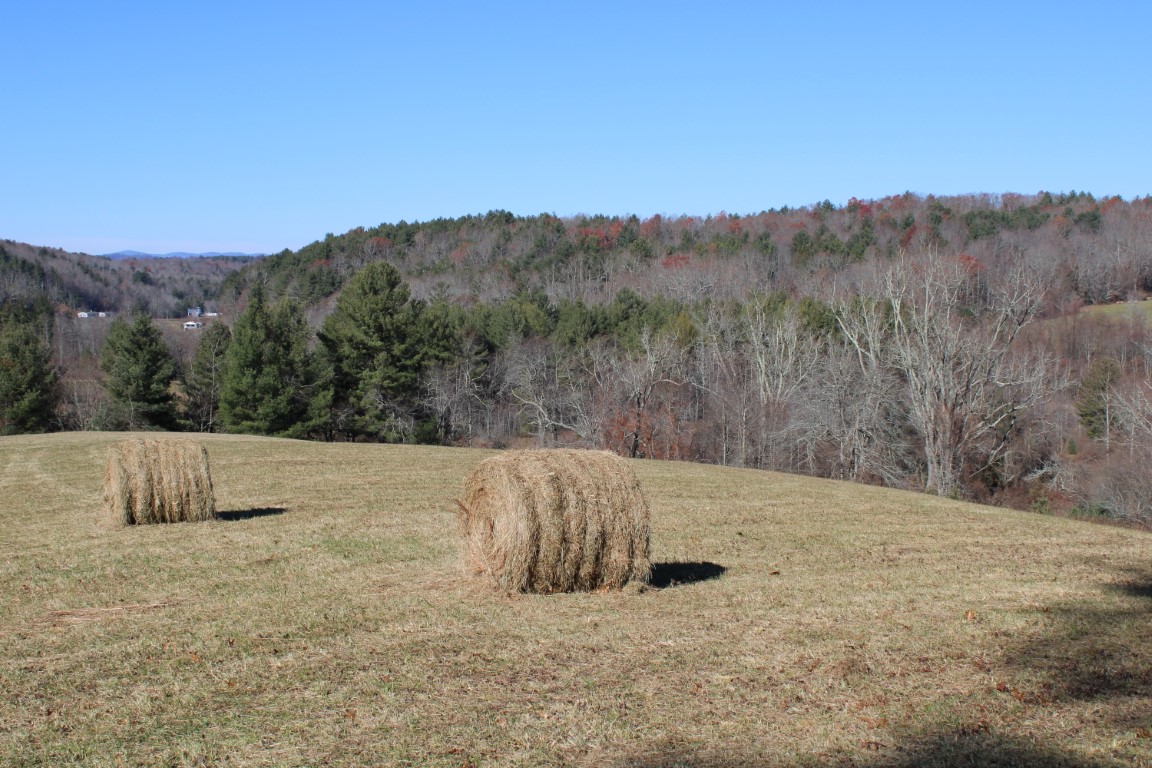
Happy the man, whose wish and care
   A few paternal acres bound,
 Content to breathe his native air,
                    In his own ground.

Whose herds with milk, whose fields with bread,
   Whose flocks supply him with attire,
 Whose trees in summer yield him shade,
                    In winter fire.

Blest, who can unconcernedly find
   Hours, days, and years slide soft away,
 In health of body, peace of mind,
                    Quiet by the day,

Sound sleep by night; study and ease,
   Together mixed; sweet recreation;
 And innocence, which most does please,
                    With meditation.

Thus let me live, unseen, unknown;
   Thus unlamented let me die;
 Steal from the world, and not a stone
                    Tell where I lie.
When are you most happy?
When I allow myself to be. Hope you weren’t looking for an answer like, “Wednesdays between 4 and 7 pm.”
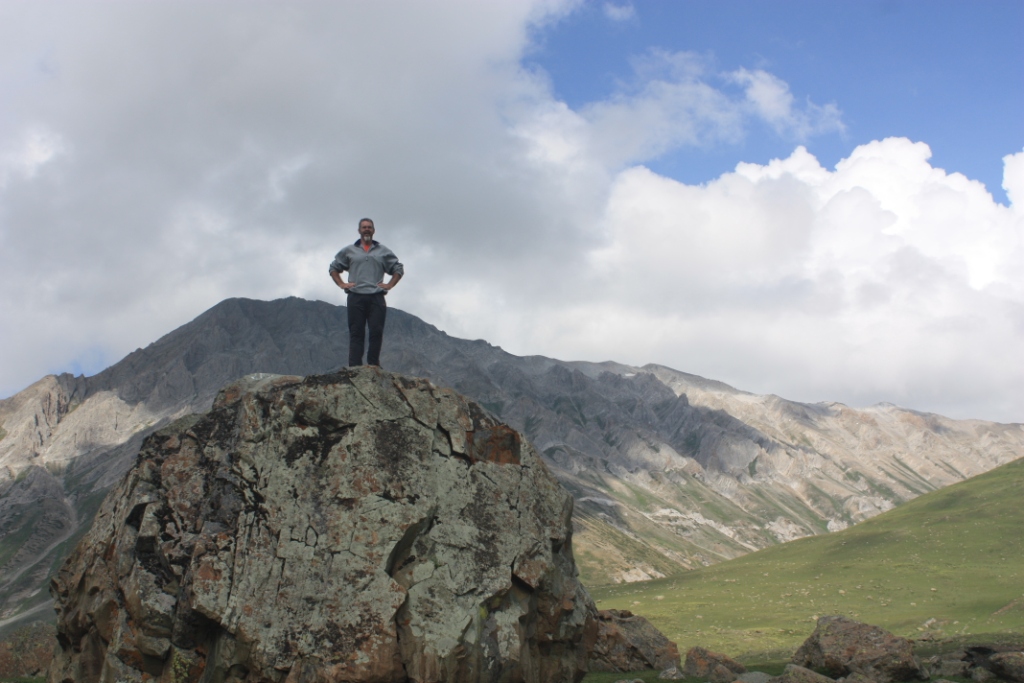
Happy the man, and happy he alone,
 He who can call today his own:
 He who, secure within, can say,
 Tomorrow do thy worst, for I have lived today.
 Be fair or foul, or rain or shine
 The joys I have possessed, in spite of fate, are mine.
 Not Heaven itself, upon the past has power,
 But what has been, has been, and I have had my hour.
 Superhuman: Life at the Extremes of Our Capacity by Rowan Hooper
My rating: 4 of 5 stars
There are mounds of books out on the science of maximum human performance, be they on mind-hacking, sports & exercise science, or some combination thereof as applied to a particular pursuit. Hooper creates his niche by way of a broad and varied selection of topics, including: language learning, singing, running, achieving longevity, and sleeping. For the reader who is interested in the topic of how top performers in a given domain achieve that supernormal performance, it makes for an interesting read. However, it may leave some readers scratching their heads as to who the book is aimed at. It should be noted that several of the topics addressed are of much more broad-ranging appeal than those I mentioned (e.g. focus / attentiveness, bravery / courage, and resilience.)
The book is divided into three parts on “thinking,” “doing,” and “being,” respectively. The four chapters in the first part investigate the heights of intelligence, memory, language, and focus. The chapter on language deals with how some people are masterful polyglots, speaking many languages, as opposed to the harder to investigate question of how someone becomes William Shakespeare. Throughout the book, there is a mix of stories and interview insights from those who are peak performers as well as discussion of what scientific studies have found. The former makes up the lion’s share of the discussion, and the central question with of science is how much of peak performance is genetic and how much is built.
Part II, on doing, has three chapters, exploring the topics of bravery, singing, and running. This is where one really sees the book’s diversity. Books like Amanda Ripley’s “Unthinkable” address the question, among related questions, of why some act heroically, and there are a huge number of books on how to be the best runner or singer one can be, but not a lot of books take on all three questions in one section. The book on singing focuses on opera singers who belt out their tunes largely sans technology – i.e. there’s no Milli-Vanilli-ing L’Orfeo. The chapter on running gives particular scrutiny to endurance running.
Part III investigates why some people live longer, are more resilient, sleep better (or do well with less sleep,) or are happier. Since Buettner’s “National Geographic” article on “blue zones” (i.e. places where a disproportionate percentage of the population live well beyond the average human lifespan,) there’s been a renewal of interest in what science has to say about longevity. As mentioned, the chapter on sleep covers the topic from multiple vantage points. Everyone needs sleep, but some perform best with ten or more hours of sleep while others are extremely productive on four hours a day, and some can cat-nap periodically through the day while others need a single extended and uninterrupted period of sleeps. Wisely, Hooper doesn’t simply take on the question of why some people are happier than others in the book’s last chapter, but rather he asks the more interesting question of why some people who have every reason to be morose (e.g. paralyzed individuals) manage to be ecstatically happy.
The book has a references section, but there isn’t a lot of ancillary matter (i.e. graphics, appendices, etc.) It’s a text-centric book that relies heavily on stories about Formula-1 racers, opera stars, ultra-marathoners, and other extraordinary individuals while investigating the subject matter.
I enjoyed this book. I am intensely interested in optimal human performance across a range of skills and characteristics. So, I guess when people inevitably ask who the book is directed at, it’s directed at me and others with this strange fascination. If you have that interest, it’s for you as well.


