You air that serves me with breath to speak!
 You objects that call from diffusion my
   meanings and give them shape!
 You light that wraps me and all things in
   delicate equable showers!
 You paths worn in the irregular hollows by
   the roadsides!
 I believe you are latent with unseen
   existences, you are so dear to me.

You flagg'd walks of the cities! you strong
   curbs at the edges!
 You ferries! you planks and posts of wharves!
   you timber-lined sides! you distant ships!

You rows of houses! you window-pierc'd
   façades! you roofs!
 You porches and entrances! you copings and
   iron guards!
 You windows whose transparent shells
   might expose so much!
 You doors and ascending steps! you arches!
 You gray stones of interminable pavements!
   you trodden crossings!
 From all that has touch'd you I believe you
   have imparted to yourselves, and now
   would impart the same secretly to me,
 From the living and the dead you have
   peopled your impassive surfaces, and the
   spirits thereof would be evident and
   amicable with me.
Publisher Site
This is a self-help book that nominally draws on the philosophy of Shaolin Kung fu and its Chan Buddhist underpinnings, but – more broadly – employs quotes and examples from many, mostly Eastern, sources. For example, the ideas and stories of Miyamoto Musashi are perhaps as common as any source (Musashi was Japanese, not Chinese, and was not noted for being Buddhist. In his own words, he respected the gods and buddhas, but didn’t expect their help.)
The book offers a fine discussion of Eastern philosophic thought in action, particularly that which arose from warrior sources, but it isn’t particularly ground-breaking in any way. For those who like homework, the book does include many exercises to make the reading a more interactive experience.
I enjoyed reading this book well enough, but it didn’t distinguish itself and will soon fall into the mind-space of a fuzzy amalgamation of similar books I’ve read over the years.
You road I enter upon and look around, I
   believe you are not all that is here,
 I believe that much unseen is also here.

Here the profound lesson of reception, nor
   preference nor denial,
 The black with his wooly head, the felon,
   the diseas'd, the illiterate person, are not
   denied;
 The birth, the hasting after the physician,
   the beggar's tramp, the drunkard's stagger,
   the laughing party of mechanics,
 The escaped youth, the rich person's
   carriage, the fop, the eloping couple,

The early market-man, the hearse, the
   moving of furniture into the town, the
   return back from the town,
 They pass, I also pass, any thing passes,
   none can be interdicted,
 None but are accepted, none but shall be
   dear to me.
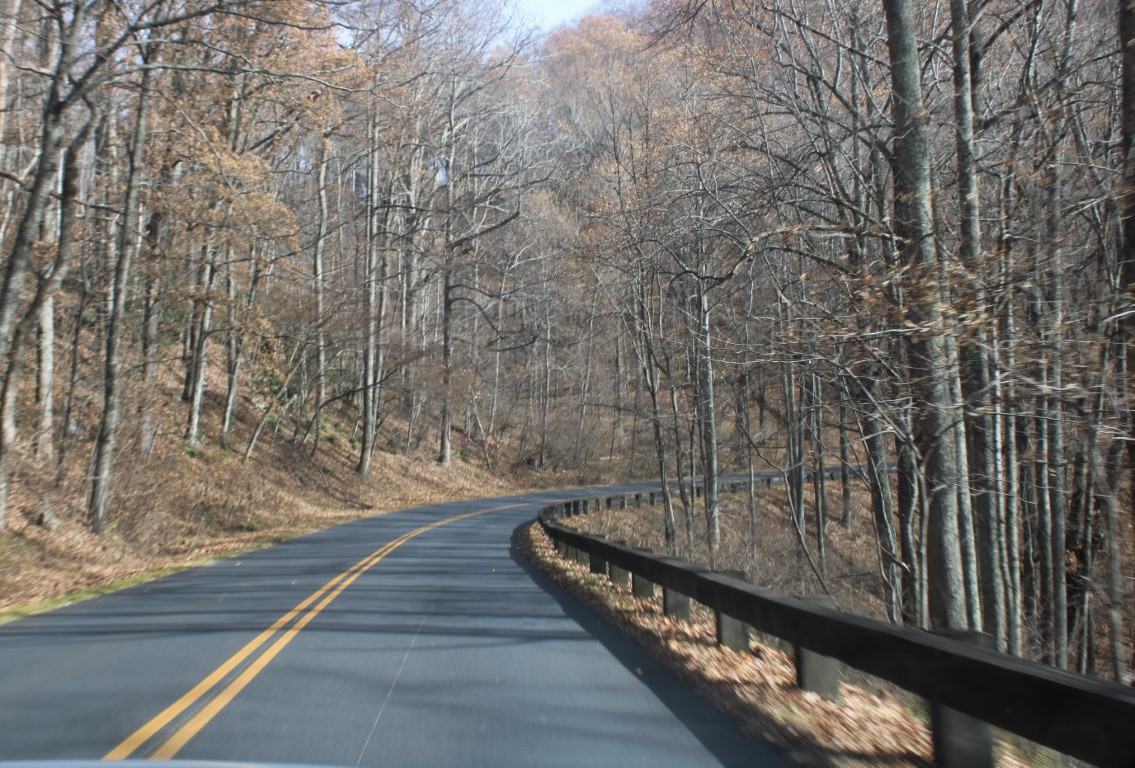
Afoot and light-hearted I take to the open
   road,
 Healthy, free, the world before me,
 The long brown path before me leading
   wherever I choose.

Henceforth I ask not good-fortune, I myself
   am good-fortune,
 Henceforth I whimper no more, postpone
   no more, need nothing,
 Done with indoor complaints, libraries,
   querulous criticisms,
 Strong and content I travel the open road.

The earth, that is sufficient,
 I do not want the constellations any nearer,
 I know they are very well where they are,
 I know they suffice for those who belong to
   them.

(Still here I carry my old delicious burdens,
 I carry them, men and women, I carry them
   with me wherever I go,
 I swear it is impossible for me to get rid of
   them,
 I am fill'd with them, and I will fill them in
   return.)
Without desire everything is sufficient.
 With seeking myriad things are impoverished.
 Plain vegetables can soothe hunger.
 A patched robe is enough to cover this bent old body.
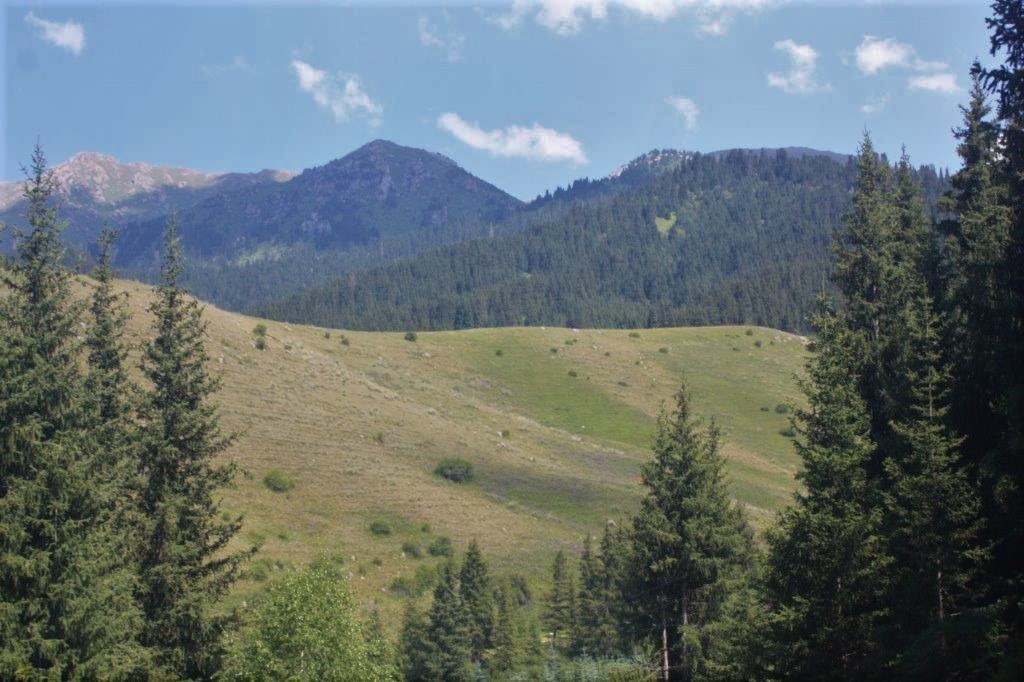
 Alone I hike with a deer.
 Cheerfully I sing with village children.
 The stream under the cliff cleanses my ears.
 The pine on the mountain top fits my heart.
Translation by Kazuaki Tanahashi and Daniel Leighton in Essential Zen (1994) HarperSanFrancisco.
Passage O soul to India!
 Eclaircise the myths Asiatic, the primitive
   fables.

Not you alone, proud truths of the
   world,
 Nor you alone, ye facts of modern
   science,
 But myths and fables of eld, Asia's, Africa's
   fables,
 The far-darting beams of the spirit, the
   unloos'd dreams,
 The deep diving bibles and legends,
 The daring plots of the poets, the elder
   religions;
 O you temples fairer than lilies, pour'd over
   by the rising sun!
 O you fables, spurning the known, eluding
   the hold of the known, mounting to
   heaven!
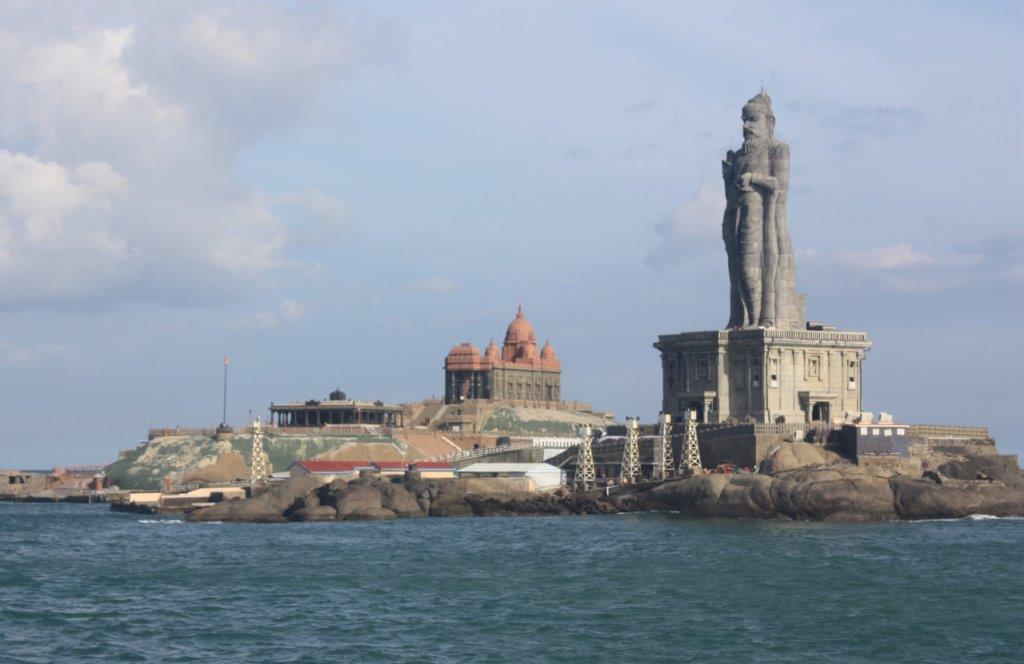
You lofty and dazzling towers, pinnacled,
   red as roses, burnish'd with gold!
 Towers of fables immortal, fashion'd from
   mortal dreams!
 You too I welcome, and fully, the same as
    the rest!
 You too with joy I sing.

Passage to India!
 Lo, soul! seest thou not God's purpose from
   the first?
 The earth to be spann'd, connected by
   network,
 The races, neighbors, to marry and be given
   in marriage,
 The oceans to be cross'd, the distant
   brought near,
 The lands to be welded together.

A worship new I sing,
 You captains, voyagers, explorers,
   yours,
 You engineers, you architects, machinists,
   yours,
 You, not for trade or transportation only,
 But in God's name, and for thy sake, O
   soul.
Available in Traditional & Simplified Chinese [w/ multiple translations] at YellowBridge
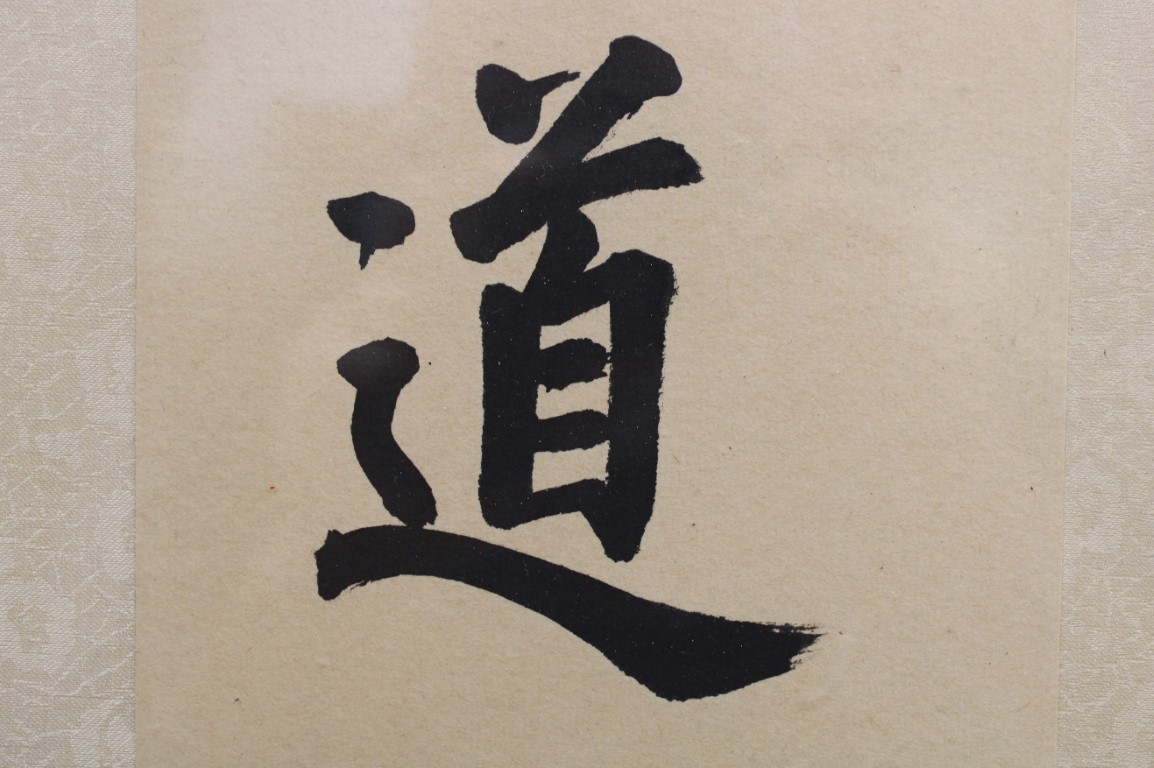
Packed into the 81 brief chapters of this book is the core Taoist philosophy on life, human relationships, governance, and war. Most often, it offers a wisdom that turns conventional wisdom on its head, advocating for inaction over action, less over more, simplicity over complication, and for recognizing the usefulness of what isn’t.
Some of the book’s central ideas are captured in these quotes:
上善若水。水善利万物而不争. “The greatest good is like water. It benefits all without fighting.” [Ch. 8] 金玉满堂,莫之能守 “A house full of jade and gold cannot be guarded.” [Ch. 9] 知人者智,自知者明。胜人者有力,自胜者强。“He who knows others is smart; he who knows himself is enlightened. He who conquers others has power; he who conquers himself is mighty.” [Ch. 33] 柔胜刚,弱胜强。“Softness overcomes hardness; weakness overcomes strength.” [Ch. 36] 道常无为而无不为。“The Dao is constant inaction, yet nothing is left undone.” [Ch. 37] 善者,吾善之;不善者,吾亦善之;德善。“The good, I treat well; the bad, I also treat well. Yeah Virtue!” [Ch. 49] 知者不言,言者不知。“He who knows does not speak; he who speaks does not know.” [Ch. 56] 千里之行,始于足下。“The journey of a thousand li (“miles”) begins with a single step.” [Ch. 64] 天之道,不争而善胜 “The way of heaven is to win without fighting.” [Ch. 73] 信言不美,美言不信。“True words aren’t pleasing; pleasing words aren’t true.” [Ch. 81]
I think this is one of those works that should be read and reread. It may help rewire your brain in useful ways.











 Tiger Riding for Beginners