A long time ago,
I listened to the audiobook of
Kerouac's "On the Road."
In that format,
I became aware of how often
Kerouac used the word
"rickety."
Almost as aware as I became
of how often Twain uses
the N-word in Huck Finn
when I unwisely listened to
that audiobook while driving
through downtown Atlanta
with my windows rolled down.
I'm now reading Hunter Thompson's
"Kingdom of Fear," and I've become
aware that Thompson had a love
of the word "gibberish" almost on par
with Kerouac's love of "rickety."
And I think about how much beautiful
rickety gibberish I've read from those
authors, and what a fine
thing it is if one can write
rickety gibberish that stands up
under its own weight.
Category Archives: Literature
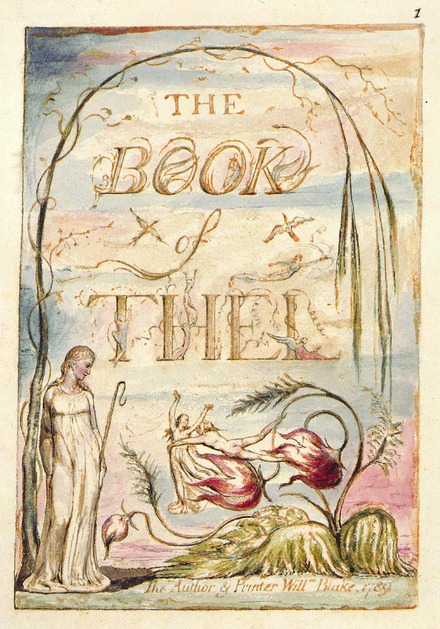
Five Wise Lines from The Book of Thel by William Blake
Can Wisdom be put in a silver rod? / Or Love in a golden bowl?
from Thel’s Motto
I am a watery weed, / And I am very small and love to dwell in lowly vales: / So weak the gilded butterfly scarce perches on my head. / Yet I am visited from heaven and he that smiles on all / Walks in the valley.
from Part I
Then if thou art the food of worms, O virgin of the skies, / How great thy use, how great thy blessing
from Part II
every thing that lives. / Lives not alone nor for itself
from Part II
Why cannot the Ear be closed to its own destruction? / Or the glistening Eye to the poison of a smile!
from Part IV
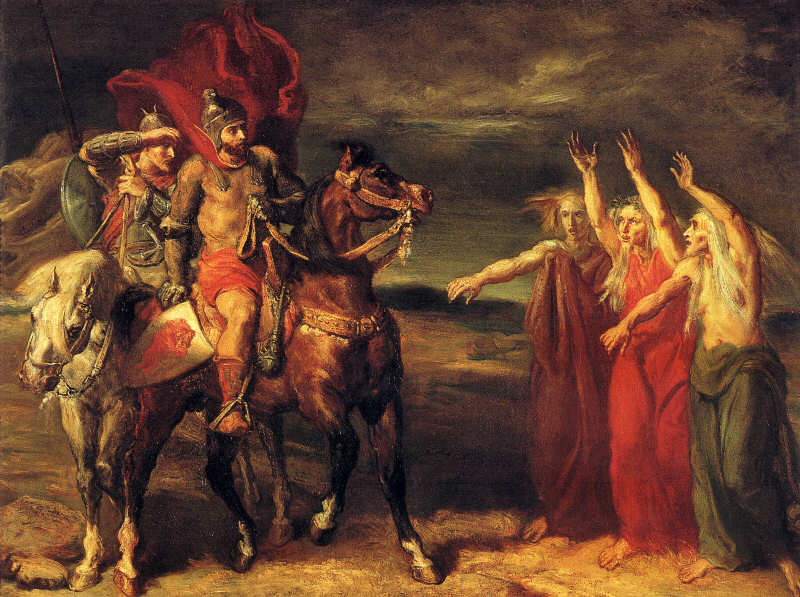
Five Wise Lines from Macbeth
“There’s no art to find the mind’s construction in the face.”
Duncan in Act I, Scene 4
“Bloody instructions, which, being taught, return to plague the inventor.”
Macbeth in Act I, Scene 7
“when our actions do not, our fears do make us traitors”
Wife of Macduff in Act IV, Scene 2
“Then the liars and swearers are fools, for there are liars and swearers enough to beat up the honest men and hang them up.”
Son of Macduff in Act IV, Scene 2
“Life ‘s but a walking shadow, a poor player, that struts and frets his hour upon the stage and then is heard no more. It is a tale told by an idiot, full of sound and fury signifying nothing.
Macbeth in Act V, Scene 5
Five Wise Lines from Tsurezuregusa by Kenkō
There is much to admire, though, in a dedicated recluse.
Kenkō Yoshida, Essays in Idleness (No. 1)
Going on a journey, whatever the destination, makes you feel suddenly awake and alive to everything.
Kenkō Yoshida, Essays in IdleNess (No. 15)
You can find solace for all things by looking at the moon.
Kenkō Yoshida, Essays in Idleness (no. 21)
Something left not quite finished is very appealing, a gesture toward the future.
Kenkō Yoshida, Essays in Idleness (No. 82)
It’s in easy places that mistakes will always occur.
Kenkō Yoshida, Essays in Idleness (No. 109)
CITATION: Kenkō Yoshida & Kamo no Chōmei. 2013. Kenkō and Chōmei: Essays in Idleness and Hōjōki. London: Penguin. 206pp.
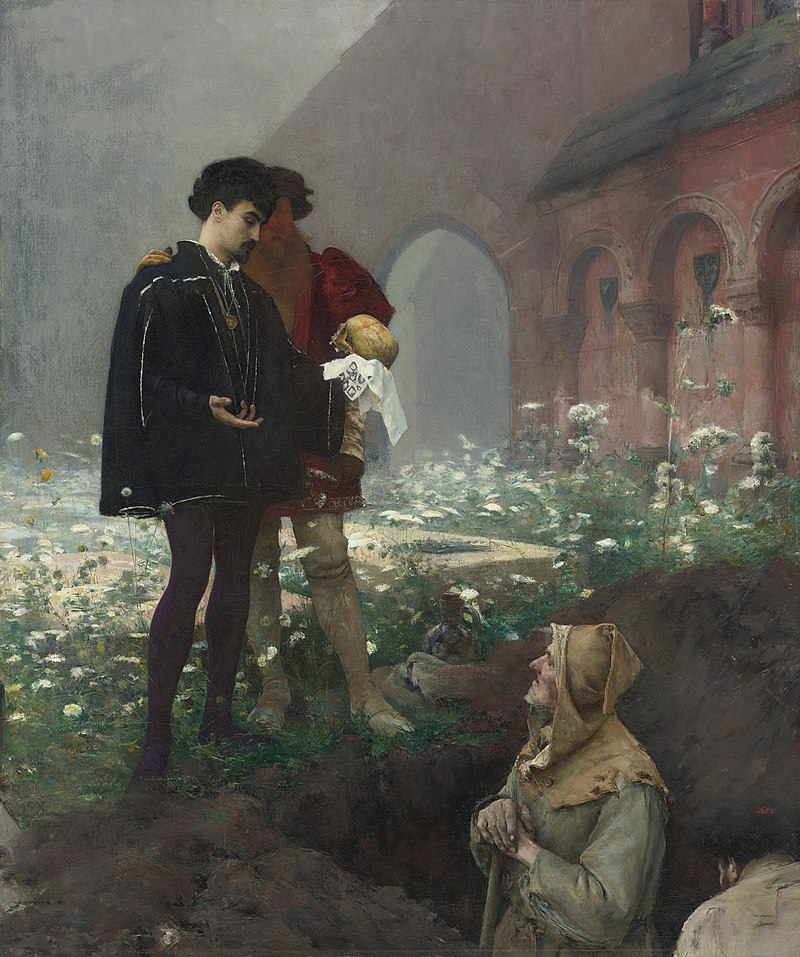
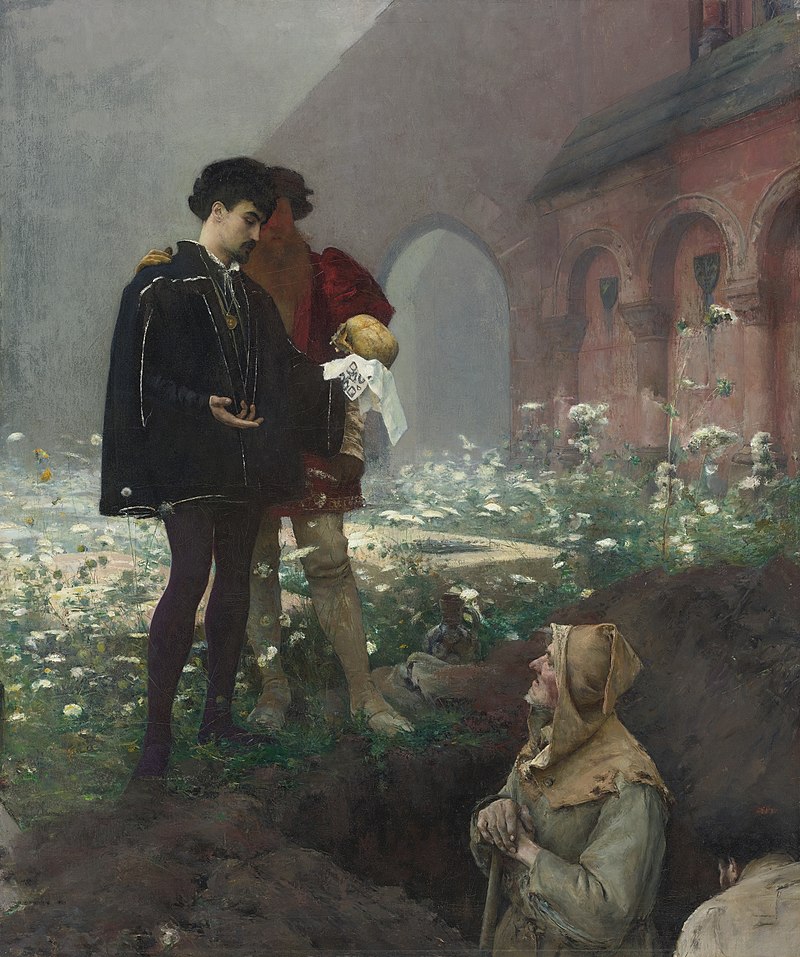
Five Wise Lines from Shakespeare’s Hamlet
We fat all creatures else to fat us and we fat ourselves for maggots… a king may go a progress through the guts of a beggar.”
HamLet to Claudius in Act IV, Sc. 3
One may smile, and smile, and be a villain.
Hamlet to Queen Gertrude in Act I, Sc. 5
I could be bounded in a nutshell and count myself a king of infinite space, were it not that I have bad dreams.
Hamlet to rosencrantz & Guildenstern in Act I, sc. 2
Brevity is the soul of wit.
Polonius to claudius & gertrude in act II, sc. 2
A knavish speech sleeps in a foolish ear.
hamlet to rosencrantz in act IV, Sc. 2
Five Wise Lines from Chōmei’s Hōjōki
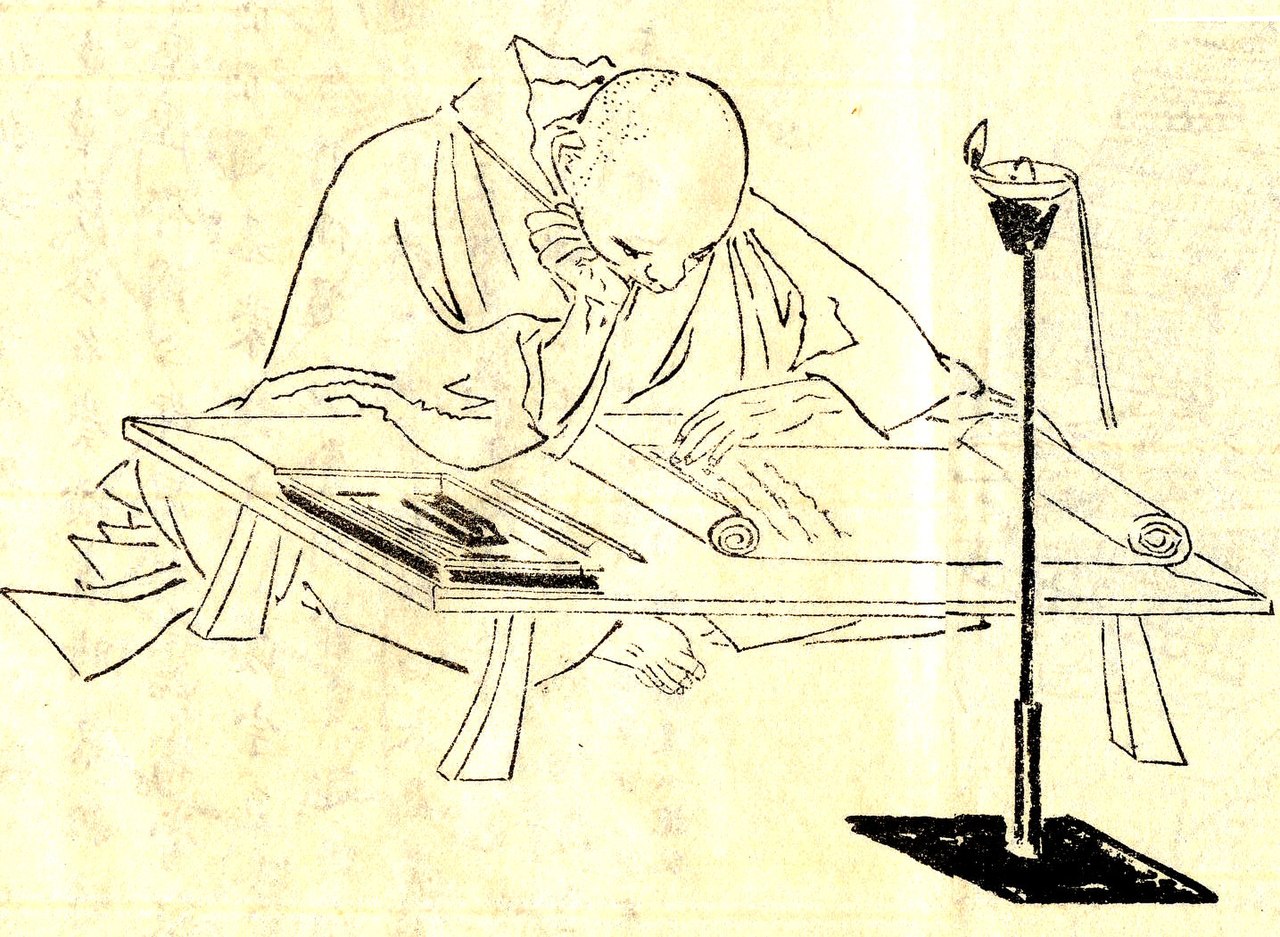
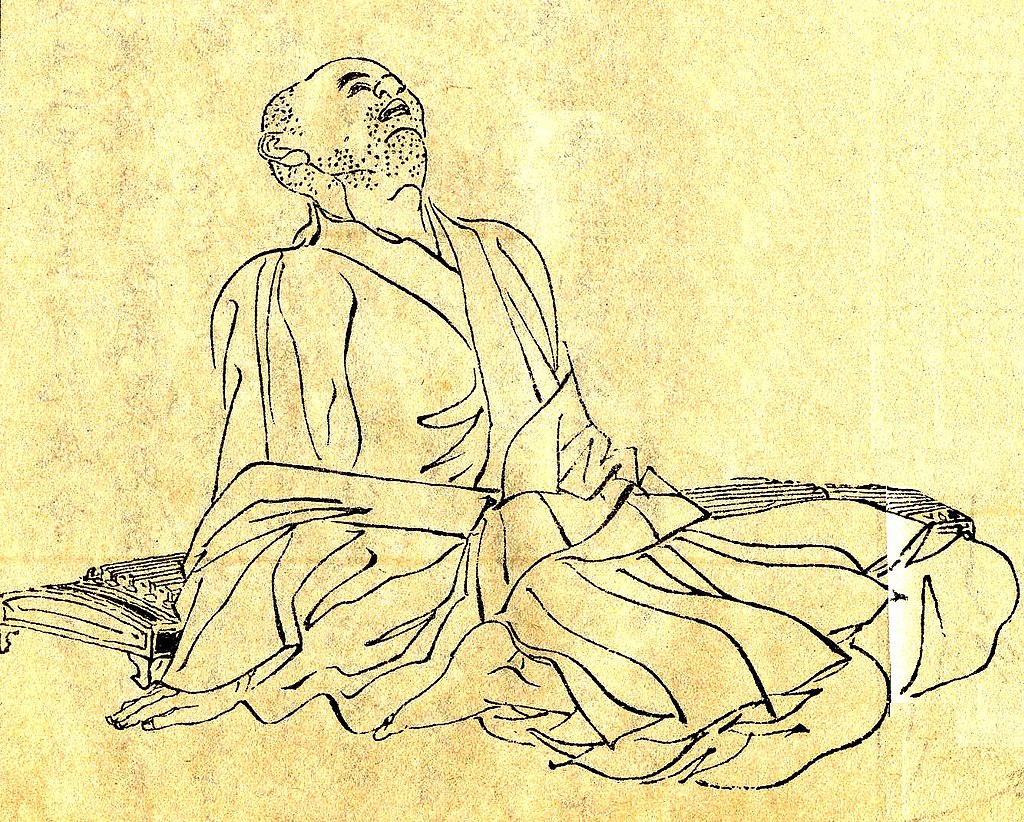
drawing by Kikuchi Yōsai
On flows the river ceaselessly, nor does its water ever stay the same.
Kamo no Chōmei, Hōjōki
No one owns a splendid view, so nothing prevents the heart’s delight in it.
Kamo no Chōmei, Hōjōki
Knowing what the world holds and its ways, I desire nothing from it, nor chase after its prizes. My one craving is to be at peace; my one pleasure is to live free from troubles.
Kamo no Chōmei, Hōjōki
These days, I divide myself into two uses — these hands are my servants, these feet my transport.
Kamo no Chōmei, Hōjōki
When I chance to go down to the capital, I am ashamed of my lowly beggar status, but once back here again I pity those who chase after the sordid rewards of the world.
Kamo no Chōmei, Hōjōki
Reference: Saigyō Hōshi, Kamo no Chōmei, Yoshida Kenkō. 2021. Three Japanese Buddhist Monks. New York: Penguin Books. 112pp.
Available HerePROMPT: Three Books
This poetry collection teaches that most challenging of human skills: how to be insanely confident that you can do anything without being a jerk about it. (Also, how to see beauty beyond the societal consensus of what’s beautiful.)
Zhuangzi by ZhuangziThe virtues of a carefree, spontaneous, minimalist, and down-to-earth approach to living explained through tiny stories.
The Tragedies of William Shakespeare by William ShakespeareA master class in things that can turn a life into a tragedy.
Titus Andronicus: Live by the sword = tragedy (An eye for an eye, and everyone dies.)
Romeo & Juliet: Grudges (+ Lust) = tragedy
Julius Caesar: handing your adversary the mic (/ the fickleness of crowds) = tragedy
Hamlet: indecisiveness = tragedy (i.e. On or off the crazy-bus.)
Othello: jealousy = tragedy
Macbeth: excessive ambition = tragedy
King Lear: needing gratuitous signs of affection = tragedy
Timon of Athens: expectations of reciprocity = tragedy
Anthony & Cleopatra: mixing one’s love and work lives = tragedy
Coriolanus: a crotchety old warrior in peace time = tragedy