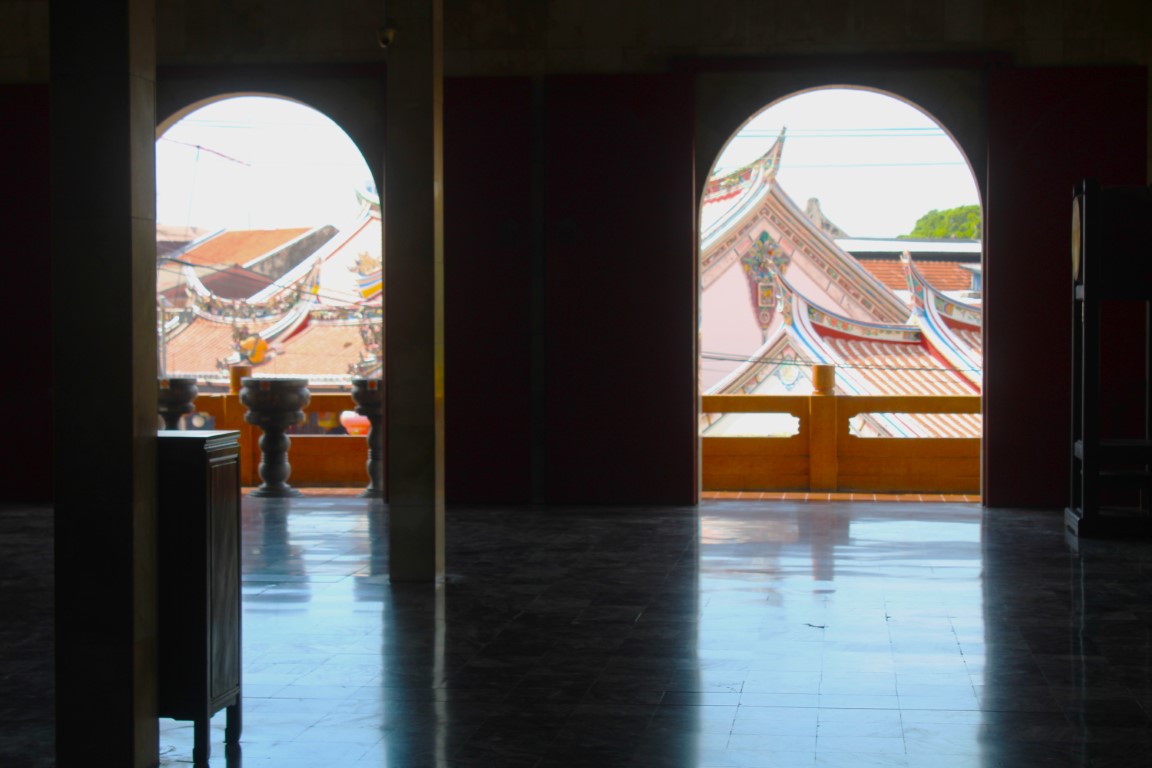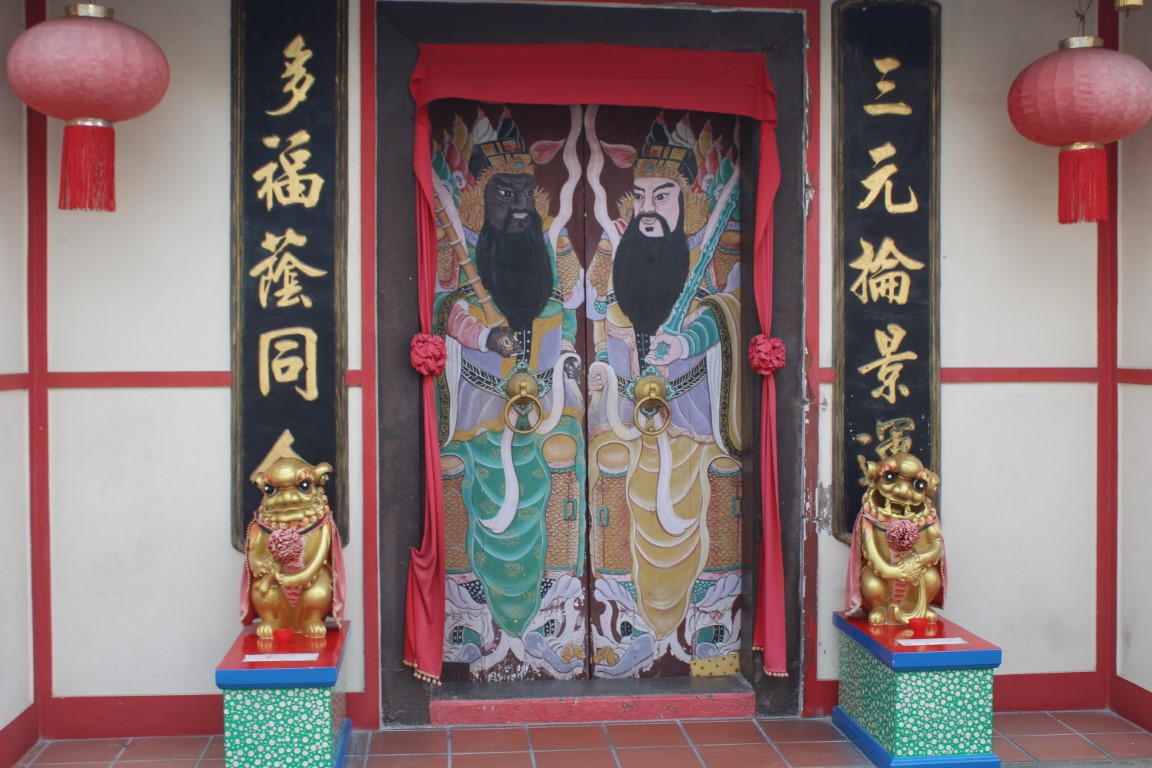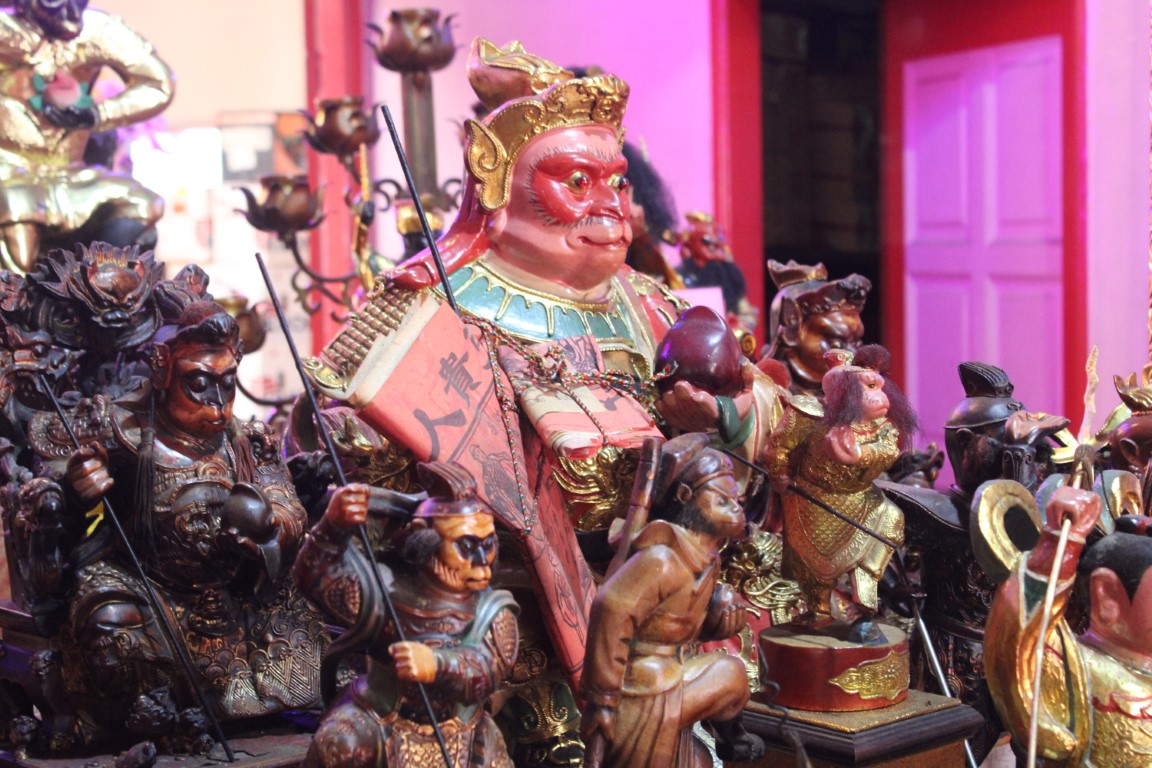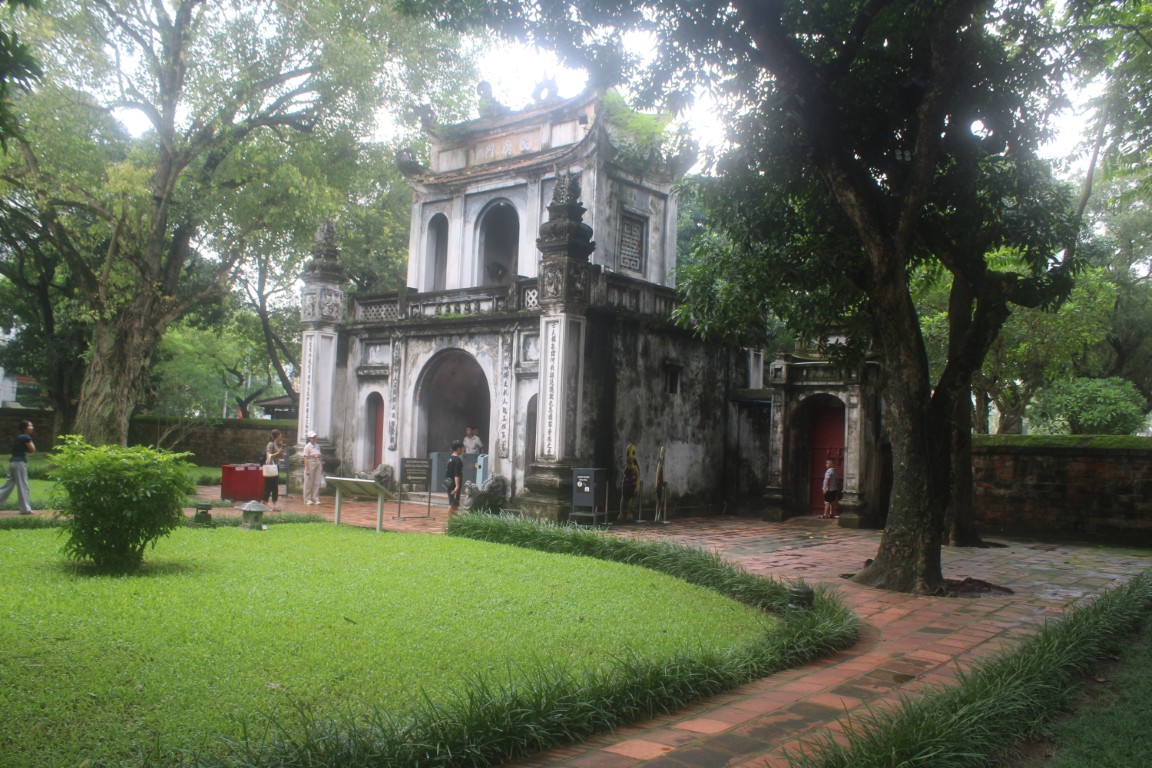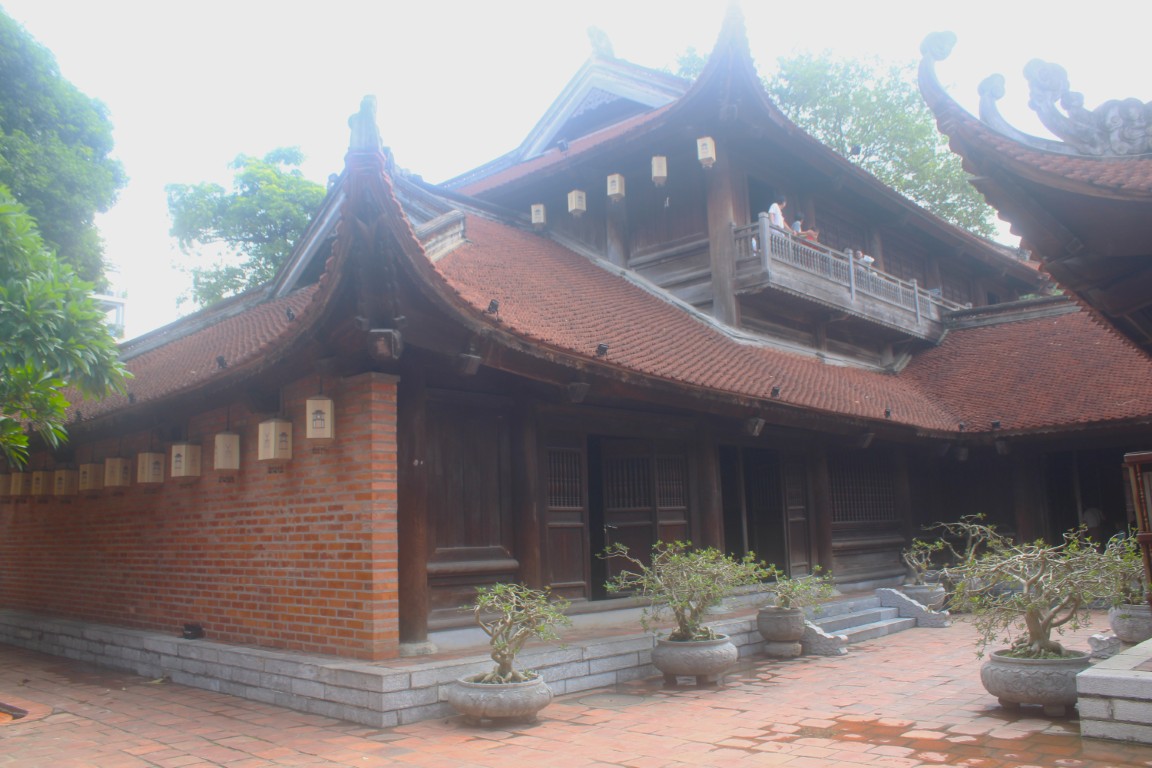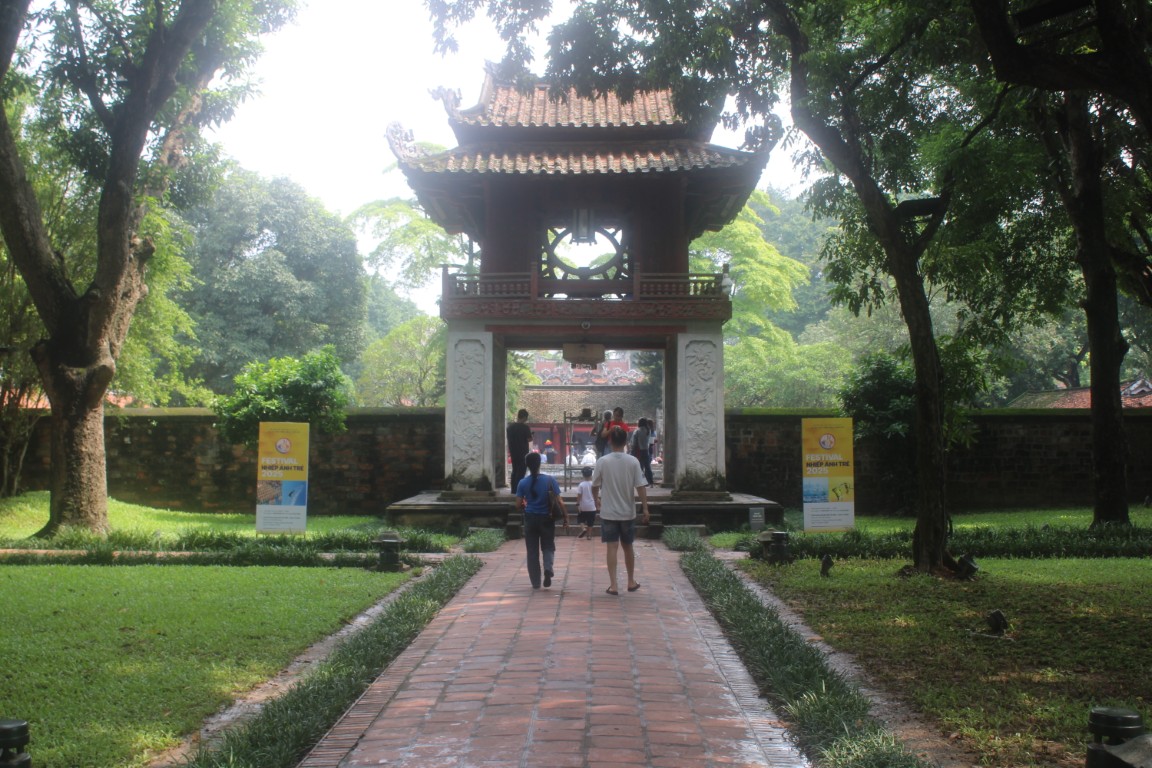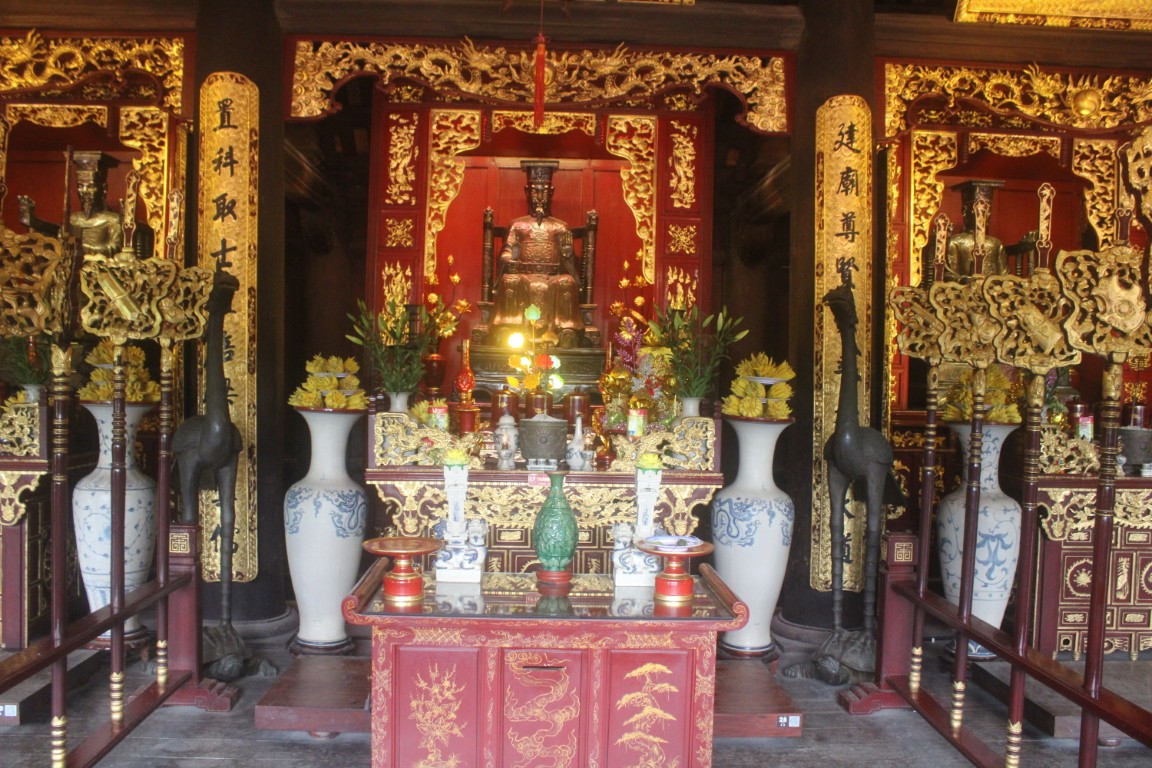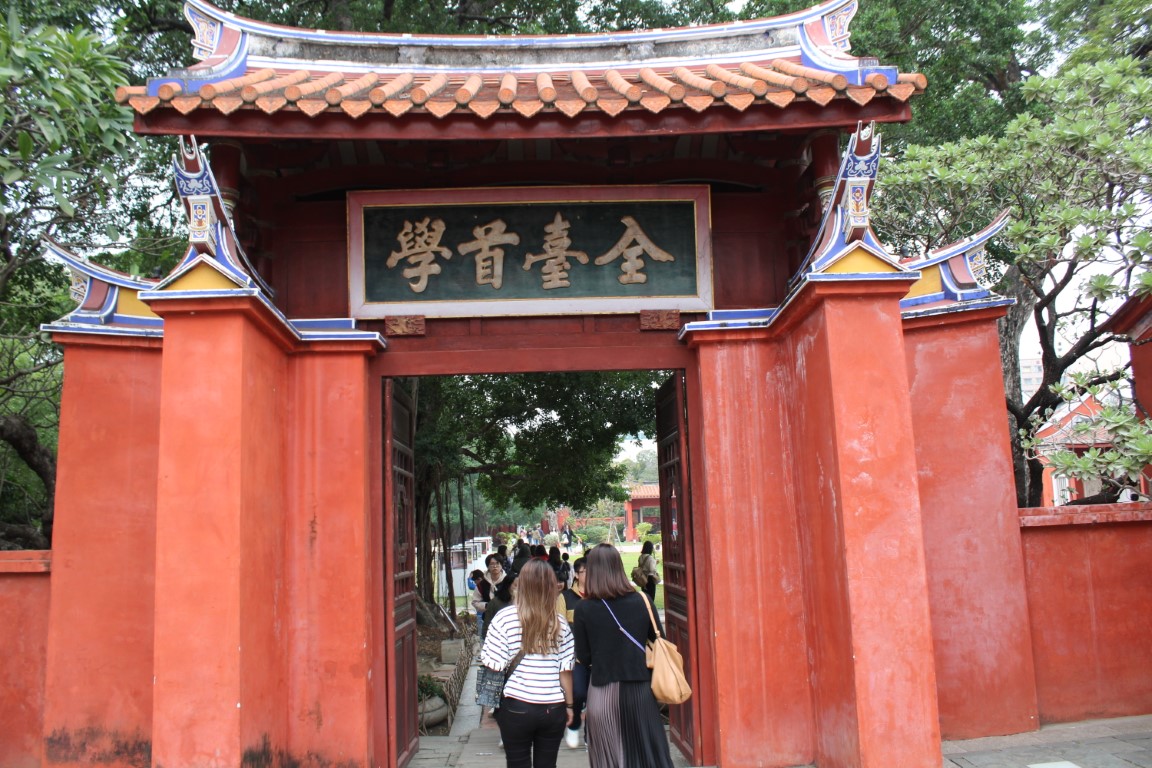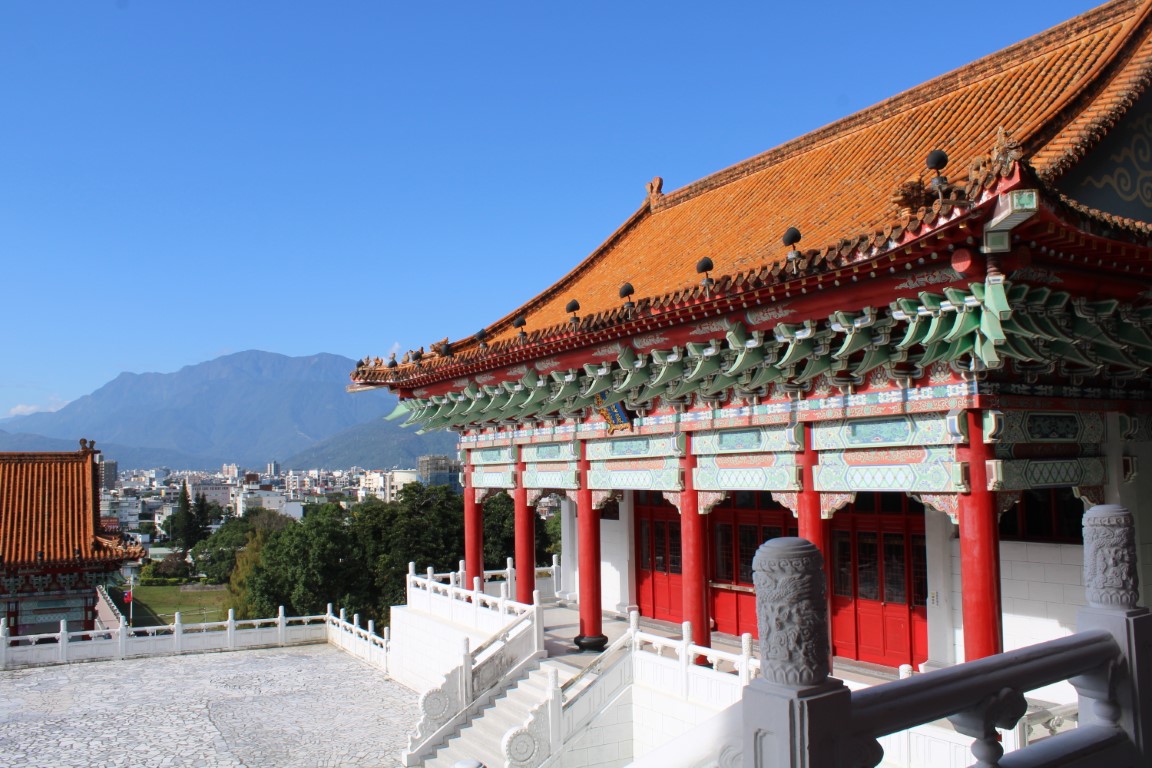
DAILY PHOTO: Scenes from the Temple of Literature [Văn Miếu]

BOOKS: “Confucianism: A Very Short Introduction” by Daniel K. Gardner

Confucianism: A Very Short Introduction (Very Short Introductions)Confucianism: A Very Short Introduction by Daniel K. Gardner
My rating: 5 of 5 stars

Publisher Site – OUP

This is a brief guide to Confucianism from the early life of Confucius (孔子 -Kǒngzǐ) to the ups and downs the philosophy experienced in the twentieth century. It has chapters exploring the system’s thinking with respect to personal development as well as with respect to governance and also discusses how later thinkers (most notably Mencius and Xunzi) expanded on Confucius’s ideas — but also created schisms. The book examines the laudable elements of the philosophy such as its sanction of benevolence among leaders, but also its less laudable elements such as its unenlightened views on women and what they are capable of [and, of course, the many ideas in between that could be seen in varied lights.)

As with other books in this series, it has a few graphics as well as a bibliography and further reading section.

I found this book to be readable, well-organized, and of a level appropriate for its intended purpose. I’d highly recommend it for individuals looking for a concise introduction to Confucianism.

View all my reviews

BOOKS: 三字经 by 王应麟 [“Three Character Classic” by Wang Yinglin]

三字经三字经 by 章炳麟
My rating: 5 of 5 stars

Available online — Project Gutenberg

This is a Confucian primer written in lines of three characters. It’s a children’s book in the sense that it’s aimed at children, but not necessarily with respect to being presented in a manner most conducive to childhood learning. (While it’s concise, the material isn’t presented in an interesting or memorable form. i.e. It’s intended for brute force rote memorization.)

The book consists of five sections, ranging between twenty-four and one hundred and six lines (72 to 318 characters per chapter.) The first introduces Confucian virtues. The second offers a broad overview of classics of Chinese philosophy. The third section lists the dynasties of China. The penultimate section describes ideal behavior from a Confucian perspective. The last, and briefest, section is largely a pep talk on studying hard.

As someone learning Mandarin Chinese, it’s interesting to see how sentences are formed in this sparse format, and this text offers insight into Chinese history and philosophy, in addition to providing a good early reader.

If you are interested in learning elementary Confucianism or you’re learning Chinese and looking for short and simple texts for reading, I’d recommend one look into the Three Character Classic.

View all my reviews

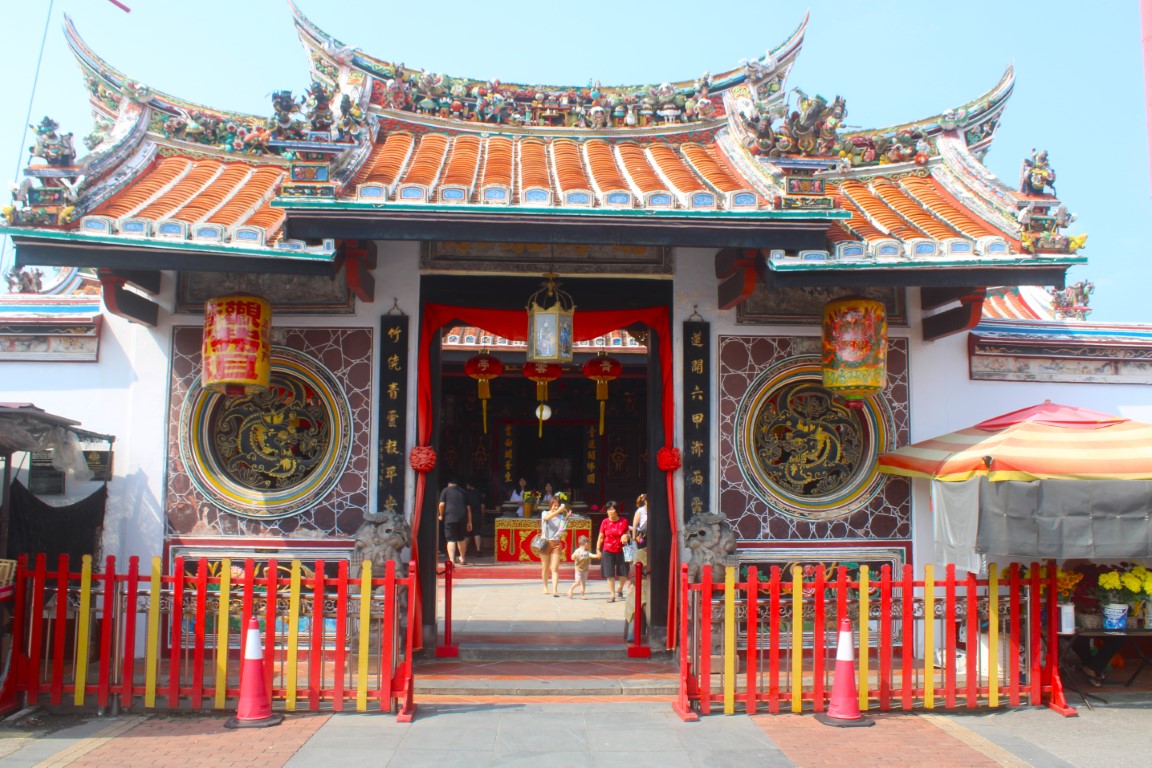
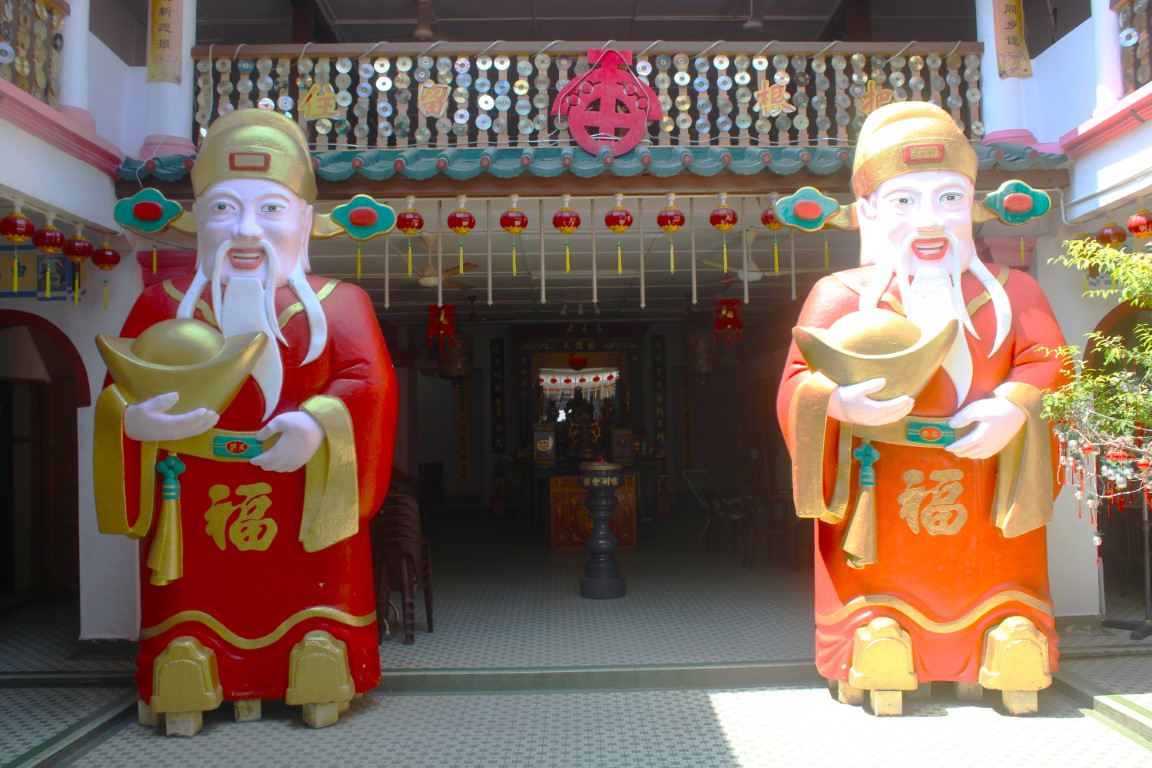
DAILY PHOTO: Scenes from Melaka’s Chinese Temples

“Monkey God Temple” [Properly, 齊天府]
Cheng Hoon Teng (Temple of the Green Cloud) is the oldest Chinese temple in Malacca. It is a syncretistic temple (combining Taoist, Buddhist, Confucian, and Chinese Folk Religion elements.)

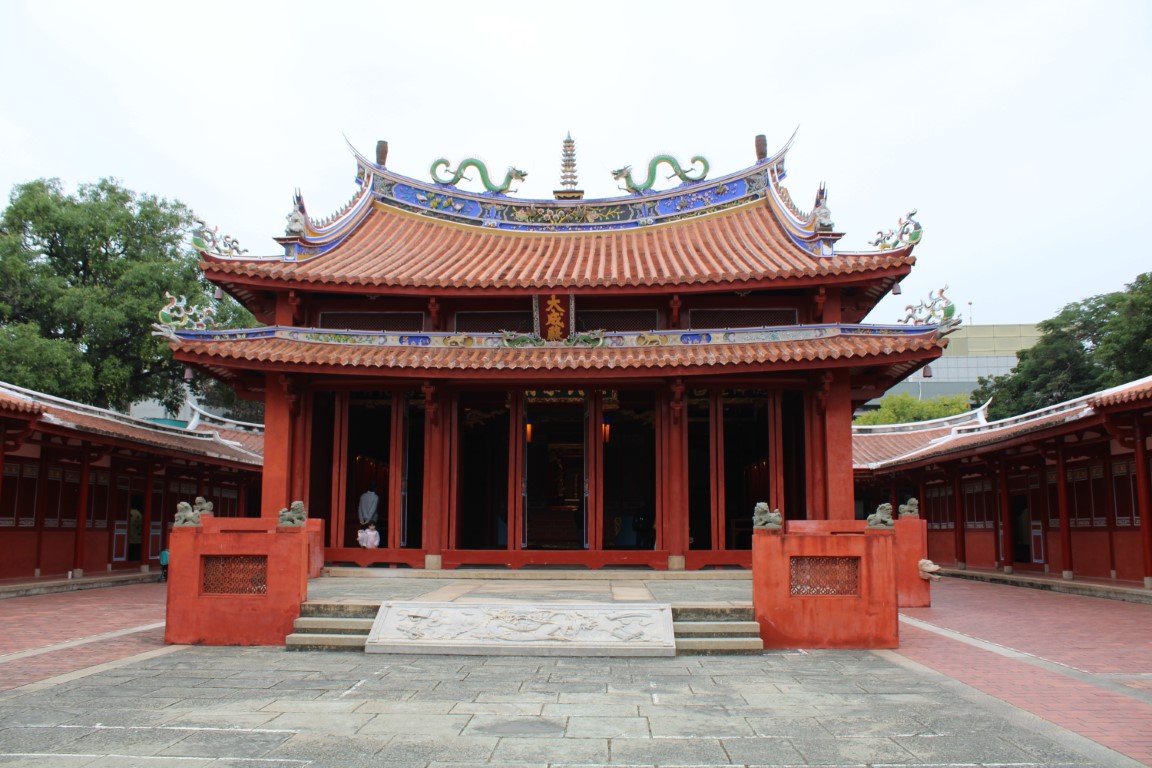
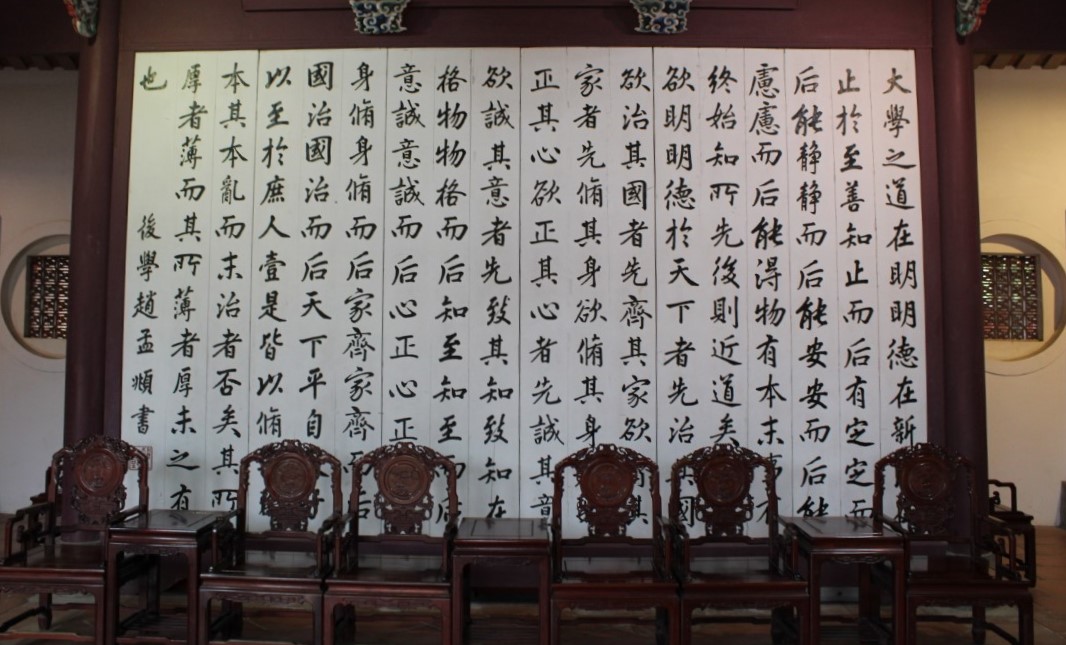
DAILY PHOTO: Tainan Confucian Temple

The Anchor Book of Chinese Poetry ed. Tony Barnstone & Chou Ping

The Anchor Book of Chinese Poetry: From Ancient to Contemporary, The Full 3000-Year TraditionThe Anchor Book of Chinese Poetry: From Ancient to Contemporary, The Full 3000-Year Tradition by Tony Barnstone
My rating: 5 of 5 stars

Amazon.in Page

This poetry translation anthology presents examples from some of the earliest known Chinese poetry to authors who are still alive and composing. It’s arranged by dynastic period (up until the modern era,) and, within dynasties, by poet. Most of the poets merit only a poem or two, but some of the major poets are allotted many pages of poems. Of course, how much poetry per poet is included isn’t just a function of how prolific or popular the poet was, but also how much extant poetry remains — i.e. how much survived. Each dynastic section begins with an overview of the time and poetic trends, and there is bio blurb for each poet.

There is quite a bit of variation in the book beyond that of the changing nature of Chinese poetry. The translations are also by varied translators, including not only the book’s editors but also individuals from the past, such as Arthur Waley. I wouldn’t say there is any bad translation in the book, but some translators capture the feel, e.g. the relative sparseness, of Chinese better, and others show their English poetic educations more obviously.

All in all, I enjoyed this selection of poems immensely, and learned a lot about Chinese history as well as of the country’s changing poetic tradition. I gained new insight to some of my favorites (e.g. Li Bai, Han Shan, etc.) and gained new favorites I’d never heard of before. I’d highly recommend this book for readers of poetry in translation.

View all my reviews

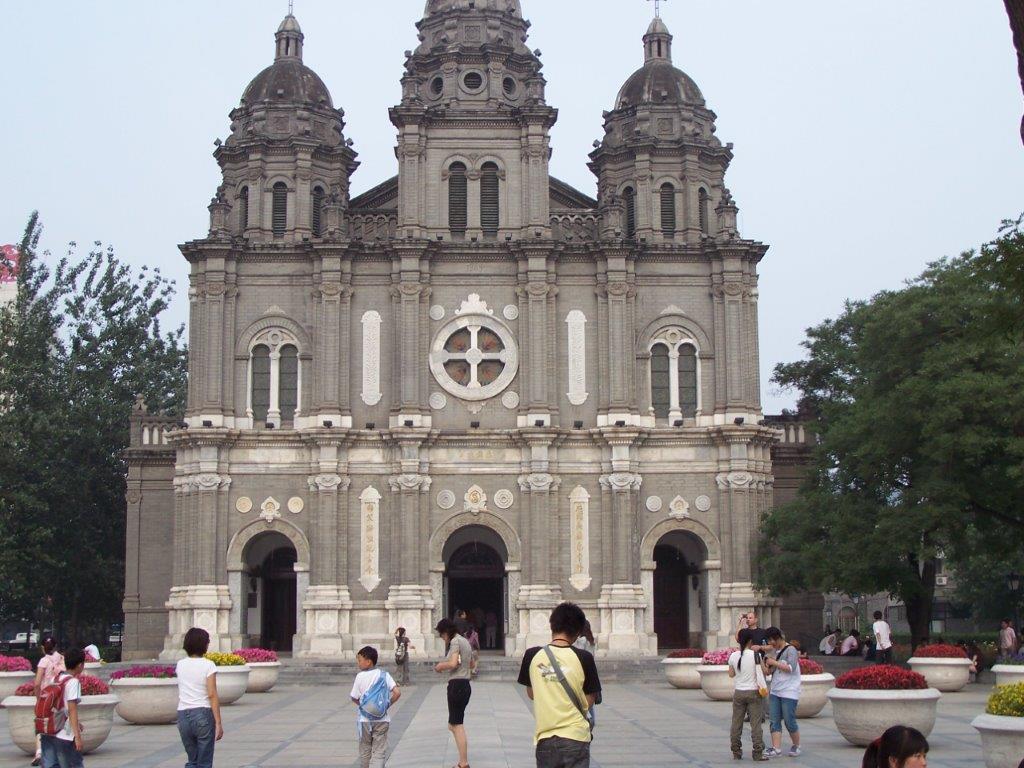
DAILY PHOTO: Religious Buildings in Beijing

St. Joseph’s Church on Wanfujing Street (a.k.a. Wanfujing Church / Dongtang); Roman Catholic
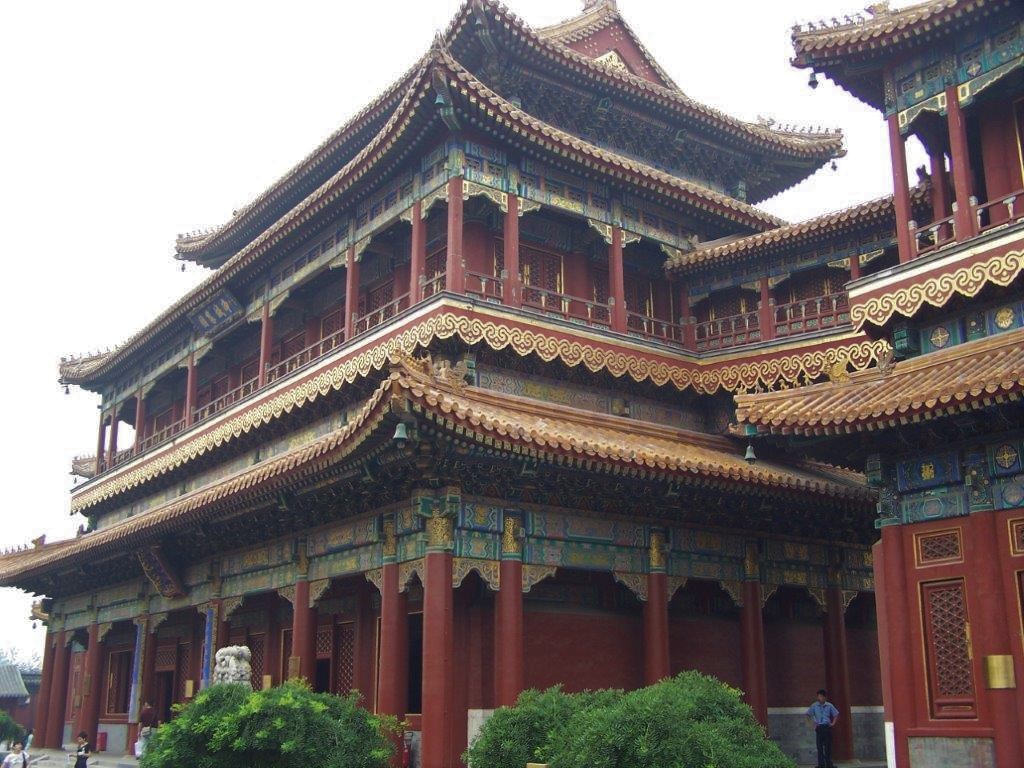
Lama Temple (a.k.a. Yonghe Temple); Tibetan Buddhist (i.e. Vajrayana Buddhist)
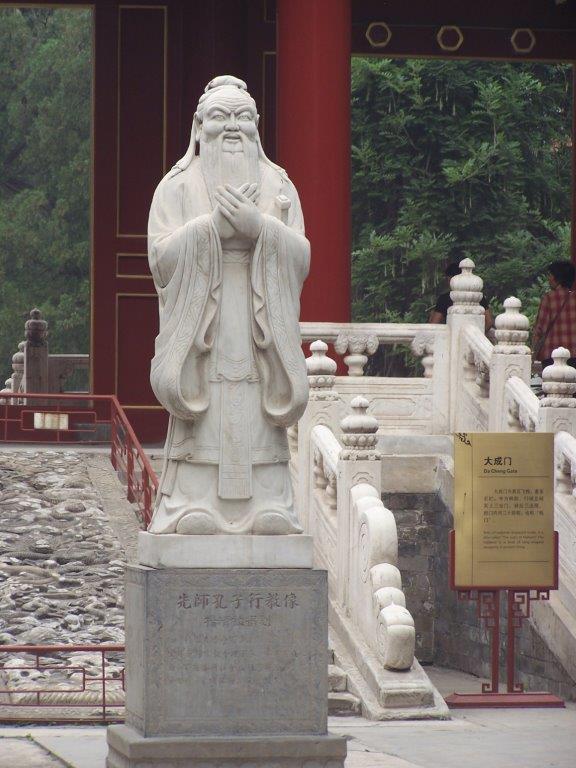
Beijing Temple of Confucius; Confucian
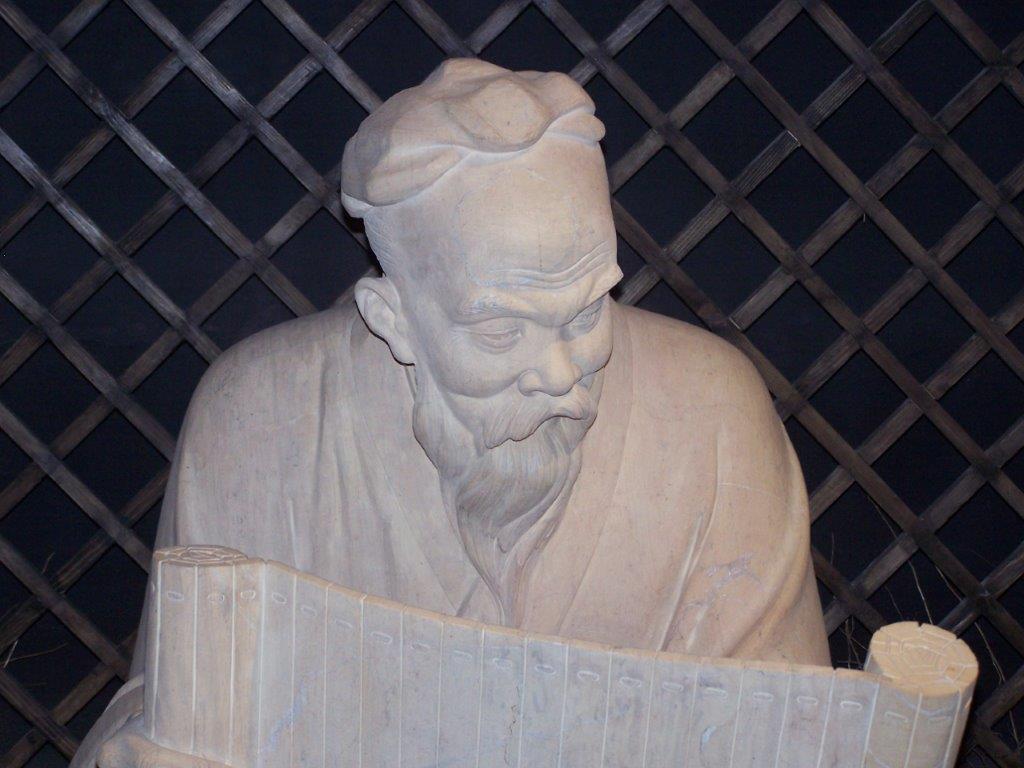
Limerick of Confucius

The great Chinese philosopher Confucius
 wrote in maxims to avoid being circumlocutious.
   [That's a word that absurdly
   describes being wordy.]
 Be like Confucius, not like this verbose doofus. 

DAILY PHOTO: Tree in the Temple of Confucius, Beijing

Taken in the Beijing Temple of Confucius in the summer of 2008

BOOK REVIEW: The Path by Michael Puett

The Path: A New Way to Think About EverythingThe Path: A New Way to Think About Everything by Michael Puett
My rating: 5 of 5 stars

Amazon page


This book is organizationally and conceptually similar to a book by Edward Slingerland that I reviewed recently entitled “Trying Not to Try.” I’ll first discuss how the books are alike before differentiating them as I believe they are both worth reading. First, both books essentially look at how the ideas of ancient Chinese philosophers—both Confucian and Taoist—can be put into practice to improve one’s life in the modern world. Second, the heart of each work consists of chapters devoted to the thinking of one particular philosopher and how the ideas of said philosopher compare and contrast to those of the others.

That said, both books create their own space in a way that justifies each’s existence. While Slingerland focuses heavily on the notion of wu-wei (effortless action) and de (the charisma of effortless action,) Puett and Gross-Loh consider a broader swath of human activity. That may make it sound like this book is more rambling and unfocused, but there is a central theme that cuts across the chapters. That theme rejects the simple and straightforward ideas given credence by modern Western society (as well as by the Chinese Mohists–i.e. followers of Mozi.) It suggests that the self is not a fixed entity but rather a collection of patterns. One needs to accept that these are just ruts that can be negated and to behave accordingly if one hopes to achieve an enjoyable life in a world that can be capricious and chaotic.

The first couple chapters of the book look at the problems of the modern world and how ideas from traditional societies—such as the China of past centuries—differed. With that context set, each but the last chapter examines an aspect of the human condition from the perspective of a particular Chinese philosopher.

Chapter three offers Confucius’s ideas about rituals and how they can be used to cultivate virtuous behavior. Chapter four presents the ideas of Mencius with regards how to live life in a world that is capricious and arbitrary.

The fifth chapters shifts from Confucianism to Taoism as it explores Laozi’s ideas about how one can influence others not by brute force but by moving in accordance with “the Way,” and how eliminating illusory distinctions is the key to developing this soft power.

The sixth chapter focuses not on the ideas of a particular author but a particular work, “The Inward Training.” This manual describes how one can increase one’s vitality (readers maybe familiar with the idea of “chi” or “qi,” as in “tai chi” or “qi gong”) by a mystical approach that cultivates the divine within one.

Chapter seven is about Zhuangzi’s ideas about accepting that our world is constantly in flux and to battle this fact is as futile as it is exhausting. The ideas discussed echo the aforementioned concept of “wu-wei” as well as modern concepts of positive psychology such as Czikszentmihalyi’s Flow and ecstasis.

The penultimate chapter returns to a Confucian philosopher, one by the name of Xunzi, who believed that humans create the patterns we live under and it’s up to us to get past said patterns and not to accept them as a given. The last chapter circles back around to propose how the ideas presented throughout the book might allow us to remake the modern world in a happier form.

The book has no graphics, but does have a small section of resources and readings.

I found this book to be enjoyable and informative. The authors use modern stories and cases to make these ideas understandable and relevant to the reader as well as to supplement stories of ancient history. The book provides food for thought and—as I said—it creates its own niche. I’d recommend it for readers interested in how ancient Chinese wisdom can relate to present-day living.

View all my reviews