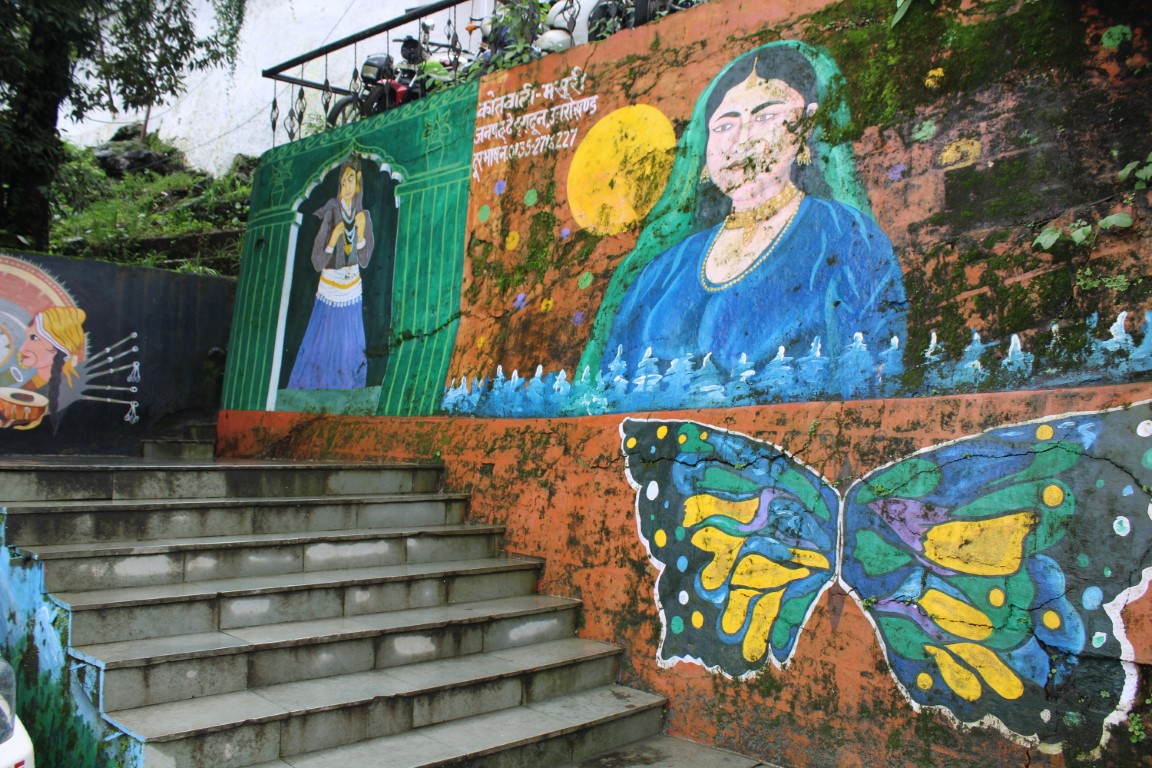
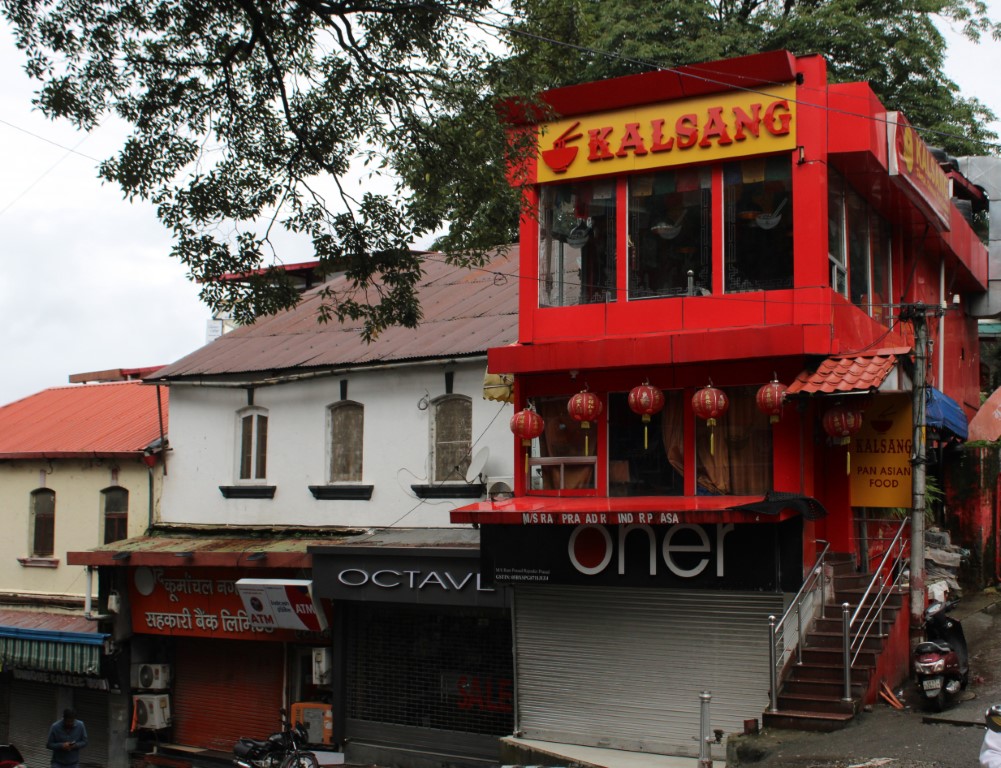
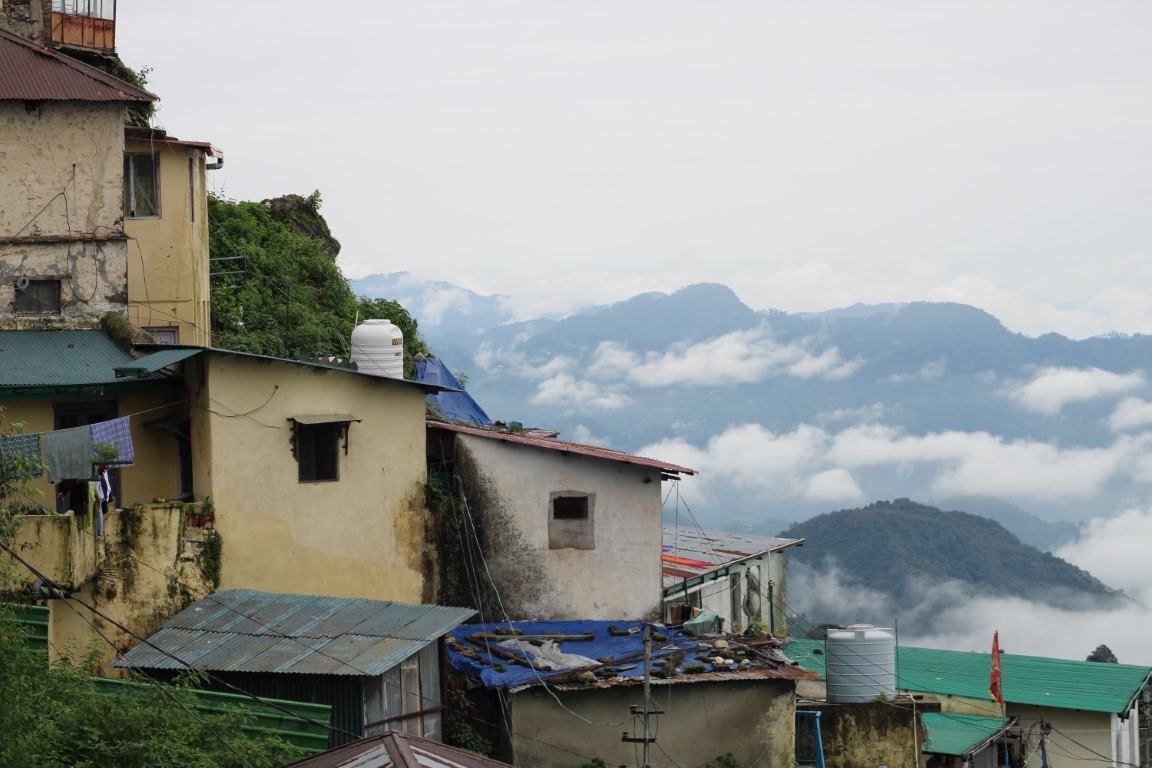
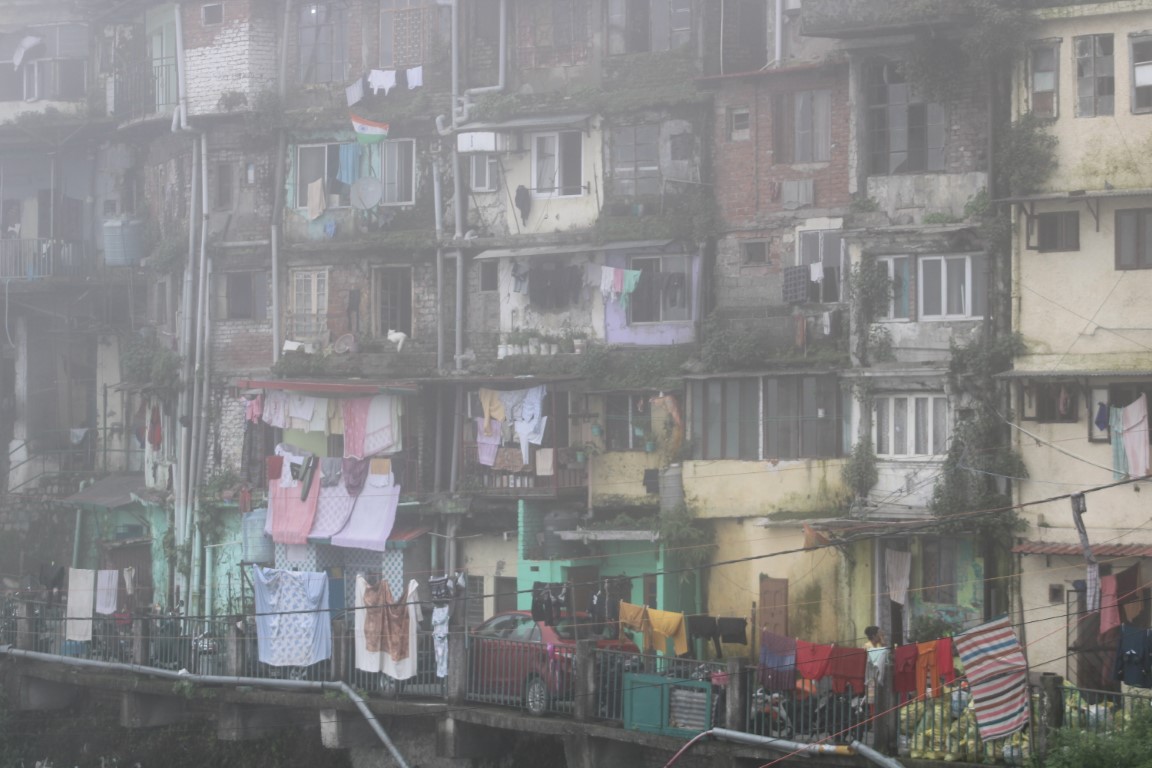
DAILY PHOTO: Scenes from Mussoorie Posted on August 27, 2024 by B Gourley Reply Share on Facebook, Twitter, Email, etc. Print (Opens in new window) Print Share on WhatsApp (Opens in new window) WhatsApp MoreShare on TumblrTweet Share on Reddit (Opens in new window) Reddit Email a link to a friend (Opens in new window) Email Like Loading...
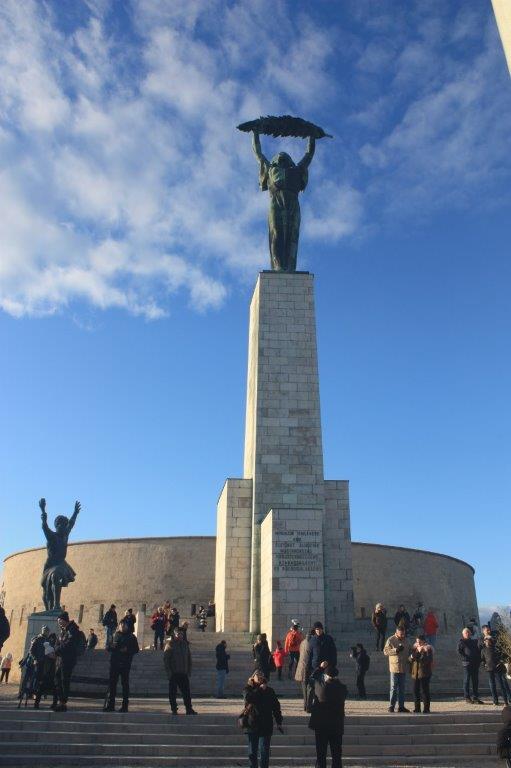
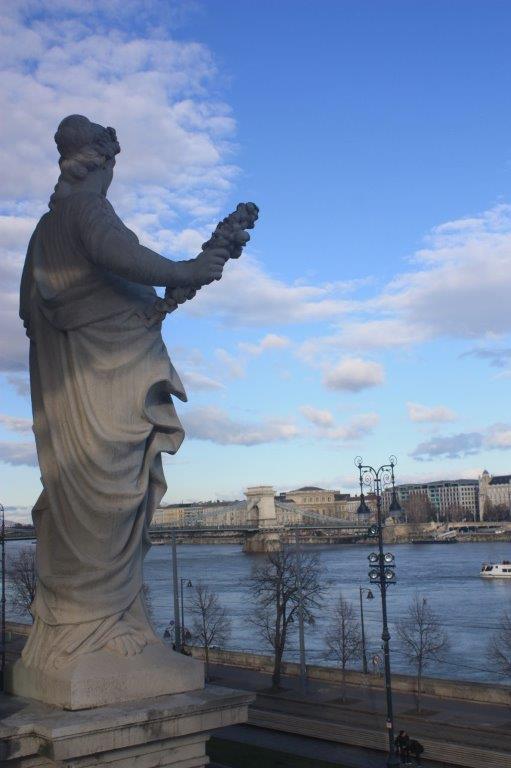
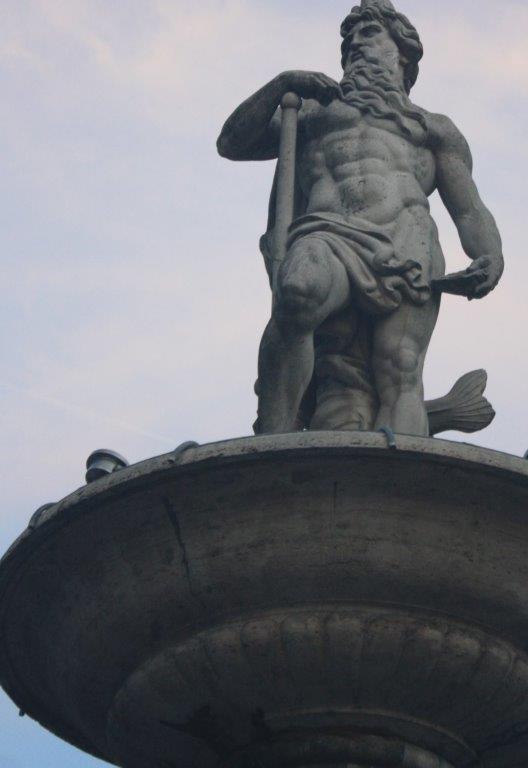
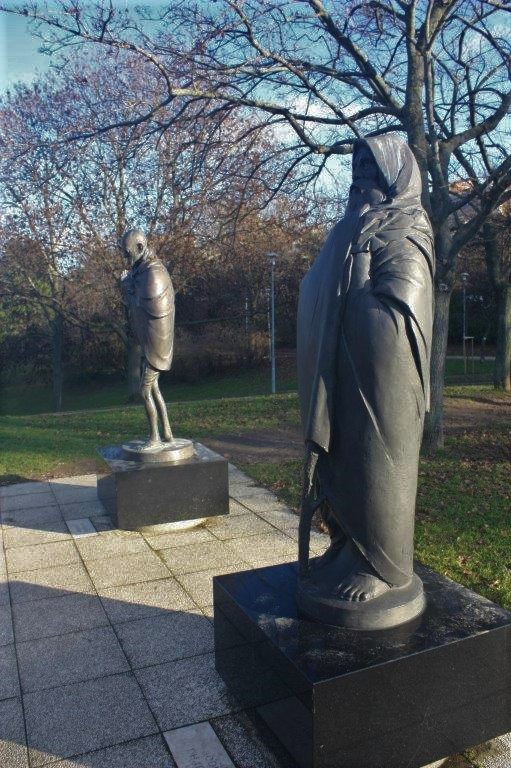
DAILY PHOTO: A Few Views of Budapest Statues Posted on August 20, 2024 by B Gourley Reply Share on Facebook, Twitter, Email, etc. Print (Opens in new window) Print Share on WhatsApp (Opens in new window) WhatsApp MoreShare on TumblrTweet Share on Reddit (Opens in new window) Reddit Email a link to a friend (Opens in new window) Email Like Loading...
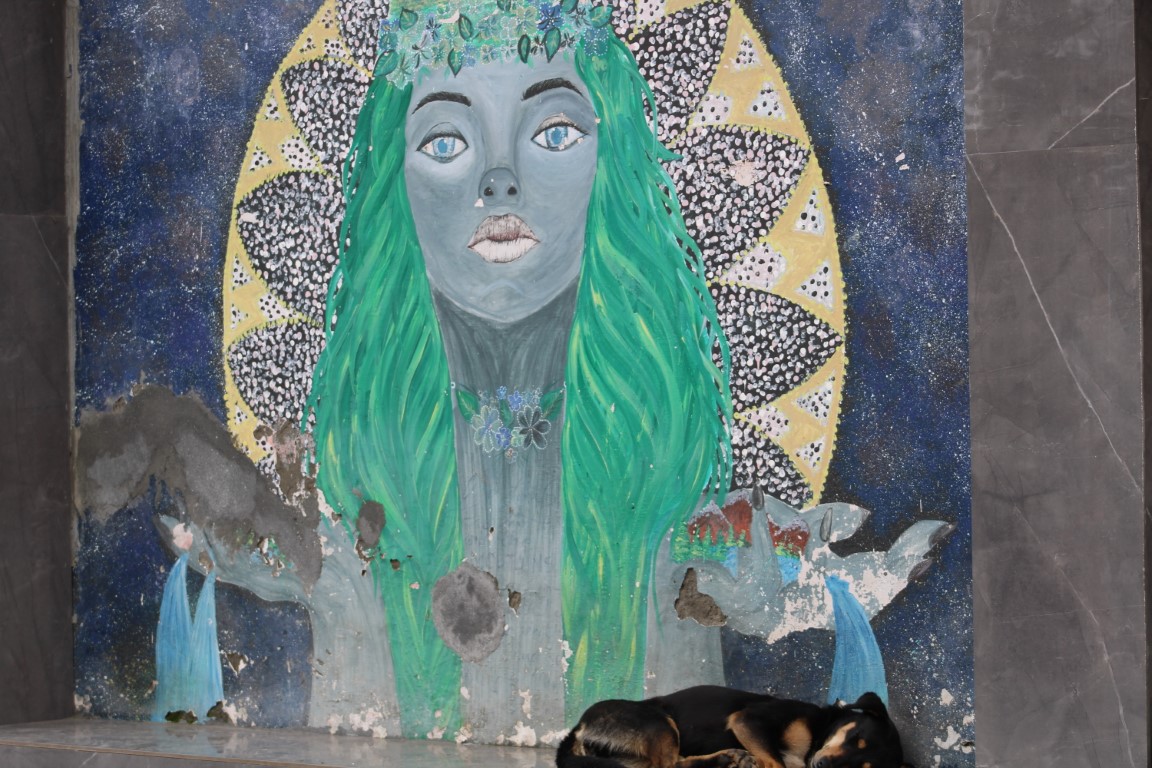
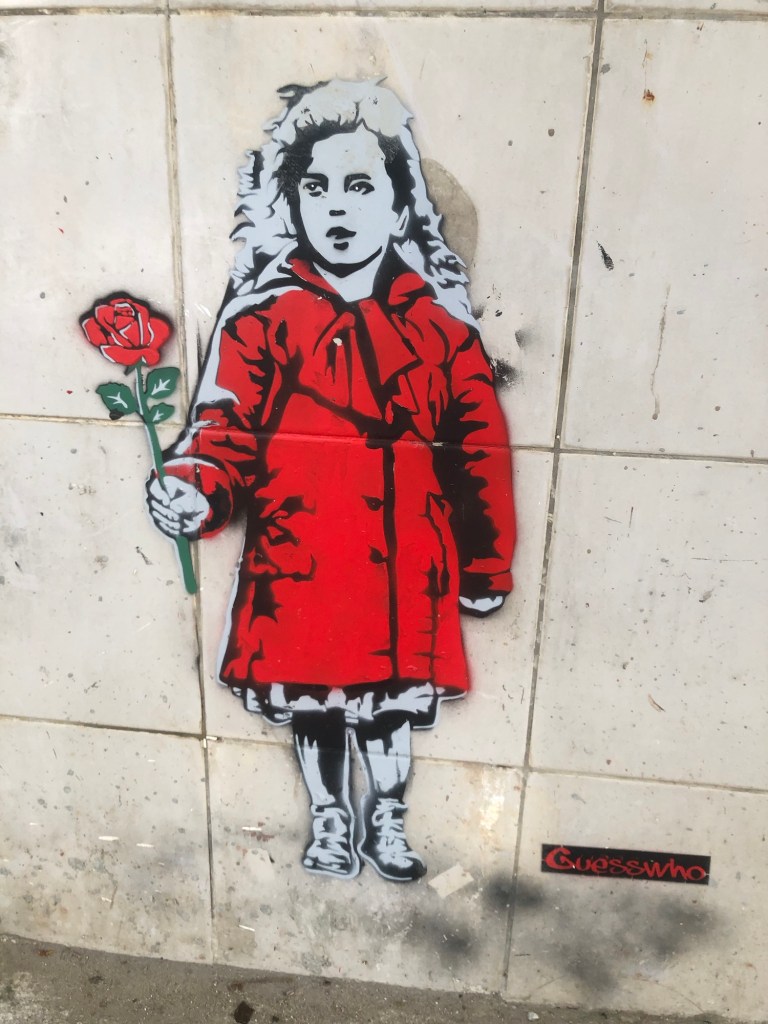
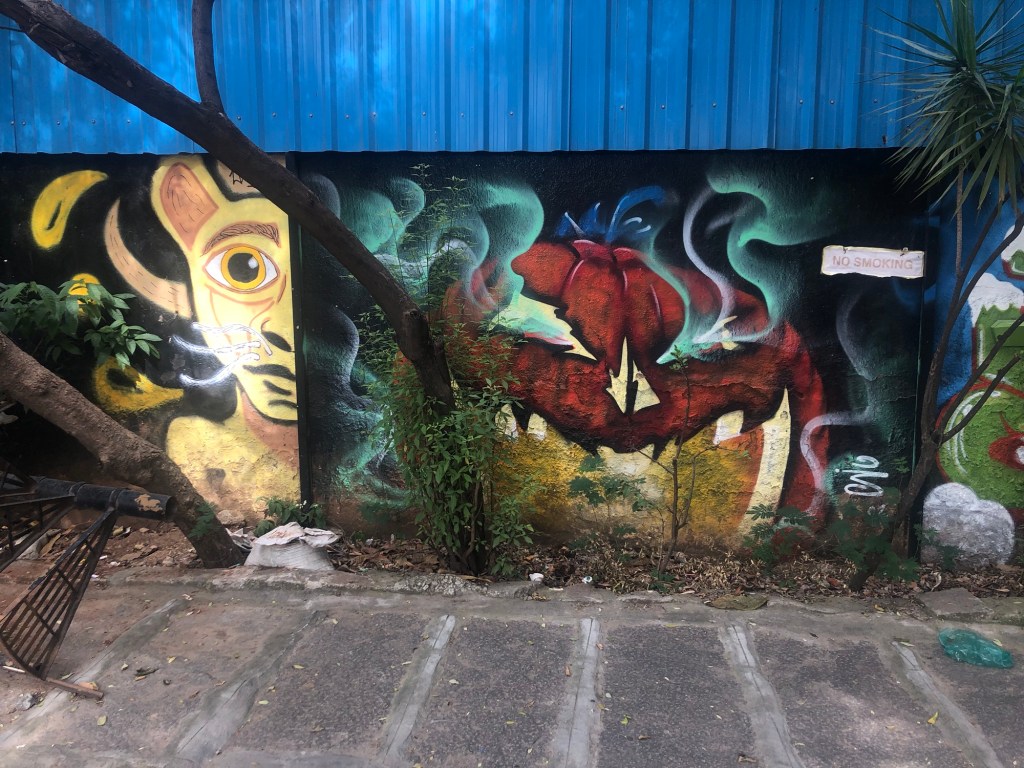
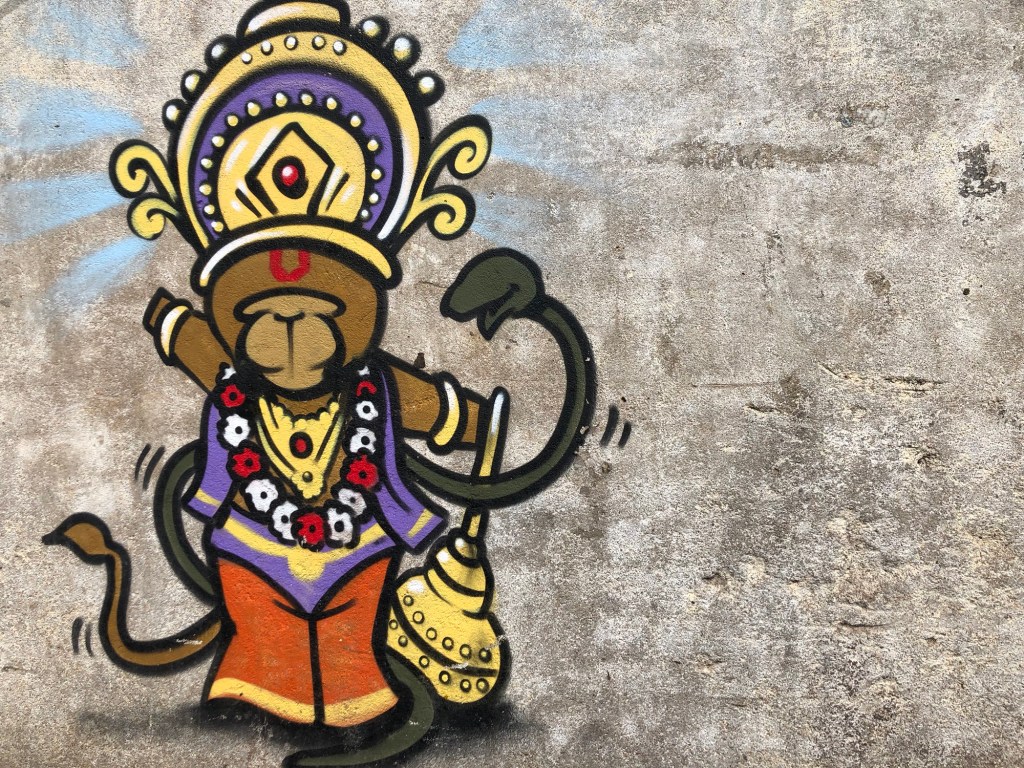
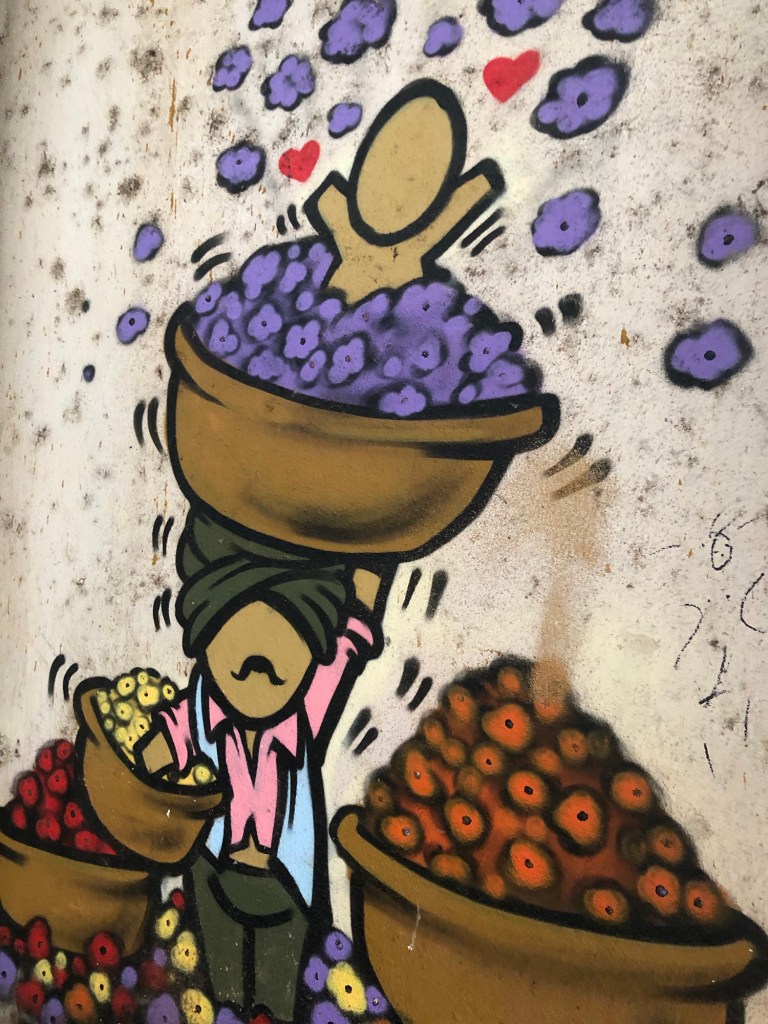
DAILY PHOTO: Some Bangalore Murals Posted on August 10, 2024 by B Gourley 2 Share on Facebook, Twitter, Email, etc. Print (Opens in new window) Print Share on WhatsApp (Opens in new window) WhatsApp MoreShare on TumblrTweet Share on Reddit (Opens in new window) Reddit Email a link to a friend (Opens in new window) Email Like Loading...
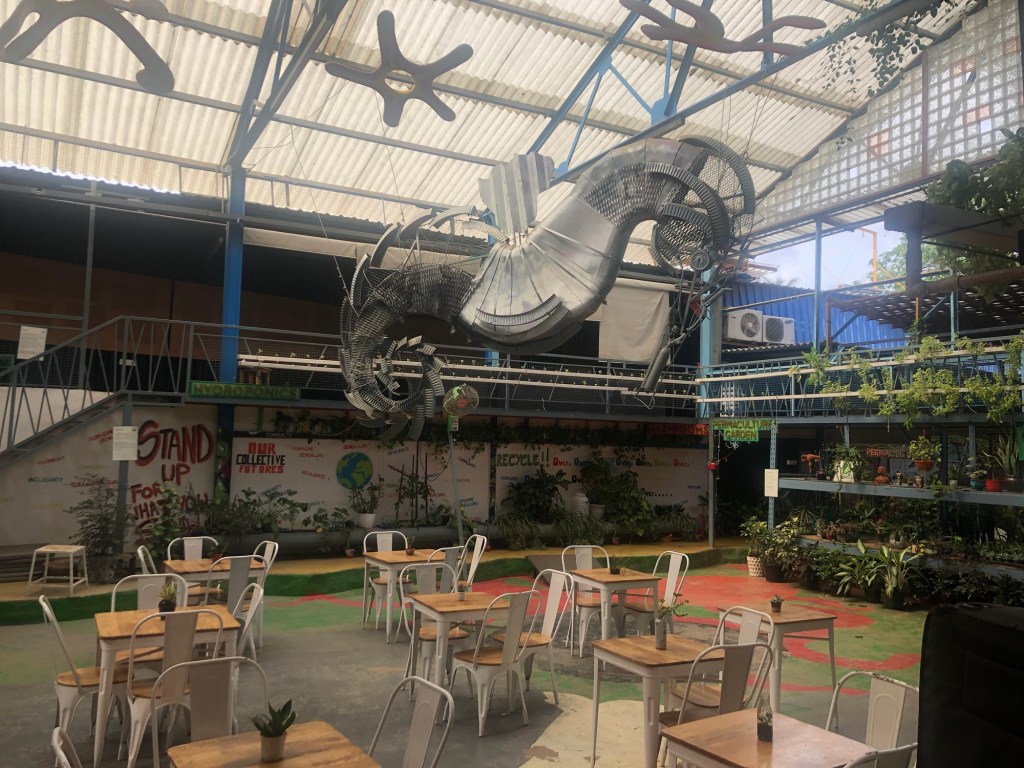
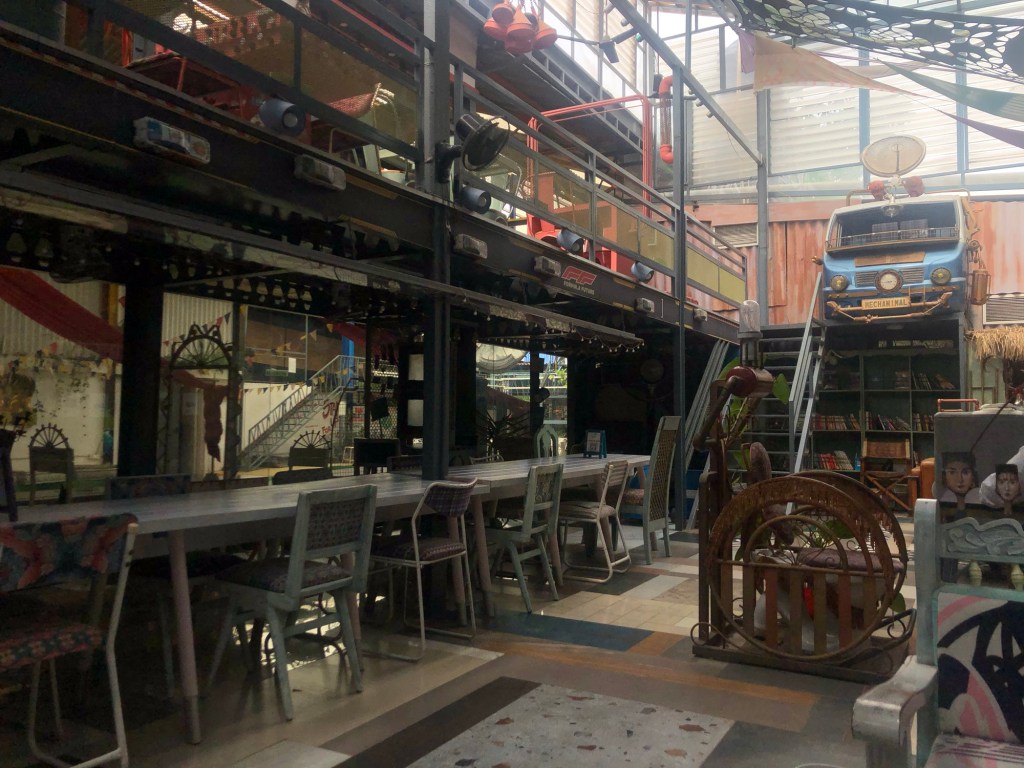
DAILY PHOTO: Bangalore Creative Circus Posted on June 30, 2024 by B Gourley Reply Share on Facebook, Twitter, Email, etc. Print (Opens in new window) Print Share on WhatsApp (Opens in new window) WhatsApp MoreShare on TumblrTweet Share on Reddit (Opens in new window) Reddit Email a link to a friend (Opens in new window) Email Like Loading...
DAILY PHOTO: KR Market Murals Posted on June 23, 2024 by B Gourley Reply Share on Facebook, Twitter, Email, etc. Print (Opens in new window) Print Share on WhatsApp (Opens in new window) WhatsApp MoreShare on TumblrTweet Share on Reddit (Opens in new window) Reddit Email a link to a friend (Opens in new window) Email Like Loading...
DAILY PHOTO: Sculptures of Cafesjian Center for the Arts Posted on June 11, 2024 by B Gourley Reply by Fernando Botero by Yue Minjun “Big Blue Kiwi” Share on Facebook, Twitter, Email, etc. Print (Opens in new window) Print Share on WhatsApp (Opens in new window) WhatsApp MoreShare on TumblrTweet Share on Reddit (Opens in new window) Reddit Email a link to a friend (Opens in new window) Email Like Loading...
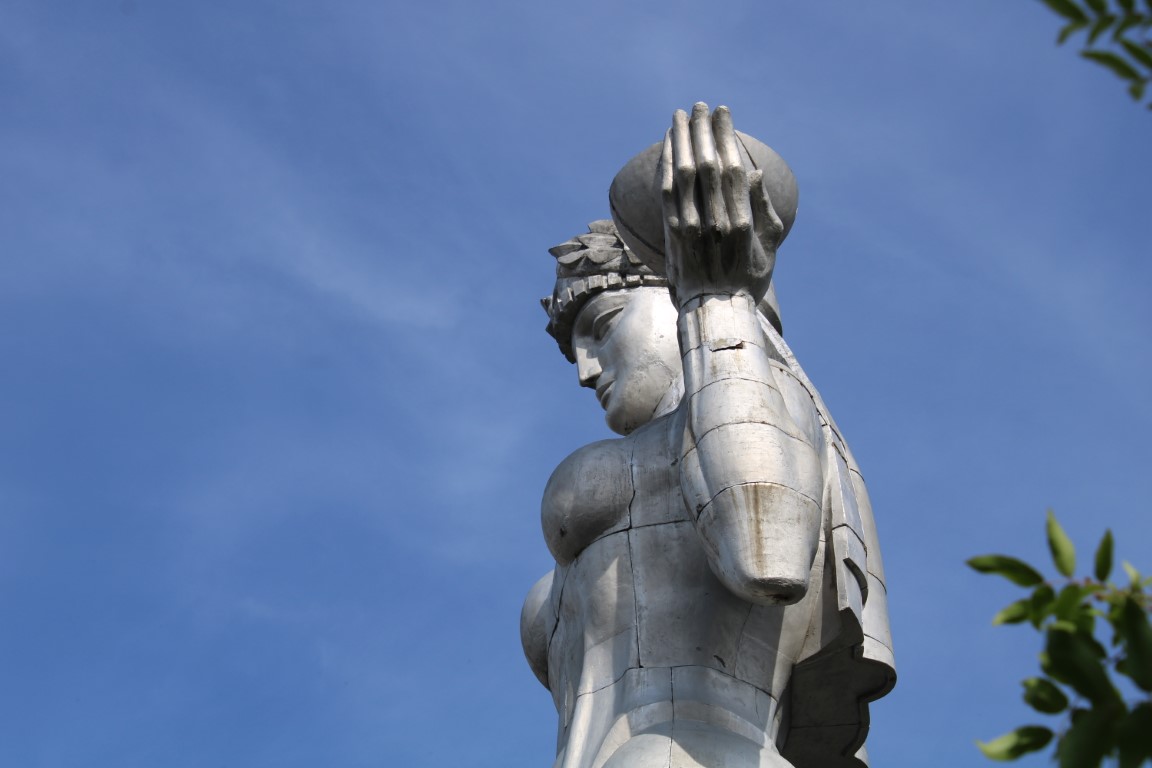
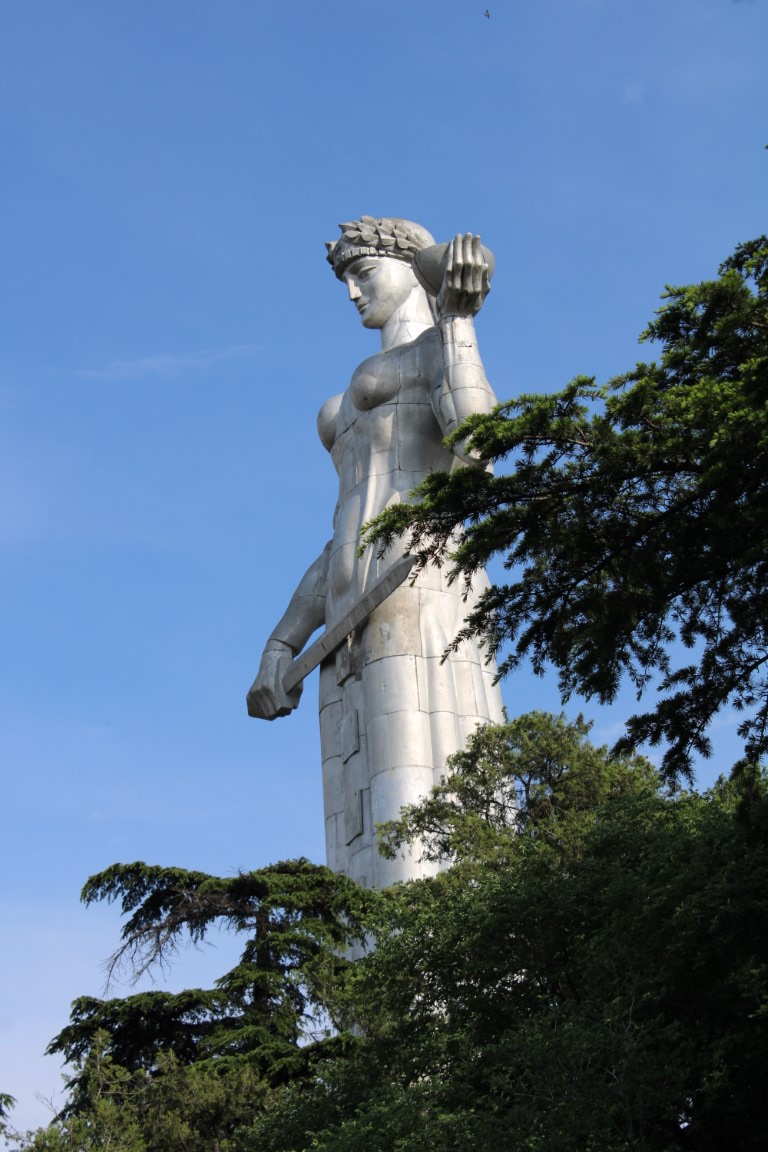
DAILY PHOTO: Mother of Georgia [Kartlis Deda] Posted on June 5, 2024 by B Gourley Reply Share on Facebook, Twitter, Email, etc. Print (Opens in new window) Print Share on WhatsApp (Opens in new window) WhatsApp MoreShare on TumblrTweet Share on Reddit (Opens in new window) Reddit Email a link to a friend (Opens in new window) Email Like Loading...
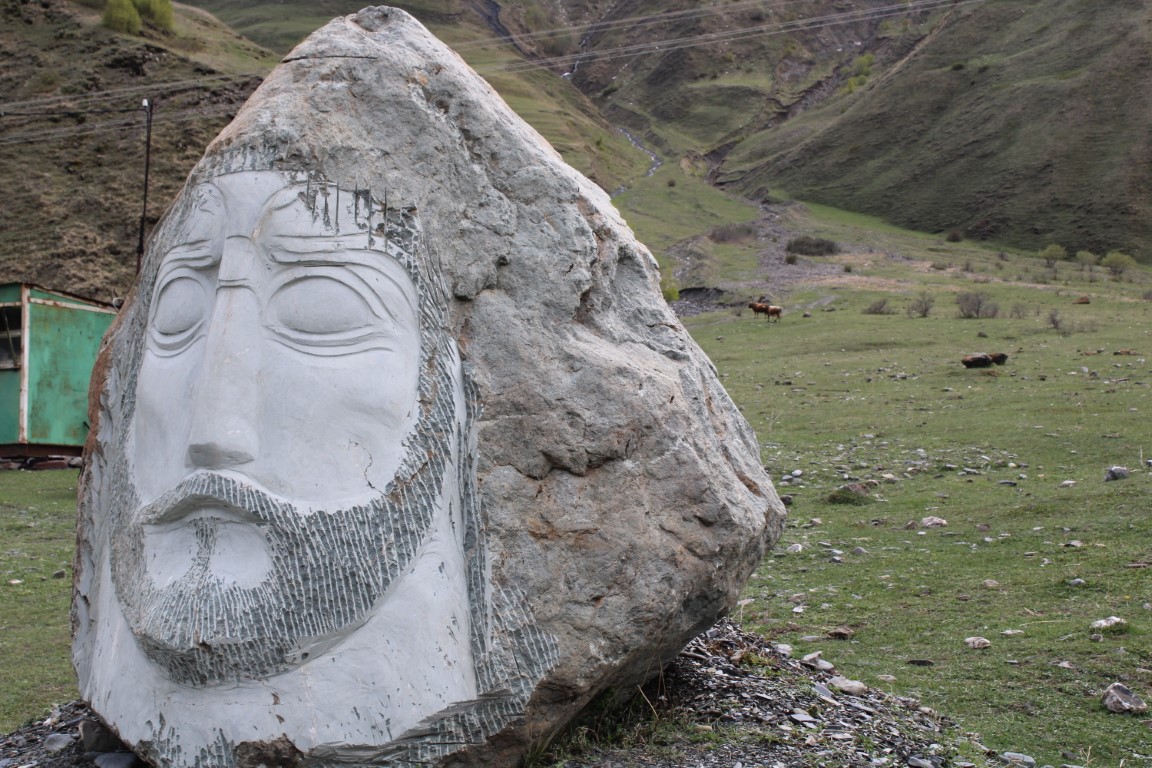
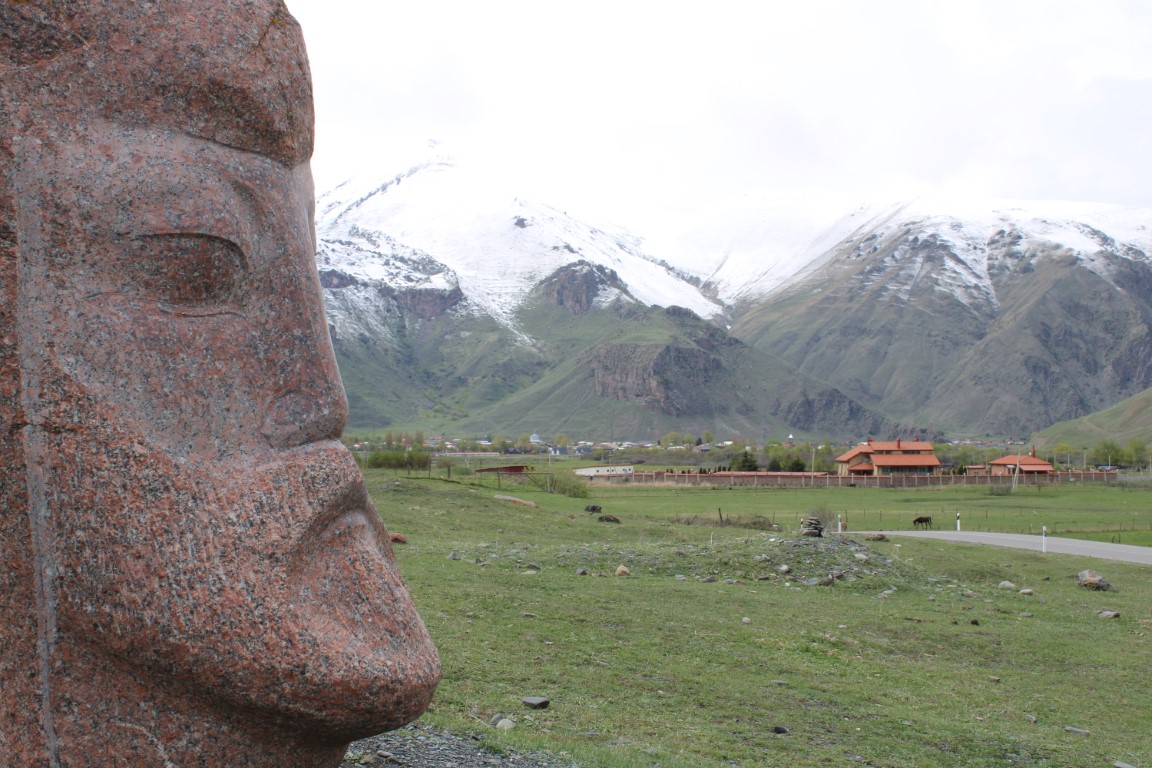
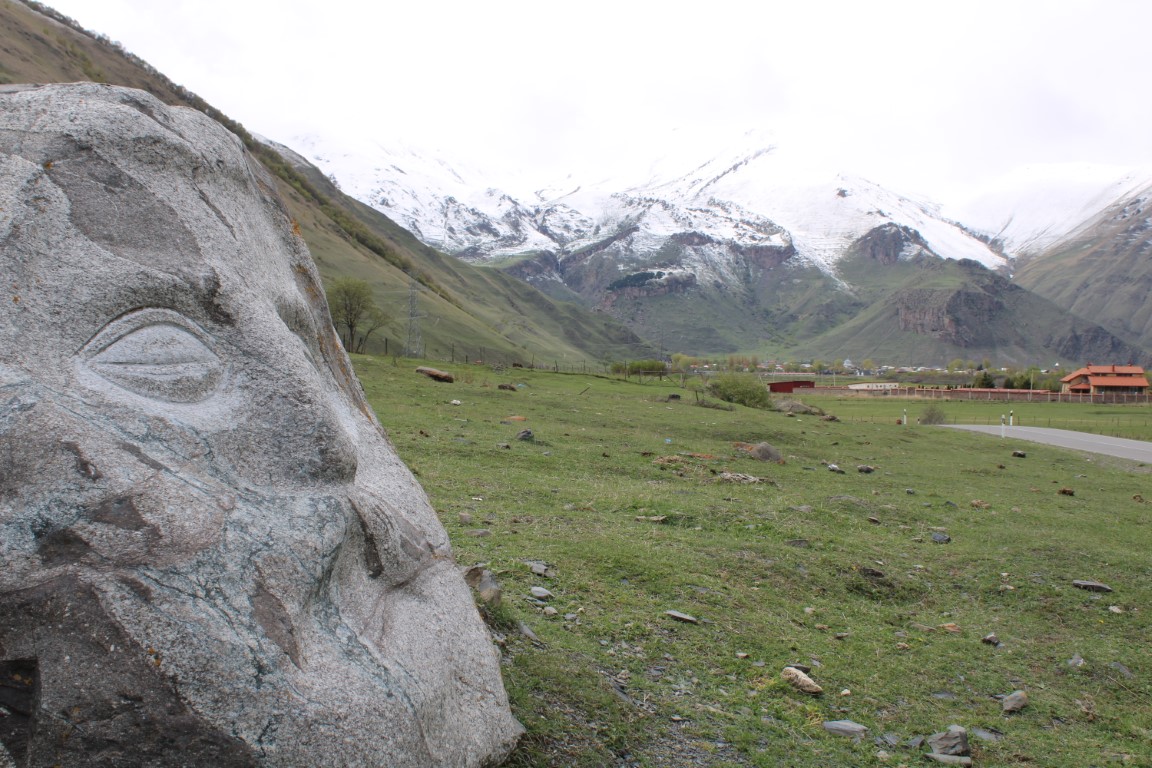
DAILY PHOTO: Stone Heads of Sno Posted on June 3, 2024 by B Gourley Reply Share on Facebook, Twitter, Email, etc. Print (Opens in new window) Print Share on WhatsApp (Opens in new window) WhatsApp MoreShare on TumblrTweet Share on Reddit (Opens in new window) Reddit Email a link to a friend (Opens in new window) Email Like Loading...
PROMPT: Live Performance Posted on May 8, 2024 by B Gourley 1 What was the last live performance you saw? Belly dancers doing a series of experimental pieces fusing modern dance with multiple forms of traditional belly dance. Share on Facebook, Twitter, Email, etc. Print (Opens in new window) Print Share on WhatsApp (Opens in new window) WhatsApp MoreShare on TumblrTweet Share on Reddit (Opens in new window) Reddit Email a link to a friend (Opens in new window) Email Like Loading...
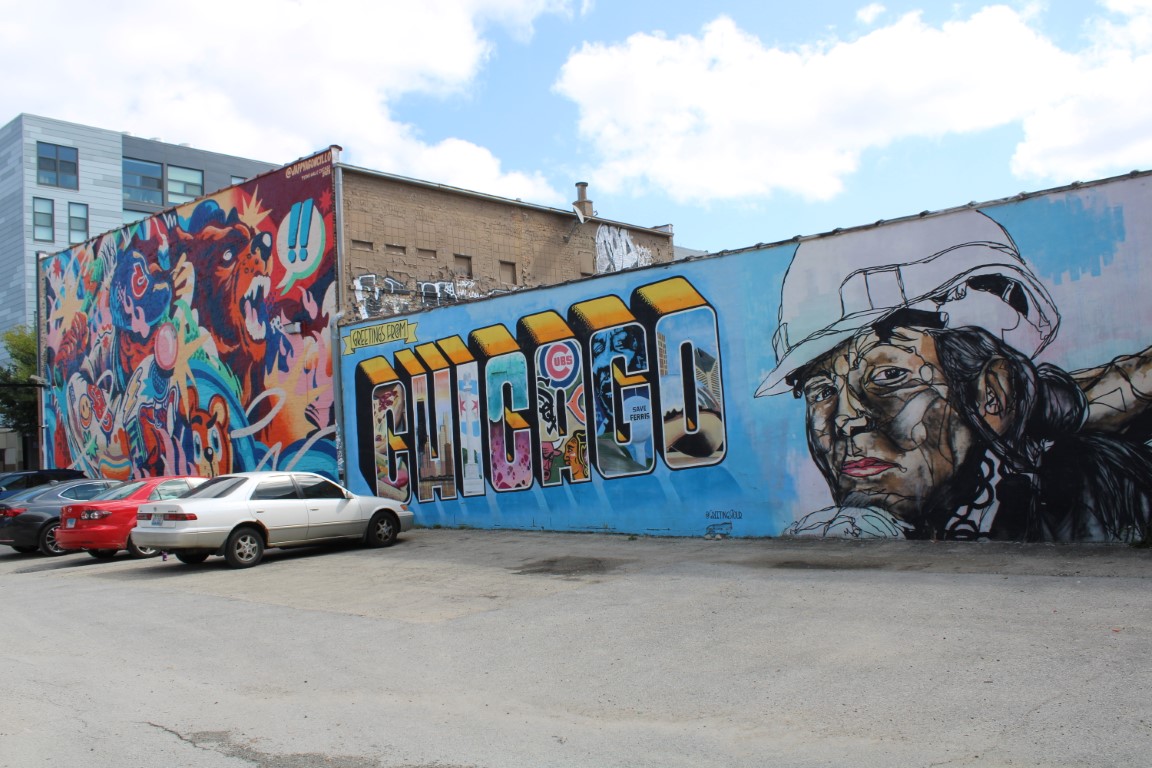
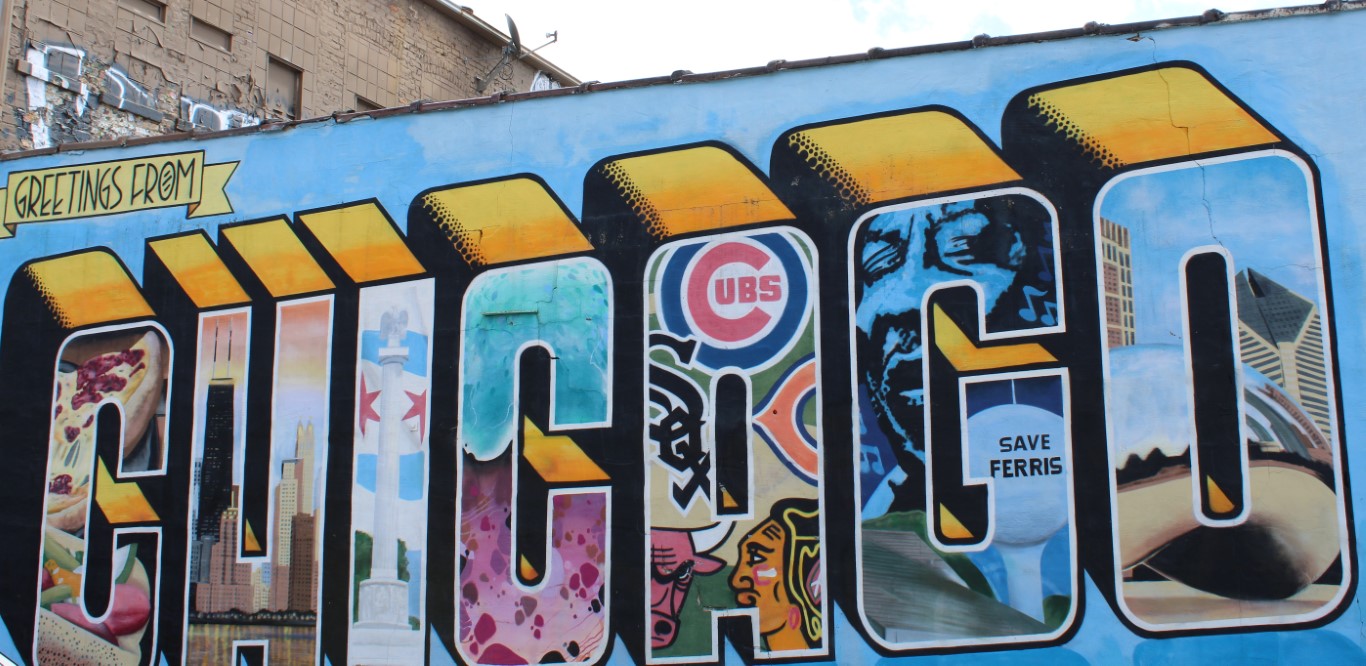
DAILY PHOTO: Chicago Mural, Two Views Posted on April 29, 2024 by B Gourley Reply Share on Facebook, Twitter, Email, etc. Print (Opens in new window) Print Share on WhatsApp (Opens in new window) WhatsApp MoreShare on TumblrTweet Share on Reddit (Opens in new window) Reddit Email a link to a friend (Opens in new window) Email Like Loading...














 Tiger Riding for Beginners