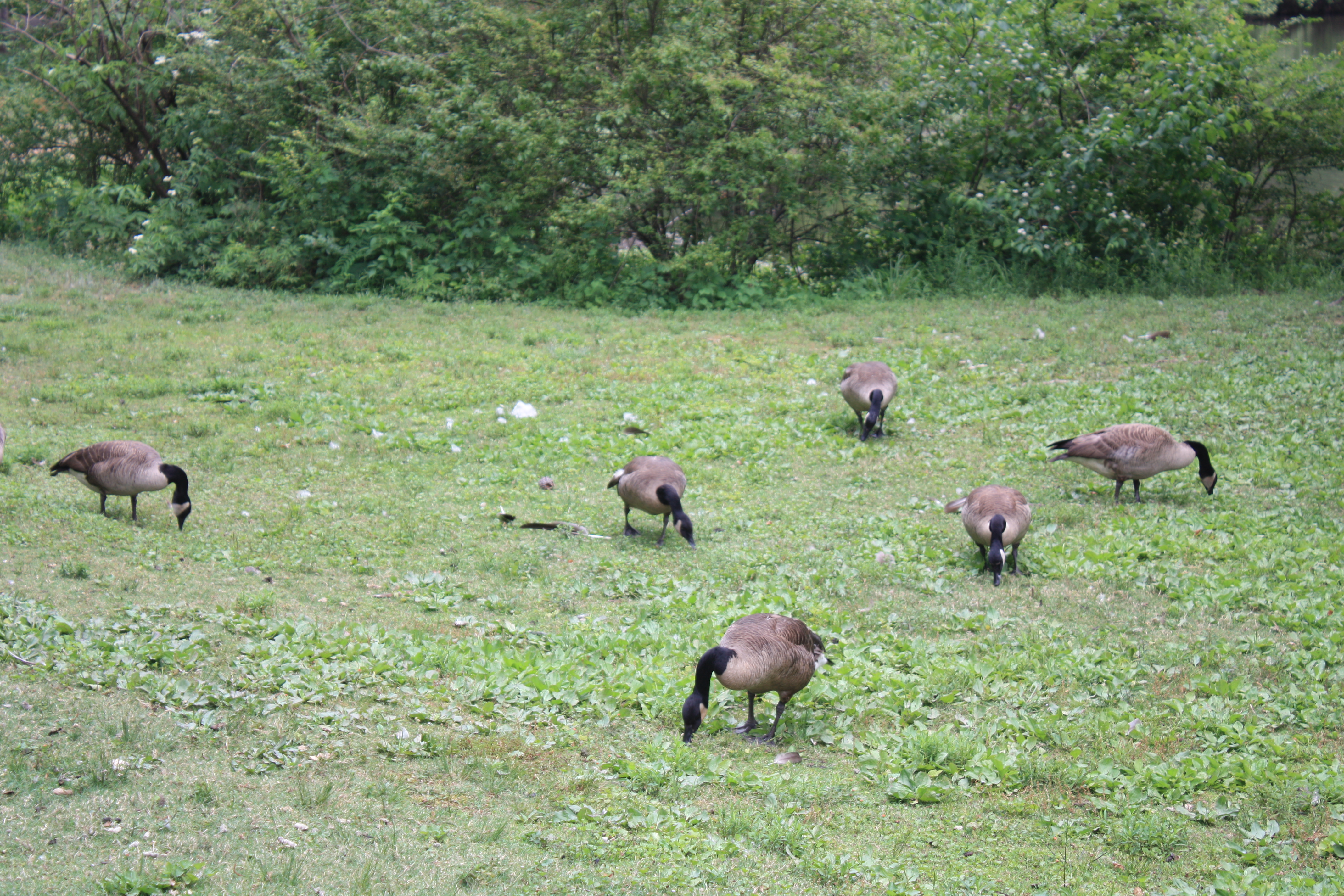
DAILY PHOTO: St. Gregory the Illuminator Cathedral
Image
Reply



What a view --
   Lying on one's back
      In a strange land,
   Seeing familiar skies,
               &
   Unfamiliar faces,
 And wondering what kind
   Of strange beast
      They take one for --
   On one's back,
      In the churchyard
         Of a strange land.
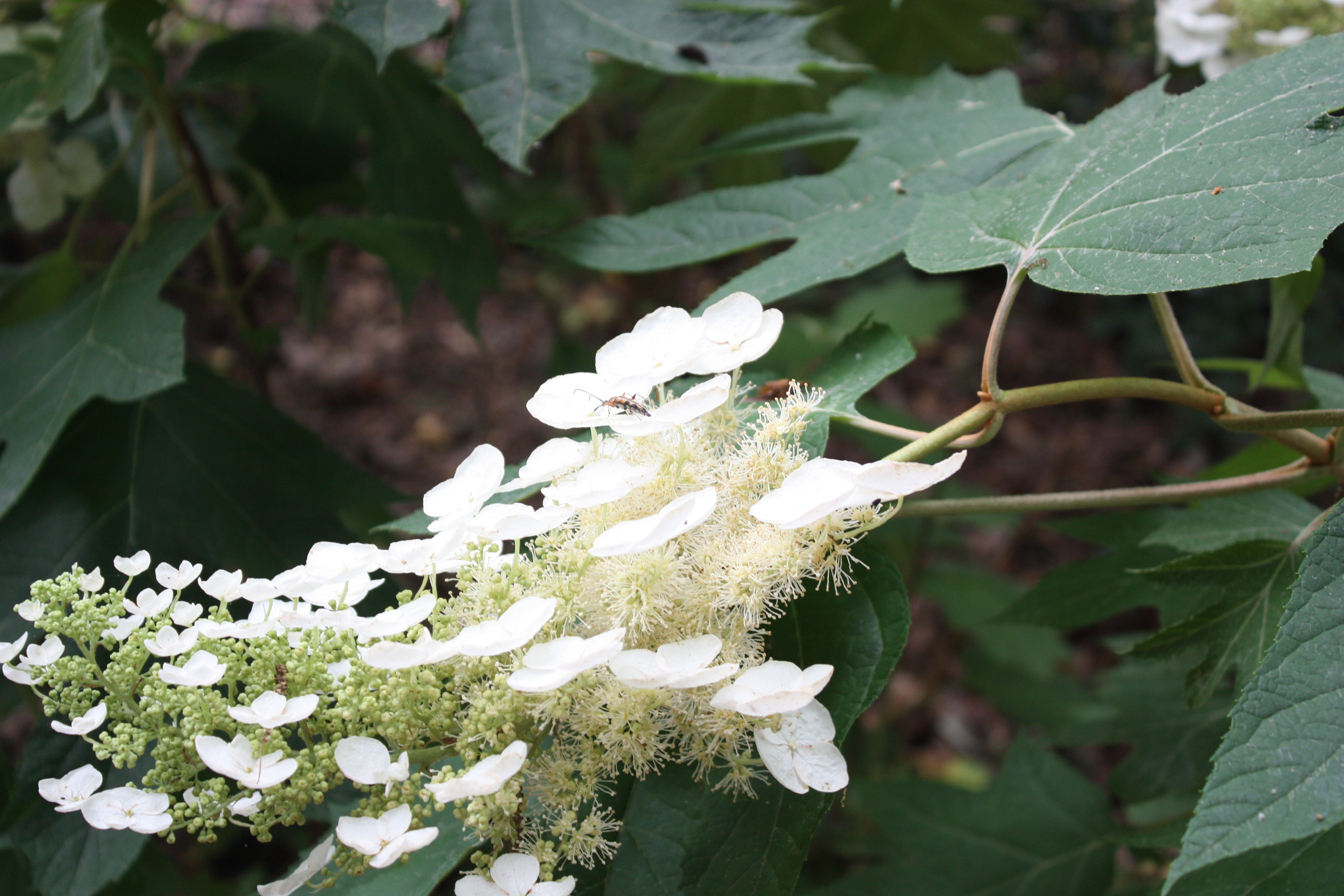
Verdant orchid leaves of Spring;
   Cassia blooms bright in Autumn;
 Thriving plants, top to bottom.
   Festivals planned by their timings.
 Who knows the forest recluse --
   Pleased with winds and winds with he.
 Plants have stems, branches, and roots
   Why beg a belle to pluck their fruits.
This is poem #2 of the 300 Tang Poems [唐诗三百首,] and is the second in a quartet of poems called 感遇 [Gan Yu.] The original poem in Simplified Chinese goes:
兰叶春葳蕤, 桂华秋皎洁;
欣欣此生意, 自尔为佳节。
谁知林栖者, 闻风坐相悦。
草木有本心, 何求美人折?
I do have a jō (short wooden staff) of which I’m fond. I crave books, but since I could care less whether I read them as paper or on a screen and gladly give any but those with long-term reference value away after reading, I don’t think they count.
Being fonder of ideas than anything material, I like the story about Diogenes the Cynic who, upon seeing a boy drink from cupped hands, threw away his cup in self-anger for being such a hoarder.

Knowledge can be a wicked curse,
  Like gold coins in a sturdy purse.
 Tied up -- inviolably pent --
  To be rattled... but never spent.

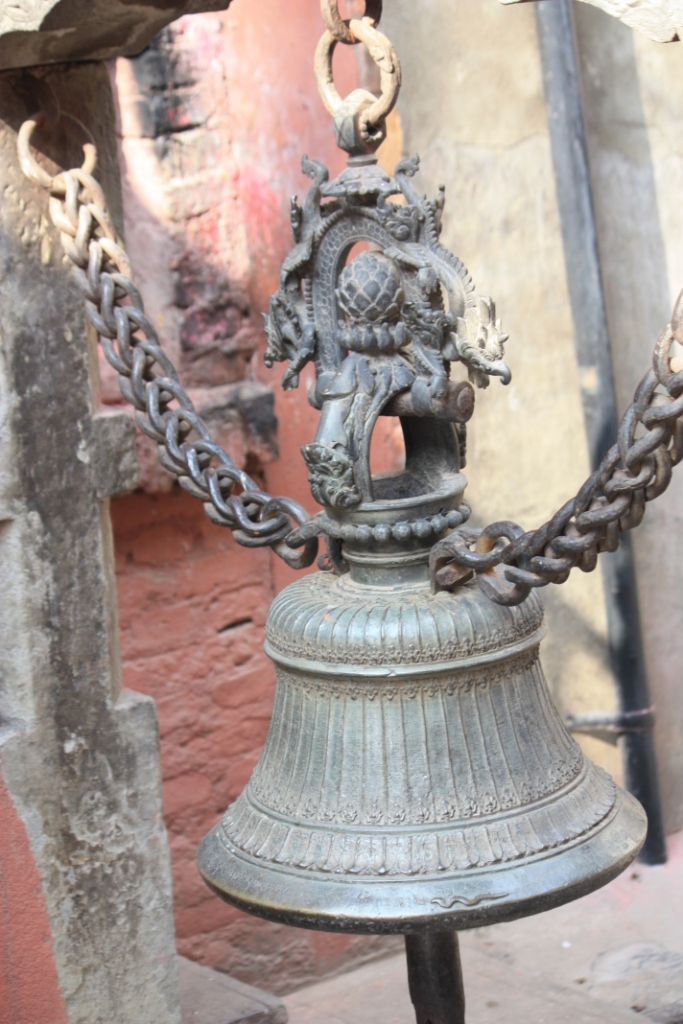
I love thy music, mellow bell,
 I love thine iron chime,
 To life or death, to heaven or hell,
 Which calls the sons of Time.

Thy voice upon the deep
 The home-bound sea-boy hails,
 It charms his cares to sleep,
 It cheers him as he sails.

To house of God and heavenly joys
 Thy summons called our sires,
 And good men thought thy sacred voice
 Disarmed the thunder's fires.

And soon thy music, sad death-bell,
 Shall lift its notes once more,
 And mix my requiem with the wind
 That sweeps my native shore.
I collect experiences, but they are very slippery and will not stay in a row on a shelf to be displayed.
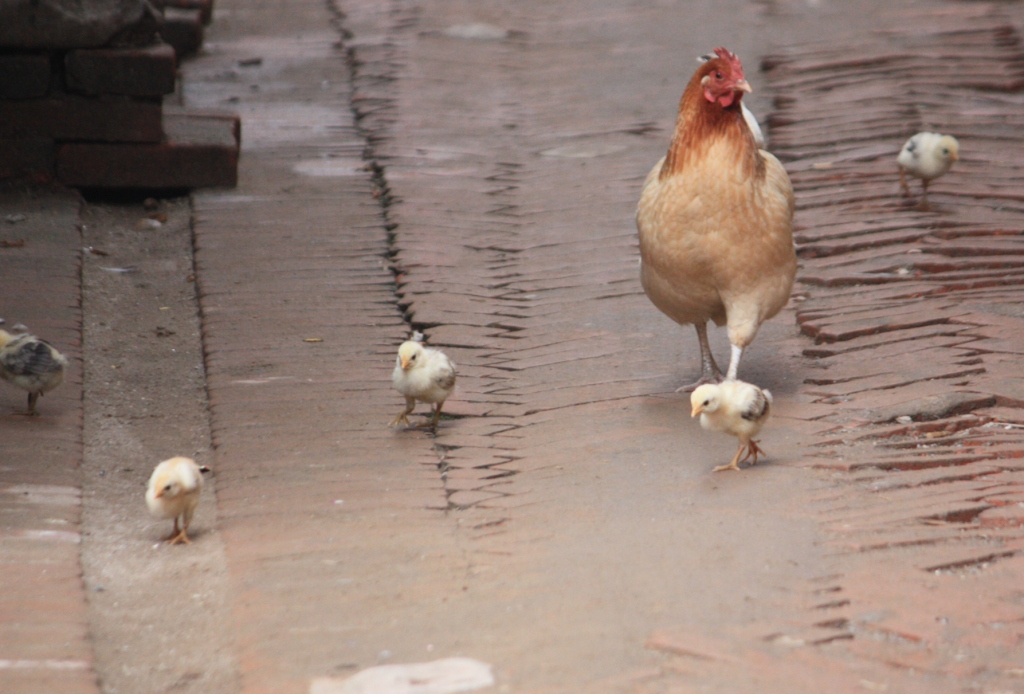
mama chicken
 struts with great confidence
  for one wrangling chicks.