“King Trisanku” by Henry Wadsworth Longfellow [w/ Audio]

Viswamitra the Magician,
By his spells and incantations,
Up to Indra's realms elysian
Raised Trisanku, king of nations.

Indra and the gods offended
Hurled him downward, and descending
In the air he hung suspended,
With these equal powers contending.

Thus by aspirations lifted,
By misgivings downward driven,
Human hearts are tossed and drifted
Midway between earth and heaven.

“Parting” [送别] by Wang Wei [王维] [w/ Audio]

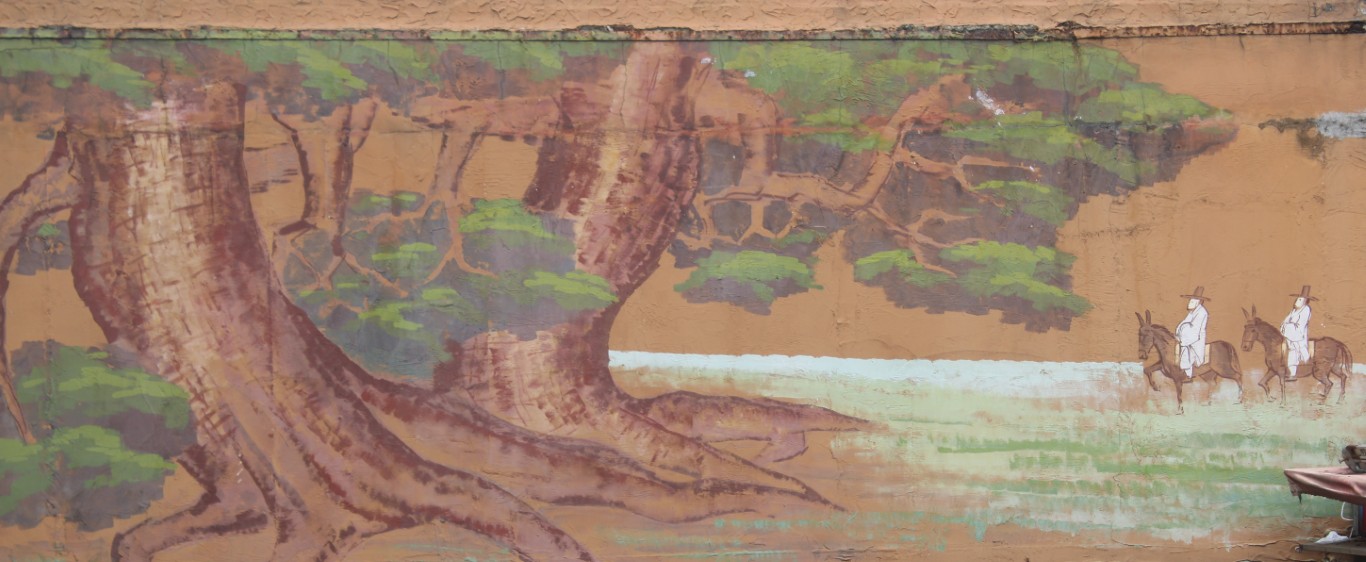
I dismount to share some booze, 
And ask the wayfarer where he goes.
Begrudgingly, and with discontent,
He says, "I'll rest up near South Mount."
He asks me to just leave him be.
White clouds cross vast skies - endlessly.

This is poem 13 in the 300 Tang Poems [唐诗三百首.] The original poem in Simplified Chinese is:

下马饮君酒, 问君何所之?
君言不得意, 归卧南山陲。
但去莫复问,白云无尽时。

“It might be lonlier” (405) by Emily Dickinson [w/ Audio]

It might be lonelier
Without the Loneliness —
I'm so accustomed to my Fate —
Perhaps the Other — Peace —

Would interrupt the Dark —
And crowd the little Room —
Too scant — by Cubits — to contain
The Sacrament — of Him —

I am not used to Hope —
It might intrude upon —
Its sweet parade — blaspheme the place —
Ordained to Suffering —

It might be easier
To fail — with Land in Sight —
Than gain — My Blue Peninsula —
To perish — of Delight —

“A face devoid of love or grace” (1711) by Emily Dickinson [w/ Audio]

A face devoid of love or grace,
A hateful, hard, successful face,
A face with which a stone
Would feel as thoroughly at ease
As were they old acquaintances —
First time together thrown.

“Inspired by Late Spring” by Ye Cai [w/ Audio]

Sparrows cast on my desk their shadows in pair,
And willow down falls in my inkstone here and there.
Sitting by the window, I read the Book of Change,
Not knowing when has Spring gone, I only feel strange.

Note: This is the joint translation of Xu Yuanchong and Xu Ming found in the Golden Treasury of Quatrains and Octaves (a Bilingual edition of 千家诗 “Thousands of Poems”) on which they collaborated (i.e. China Publishing Group: Beijing (2008) p. 40)

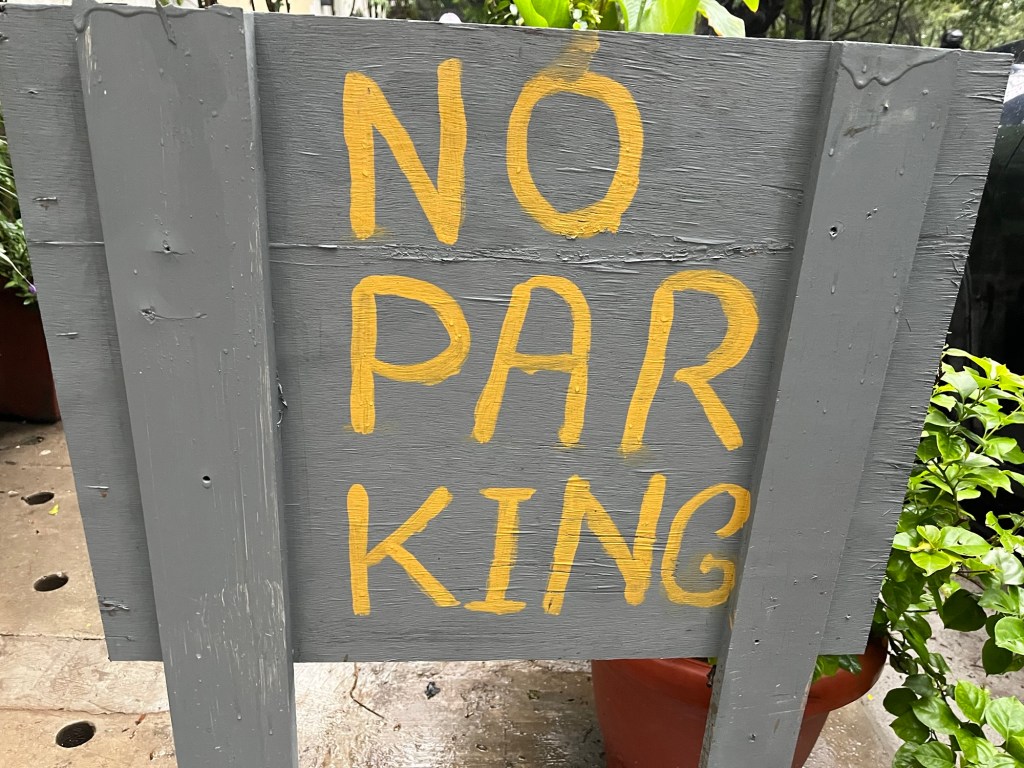
Syllables Matter [Lyric Poem]

Sometimes the syllables matter:
It meant to say, “Stow cars away
Someplace that is not here.”

But just one unfortunate break
Is all it takes to make it say:
“Middling Monarchs are Banned.”

“Fable” by Ralph Waldo Emerson [w/ Audio]

The mountain and the squirrel  
Had a quarrel;
And the former called the latter ‘Little Prig.’
Bun replied,
‘You are doubtless very big;
But all sorts of things and weather
Must be taken in together,
To make up a year
And a sphere.
And I think it no disgrace
To occupy my place.
If I'm not so large as you,
You are not so small as I,
And not half so spry.
I'll not deny you make
A very pretty squirrel track;
Talents differ; all is well and wisely put;
If I cannot carry forests on my back,
Neither can you crack a nut.’

“Could that sweet Darkness where they dwell” (1493) by Emily Dickinson [w/ Audio]

Could that sweet Darkness where they dwell
Be once disclosed to us
The clamor for their loveliness
Would burst the Loneliness —

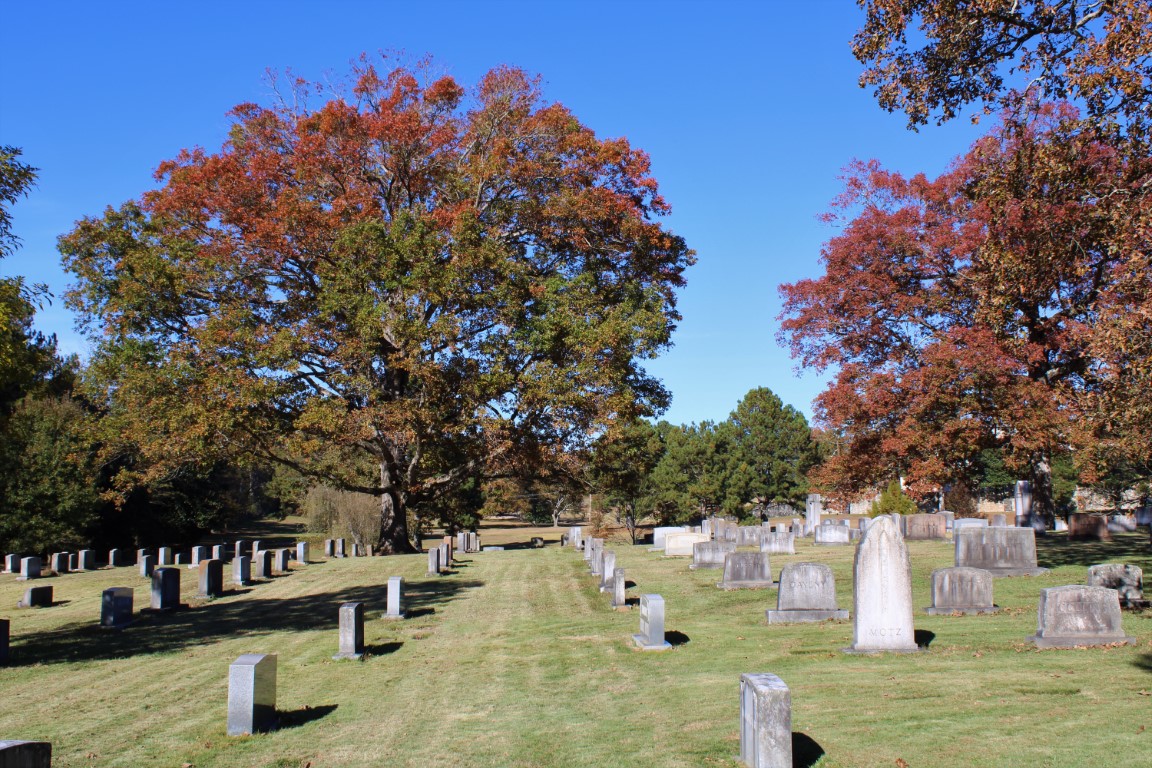
“Monody” by Herman Melville [w/ Audio]

To have known him, to have loved him
After loneness long;
And then to be estranged in life,
And neither in the wrong;
And now for death to set his seal—
Ease me, a little ease, my song!
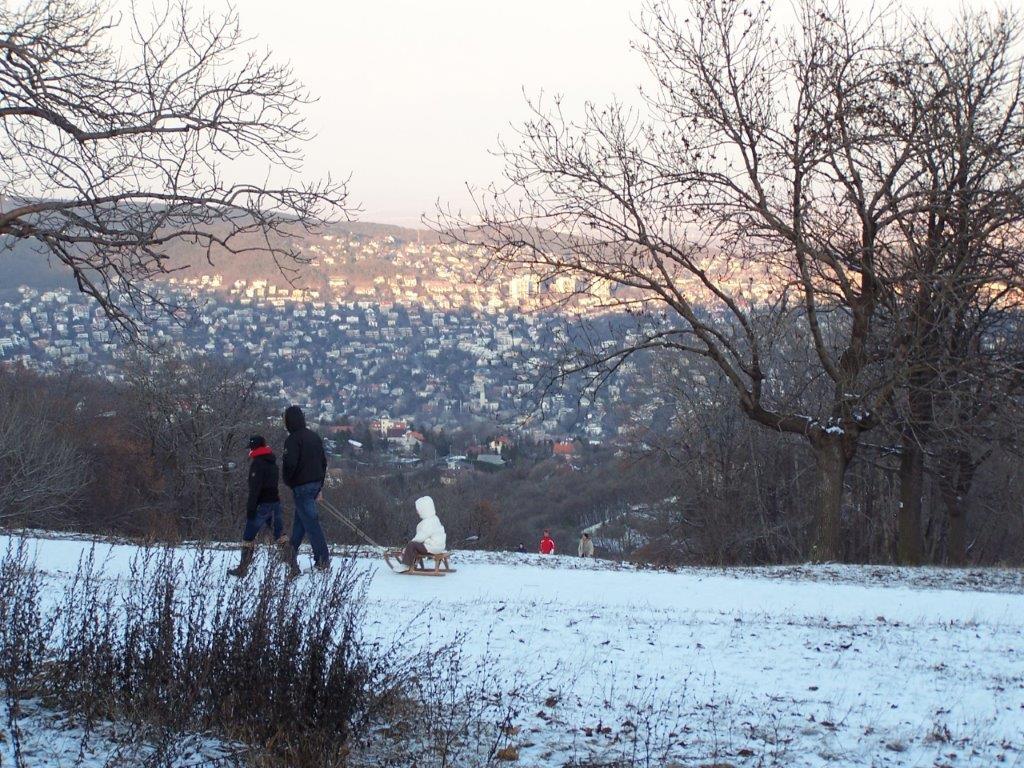
By wintry hills his hermit-mound
The sheeted snow-drifts drape,
And houseless there the snow-bird flits
Beneath the fir-trees’ crape:
Glazed now with ice the cloistral vine
That hid the shyest grape.

“Drinking Alone in the Rainy Season” by Tao Yuanming [陶渊明] (a.k.a. Táo Qián, or 陶潜]

Whatever lives must meet its end --
That is the way it has always been.

If Taoist immortals were once alive,
Where are they today?

The old man who gave me wine
Claimed it was the wine of the immortals.

One small cup and a thousand worries vanish;
Two, and you'll even forget about heaven.

But is heaven really so far away?
It is best to trust in the Tao.

A crane in the clouds has magic wings
To cross the earth in a moment.

It's been forty years of struggle
Since I first became reclusive.

Now that my body is nearly dead,
My heart is pure. What more is there to say?

NOTE: This is the translation of Sam Hamill found in The Poetry of Zen (2004); Shambhala Publications: Boston, MA, p.24.