“Fluid” [Poetry Style #24] by Sikong Tu [w/ Audio]

Like water spilling over rocks?
Like a bead's roll across the floor?
Cliches, they fail to tell the story,
As no doll shows life's splendor.
But the Earth' unsupported spin through space,
As the heaven's pivot and sprawl for more...
If you could find how it all began,
You'd see it'll be as it was before.
The high and bright realm of the gods
Returns to nothing and nevermore.
And if you lived ten-thousand years,
You might find yourself in days of yore.

NOTE: The late Tang Dynasty poet, Sikong Tu (a.k.a. Ssŭ-k‘ung T‘u,) wrote an ars poetica entitled Twenty-Four Styles of Poetry. It presents twenty-four poems that are each in a different tone, reflecting varied concepts from Taoist philosophy and aesthetics. Above is a translation of the twenty-fourth of the twenty-four poems. This poem has been alternately titled “The Flowing Style,” “Fluid,” “Motion,” etc. by varied translators from its Chinese title of 流动.

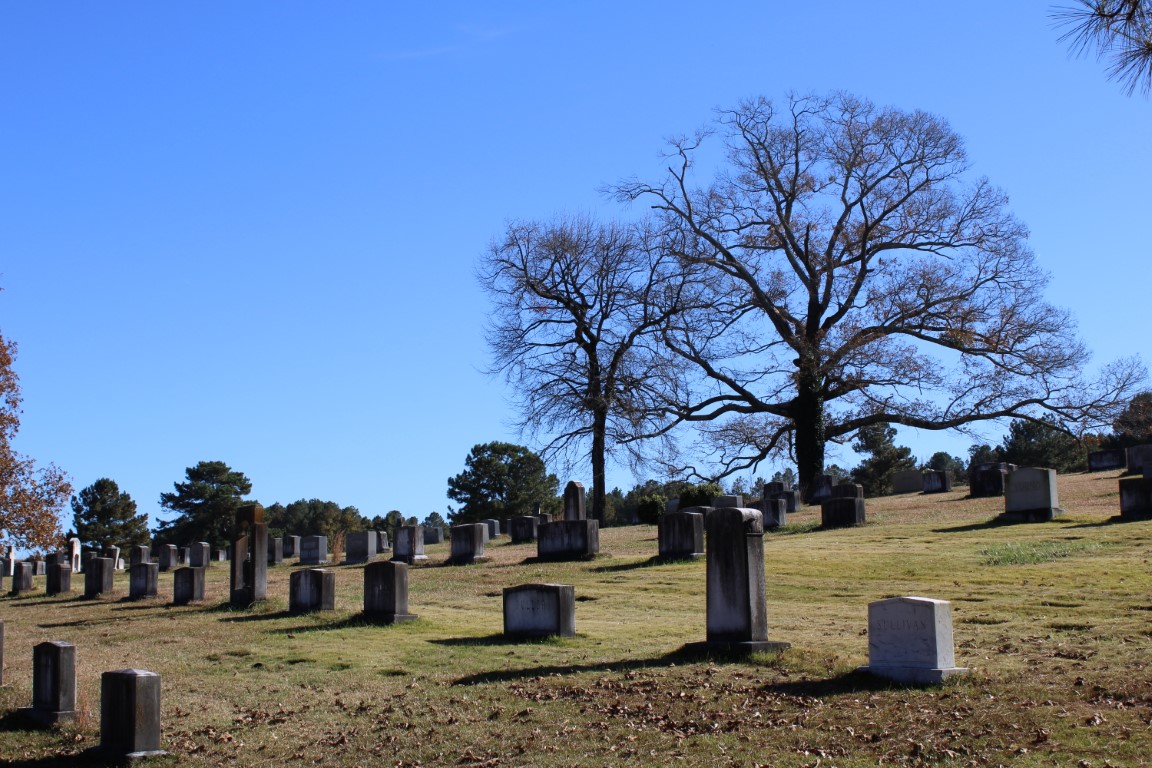
“The Knight’s Tomb” by Samuel Taylor Coleridge [w/ Audio]

Where is the grave of Sir Arthur O'Kellyn?
Where may the grave of that good man be? --
By the side of a spring, on the breast of Helvellyn,
Under the twigs of a young birch tree!
The oak that in summer was sweet to hear,
And rustled its leaves in the fall of the year,
And whistled and roared in the winter alone,
Is gone, -- and the birch in its stead has grown. --
The Knight's bones are dust,
And his good sword rust; --
His soul is with the saints, I trust.

“A Coat” by William Butler Yeats [w/ Audio]

I made my song a coat
Covered with embroideries
Out of old mythologies
From heel to throat;
But the fools caught it,
Wore it in the world's eyes
As though they'd wrought it.
Song, let them take it
For there's more enterprise
In walking naked.

Sonnet 24 by William Shakespeare [w/ Audio]

Mine eye hath play'd the painter and hath stell'd
Thy beauty's form in table of my heart;
My body is the frame wherein 'tis held,
And perspective it is best the painter's art.
For through the painter must you see his skill
To find where your true image pictur'd lies,
Which in my bosom's shop is hanging still,
That hath his windows glazed with thine eyes.
Now see what good turns eyes for eyes have done:
Mine eyes have drawn thy shape, and thine for me
Are windows to my breast, wherethrough the sun
Delights to peep, to gaze therein on thee.
Yet eyes this cunning want to grace their art;
They draw but what they see, know not the heart.

“Goose Chant” by Luo Binwang [w/ Audio]

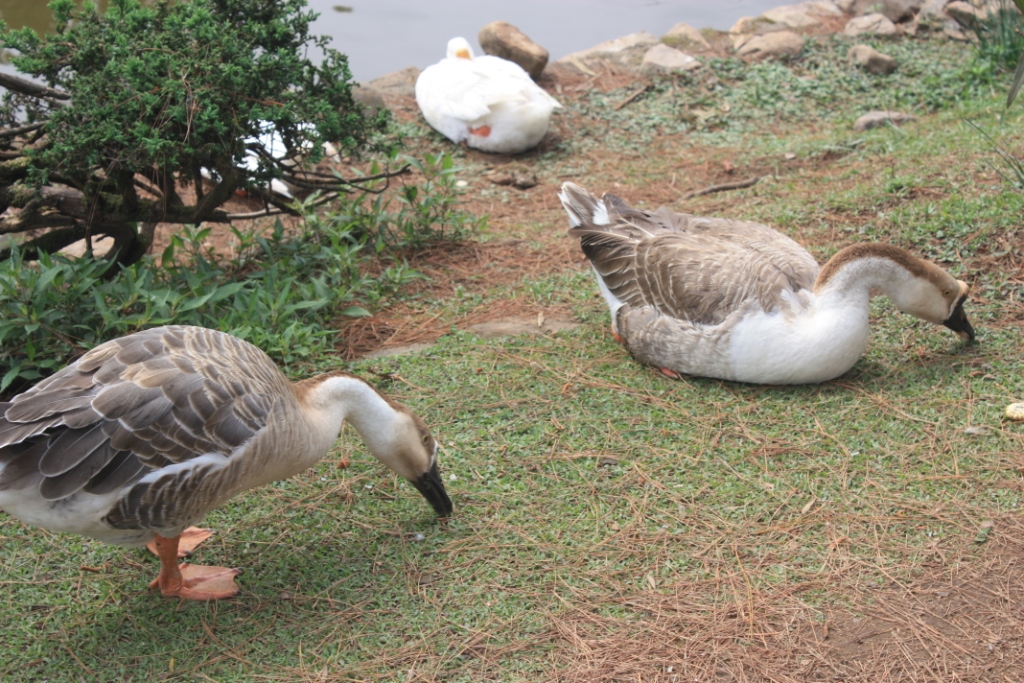
Goose, Goose, Goose,
Look skyward and let your song loose.
White feathers float on the green lake
As red feet paddle through clear waves.

NOTE: This poem’s title is often translated as “An Ode to the Goose” but the Chinese title 咏鹅 (Yǒng é) is “Chant[ing] Goose.”

“Feeling for the Farmers” by Li Shen [w/ Audio]

Hoeing farmer, as heat haze roils,
His flowing sweat waters the soil.
All those who know food on a plate
Should feel each grain comes of that toil.

NOTE: The title of this poem (悯农, or Mǐn Nóng) is often translated as “Toiling Farmers,” though “Compassion for Farmers” or “Pity Farmers” would be closer to the literal translation.

“Abstract” [Poetry Style #22] by Sikong Tu [w/ Audio]

Lonely and longing to travel;
All alone and lacking a tribe.
Like the crane up on the mountain,
Or the cloud that enshrouds its peak.
Like the portraits painted by past
Masters, of souls you couldn't have known.
Like a leaf drifting on swift winds,
Bounding through the boundless spaces.
You'll never be able to hold it,
But can hear the song it dances to,
Those who accept this can tune in,
And the signal will only get stronger.

NOTE: The late Tang Dynasty poet, Sikong Tu (a.k.a. Ssŭ-k‘ung T‘u,) wrote an ars poetica entitled Twenty-Four Styles of Poetry. It presents twenty-four poems that are each in a different tone, reflecting varied concepts from Taoist philosophy and aesthetics. Above is a translation of the twenty-second of the twenty-four poems. This poem has been alternately titled “Abstraction,” “Elegance,” and “Drifting Aloof” by varied translators, but its original title is 飘逸.

“Gitanjali 7” by Rabindranath Tagore [w/ Audio]

My song has put off her adornments.
She has no pride of dress and decoration.
Ornaments would mar our union;
they would come between thee and me;
their jingling would drown thy whispers.

My poet's vanity dies in shame before thy sight.
O master poet, I have sat down at thy feet.
Only let me make my life simple and straight,
like a flute of reed for thee to fill with music.

NOTE: This poem is sometimes titled, “My song has put off her adornments,” or – simply – Song VII.

“Acquainted with the Night” by Robert Frost [w/ Audio]

I have been one acquainted with the night.
I have walked out in rain -- and back in rain.
I have outwalked the furthest city light.

I have looked down the saddest city lane.
I have passed by the watchman on his beat
And dropped my eyes, unwilling to explain.

I have stood still and stopped the sound of feet
When far away an interrupted cry
Came over houses from another street,

But not to call me back or say good-bye;
And further still at an unearthly height,
One luminary clock against the sky

Proclaimed the time was neither wrong nor right.
I have been one acquainted with the night.

“Ascending Happiness Plateau” by Li Shangyin [w/ Audio]

At day's end, feeling ill-at-ease,
Riding a cart to the plateau.
The setting sun fires glorious skies,
But a yellow dusk is coming.