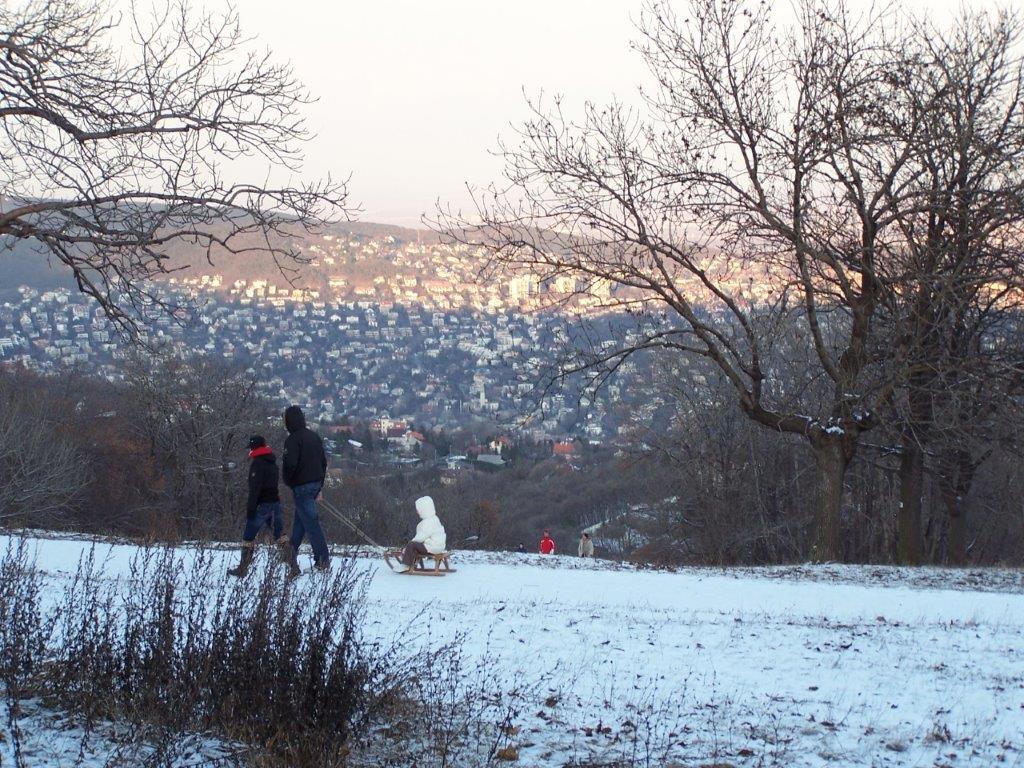
I counted till they danced so
   Their slippers leaped the town --
 And then I took a pencil
   To note the rebels down --
 And then they grew so jolly
   I did resign the prig --
 And ten of my once stately toes
   Are marshalled for a jig!

I counted till they danced so
Their slippers leaped the town --
And then I took a pencil
To note the rebels down --
And then they grew so jolly
I did resign the prig --
And ten of my once stately toes
Are marshalled for a jig!
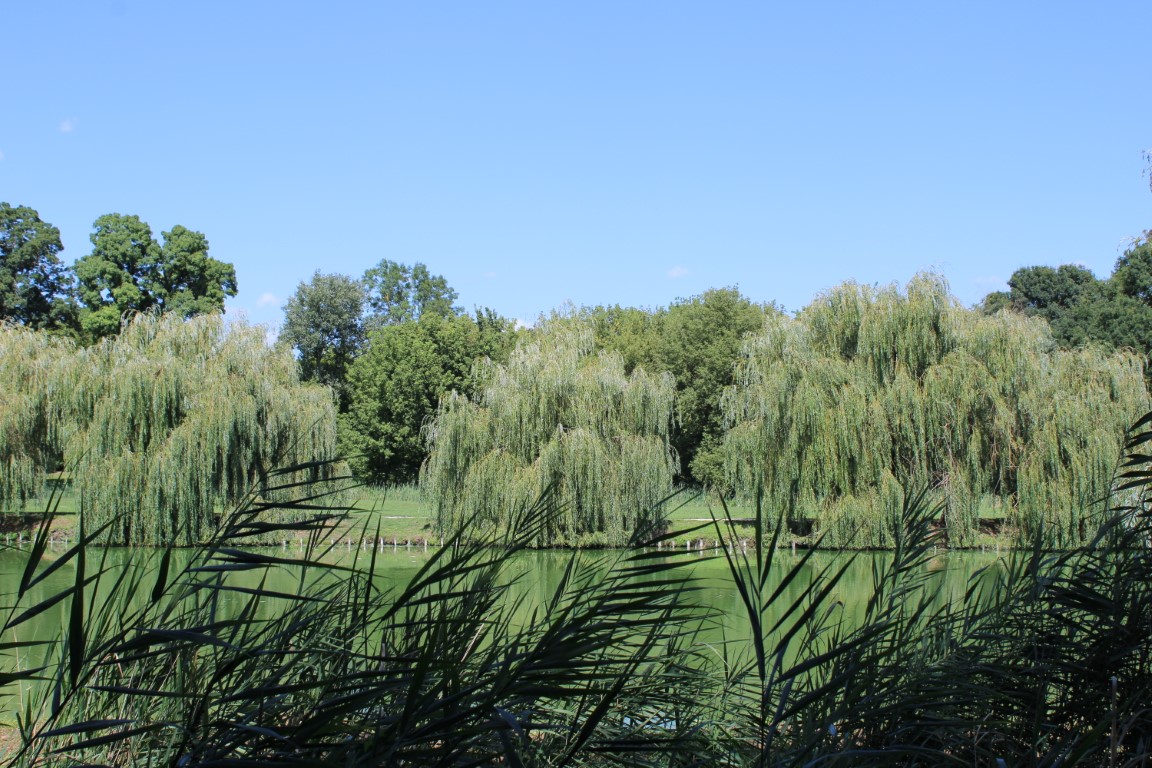
All wish to return,
   Hoping others will come:
 A clear water ride
 Where strange flowers bud,
   And lime-green parrots fly
   The willows, to and from --
 The mountain folk arrive
   Deep bowls fill with wine...
 To take a life beyond
   And not end in ash,
   But still be of nature;
 Who's up to that task?
NOTE: The late Tang Dynasty poet, Sikong Tu (a.k.a. Ssŭ-k‘ung T‘u,) wrote an ars poetica entitled Twenty-Four Styles of Poetry. It presents twenty-four poems that are each in a different tone, reflecting varied concepts from Taoist philosophy and aesthetics. Above is a crude translation of the thirteenth of the twenty-four poems. This poem’s Chinese title is 精神, and it has been translated as: “Essential,” “Animal Spirits,” and “Spirit.”
(For Alain Loch)
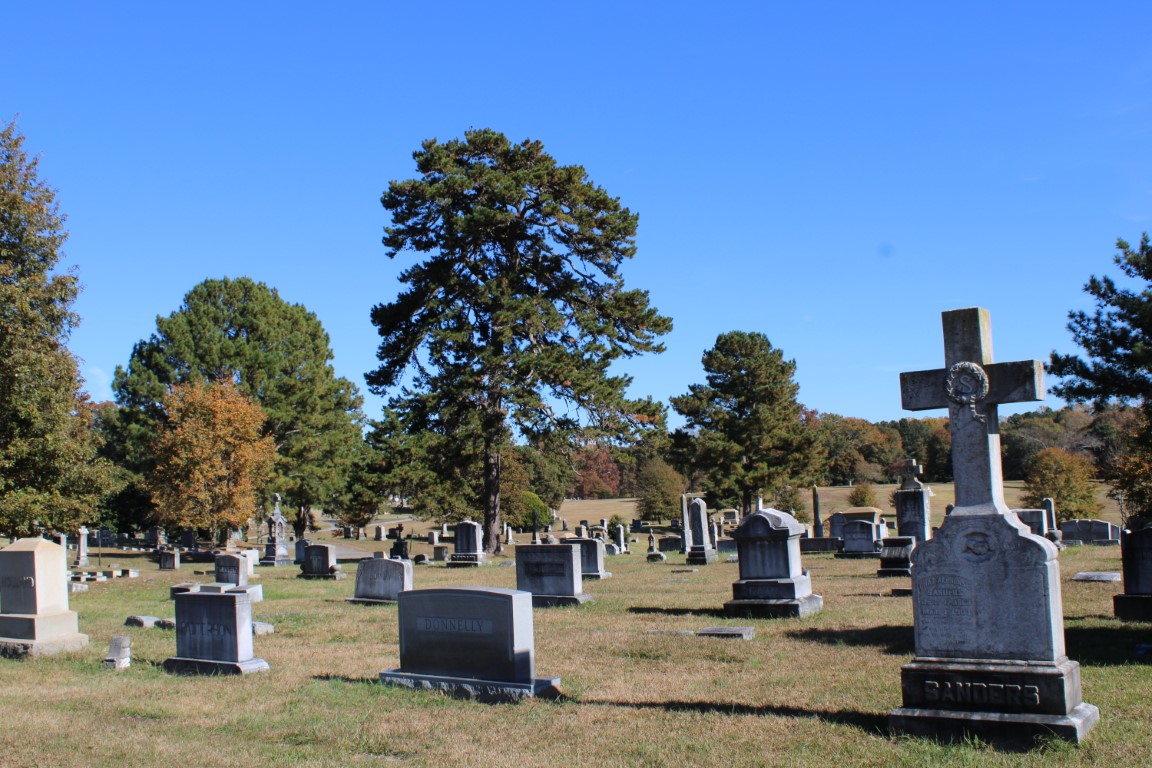
Dead men are wisest, for they know
 How far the roots of flowers go,
 How long a seed must rot to grow.

Dead men alone bear frost and rain
 On throbless heart and heatless brain,
 And feel no stir of joy or pain.

Dead men alone are satiate;
 They sleep and dream and have no weight,
 To curb their rest, of love or hate.

Strange, men should flee their company,
 Or think me strange who long to be
 Wrapped in their cool immunity.
Forever -- is composed of Nows --
   'Tis not a different time --
 Except for Infiniteness --
   And Latitude of Home --

From this -- experienced Here --
   Remove the Dates -- to These --
 Let Months dissolve in further Months --
   And Years -- exhale in Years --

Without Debate -- or Pause --
   Or Celebrated Days --
 No different Our Years would be
   From Anno Dominies --
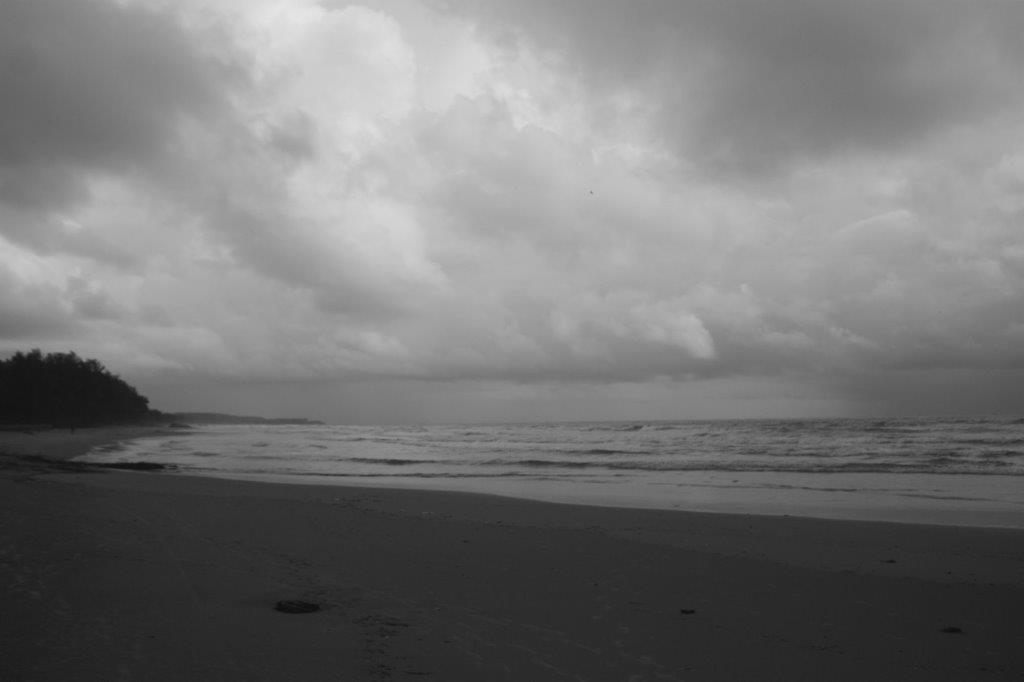
It was many and many a year ago,
   In a kingdom by the sea,
 That a maiden there lived whom you may know
   By the name of Annabel Lee;
 And this maiden she lived with no other thought
   Than to love and be loved by me.

I was a child and she was a child,
   In this kingdom by the sea,
 But we loved with a love that was more than love --
   I and my Annabel Lee --
 With a love that the winged seraphs of Heaven
   Coveted her and me.

And this was the reason that, long ago,
   In this kingdom by the sea,
A wind blew out of a cloud, chilling
   My beautiful Annabel Lee;
So that her highborn kinsman came
   And bore her away from me,
 To shut her up in a sepulchre
    In this kingdom by the sea.

The angels, not half so happy in Heaven,
   Went envying her and me ---
 Yes! -- that was the reason (as all men know,
   In this kingdom by the sea)
 That the wind came out of the cloud by night,
   Chilling and killing my Annabel Lee.

But our love it was stronger by far than the love
   Of those who were older than we --
   Of many far wiser than we --
 And neither the angels in Heaven above
   Nor the demons down under the sea
 Can ever dissever my soul from the soul
   Of the beautiful Annabel Lee;

For the moon never beams, without bringing me dreams
   Of the beautiful Annabel Lee;
 And the stars never rise, but I feel the bright eyes
   Of the beautiful Annabel Lee;
 And so, all the night-tide, I lie down by the side
   Of my darling -- my darling -- my life and my bride,
   In her sepulchre there by the sea --
   In her tomb by the sounding sea.
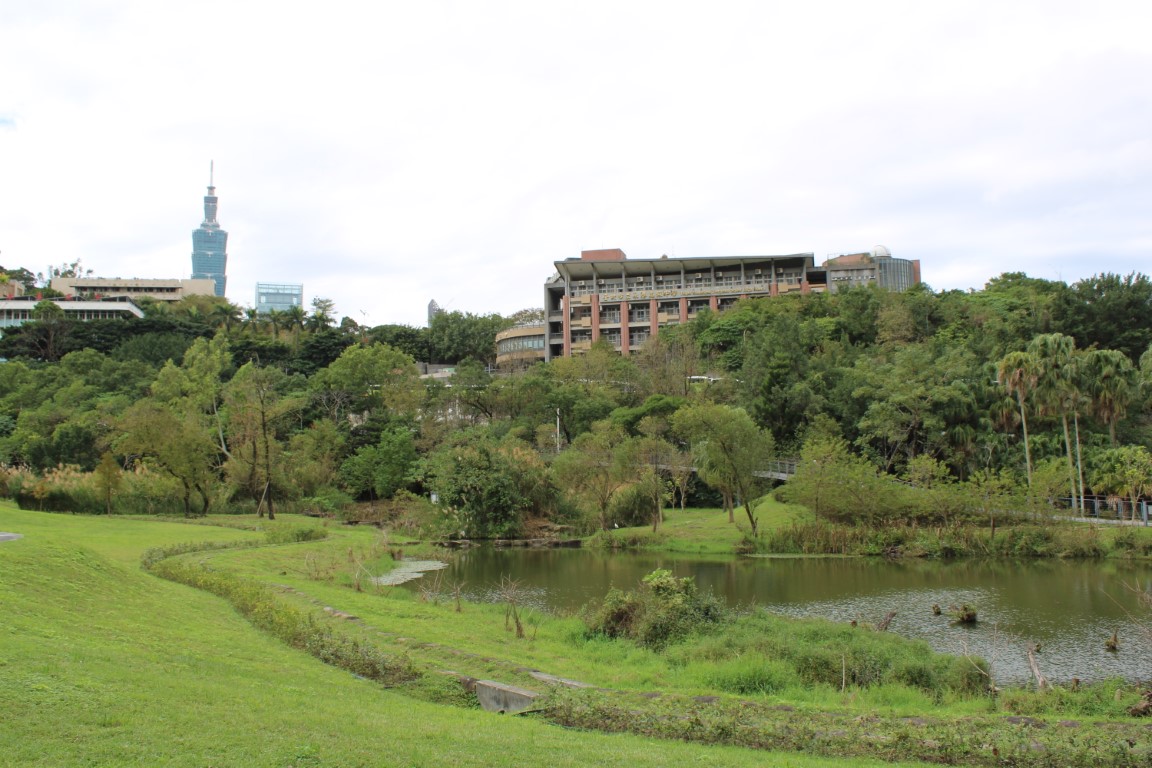
Parks and ponds are good by day;
   I do not delight
   In black acres of the night,
 Nor my unseasoned step disturbs
 The sleeps of trees or dreams of herbs.
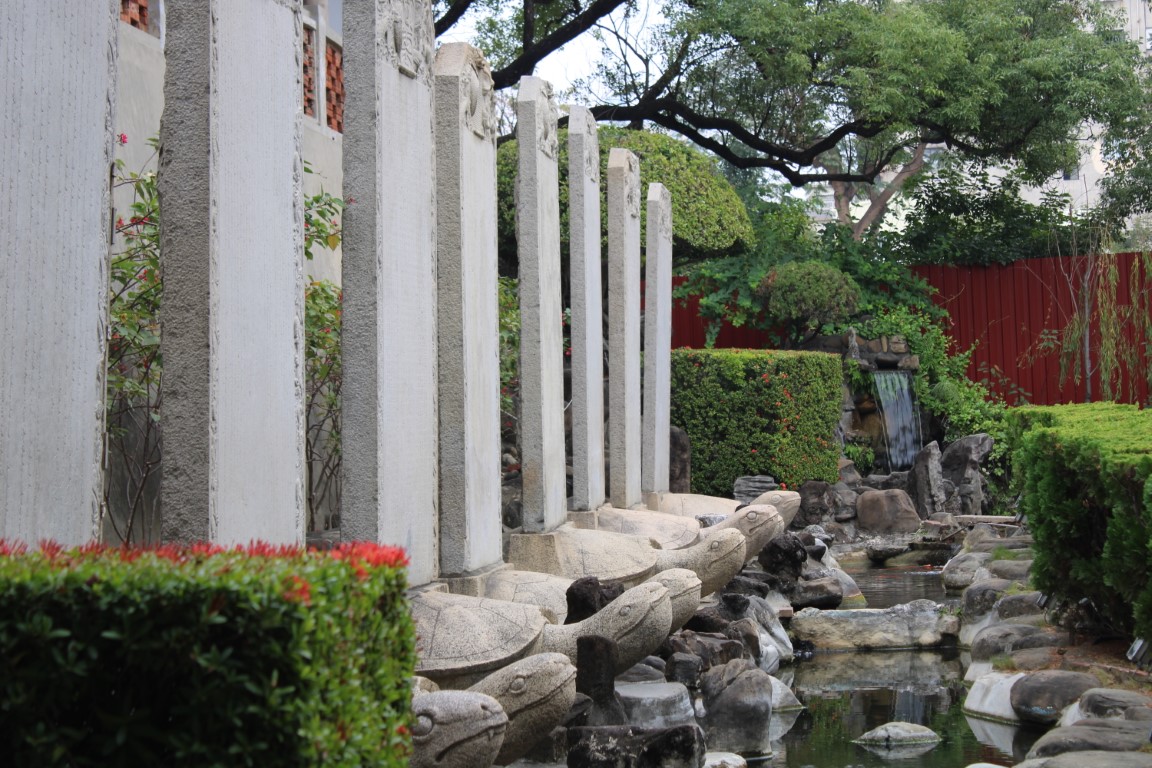
View flowers like a bandit;
  Let nature flow through you,
  Breathing in the Great Way
  As you let your crazy brew.
 Wander like the free winds --
  Sea and mountain in gray-blue.
  Feel true power overflow,
  As all nature lives through you.
 Before: sun, moon, and stars;
  Behind: the one from two.
  By dawn, sea turtles have gone,
  Soak your feet where they withdrew.
NOTE: The late Tang Dynasty poet, Sikong Tu (a.k.a. Ssŭ-k‘ung T‘u,) wrote an ars poetica entitled Twenty-Four Styles of Poetry. It presents twenty-four poems that are each in a different tone, reflecting varied concepts from Taoist philosophy and aesthetics. Above is a crude translation of the eleventh of the twenty-four poems. This poem’s Chinese title is 豪放, which has been translated to “Free,” “Set Free,” and “Broad-minded” in various English language translations.
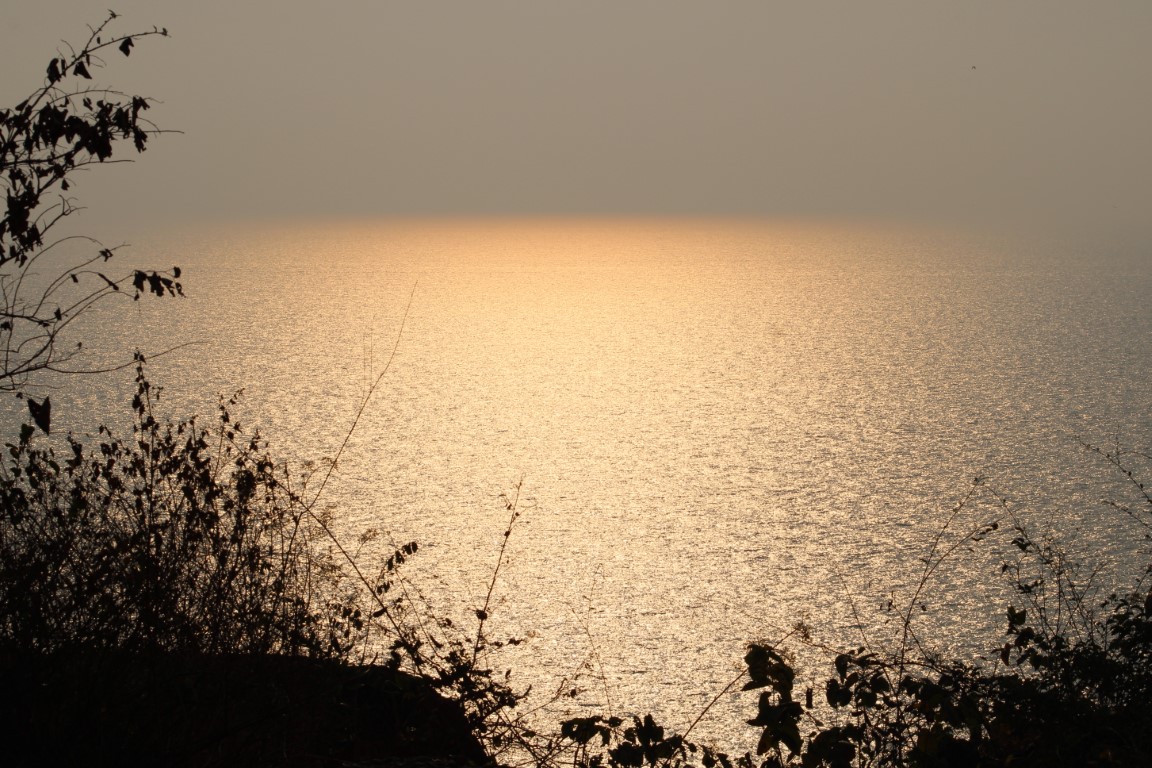
I saw a man pursuing the horizon;
 Round and round they sped.
 I was disturbed at this;
 I accosted the man.
 "It is futile," I said,
 "You can never ---"

"You lie," he cried,
 And ran on.
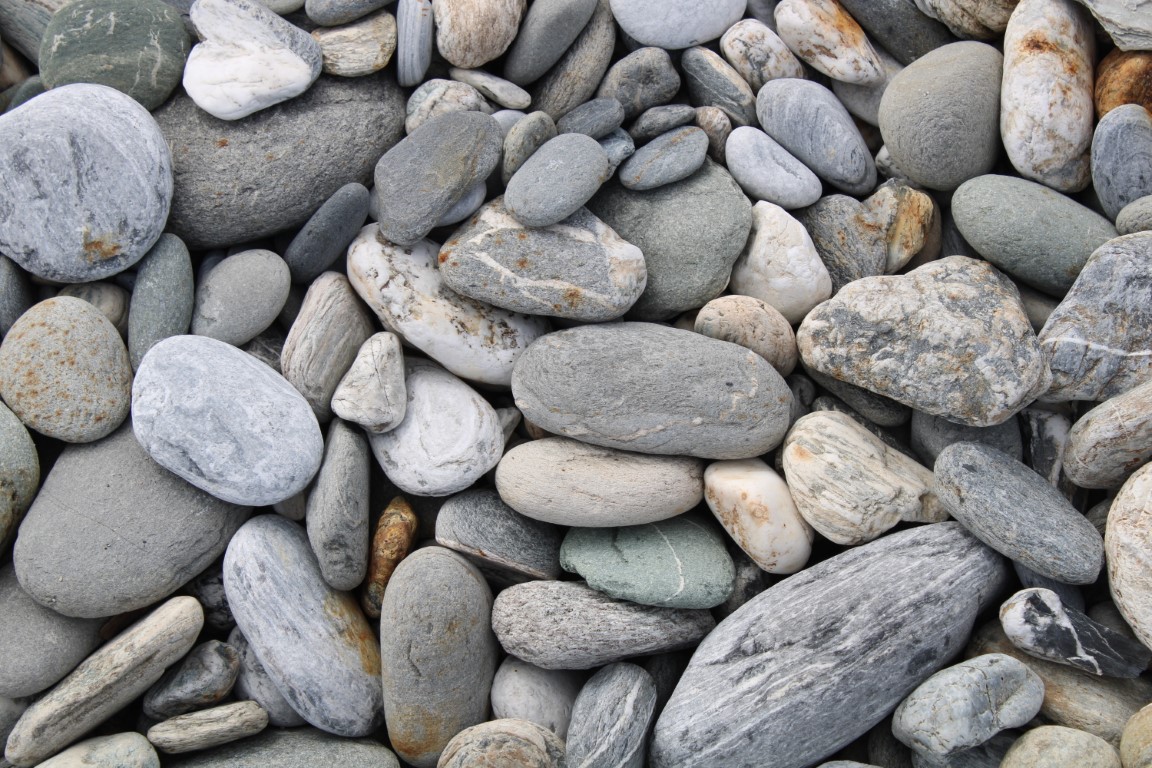
"Love seeketh not itself to please,
   Nor for itself hath any care,
 But for another gives its ease,
   And builds a Heaven in Hell's despair."

So sung a little Clod of Clay
   Trodden with the cattle's feet,
 But a Pebble of the brook
   Warbled out these metres meet:

"Love seeketh only self to please,
   To bind another to its delight,
 Joys in another's loss of ease,
    And builds a Hell in Heaven's despite."
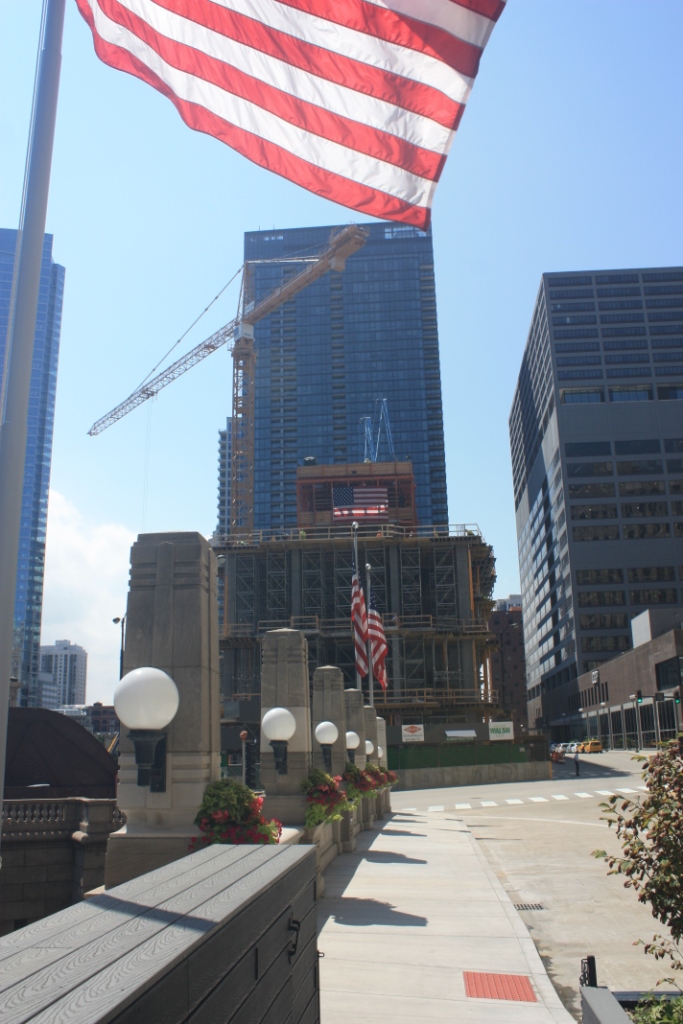
Long, too long America,
 Traveling roads all even and peaceful you learn'd from joys and prosperity only,
 But now, ah now, to learn from crises of anguish, advancing, grappling with direst fate and recoiling not,
 And now to conceive and show to the world what your children en-masse really are,
 (For who except myself has yet conceiv'd what your children en-masse really are?)


 Tiger Riding for Beginners