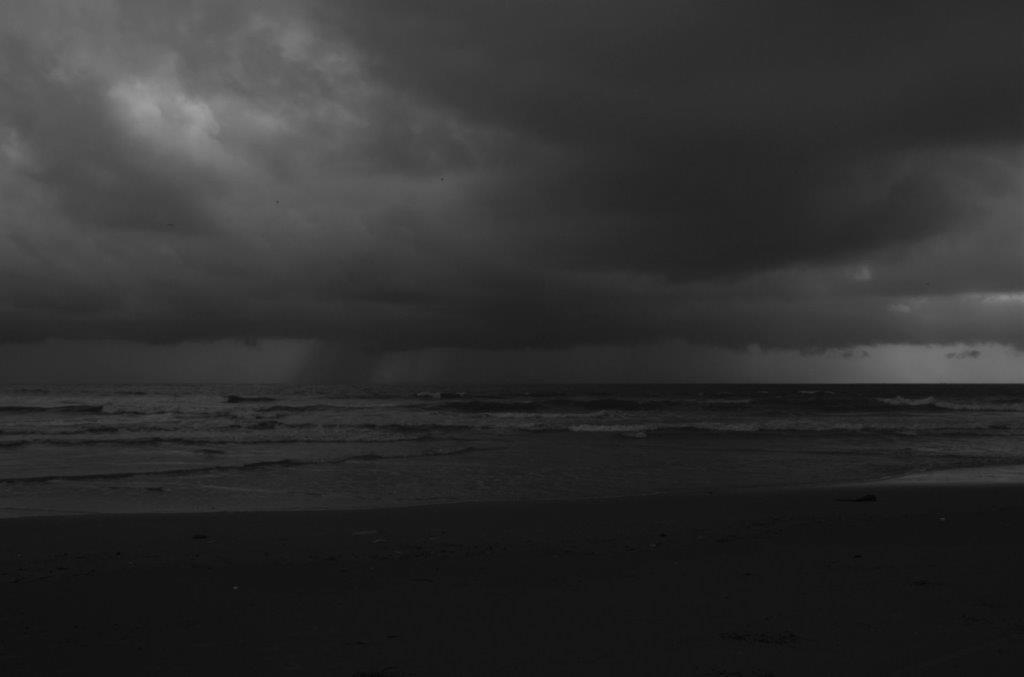
Should the wide world roll away
   Leaving black terror
   Limitless night,
 Nor God, nor man, nor place to stand
   Would be to me essential
 If thou and thy white arms were there
   And the fall to doom a long way.

Should the wide world roll away
Leaving black terror
Limitless night,
Nor God, nor man, nor place to stand
Would be to me essential
If thou and thy white arms were there
And the fall to doom a long way.
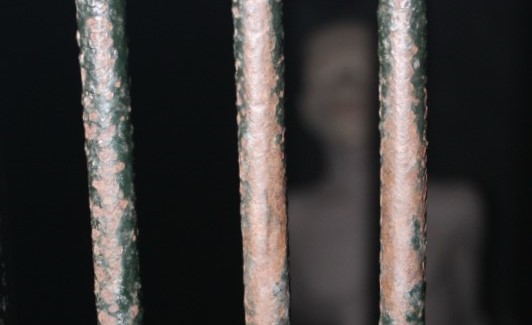
Listless he eyes the palisades
   And sentries in the glare;
 'Tis barren as a pelican-beach --
   But his world is ended there.

Nothing to do; and vacant hands
   Bring on the idiot-pain;
 He tries to think -- to recollect,
   But the blur is on his brain.

Around him swarm the plaining ghosts
   Like those on Virgil's shore --
 A wilderness of faces dim,
   And pale ones gashed and hoar.

A smiting sun. No shed, no tree;
   He totters to his lair --
 A den that sick hands dug in earth
   Ere famine wasted there,

Or, dropping in his place, he swoons,
   Walled in by throngs that press,
 Till forth from the throngs they bear him
   dead --
      Dead in his meagerness.
Ah, make nature your home;
  Be true and be unchained.
  Enrichment by control
  Can never be sustained.
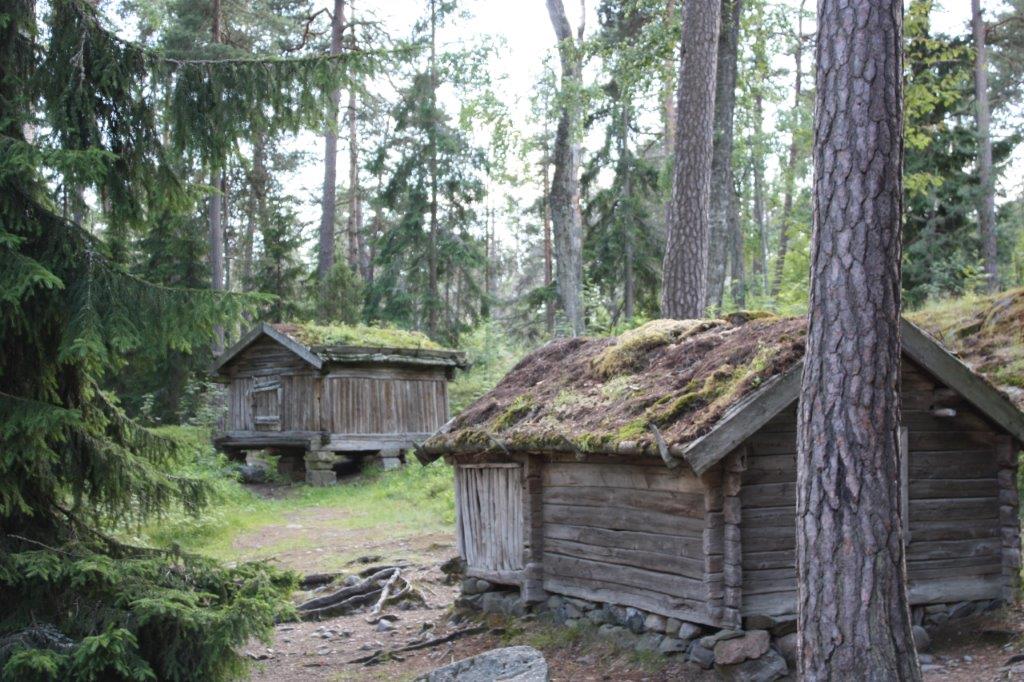
 Build your hut in the pines:
  Toss your hat and read verse.
  Know the dawn from the dusk,
  But not time -- cradle to hearse.
 If your life suits you well
  Why must you strive and strain?
 If you're unbound as sky,
  This style you have attained.
NOTE: The late Tang Dynasty poet, Sikong Tu (a.k.a. Ssŭ-k‘ung T‘u,) wrote an ars poetica entitled Twenty-Four Styles of Poetry. It presents twenty-four poems that are each in a different tone, reflecting varied concepts from Taoist philosophy and aesthetics. Above is a crude translation of the fifteenth of the twenty-four poems. This poem’s Chinese title is 疏野 and it has been translated as “Seclusion” [Giles,] “The Carefree and Wild Style” [Barnstone / Ping,] as well as, “Unrestricted,” “Seclusion,” and “Sparse Wilderness.”
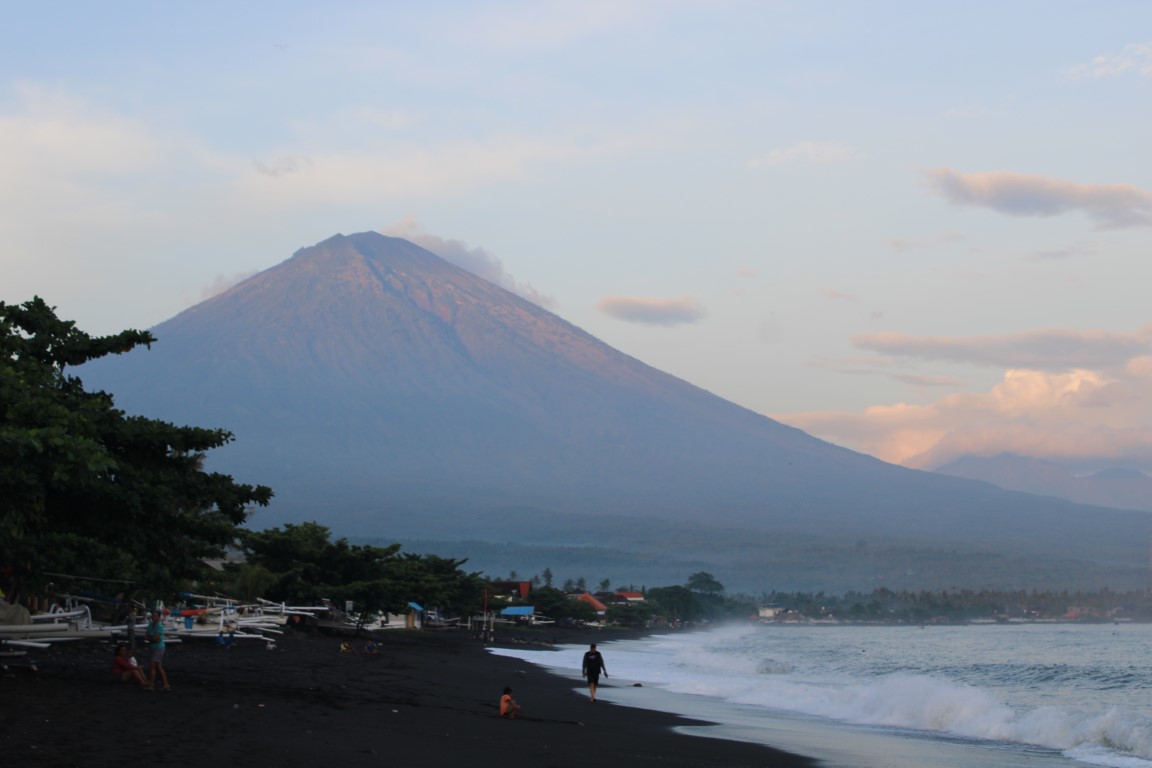
I have never seen "Volcanoes" --
   But, when Travellers tell
 How those old -- phlegmatic mountains
   Usually so still --

Bear within -- appalling Ordnance,
   Fire, and smoke, and gun,
 Taking Villages for breakfast,
   And appalling Men --

If the stillness is Volcanic
   In the human face
 When upon a pain Titanic
   Features keep their place --

If at length the smouldering anguish
   Wil not overcome ---
 And the palpitating Vineyard
   In the dust, be thrown?

If some loving Antiquary,
   On Resumption Morn,
 Will not cry with joy "Pompeii"!
   To the Hills return!
In placid hours well-pleased we dream
 Of many a brave unbodied scheme.
 But form to lend, pulsed life create,
 What unlike things must meet and mate:
 A flame to melt -- a wind to freeze;
 Sad patience -- joyous energies;
 Humility -- yet pride and scorn;
 Instinct and study; love and hate;
 Audacity -- reverence. These must mate,
 And fuse with Jacob's mystic heart,
 To wrestle with the angel -- Art.
Dawn rain has washed the city of its dust;
  The refreshed hotel willows tremble in a gust.
 My friendly advice, you dry up another glass,
  You have no acquaintance beyond The Jade Gate Pass.
Men say they know many things;
 But lo! they have taken wings, --
 The arts and sciences,
 And a thousand appliances;
   The wind that blows
   Is all that any body knows.
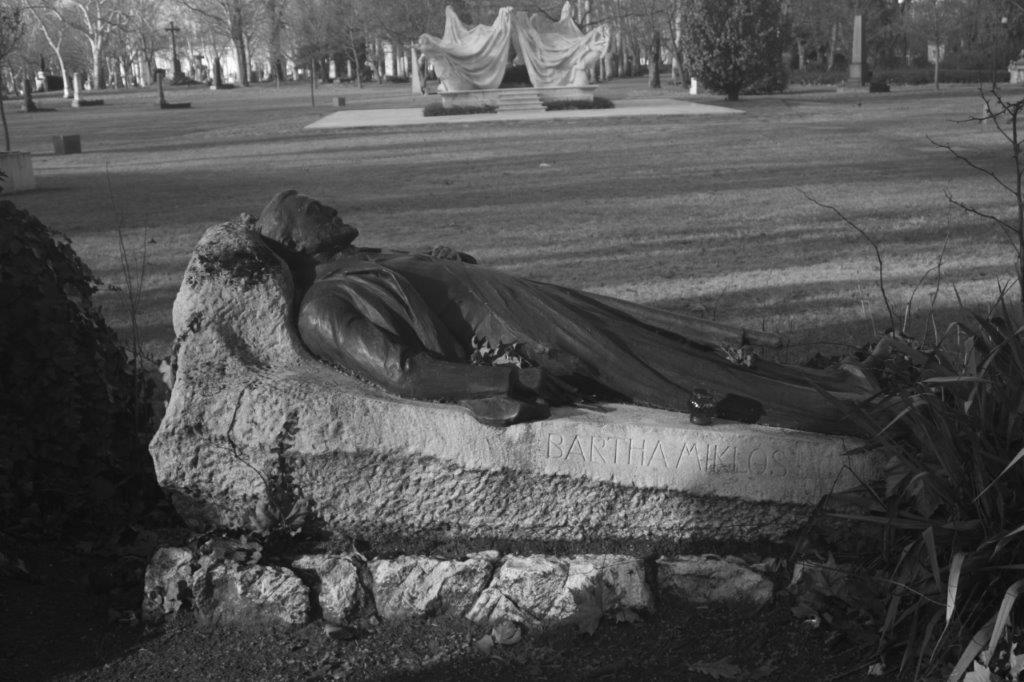
A slumber did my spirit seal;
   I had no human fears:
 She seemed a thing that could not feel
   The touch of earthly years.

No motion has she now, no force;
   She neither hears nor sees;
 Rolled round in earth's diurnal course,
   With rocks, and stones, and trees.
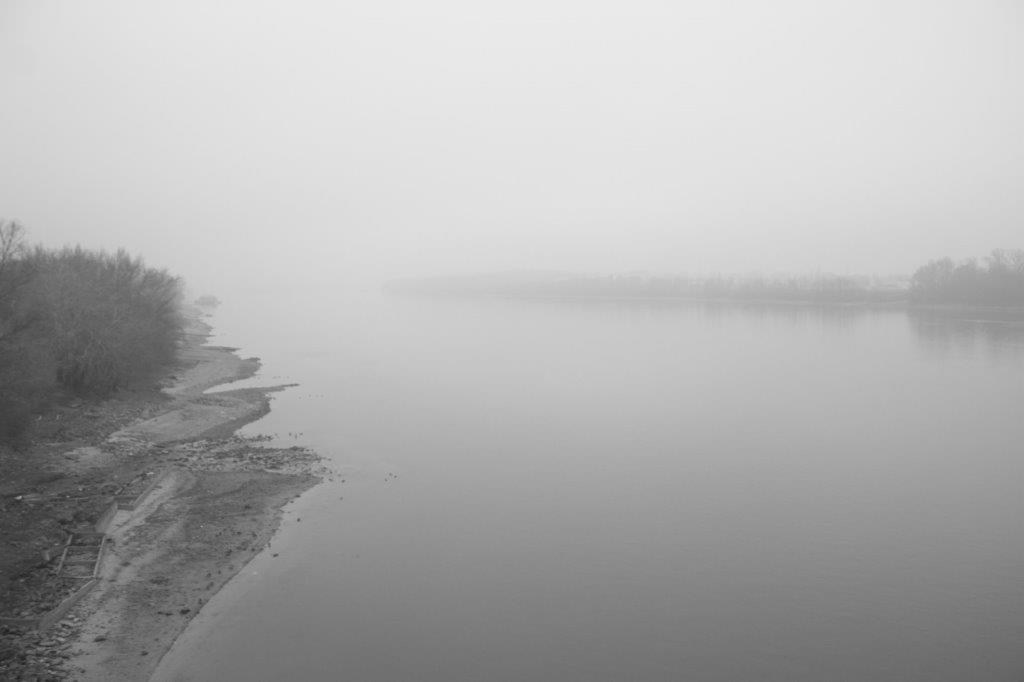
A cold rain blurs the edges of the river.
 Night enters Wu.
 In the level brightness of dawn
 I saw my friend start alone for the Ch'u mountain.
  I gave him this message for my friends and relations:
  My heart is a piece of ice in a jade cup.
This is the Amy Lowell translation of a poem by Tang Dynasty Poet, Wang Changling (王昌齡) --a.k.a. Shaobo (少伯)
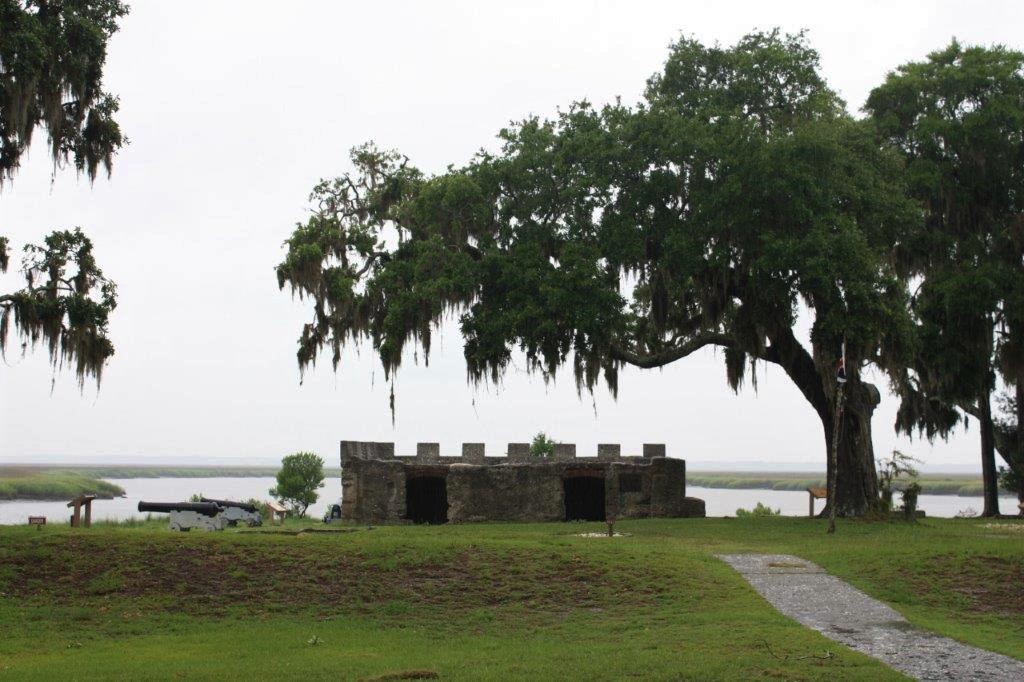
I saw in Louisiana a live-oak growing,
 All alone stood it and the moss hung down
   from the branches,
 Without any companion it grew there
   uttering joyous leaves of dark green,
 And its look, rude, unbending, lusty, made
   me think of myself,
 But I wonder'd how it could utter joyous
   leaves standing alone there without its
   friend near, for I knew I could not,
 And I broke off a twig with a certain
   number of leaves upon it, and twined
   around it a little moss,
 And brought it away, and I have placed it in
   sight in my room,
 It is not needed to remind me as of my own
   dear friends,
 (For I believe lately I think of little else than
   of them,)
 Yet it remains to me a curious token, it
   makes me think of manly love;
 For all that, and though the live-oak glistens
   there in Louisiana solitary in a wide flat
   space,
 Uttering joyous leaves all its life without a
   friend a lover near,
 I know very well I could not.


