It was many and many a year ago,
   In a kingdom by the sea,
 That a maiden there lived whom you may know
   By the name of Annabel Lee;
 And this maiden she lived with no other thought
   Than to love and be loved by me.

I was a child and she was a child,
   In this kingdom by the sea,
 But we loved with a love that was more than love --
   I and my Annabel Lee --
 With a love that the winged seraphs of Heaven
   Coveted her and me.

And this was the reason that, long ago,
   In this kingdom by the sea,
A wind blew out of a cloud, chilling
   My beautiful Annabel Lee;
So that her highborn kinsman came
   And bore her away from me,
 To shut her up in a sepulchre
    In this kingdom by the sea.

The angels, not half so happy in Heaven,
   Went envying her and me ---
 Yes! -- that was the reason (as all men know,
   In this kingdom by the sea)
 That the wind came out of the cloud by night,
   Chilling and killing my Annabel Lee.

But our love it was stronger by far than the love
   Of those who were older than we --
   Of many far wiser than we --
 And neither the angels in Heaven above
   Nor the demons down under the sea
 Can ever dissever my soul from the soul
   Of the beautiful Annabel Lee;

For the moon never beams, without bringing me dreams
   Of the beautiful Annabel Lee;
 And the stars never rise, but I feel the bright eyes
   Of the beautiful Annabel Lee;
 And so, all the night-tide, I lie down by the side
   Of my darling -- my darling -- my life and my bride,
   In her sepulchre there by the sea --
   In her tomb by the sounding sea.
View flowers like a bandit;
  Let nature flow through you,
  Breathing in the Great Way
  As you let your crazy brew.
 Wander like the free winds --
  Sea and mountain in gray-blue.
  Feel true power overflow,
  As all nature lives through you.
 Before: sun, moon, and stars;
  Behind: the one from two.
  By dawn, sea turtles have gone,
  Soak your feet where they withdrew.
NOTE: The late Tang Dynasty poet, Sikong Tu (a.k.a. Ssŭ-k‘ung T‘u,) wrote an ars poetica entitled Twenty-Four Styles of Poetry. It presents twenty-four poems that are each in a different tone, reflecting varied concepts from Taoist philosophy and aesthetics. Above is a crude translation of the eleventh of the twenty-four poems. This poem’s Chinese title is 豪放, which has been translated to “Free,” “Set Free,” and “Broad-minded” in various English language translations.
Long, too long America,
 Traveling roads all even and peaceful you learn'd from joys and prosperity only,
 But now, ah now, to learn from crises of anguish, advancing, grappling with direst fate and recoiling not,
 And now to conceive and show to the world what your children en-masse really are,
 (For who except myself has yet conceiv'd what your children en-masse really are?)
I still remember drinking on the Bridge of Noon
   With bright wits of the day.
 The silent moon
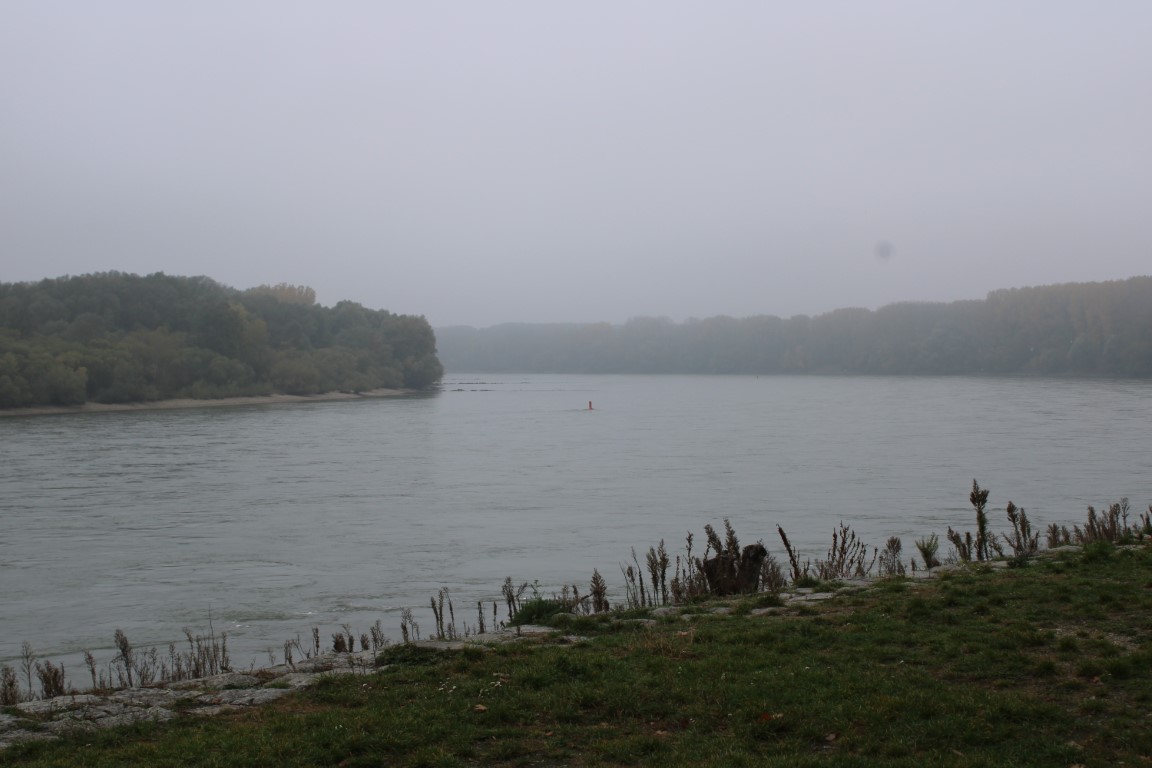
   On endless river rolled away.
 In lacy shadows cast by apricot flowers
   We played our flutes till morning hours.

O'er twenty years have passed like dreams;
   It is a wonder that I'm still alive.
 Carefree, I mount the tower bathed in moonbeams.
   So many things passed long
      Ago survive
   Only in fishermen's midnight song.
Translation: This Song Dynasty poem was translated by Xu Yuanchong in: Xu Yuanchong [translator]. 2021. Deep, Deep the Courtyard. [庭院深深.] Cite Publishing: Kuala Lumpur, p. 212-213
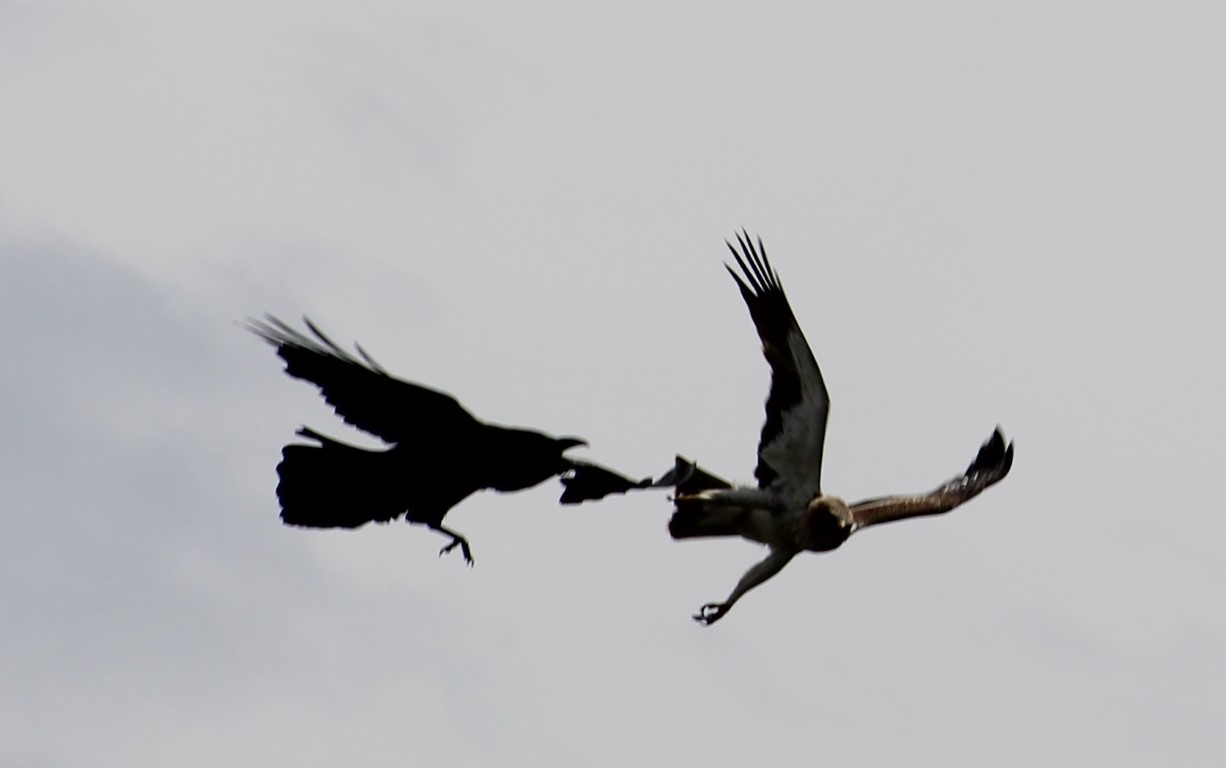
Their shadow dims the sunshine of our day,
 As they go lumbering across the sky,
 Squawking in joy of feeling safe on high,
 Beating their heavy wings of owlish gray.
  They scare the singing birds of earth away
  As, greed-impelled, they circle threateningly,
  Watching the toilers with malignant eye,
  From their exclusive haven -- birds of prey.
 They swoop down for the spoil in certain might,
 And fasten in our bleeding flesh their claws.
  They beat us to surrender weak with fright,
  And tugging and tearing without let or pause,
  They flap their hideous wings in grim delight,
  And stuff our gory hearts into their maws.












 Tiger Riding for Beginners