Now as at all times I can see in the mind's
     eye,
 In their stiff, painted clothes, the pale
     unsatisfied ones
 Appear and disappear in the blue depths of
     the sky
 With all their ancient faces like rain-beaten
     stones,
 And all their helms of silver hovering side
     by side,
 And all their eyes still fixed, hoping to find
     once more,
 Being by Calvary's turbulence unsatisfied,
 The uncontrollable mystery on the bestial
    floor.
Oh me! Oh life! of the questions of these
     recurring,
 Of the endless trains of the faithless,
     of cities fill'd with the foolish,
 Of myself forever reproaching myself,
    (for who more foolish than I, and who
    more faithless?)
 Of eyes that vainly crave the light, of the
    objects mean, of the struggle ever
    renew'd,
 Of the poor results of all, of the plodding
    and sordid crowds I see around me,
 Of the empty and useless years of the
    rest, with the rest me intertwined,
 The question, O me! so sad, recurring --
    What good amid these, O me, O life?

                                           Answer.
 That you are here--that life exists and
    identity,
 That the powerful play goes on, and you
    may contribute a verse.
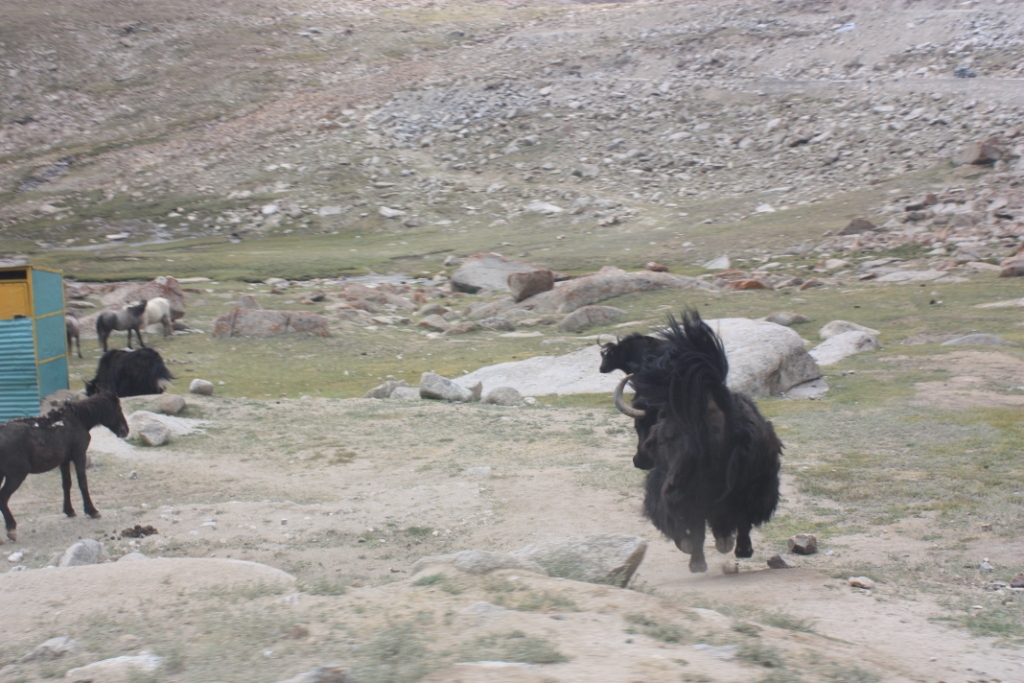
As a friend to the children commend me the Yak.
 You will find it exactly the thing:
 It will carry and fetch, you can ride on its back,
 Or lead it about with a string.

The Tartar who dwells on the plains of Thibet
   (A desolate region of snow)
 Has for centuries made it a nursery pet,
 And surely the Tartar should know!

Then tell your papa where the Yak can be got,
 And if he is awfully rich
 He will buy you the creature -- or else he will not.
   (I cannot be positive which.)
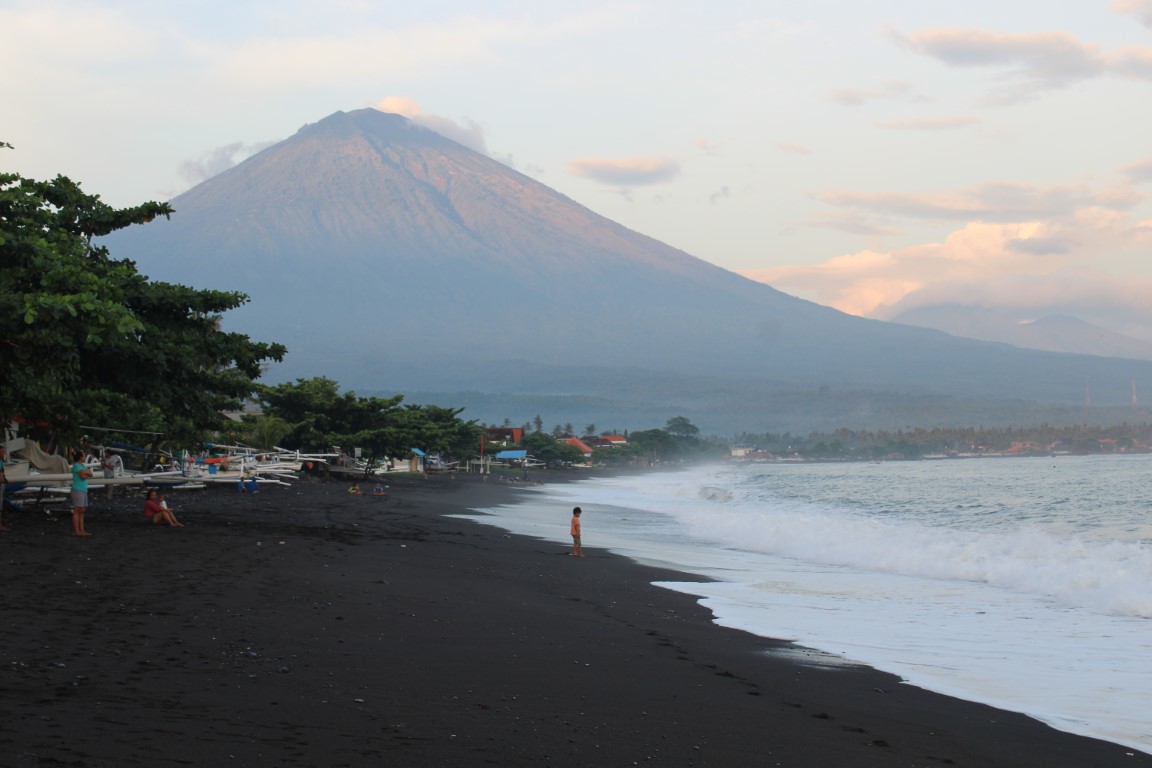
Round the cape of a sudden came the sea,
  And the sun looked over the mountain's rim:
  And straight was a path of gold for him,
 And the need of a world of men for me.
Banish Air from Air --
 Divide Light if you dare --
 They'll meet
 While Cubes in a Drop
 Or Pellets of Shape
 Fit --
 Films cannot annul
 Odors return whole
 Force Flame
 And with a Blonde push
 Over your impotence
 Flits Steam.
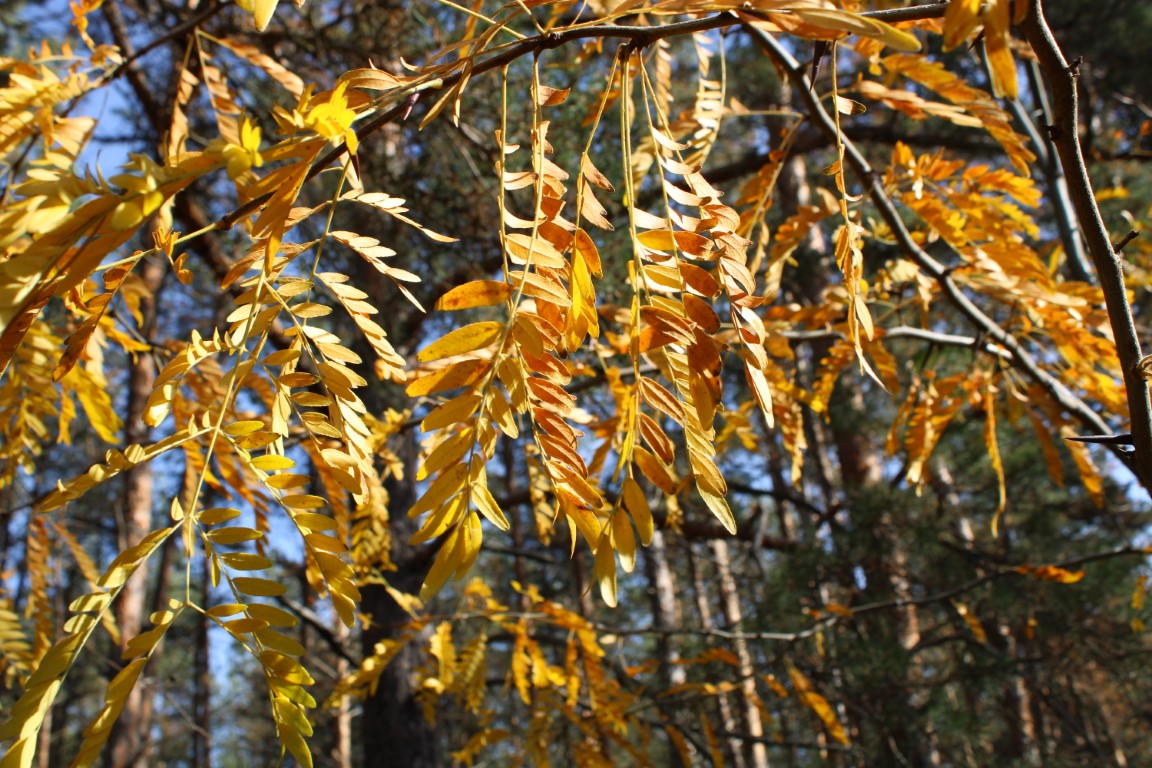
That time of year thou mayest in me behold
  When yellow leaves, or none, or few, do hang
  Upon those boughs which shake against the cold,
  Bare ruined choirs, where late the sweet birds sang.
 In me though seest the twilight of such day
  As after sunset fadeth in the west,
  Which by and by black night doth take away,
  Death's second self, that seals up all in rest.
 In me thou seest the glowing of such fire
  That on the ashes of his youth doth lie,
  As the death-bed whereon it must expire,
  Consumed with that which it was nourished by.
     This thou perceiv'st, which makes thy love more strong,
     To love that well, which thou must leave ere long.
My Spring sleep is unswayed by dawn --
 Though birds are heard through screen, still drawn.
 Recalling night sounds of rain and wind,
 I wonder how the flowers have thinned?
The quality of mercy is not strained;
 It droppeth as the gentle rain from heaven
   Upon the place beneath. It is twice blest;
 It blesseth him that gives and him that takes:
 'T is mightiest in the mightiest; it becomes
   The throned monarch better than his crown;
 His sceptre shows the force of temporal power,
 The attribute to awe and majesty,
 Wherein doth sit the dread and fear of kings;
 But mercy is above this sceptred sway;
 It is enthroned in the hearts of kings,
 It is an attribute to God himself;
 And earthly power doth then show likest God's
 When mercy seasons justice.
   Therefore, Jew,
 Though justice be thy plea, consider this,
 That, in the course of justice, none of us
 Should see salvation: we do pray for mercy;
 And that same prayer doth teach us all to render
 The deeds of mercy. I have spoke thus much
   To mitigate the justice of thy plea;
 Which if thou follow, this strict court of Venice
 Must needs give sentence 'gainst the merchant there.
From The Merchant of Venice (Act IV, Scene I.) Spoken in a court of law by Portia while she is disguised as a lawyer, Balthazar.











 Tiger Riding for Beginners