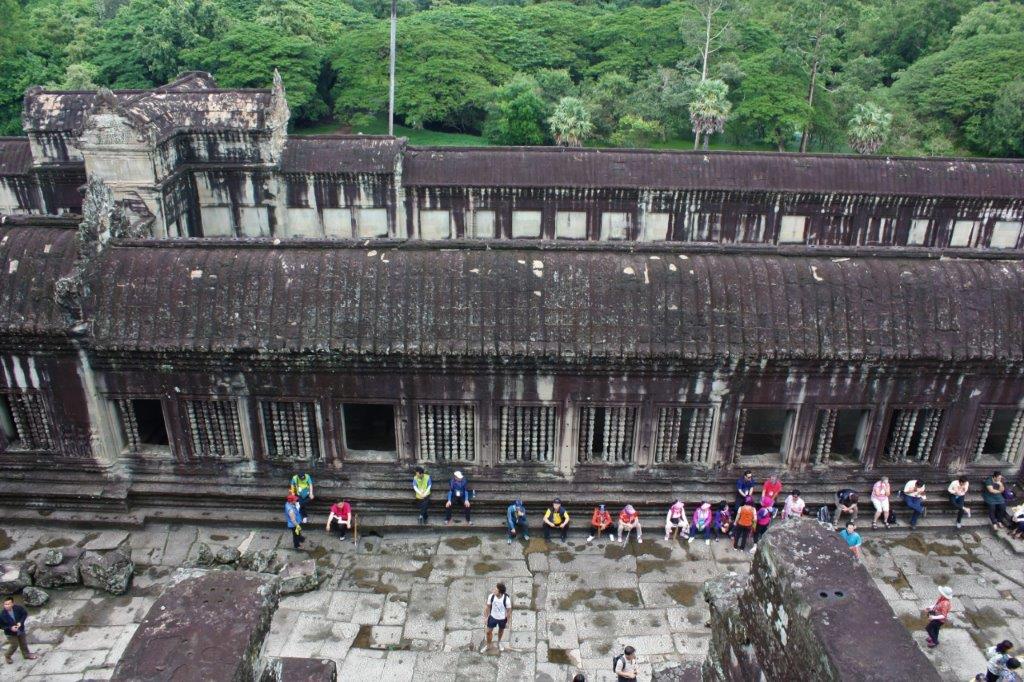
DAILY PHOTO: A Scene from Angkor Wat
Image
Reply

I live amid a busy town,
   But traffic sounds are never heard.

How can this possibly be true?

Deep in the mind, all is remote.

Picking 'mums by the eastern fence,
   I peer at distant South Mountains.
 Sunset flares in garish color.
   Birds flock home in lines and clusters.
 The scene conveys some great meaning,
   But words to express it fail me.
NOTES: “Drinking Wine, no. 5” [饮酒·其五] is one of Tao Qian’s [陶潜] “Twenty Poems on Drinking Wine” [饮酒二十首.] It is the best-known piece from the collection. The original poem in Simplified Chinese script is:
结 庐 在 人 境,
而 无 车 马 喧.
问 君 何 能 尔?
心 远 地 自 偏.
采 菊 东 篱 下,
悠 然 见 南 山.
山 气 日 夕 佳,
飞 鸟 相 与 还.
此 中 有 真 意,
欲 辨 已 忘 言.
I’ve started reading a review copy of Arthur Sze’s Transient Worlds (from Copper Canyon Press, due out April 14, 2026.) The first chapter discusses this poem and various translations of it, encouraging readers to make their own translation. This is mine. For more information about the book, see: https://www.coppercanyonpress.org/books/transient-worlds-arthur-sze/
I would replace all adverbs with a loud “HONK!”
Why do I do anything, because I think it would be funny. [Granted, only for a short time.]
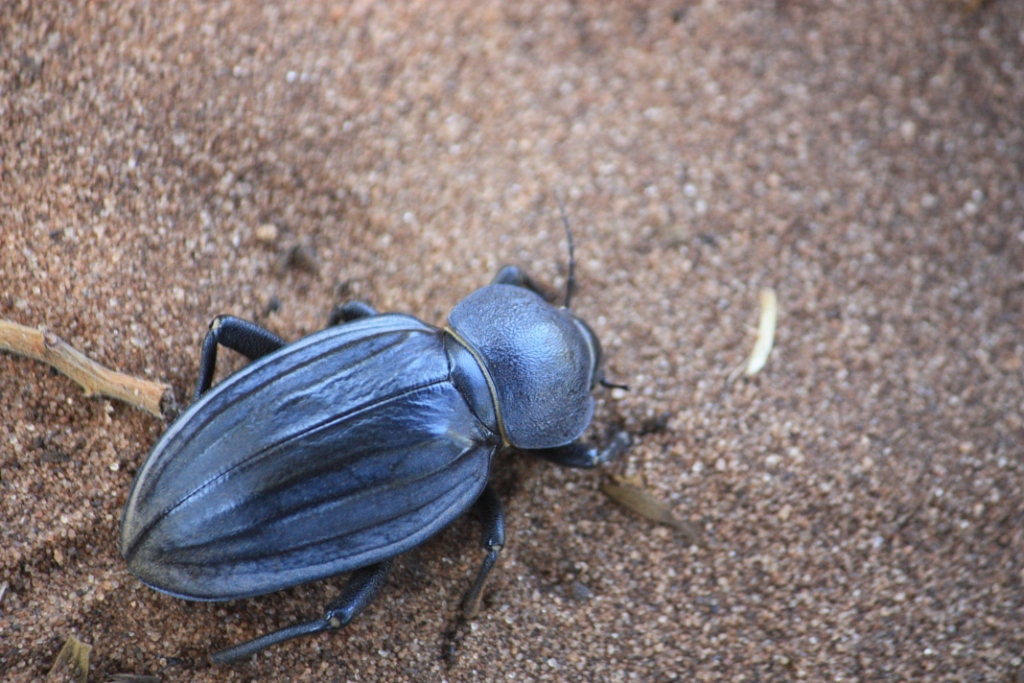
A Beetle that was built like a tank
   Crawled over a blazing riverbank
 Now as any sane one would think
   It should head straight for the drink
 To cool off its little ole toes.
   But as astute readers will know,
  It hasn't really got any toes,
   So, it can walk hot sands real slow.
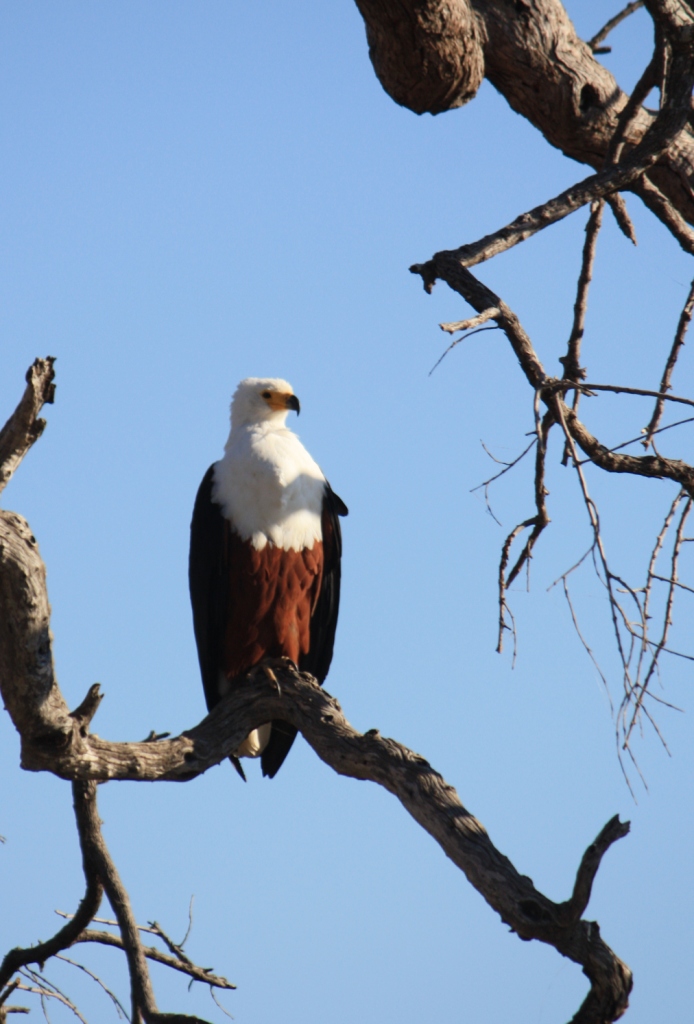
No bird ever seemed quite so regal
   As a quietly perching eagle.
 But it's not so much like a king
   When it dismounts, to take wing --
 Cause that bird has to work for its living.
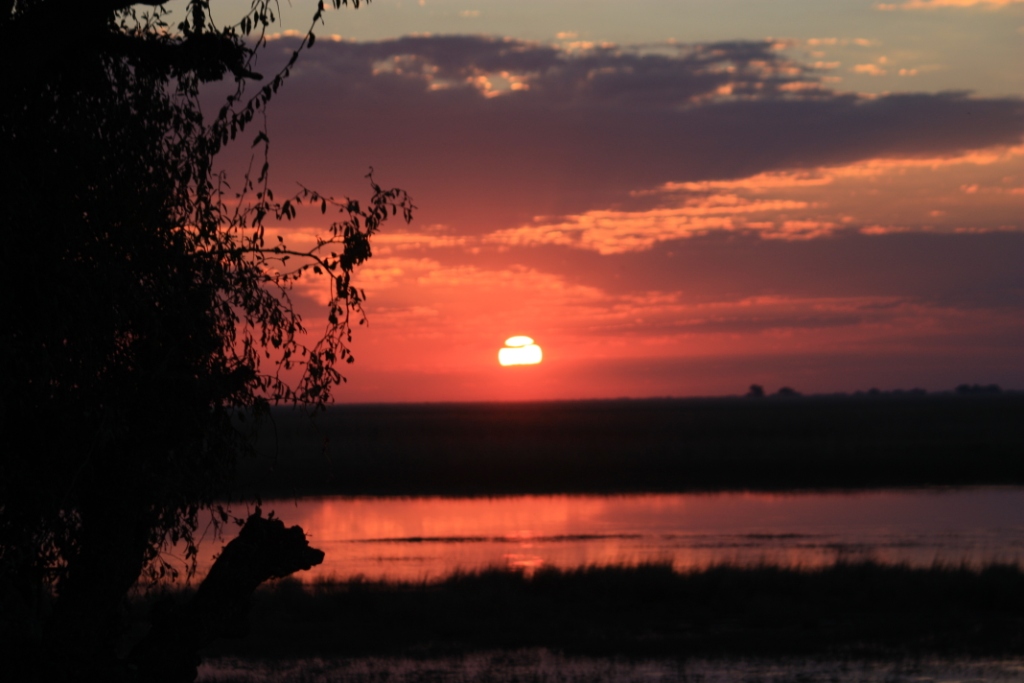
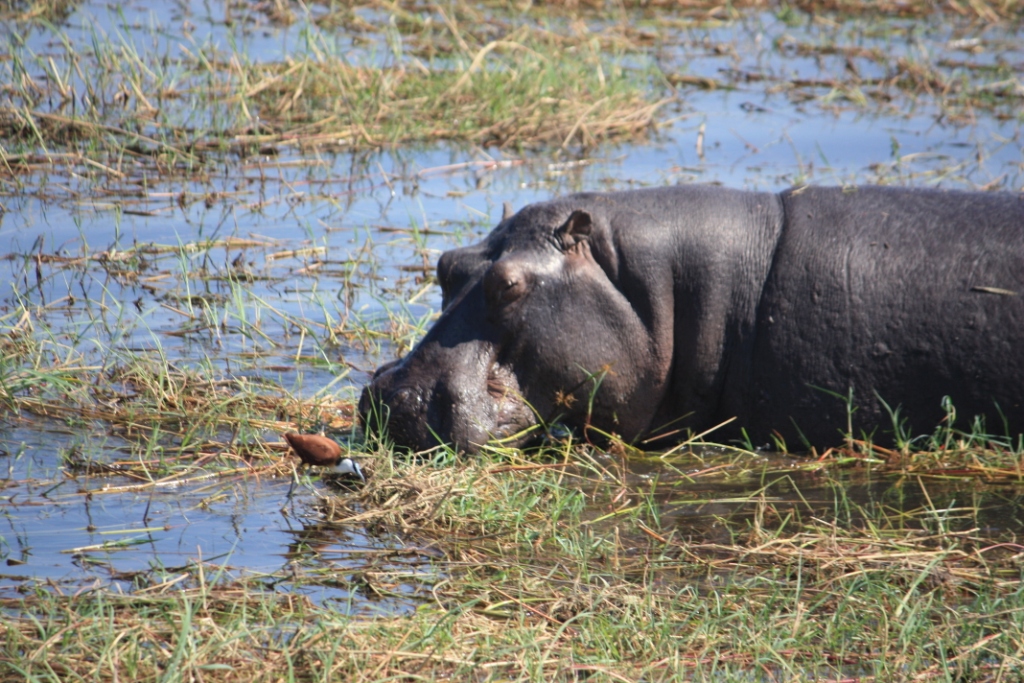
We kayak where lives Hippopotamus,
   And hope it isn't submerged, a-bottom us.
 With kayak a quite crunchy hard shell --
   Us: savory filling that screams and yells, --
 We'll be a three-bite river taco to hell.
I certainly have my ideas, but I’m not going to jinx it or create a self-fulfilling prophecy on the matter. Sometimes the easy is hard and the hard comes easy, and — above all — people suck at making predictions (except in the case of self-fulfilling prophesies.)
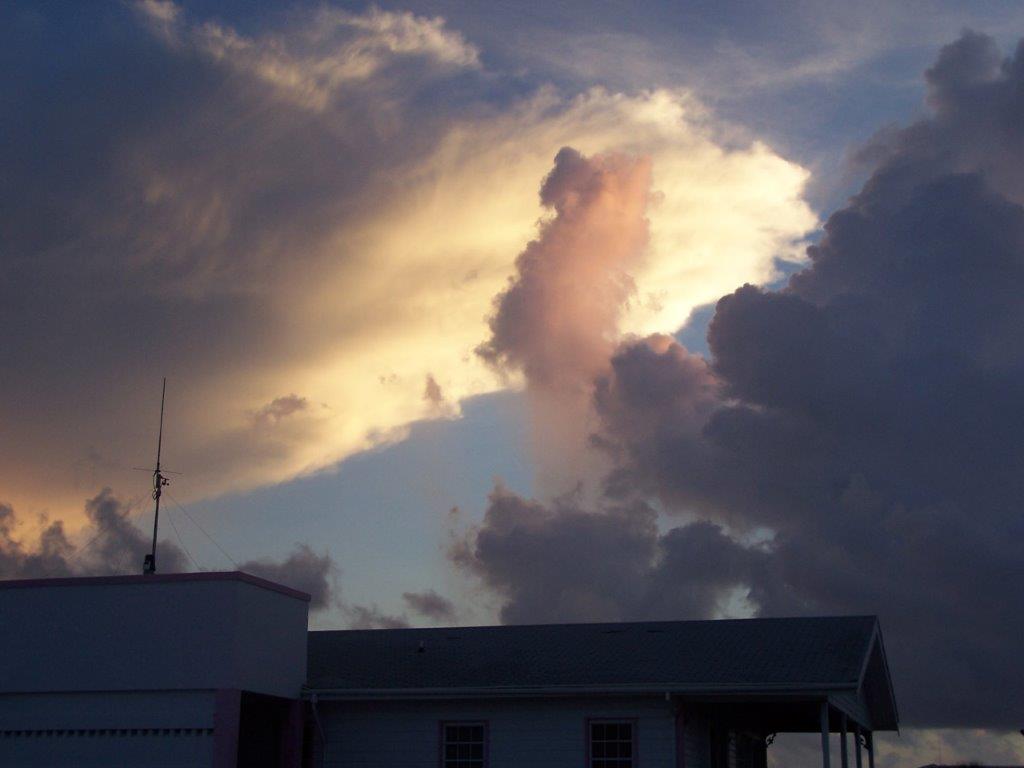
at days end,
 clouds not burning bright white
  sink into black.