BOOKS: “The Black Riders and Other Lines” by Stephen Crane

The Black Riders and Other LinesThe Black Riders and Other Lines by Stephen Crane
My rating: 5 of 5 stars

Project Gutenberg Site

This collection consists of sixty-eight free verse poems, most of which are short (though a small number take up more than a page.) Crane’s poetry is philosophical and often surreal. It’s poetry that’s as likely to spur rumination as it is to evoke intense emotional experience. Some may find Crane’s poetry irreverent because it takes on formal religion and dogmatic groupthink, more generally, but – for others of us – therein lies its appeal.

This collection includes “In the Desert” as well as a number of Crane’s other well-known poems.

I’d highly recommend this collection for poetry readers, particularly those who enjoy poetry of a philosophical bent.

View all my reviews

“Behold, the grave of a wicked man” by Stephen Crane [w/ Audio]

Behold, the grave of a wicked man,
And near it, a stern spirit.

There came a drooping maid with violets,
But the spirit grasped her arm.
"No flowers for him," he said.
The maid wept:
"Ah, I loved him."
But the spirit, grim and frowning:
"No flowers for him."

Now, this is it --
If the spirit was just,
Why did the maid weep?

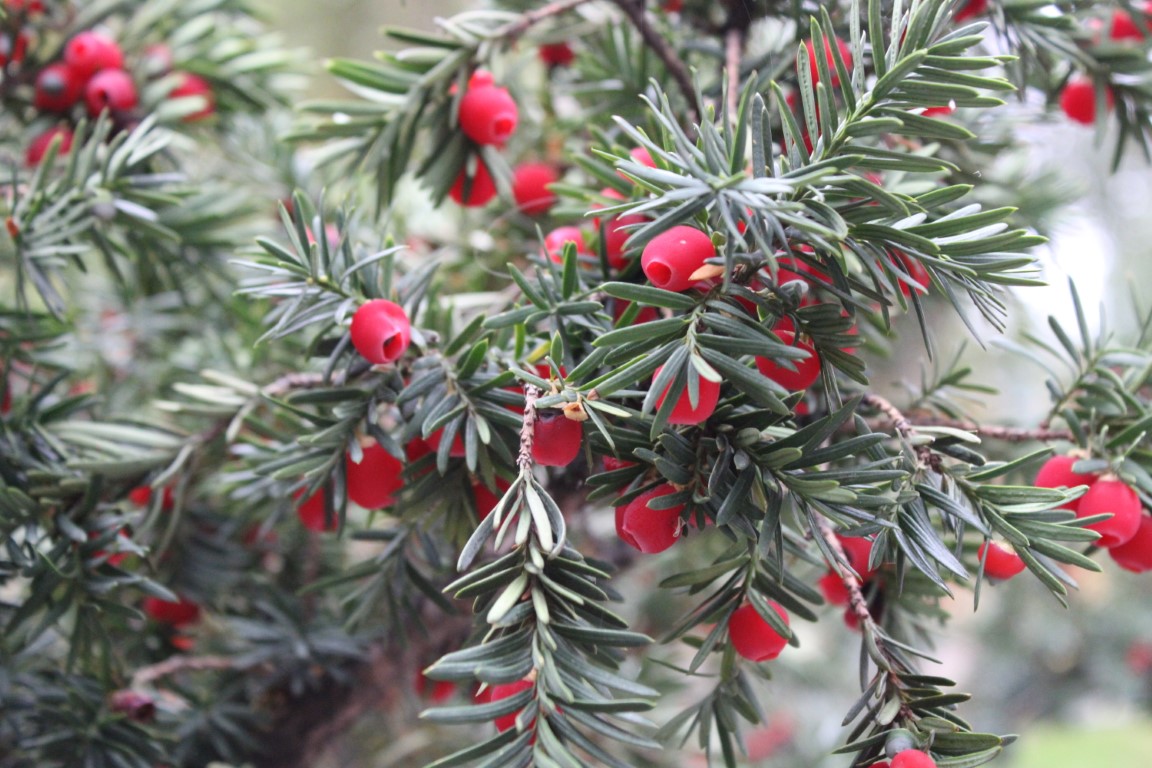
Yew [Lyric Poem]

Oh, the Yew tree --
Such a beauty!...
But on that Yew,
You'd best not chew:
It'll kill you painfully.

Last Hurrah [Haiku]

with foliage thinned,
the grassy undergrowth gets
one last time to shine.

DAILY PHOTO: Hungarian Parliament on an Autumn Day

Image

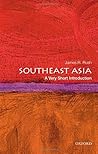
BOOKS: “Southeast Asia: A Very Short Introduction” by James R. Rush

Southeast Asia: A Very Short Introduction (Very Short Introductions)Southeast Asia: A Very Short Introduction by James R. Rush
My rating: 4 of 5 stars

Publisher Site

I’ve been to most of the eleven countries of Southeast Asia, but still my questions are many. This short guide answered some of them. The book takes a largely historical approach, breaking the timeline into periods during which these countries were pre-nation-state kingdoms, then colonies, and then independent countries. While the guide is written by a historian and is organized by governance (i.e. who won the wars,) it does not solely address politics and regimes.

The guide also explores subjects such as religion. This was fortunate for me because a lot of my questions involve this topic. Why is the northern part of the region mostly Buddhist while the southern part is mostly Muslim? Why did Hinduism and other Indian religions (not inclusive of Buddhism, which virtually died out within India) almost entirely give way to other religions in this area, except for spotty exceptions (most notably Bali?) Incidentally, the former question is answered more than the latter, which makes sense as this is small book for a relatively large area, but more importantly for a long history. Southeast Asia has been a strategically and economically important place for centuries.

As a traveler, I found this book well worth reading as a way to gain insight into the region. It doesn’t dive deep into cultural questions (except a bit into religion,) and so there is much more to learn from other books. It does explore who governed these countries and how, and the last chapter brings the question up to date — reflecting on the political and economic changes in the last couple decades. If you’re curious to know more about Southeast Asia, in a way that doesn’t get too deep in the minutiae, this book is worth checking out.


View all my reviews

“Transcendent” [Poetry Style #21 (超诣)] by Sikong Tu [w/ Audio]

With no god, but with spirit;
With no mass of tiny things;
Up on high, with the white clouds --
Borne aloft on breezy wings.
From afar all seems in place.
When you arrive it's not there.
Just like acting with the Way
Leaves customs beyond repair.
Chaotic mountain woodlands,
Sweet green moss in the sunshine.
Keep reciting your mantra,
Till it's lost among the pines.

NOTE: The late Tang Dynasty poet, Sikong Tu (a.k.a. Ssŭ-k‘ung T‘u,) wrote an ars poetica entitled Twenty-Four Styles of Poetry (二十四诗品.) It presents twenty-four poems that are each in a different tone, reflecting varied concepts from Taoist philosophy and aesthetics. Above is a crude translation of the twenty-first of the twenty-four poems. This poem’s Chinese title is 超诣 and it’s been translated as “The Transcendental” and “Super”

PROMPT: Attention

What details of your life could you pay more attention to?

When I chop carrots, I should chop carrots; when I walk in the park, I should walk in the park; when I poop, I should poop.

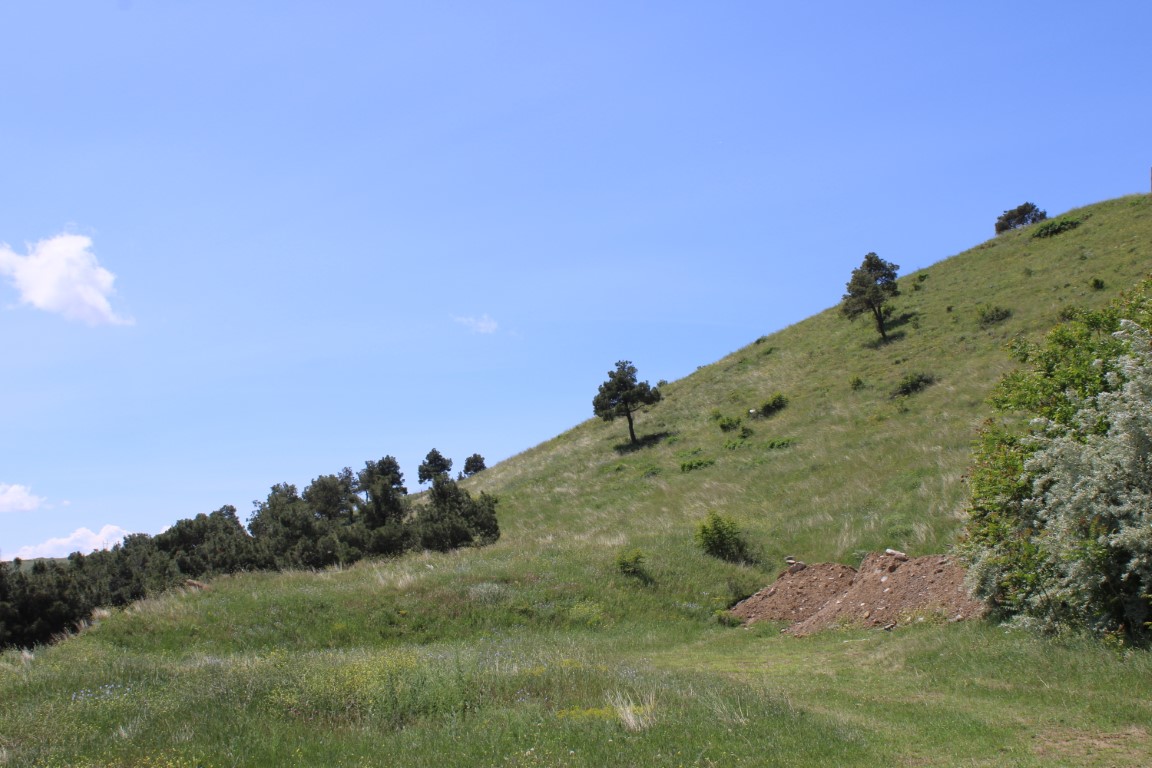
Sneaky Trees [Senryū]

it seems trees sneak --
in ones and twos -- up the hill,
as the woods watch.