


Nah. I’d say I’m normal-stitious, possibly even substitious.
PROMPT: Superstitious
Reply

Nah. I’d say I’m normal-stitious, possibly even substitious.
I don’t believe. I don’t disbelieve. I have insufficient data on which to draw a conclusion.
Contemplating the unknowable.
What will your life be like in three years?
I have no idea. That’s the beauty of life, and the curse of living during period in which technology will soon grow completely beyond our control. Life might be an ever-better version of what it is now, or I might be living in a cave trying to stay out of the way of the war between Skynet and our would-be Alien overlords. Or I might be farming in a world that has EMP’d itself back to the Stone Age to avoid being overtaken by technology. Nothing is certain but that change will come.
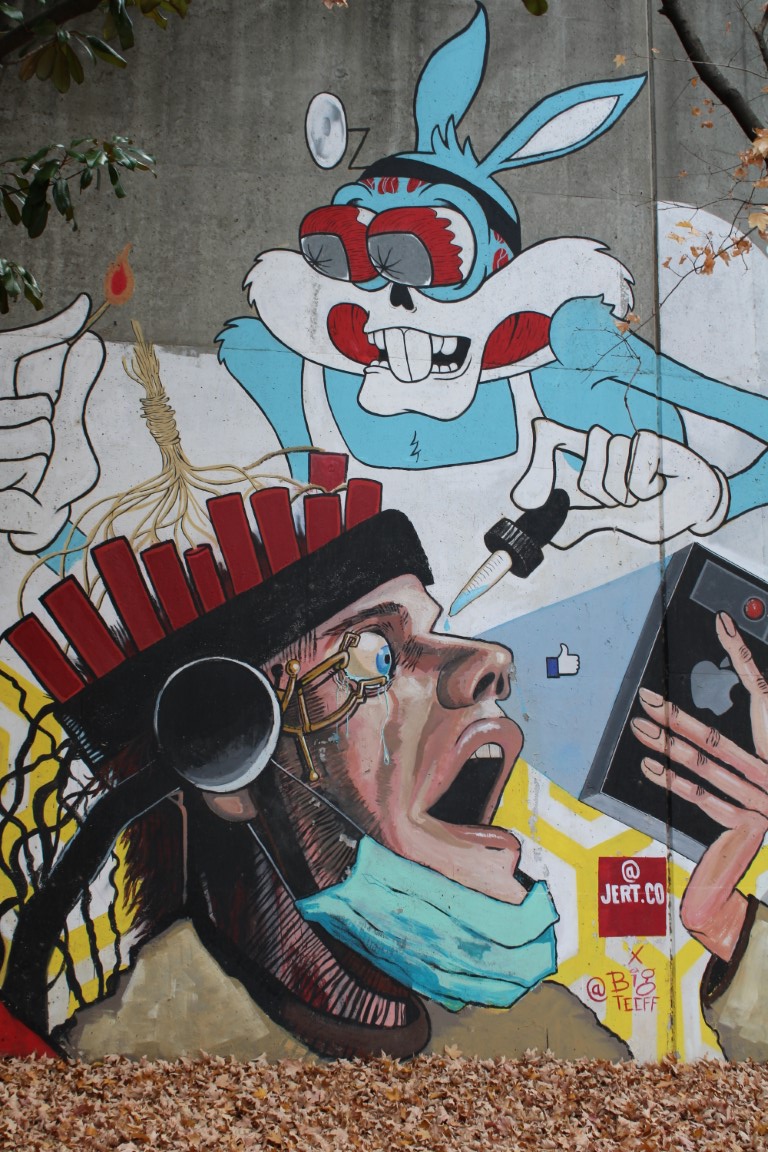
“Truth,” said a traveller,
 “Is a rock, a mighty fortress;
 “Often have I been to it,
 “Even to its highest tower,
 “From whence the world looks black.”

“Truth,” said a traveller,
 “Is a breath, a wind,
 “A shadow, a phantom;
 “Long have I pursued it,
 “But never have I touched
 “The hem of its garment.”

And I believed the second traveller;
 For truth was to me
 A breath, a wind,
 A shadow, a phantom,
 And never had I touched
 The hem of its garment.
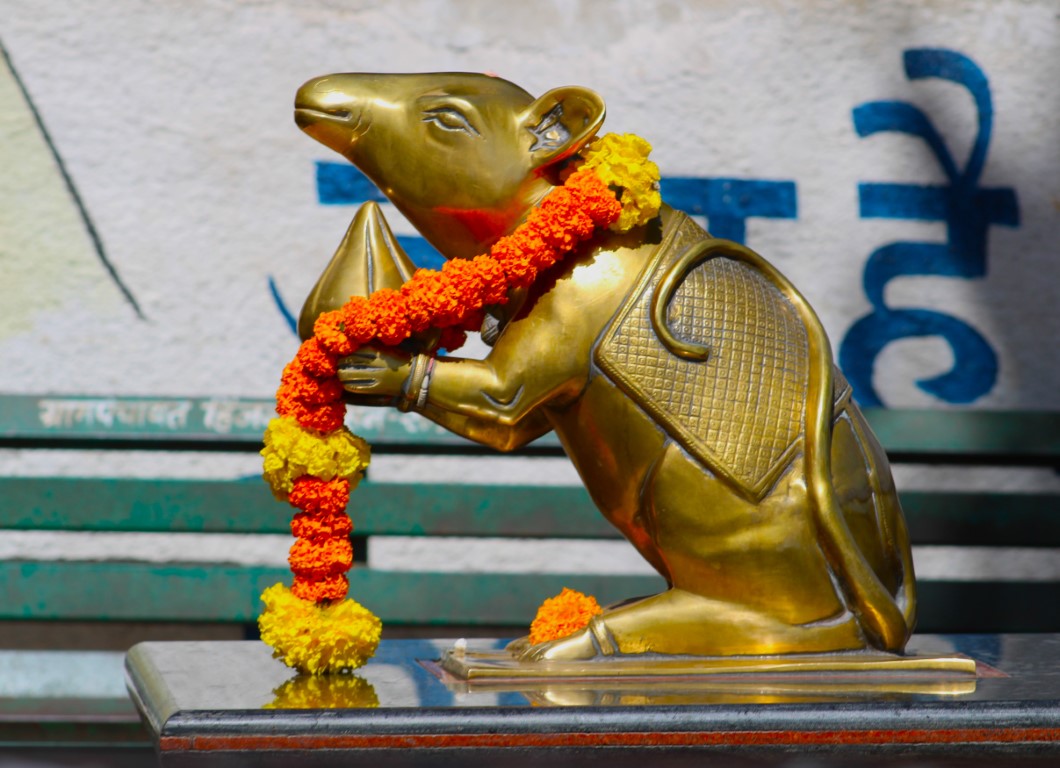
Who knows this or that?
 Hark in the wall to the rat:
 Since the world was, he has gnawed;
 Of his wisdom, of his fraud
 What dost thou know?
 In the wretched little beast
 Is life and heart,
 Child and parent,
 Not without relation
 To fruitful field and sun and moon.
 What art thou? His wicked eye
 Is cruel to thy cruelty.
List 10 things you know to be absolutely certain.
1.) Nothing is permanent.
2.) The world is not what it seems.
3.) One’s subjective experience is not determined by the state of the world.
4.) Nobody grasps enough truth to be intolerant.
5.) Uncertainty is the root of all fear.
6.) Fear is the root of all hatred.
7.) Hatred is a subjective experience (See #3.) Also, uncertainty is the root of all hatred (by the transitive property,) hence the benefit of travel.
8.) Any who: a.) has suffered a string of hardships; b.) allows themselves to believe that some “other” is wholly responsible for said hardships; and c.) who lacks a sufficient sense of self-empowerment to avoid surrendering entirely to a group identity can (and likely will) become a Nazi (or the equivalent of their day.)
9.) No one can predict the future. [Regardless of how much we all love to try. (See #5.)]
10.) Entropy increases (ultimately, in a closed system.)
NOTE: I remain ready to abandon any certainty in the face of better information.

That strange flower, the sun,
  Is just what you say.
  Have it your way.

 The world is ugly,
  And the people are sad.

 That tuft of jungle feathers,
  That animal eye,
  Is just what you say.

 That savage of fire,
  That seed,
  Have it your way.

 The world is ugly,
  And the people are sad.
 Live Like A Philosopher: What the Ancient Greeks and Romans Can Teach Us About Living a Happy Life by Gregory Lopez
No. I’ve trained myself to recognize factors, such as selection bias, that contribute to superstitions. And I try to hold all beliefs only so tightly as they can be shaken away by better understanding, particularly beliefs that aren’t strongly supported by experience and reason.


 Tiger Riding for Beginners