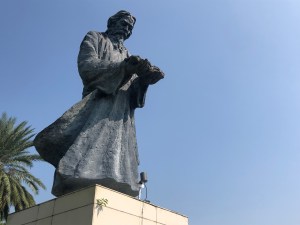
Tagore looms,
 wind-swept & erudite,
  in mind & presence.


The truth is rarely pure and never simple. Modern life would be very tedious if it were either, and modern literature, a complete impossibility!
Algernon
Oh! it is absurd to have a hard and fast rule about what one should read and what one shouldn’t. More than half of modern culture depends upon what one shouldn’t read.
ALgernon
It is awfully hard work doing nothing. However, I don’t mind hard work where there is no definite object of any kind.
Algernon
One has a right to Bunbury anywhere one chooses. Every serious Bunburyist knows that.
Algernon; [fyi: “Bunburying” is the use of appointments with ficticious individuals to get out of one’s duties and obligations.]
One should always eat muffins quite calmly.
Algernon

'Twas brillig, and the slithy toves
   Did gyre and gimble in the wabe:
 All mimsy were the borogoves,
    And the mome raths outgrabe.

"Beware the Jabberwock, my son!
   The jaws that bite, the claws that catch!
 Beware the Jubjub bird, and shun
    The frumious Bandersnatch!"

He took his vorpal sword in hand:
   Long time the manxome foe he sought --
 So rested he by the Tumtum tree,
    And stood awhile in thought.

And as in uffish thought he stood,
   The Jabberwock, with eyes of flame,
 Came whiffling through the tulgey wood,
    And burbled as it came!

One, two! One, two! And through and through
   The vorpal blade went snicker-snack!
 He left it dead, and with its head
    He went galumphing back.

"And hast thou slain the Jabberwock?
   Come to my arms, my beamish boy!
 O frabjous day! Callooh! Callay!"
    He chortled in his joy.

'Twas brillig, and the slithy toves
   Did gyre and gimble in the wabe:
All mimsy were the borogoves,
    And the mome raths outgrabe.

O Captain! my Captain! our fearful trip is done,
 The ship has weather'd every rack, the prize we sought is won,
 The port is near, the bells I hear, the people all exulting,
 While follow eyes the steady keel, the vessel grim and daring;
       But O heart! heart! heart!
          O the bleeding drops of red!
             Where on the deck my Captain lies,
                Fallen cold and dead.

O Captain! my Captain! rise up and hear the bells;
 Rise up -- for you the flag is flung -- for you the bugle trills,
 For you bouquets and ribbon'd wreaths -- for you the shores a-crowding,
 For you they call, the swaying mass, their eager faces turning;
       Here, Captain! dear father!
          This arm beneath your head!
              It is some dream that one the deck
                 You've fallen cold and dead.

My Captain does not answer, his lips are pale and still,
 My father does not feel my arm, he has no pulse nor will;
 The ship is anchor'd safe and sound, its voyage closed and done,
 From fearful trip the victor ship comes in with object won;
       Exult, O shores! and sing, O bells!
          But I, with mournful tread,
             Walk the deck my Captain lies,
                 Fallen cold and dead.

In Flanders fields the poppies blow
 Between the crosses, row on row,
      That mark our place; and in the sky
      The larks, still bravely singing, fly
  Scarce heard amid the guns below.

We are the Dead. Short days ago
  We lived, felt dawn, saw sunset glow,
       Loved and were loved, and now we lie,
          In Flanders fields.

Take up our quarrel with the foe:
   To you from failing hands we throw
       The torch; be yours to hold it high.
       If ye break faith with us who die
    We shall not sleep, though poppies grow
         In Flanders fields.
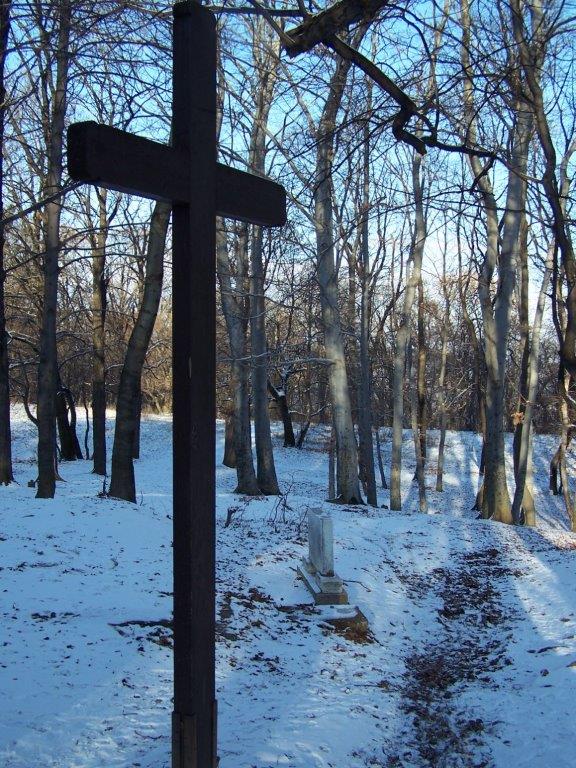
Whose woods these are I think I know.
 His house is in the village though;
  He will not see me stopping here
 To watch his woods fill up with snow.

My little horse must think it queer
 To stop without a farmhouse near
   Between the woods and frozen lake
 The darkest evening of the year.

He gives his harness bells a shake
 To ask if there is some mistake.
  The only other sound's the sweep
 Of easy wind and downy flake.

The woods are lovely, dark and deep.
 But I have promises to keep,
  And miles to go before I sleep,
 And miles to go before I sleep.
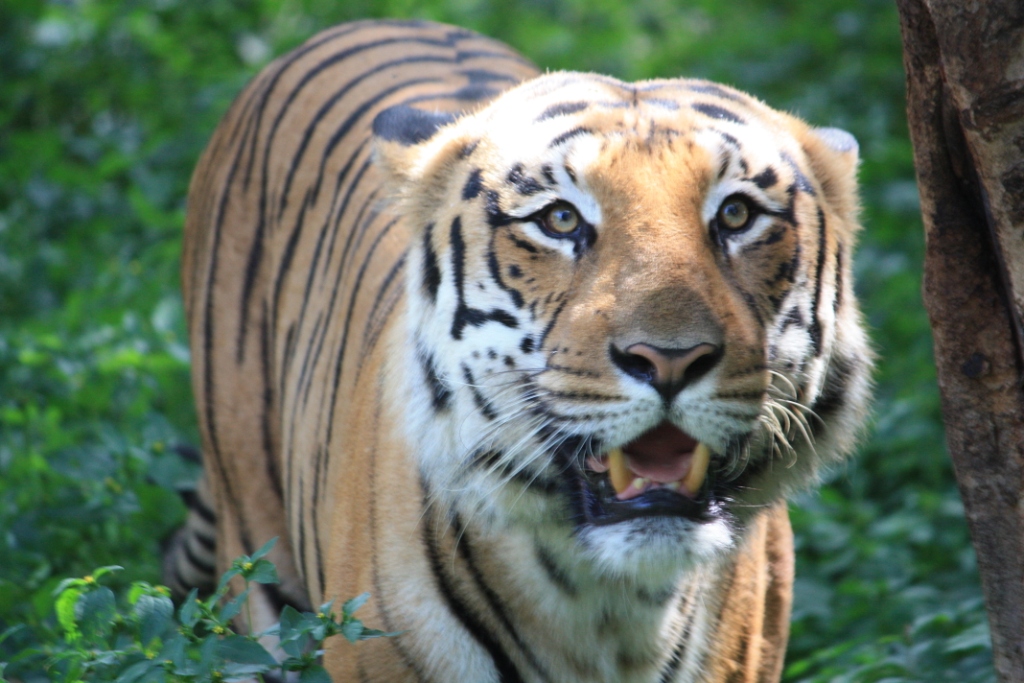
Tiger, tiger, burning bright
 In the forests of the night,
  What immortal hand or eye
 Could frame thy fearful symmetry?

In what distant deeps or skies
 Burnt the fire of thine eyes?
  On what wings dare he aspire?
 What the hand dare seize the fire?

And what shoulder and what art
 Could twist the sinews of thy heart?
  And, when thy heart began to beat,
 What dread hand? and what dread feet?

What the hammer? What the chain?
 In what furnace was thy brain?
  What the anvil? What dread grasp
 Dare its deadly terrors clasp?

When the stars threw down their spears,
 And watered heaven with their tears,
  Did he smile his work to see?
 Did he who made the lamb make thee?

Tiger, tiger, burning bright
 In the forests of the night,
  What immortal hand or eye
 Dare frame thy fearful symmetry?
If one means “arts” in the broadest sense of the word, I’d have to say William Blake, because I like both his poetry and his graphic artistry, as well as his particular brand of madness.
If you mean visual artistry (which people often do when they use the term without a qualifier,) I generally enjoy fantastical and imaginative art, but not so fantastical or imaginative that it requires / shows no skill. So, artists like Vincent Van Gogh, Francisco Goya, Hieronymus Bosch, and M.C. Escher top the list.
 Wonderful, Wonderful Times by Elfriede Jelinek
 The Picture of Dorian Gray by Oscar Wilde


 Tiger Riding for Beginners