The Poets light but Lamps --
   Themselves -- go out --
 The Wicks they stimulate
   If vital Light

Inhere as do the Suns --
   Each Age a Lens
 Disseminating their
   Circumference --
The Poets light but Lamps --
Themselves -- go out --
The Wicks they stimulate
If vital Light
Inhere as do the Suns --
Each Age a Lens
Disseminating their
Circumference --
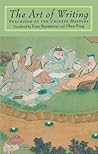 The Art of Writing: Teachings of the Chinese Masters by Tony Barnstone
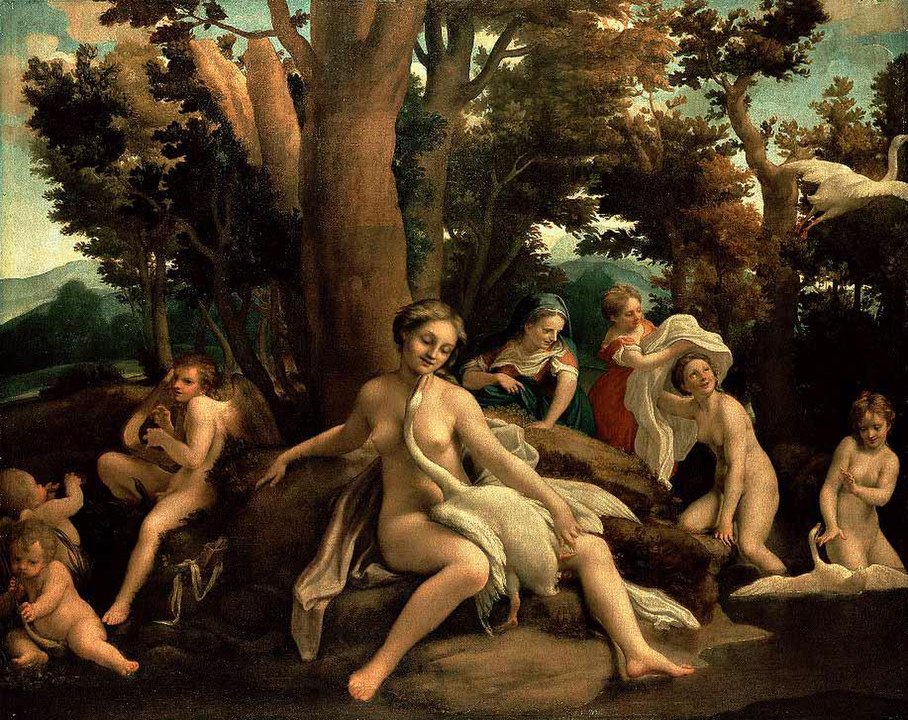
A sudden blow: the great wings beating still
 Above the staggering girl, her thighs caressed
 By the dark webs, her nape caught in his bill,
 He holds her helpless breast upon his breast.

How can those terrified vague fingers push
 The feathered glory from her loosening thighs?
 And how can body, laid in that white rush,
 But feel the strange heart beating where it lies?

A shudder in the loins engenders there
 The broken wall, the burning roof and tower
 And Agamemnon dead.
                             Being so caught up,
 So mastered by the brute blood of the air,
 Did she put on his knowledge with his power
 Before the indifferent beak could let her drop?
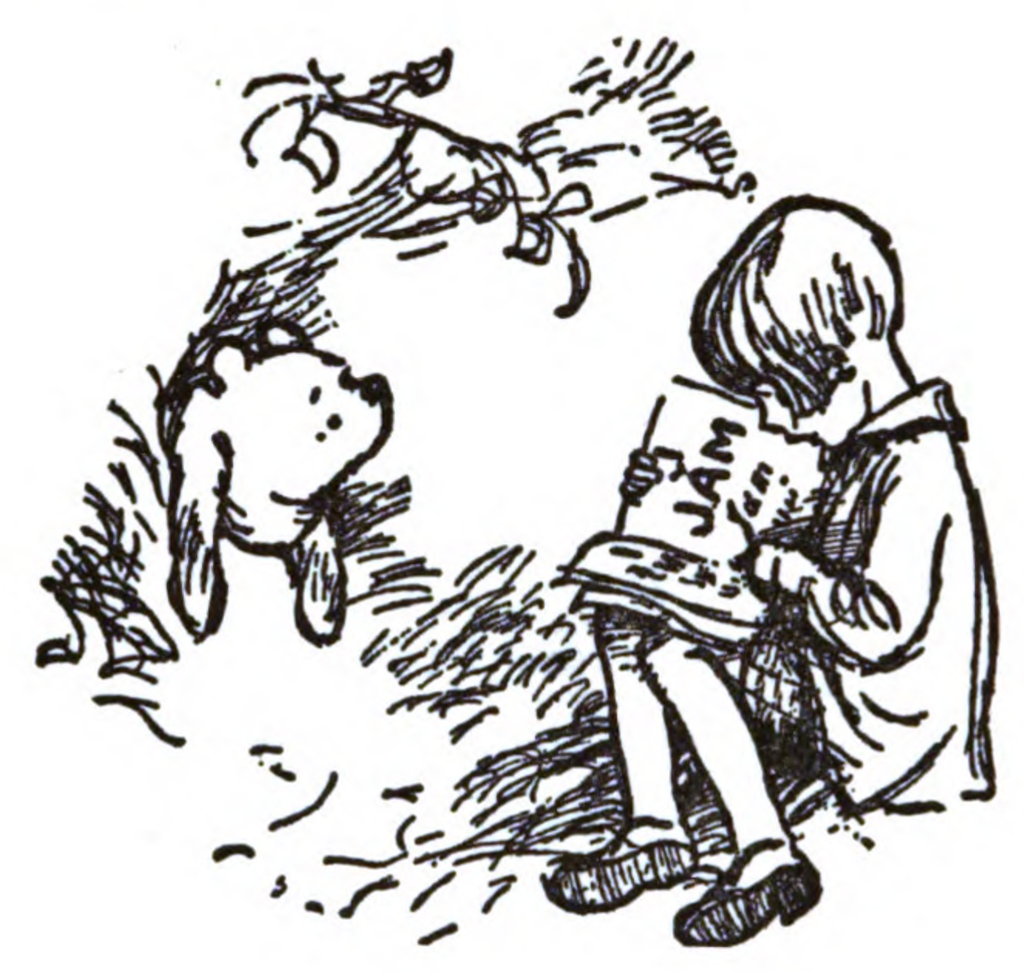
There are lots and lots of people who are always asking things,
 Like Dates and Pounds-and-ounces and the names of funny Kings,
 And the answer's either Sixpence or A Hundred Inches Long,
 And I know they'll think me silly if I get the answer wrong.

So Pooh and I go whispering, and Pooh looks very bright,
 And says, "Well, I say sixpence, but I don't suppose I'm right,"
 And then it doesn't matter what the answer ought to be,
 'Cos if he's right, I'm Right, and if he's wrong, it isn't Me.
Take this kiss upon the brow!
 And, in parting from you now,
 Thus much let me avow --
 You are not wrong, who deem
 That my days have been a dream;
 Yet if hope has flown away
 In a night, or in a day,
 In a vision, or in none,
 Is it therefore the less gone?
 All that we see or seem
 Is but a dream within a dream.

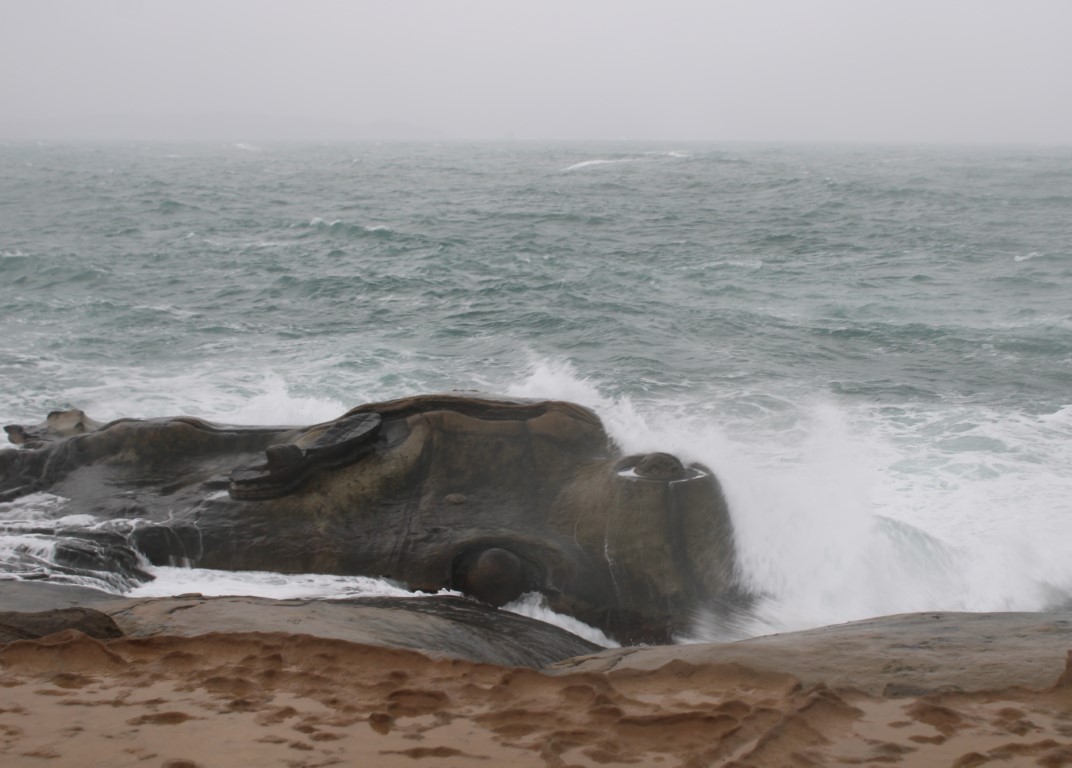
I stand amid the roar
 Of a surf-tormented shore,
 And I hold within my hand
 Grains of the golden sand --
 How few! yet how they creep
 Through my fingers to the deep,
 While I weep -- while I weep!
 O God! Can I not grasp
 Them with a tighter clasp?
 O God! can I not save
 One from the pitiless wave?
 Is all that we see or seem
 But a dream within a dream?
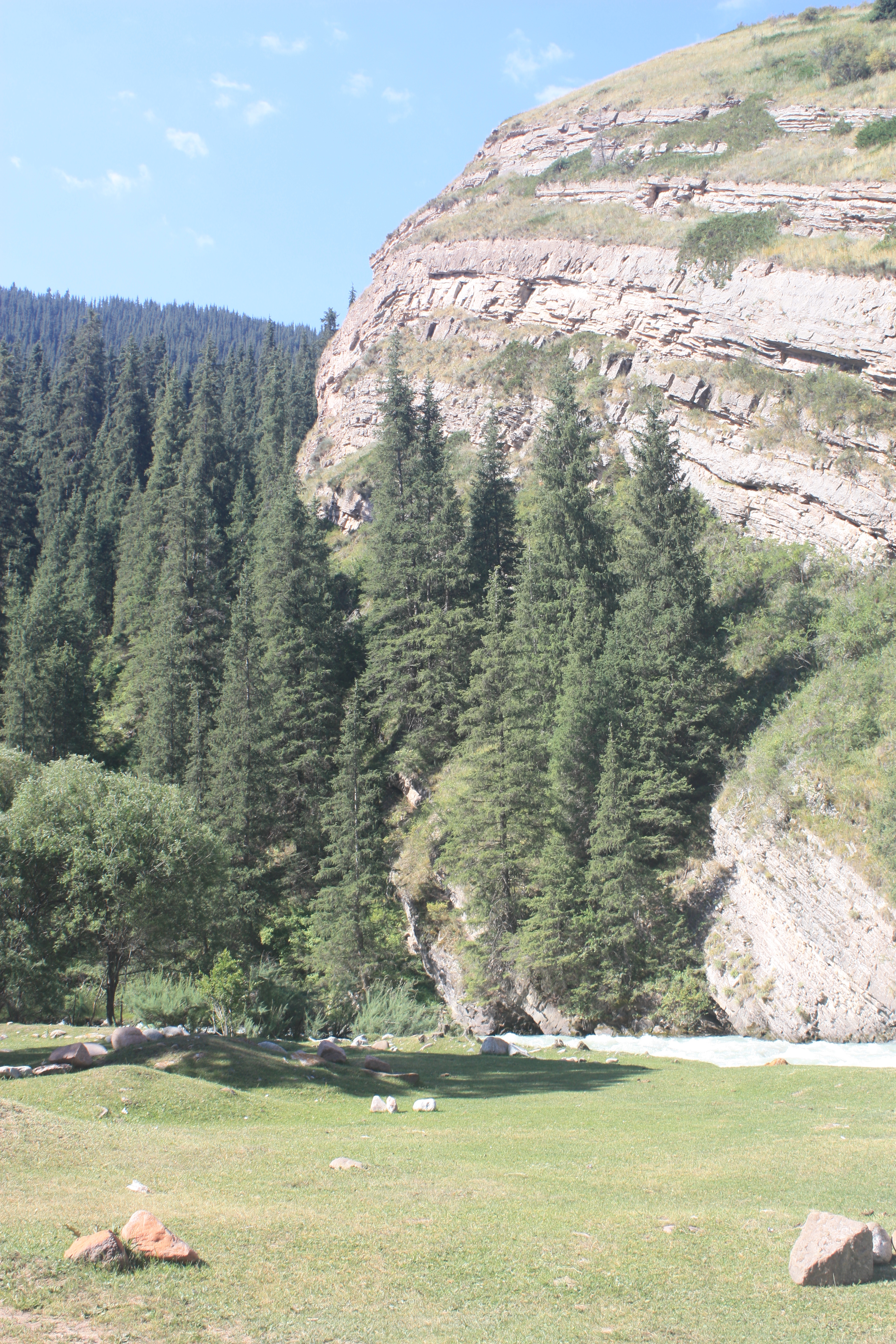
I came once to Tiantai,
 And back ten-thousand times.
 Like clouds or water tides:
   Drift and flow, come and go.
 I stroll, free of worry,
  Buddha's Path - in no hurry.
 While the world's forked roads
  Lead men to fret and scurry.
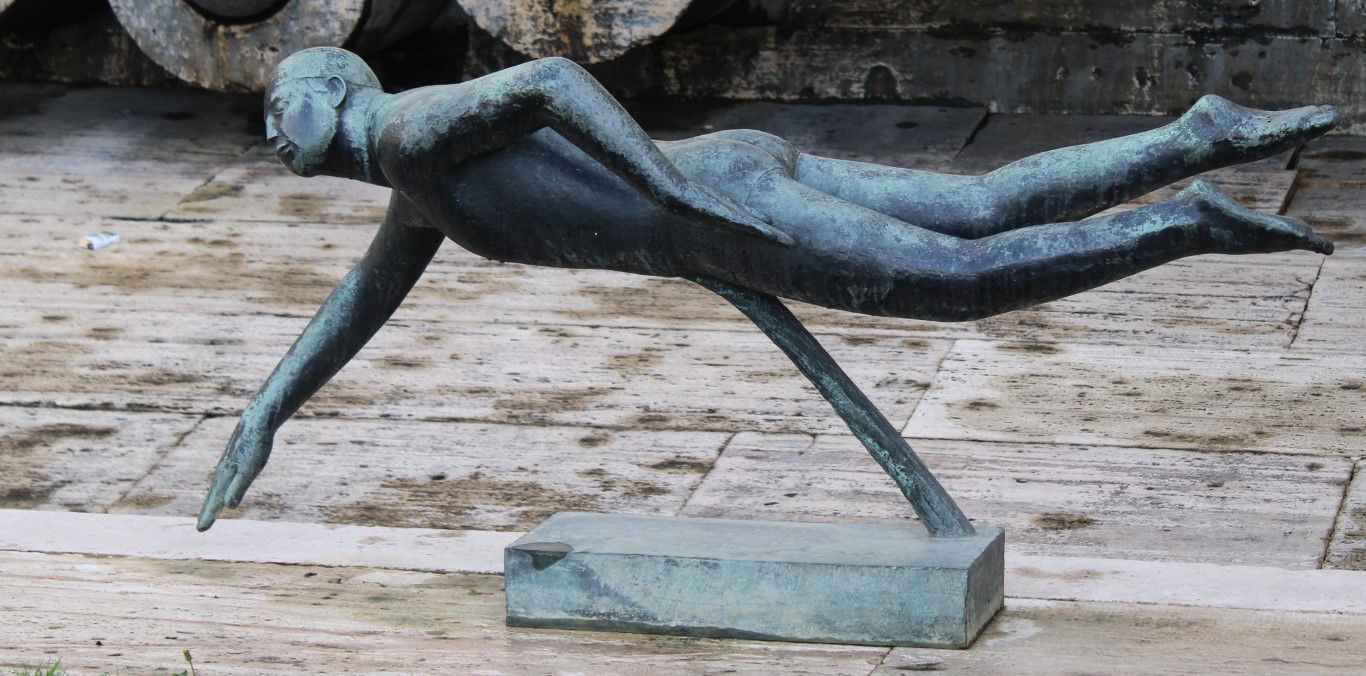
No man is an island,
 Entire of itself;
 Every man is a piece of the continent,
 A part of the main.

If a clod be washed away by the sea,
 Europe is the less,
 As well as if a promontory were:
 As well as if a manor of thy friend's
 Or of thine own were.

Any man's death diminishes me,
 Because I am involved in mankind.
 And therefore never send to know
    for whom the bell tolls;
 I tolls for thee.
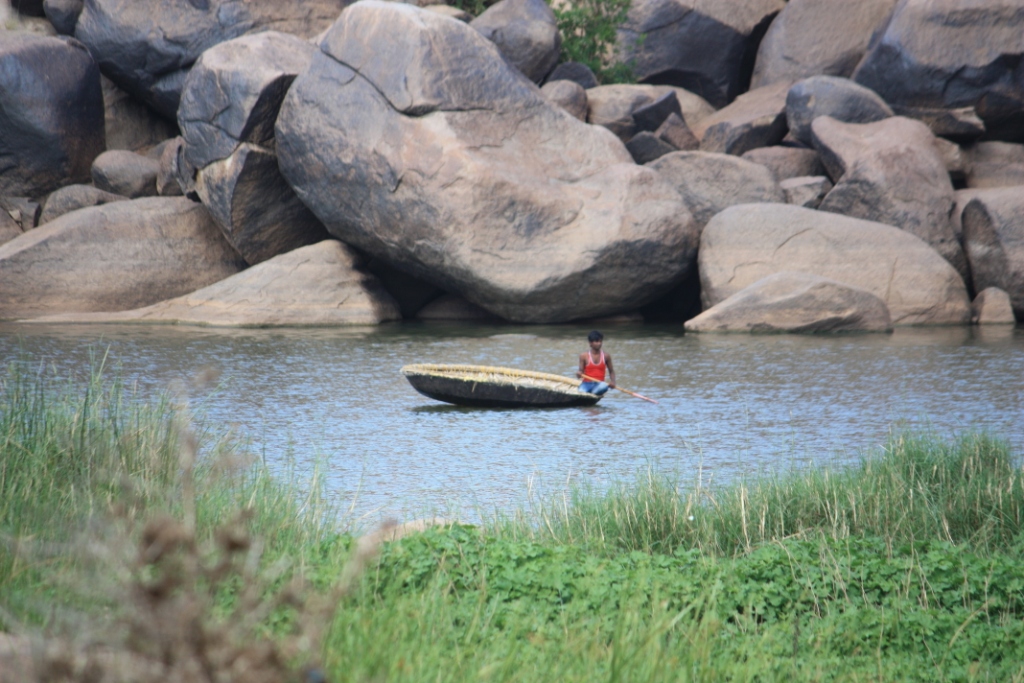
In Spring, the waters rise --
 Shore grass sways with breezes,
 And geese drift right beside;
 Boats glide as the stream pleases.
   Yon pagoda looks far,
      but feels quite close.

Streamside, one feels a chill.
 Fields have yet to be plowed --
 Not while the torrents spill.
 Mulberry limbs are bowed.
   Soon we'll have a taste,
      and harvest cocoons.
NOTE: The title of this poem is 蝶 戀 花. Xu Yuanchong uses the quite literal “Butterflies in Love with Flowers” as his translated title. I chose differently because a wet Spring is the throughline of the poem and, well, there are no explicit butterflies (or flowers) in the poem [only their potential.] Of course, maybe that’s exactly why the original is a great title.
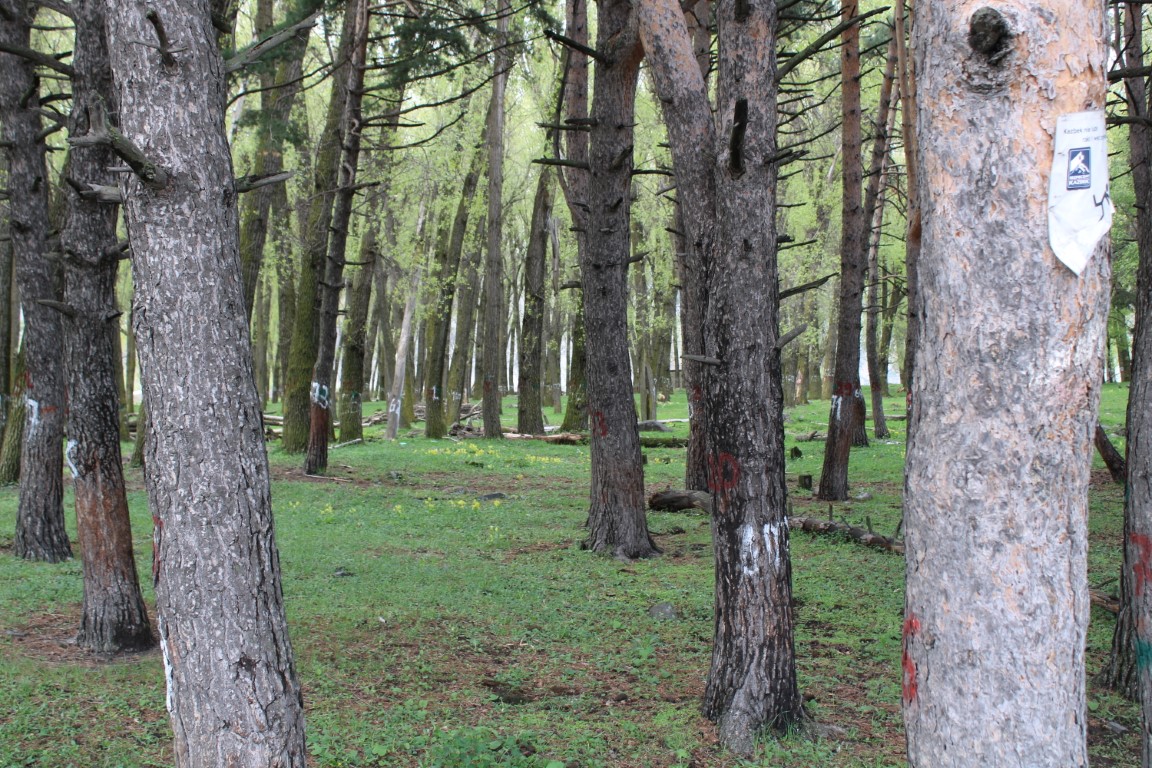
My Life had stood - a Loaded Gun -
   In Corners - till a Day
 The Owner passed - identified -
   And carried Me away -

And now We roam in Sovreign Woods -
   And now We hunt the Doe -
 And every time I speak for Him
   The Mountains straight reply -

And do I smile, such cordial light
   Opon the Valley glow -
 It is as a Vesuvian face
   Had let it's pleasure through -

And when at Night - Our good Day done -
   I guard My Master's Head -
 'Tis better than the Elder Duck's
   Deep Pillow - to have shared -

To foe of His - I'm deadly foe -
   None stir the second time -
 On whom I lay a Yellow Eye -
   Or an emphatic Thumb -

Though I than He - may longer live
   He longer must - than I -
 For I have but the power to kill,
   Without - the power to die -
 A Dome Of Many Colored Glass by Amy Lowell


