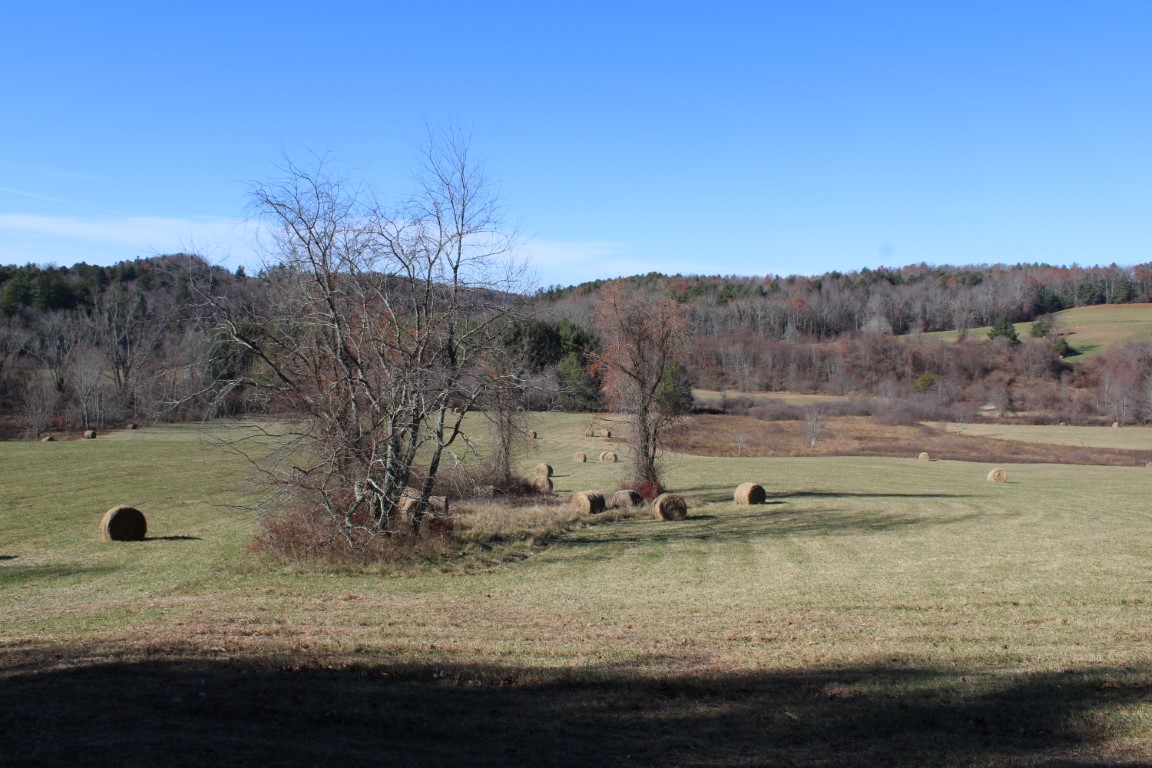
I'm going out to clean the pasture spring;
  I'll only stop to rake the leaves away
 (And wait to watch the water clear, I may):
  I sha'n't be gone long.  -- You come too.

I'm going out to fetch the little calf
  That's standing by the mother. It's so young,
  It totters when she licks it with her tongue.
  I sha'n't be gone long. -- You come too.
Publisher Site
This book is excerpted from a full-length novel entitled, A Concise Chinese-English Dictionary for Lovers, and it conveys what it’s like to be a stranger in a strange land — particularly when one has only a rudimentary grasp of the local language. Specifically, the story revolves around a young Chinese woman who moves to London to pursue her studies. In London, the young woman becomes involved with an older man, and much of the story looks at how culture — and particularly language — impacts the nature of the relationship. (And, also, how being in a relationship with a native of her new home impacts her language learning.)
Perhaps the most important factor influencing whether a reader will like or loath this book is how one feels about reading broken English. Like the dialectic poetry of Paul Laurence Dunbar, this book isn’t written in grammatically correct standard English. The broken – “learner’s” – English is quite effective at conveying the struggle of language learning and how culture and language are intertwined. But if reading grammatically incorrect writing gives you a headache, then this book is not for you.
As for why this book consists of excerpts, it’s part of a series called “Vintage Minis” that consists of short (or excerpted) works from prominent authors from around the globe, generally with a straightforward unifying theme. [Vintage Classics is an imprint of Penguin Random House.] The fact that the book was an excerpt didn’t create a problem for me. The origin material is a literary fiction novel and doesn’t seem to be significantly plot-driven. It’s much more character-driven, and thus getting a limited picture doesn’t open up a lot of unanswered questions about what will come next. In other words, it felt like it could have been a full piece of short, character-driven literary fiction.
I enjoyed reading this slim volume. I think it offers interesting insight into being a language learner abroad. If you’re interested in the challenges of language and culture in an unfamiliar place, this thin book is well worth reading.
At the beginning there was a huge drop of milk.
 Then Doondari came and he created the stone.
   Then the stone created iron;
   And iron created fire;
   And fire created water;
   And water created air.
 Then Doondari descended the second time.
   And he took the five elements
   And he shaped them into man.
 But man was proud.
 Then Doondari created blindness,
      and blindness defeated man.
   But when blindness became too proud,
 Doondari created sleep,
      and sleep defeated blindness;
   But when sleep became too proud,
 Doondari created worry,
      and worry defeated sleep;
   But when worry became too proud,
 Doondari created death,
      and death defeated worry.
   But then death became too proud,
 Doondari descended for the third time,
   And he came as Gueno, the eternal one.
     And Gueno defeated death.
NOTE: The Fulani (also known as Fula and Fulbe) are a West African herding tribe that live in Mali, Niger, Nigeria, Guinea, and Senegal.
Zenith
     These griefs
          These gardens on and on
 Where the toad croons a tender cry skyblue
 The hind of silence startled races by
 The nightingale that love has bruised sings in
 Your body's bush on which I've picked each rose
 Our hearts hang from the same pomegranate bough
 And in our gaze pomegranate blossoms blow
 That falling one by one have strewn the road
Still will I harvest beauty where it grows:
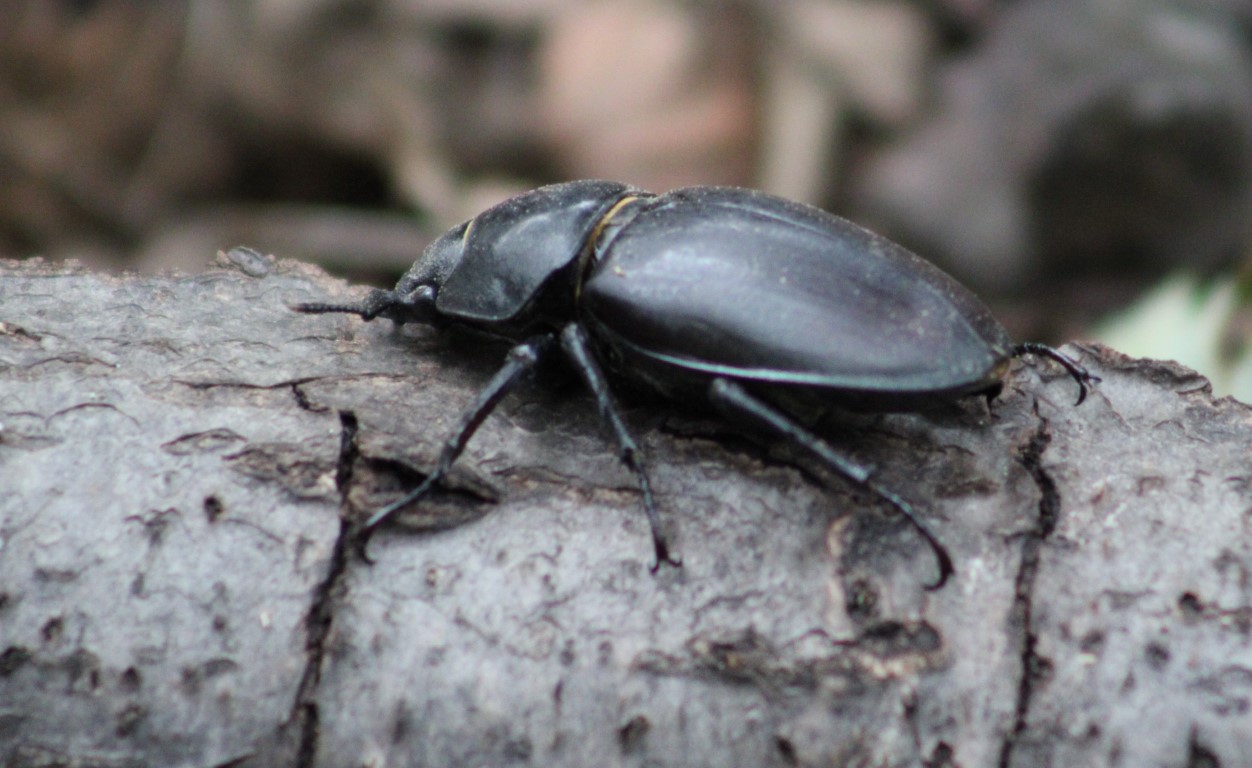
  In coloured fungus and the spotted fog
  Surprised on foods forgotten; in ditch and bog
  Filmed brilliant with irregular rainbows
 Of rust and oil, where half a city throws
  Its empty tins; and in some spongy log
  Whence headlong leaps the oozy emerald frog...
  And a black pupil in the green scum shows.
 Her the inhabiter of divers places
  Surmising at all doors, I push them all.
  Oh, you that fearful of a creaking hinge
  Turn back forevermore with craven faces,
 I tell you Beauty bears an ultra fringe
  Unguessed of you upon her gossamer shawl!
Publisher Website
This thin volume is packed with insights on writing — especially, but not exclusively, poetry. It consists of four chapters. The first two are the ars poetica of Lu Ji and Sikong Tu, respectively (i.e. The Art of Writing and The Twenty-Four Styles of Poetry.) The second half of the book consists of two chapters of collected sayings and poetry commentary excerpts.
I haven’t read a book so dense with quotable lines in a while. Some of the advice offered is universal and timeless (e.g. avoid cliches and read voraciously,) but some of it reflects a uniquely Chinese perspective rooted in Taoist and Zen sentiments (e.g. how to use wu wei [effortlessness] in one’s writing and so forth.)
There is a preface and each of the sections has its own editorial opening, but these never feel like padding (which often happens with books that come out to less than a hundred pages of content.) Instead, this ancillary material is concise and helps to offer historic and cultural context.
I’d highly recommend this book for writers and those interested in Eastern aesthetics and literature. That said, you don’t necessarily have to be interested in both. Any writer could pick up some beneficial tips while reading this book, and it’s compact, highly readable, and even humorous in places.
















 Tiger Riding for Beginners