

 The Anchor Book of Chinese Poetry: From Ancient to Contemporary, The Full 3000-Year Tradition by Tony Barnstone
What historical event fascinates you the most?
It varies over time. For a long time, it was the Second World War and the Holocaust. How do you get the rise of Nazis and the horrors that sprang therefrom? Sadly, I think that question has been answered to my — for lack of a better word— satisfaction.
The execution of Socrates has spurred a great deal of thought.
In terms of what is not so much a historical event, but historical processes, I’m intrigued by the life of Buddha.
Then there are a lot of explorer / adventurer travels.
Diogenes [of Sinope] and – also – Drukpa Kunley. Each of them spoke his mind, lived by his own rules, never wore a mask, and could not be controlled. They were truly free.
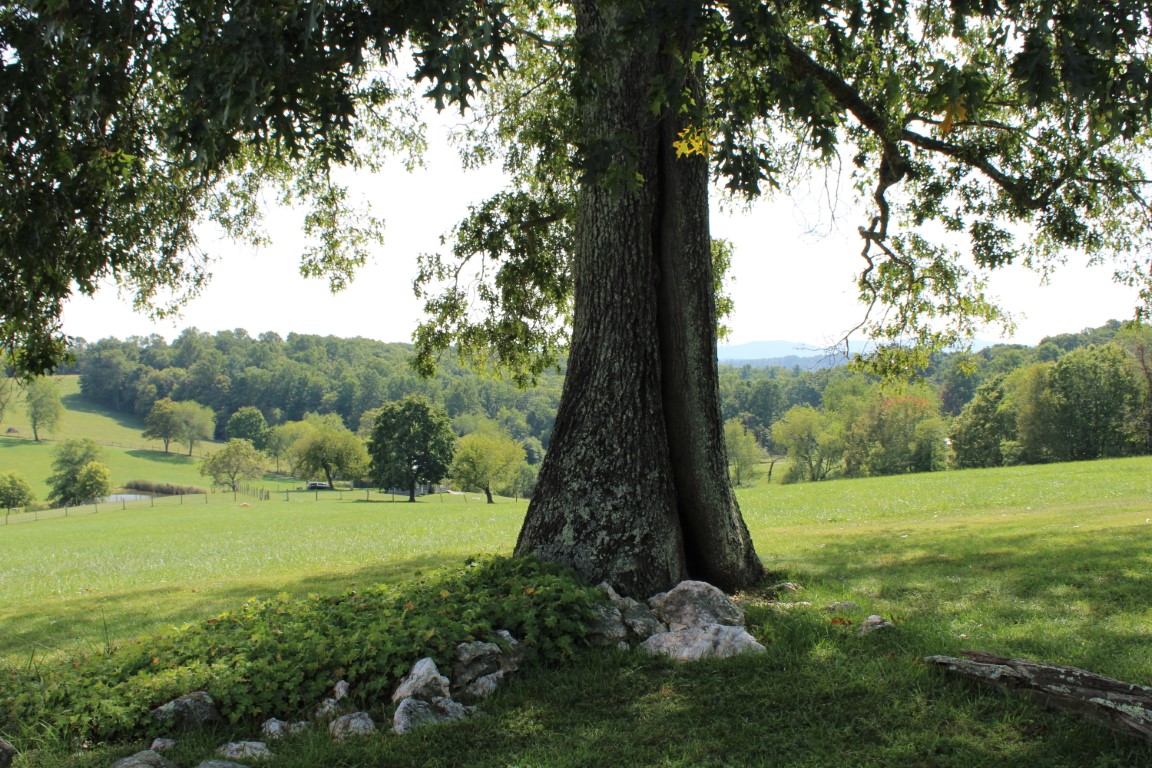
How to pick a tree
 that one can be resigned
  to sit under until
   Enlightenment?

If the choice is hard,
   you are not ready.

If the choice is easy,
   you are not ready.

If there is no choice,
    perhaps, you're ready.
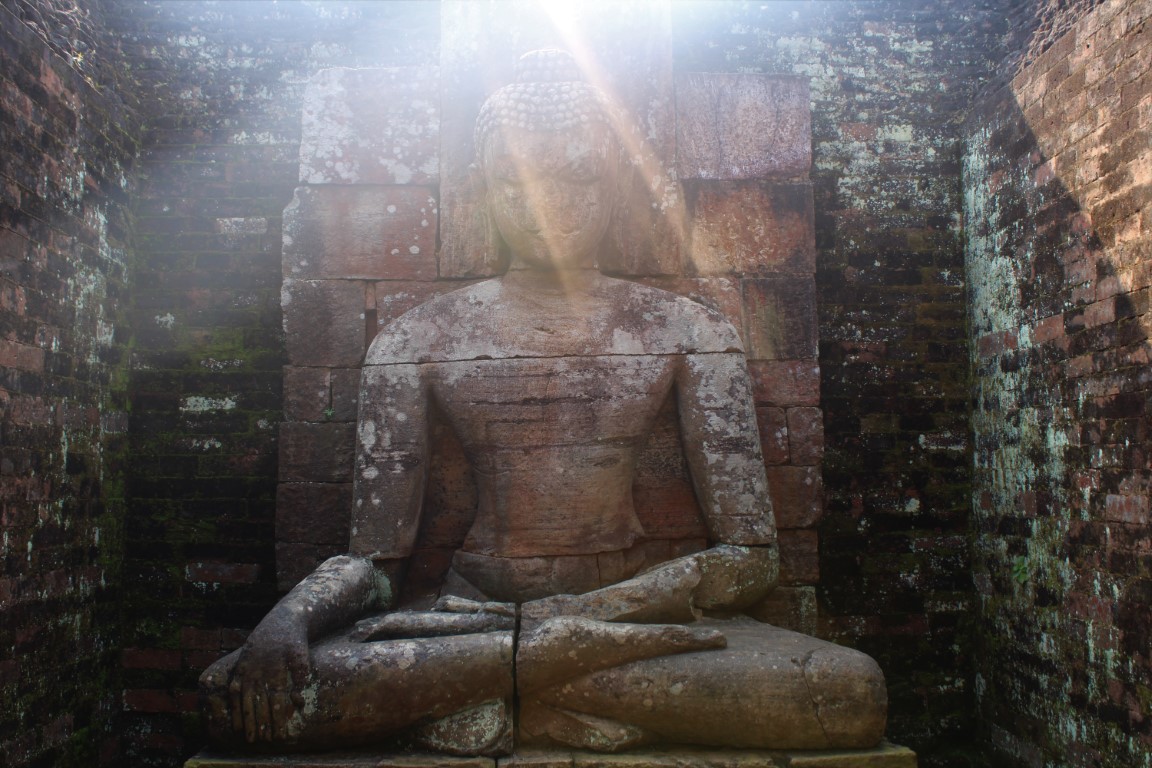
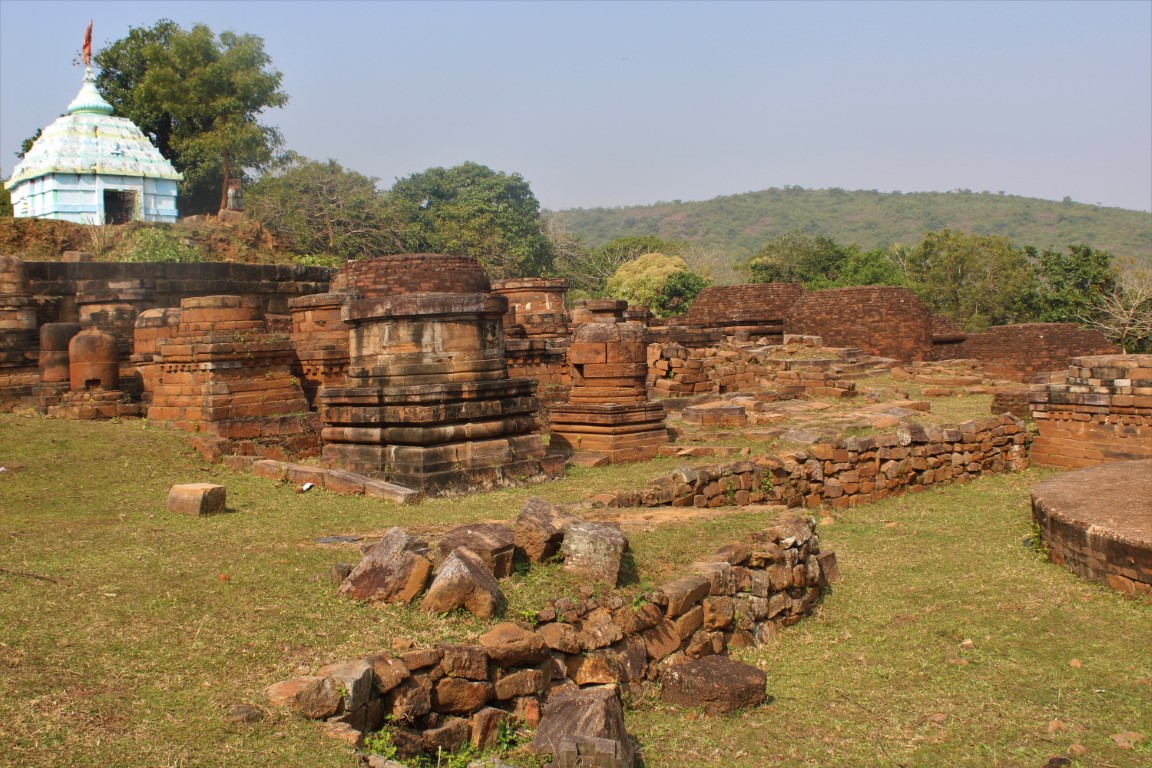
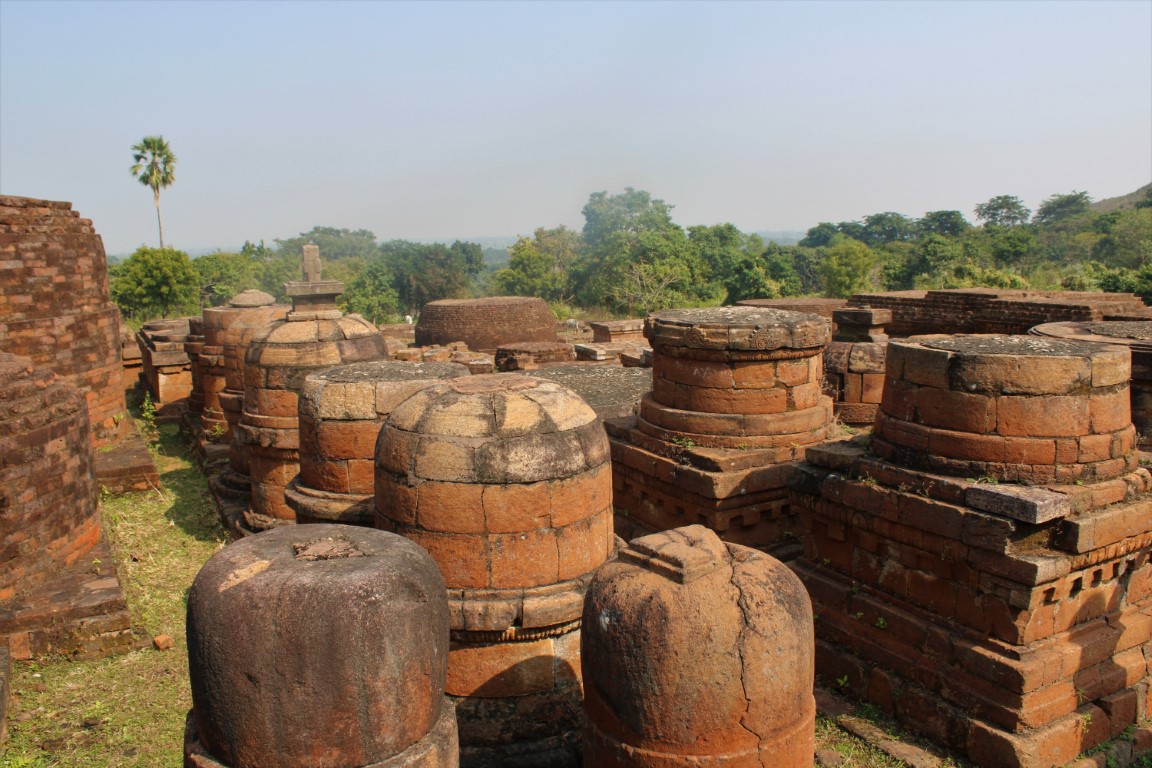
Walking the ruins
   of some old Buddhist
   university,

I entered a chamber,
    and found myself
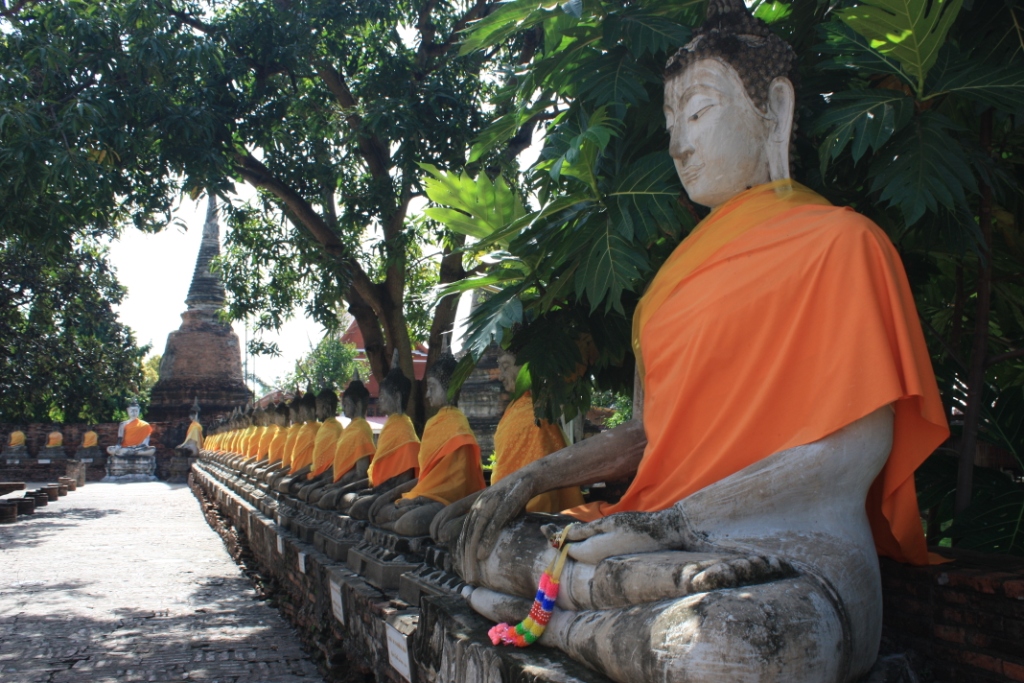
    confronting a Buddha,
    its head obscured by
    a bolt of sunlight.

I thought it might be like
    one of those Angkor Wat
    crop tops from when Pol Pot
    had the heads chopped off
    all the Buddhas to make
    some quick cash.

But the head was intact,
    just blotted out by blinding light,
    and I blinked my way into sight
    of that serene face.
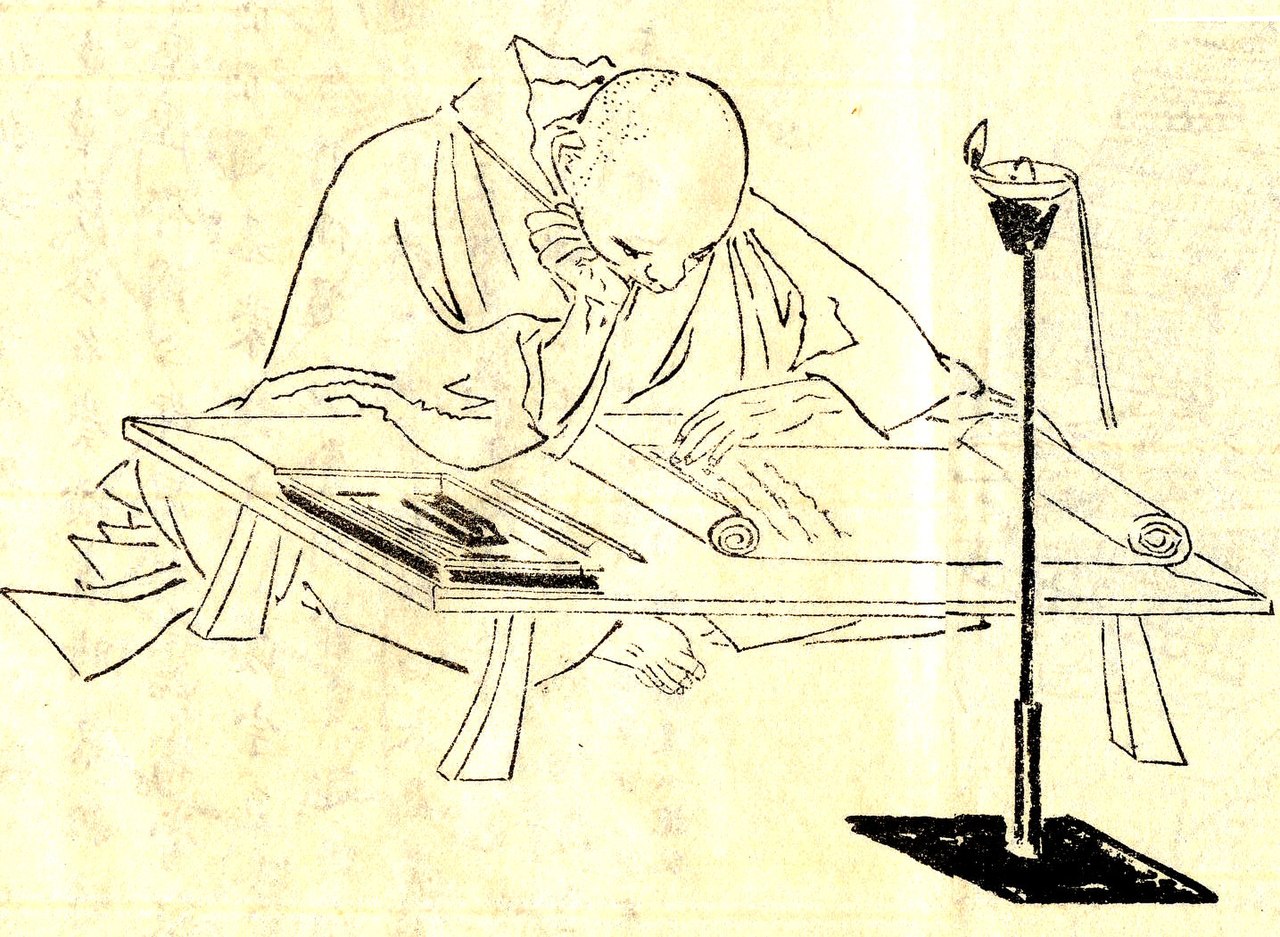
There is much to admire, though, in a dedicated recluse.
Kenkō Yoshida, Essays in Idleness (No. 1)
Going on a journey, whatever the destination, makes you feel suddenly awake and alive to everything.
Kenkō Yoshida, Essays in IdleNess (No. 15)
You can find solace for all things by looking at the moon.
Kenkō Yoshida, Essays in Idleness (no. 21)
Something left not quite finished is very appealing, a gesture toward the future.
Kenkō Yoshida, Essays in Idleness (No. 82)
It’s in easy places that mistakes will always occur.
Kenkō Yoshida, Essays in Idleness (No. 109)
CITATION: Kenkō Yoshida & Kamo no Chōmei. 2013. Kenkō and Chōmei: Essays in Idleness and Hōjōki. London: Penguin. 206pp.







 Tiger Riding for Beginners