In Spring, the waters rise --
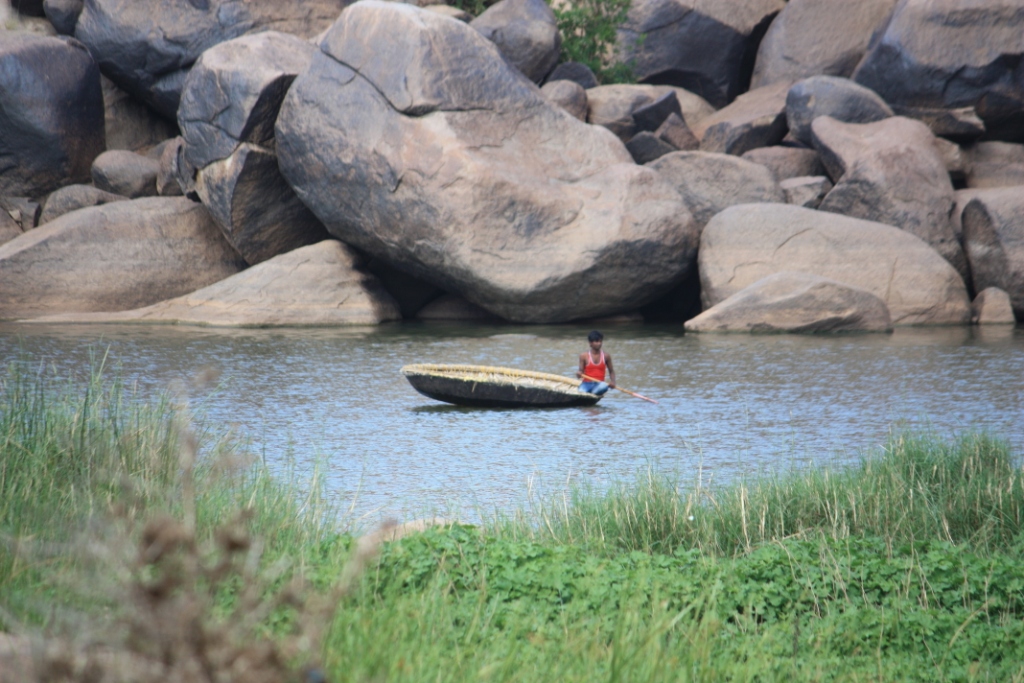
 Shore grass sways with breezes,
 And geese drift right beside;
 Boats glide as the stream pleases.
   Yon pagoda looks far,
      but feels quite close.

Streamside, one feels a chill.
 Fields have yet to be plowed --
 Not while the torrents spill.
 Mulberry limbs are bowed.
   Soon we'll have a taste,
      and harvest cocoons.
NOTE: The title of this poem is 蝶 戀 花. Xu Yuanchong uses the quite literal “Butterflies in Love with Flowers” as his translated title. I chose differently because a wet Spring is the throughline of the poem and, well, there are no explicit butterflies (or flowers) in the poem [only their potential.] Of course, maybe that’s exactly why the original is a great title.
The shades of night were falling fast,
 As though an Alpine village passed
 A youth, who bore, 'mid snow and ice,
 A banner with the strange device,
     Excelsior!

His brow was sad; his eye beneath,
 Flashed like a falchion from its sheath,
 And like a silver clarion rung
 The accents of that unknown tongue,
     Excelsior!

In happy homes he saw the light
 Of household fires gleam warm and bright;
 Above, the spectral glaciers shone,
 And from his lips escaped the groan,
     Excelsior!

"Try not the Pass!" the old man said;
 "Dark lowers the tempest overhead,
 The roaring torrent is deep and wide!"
 And loud that clarion voice replied,
     Excelsior!

"Oh stay," the maiden said, "and rest
 Thy weary head upon this breast!"
 A tear stood in his bright blue eye,
 But still he answered, with a sigh,
     Excelsior!

"Beware the pine-tree's withered branch!
 Beware the awful avalanche!"
 This was the peasant's last Good-night,
 A voice replied, far up the height,
     Excelsior!

At break of day, as heavenward
 The pious monks of Saint Bernard
 Uttered the oft-repeated prayer,
 A voice cried through the startled air,
      Excelsior!

A traveller, by the faithful hound,
 Half-buried in the snow was found,
 Still grasping in his hand of ice
 That banner with the strange device,
     Excelsior!

There in the twilight cold and gray,
 Lifeless, but beautiful, he lay,
 And from the sky, serene and far,
 A voice fell like a falling star,
     Excelsior!
One may live a century --
 Short span though it may be:
  Joys are bitterly brief
  And sorrows are many.
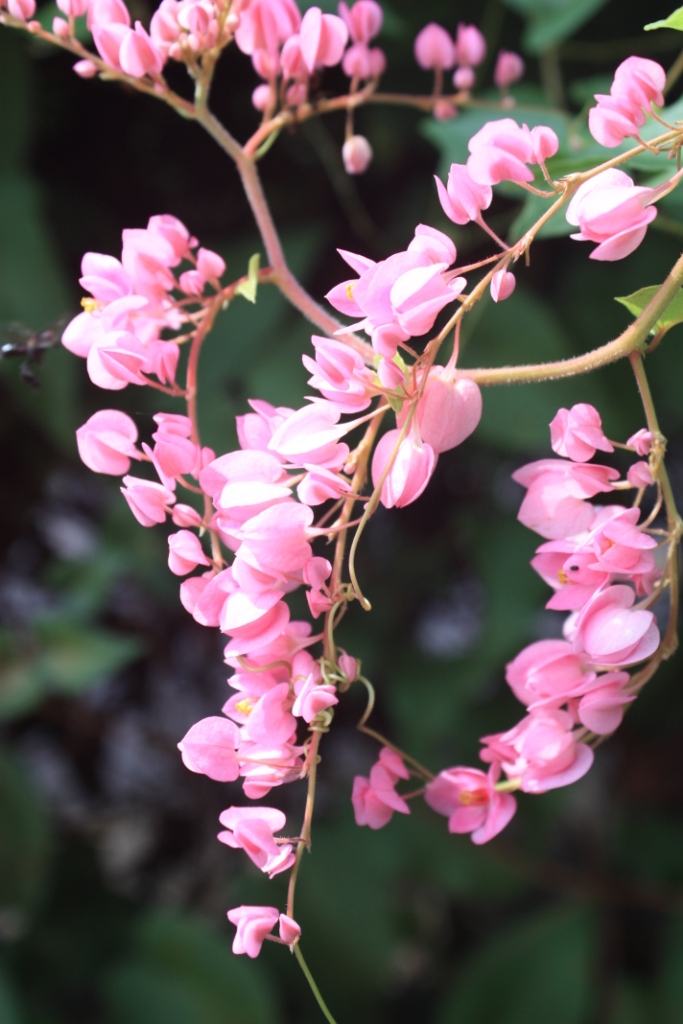
 You may take a wine jug
  On your wisteria rounds:
   See flowers grow to the eves
   As sparse rains wet the grounds.
 And when the wine is gone,
  One strolls with cane and croons.
   We become wizened with age;
   South Mount, fair through countless moons.
NOTE: The late Tang Dynasty poet, Sikong Tu (a.k.a. Ssŭ-k‘ung T‘u,) wrote an ars poetica entitled Twenty-Four Styles of Poetry (二十四诗品.) It presents twenty-four poems that are each in a different tone, reflecting varied concepts from Taoist philosophy and aesthetics. Above is a crude translation of the twenty-third of the twenty-four poems. This poem’s Chinese title is 旷达, which has been translated as: “Illumed” [Giles,] “Big-hearted and Expansive [Barnstone and Ping,] “Expansive,” and “Open-minded.”
There be none of Beauty's daughters
   With a magic like thee;
 And like music on the waters
   Is thy sweet voice to me:
 When, as if its sound were causing
   The charmed ocean's pausing,
 The waves lie still and gleaming,
   And the lull'd winds seem dreaming:

And the midnight moon is weaving
   Her bright chain o'er the deep;
 Whose breast is gently heaving,
   As an infant's asleep;
 So the spirit bows before thee,
   To listen and adore thee;
 With a full but soft emotion,
    Like the swell of Summer's ocean.
Why make so much of fragmentary blue
  In here and there a bird, or butterfly,
  Or flower, or wearing-stone, or open eye,
  When heaven presents in sheets the solid hue?

Since earth is earth, perhaps, not heaven (as yet) ---
  Though some savants make earth include the sky;
  And blue so far above us comes so high,
  It only gives our wish for blue a whet.
Behold, the grave of a wicked man,
   And near it, a stern spirit.

There came a drooping maid with violets,
 But the spirit grasped her arm.
   "No flowers for him," he said.
 The maid wept:
   "Ah, I loved him."
 But the spirit, grim and frowning:
   "No flowers for him."

Now, this is it --
 If the spirit was just,
 Why did the maid weep?
With no god, but with spirit;
   With no mass of tiny things;
   Up on high, with the white clouds --
   Borne aloft on breezy wings.
 From afar all seems in place.
   When you arrive it's not there.
   Just like acting with the Way
   Leaves customs beyond repair.
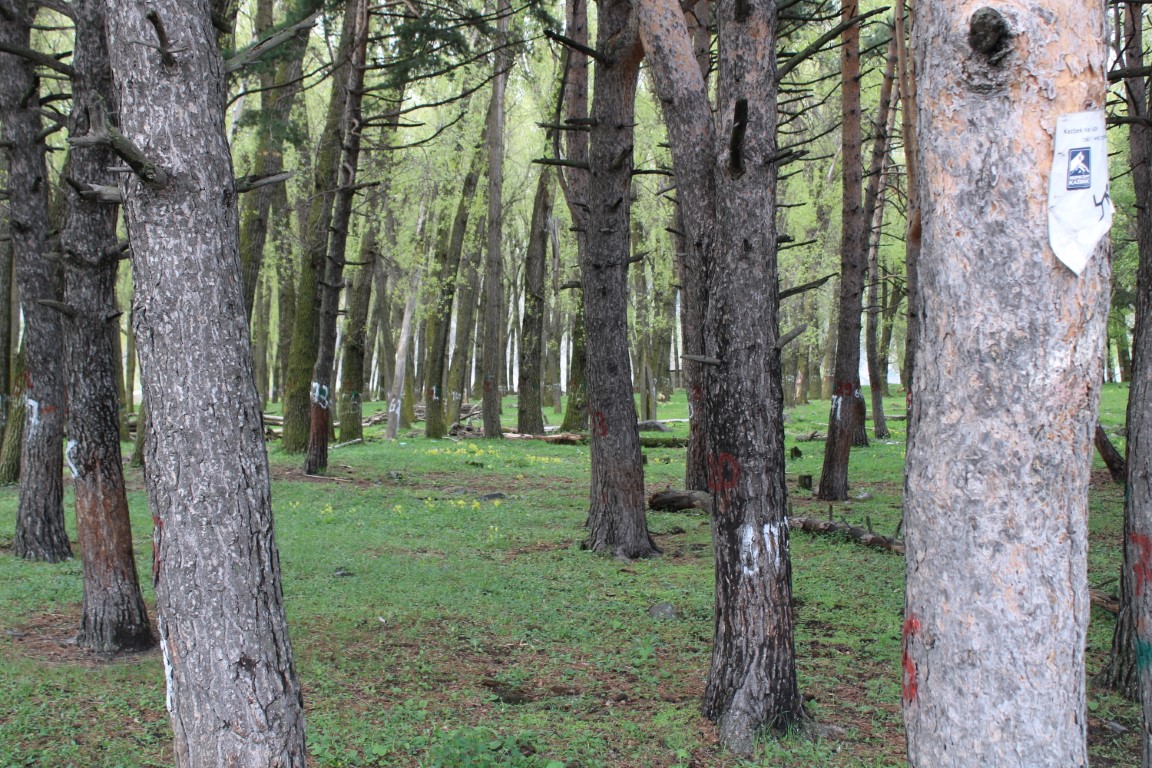
 Chaotic mountain woodlands,
   Sweet green moss in the sunshine.
   Keep reciting your mantra,
   Till it's lost among the pines.
NOTE: The late Tang Dynasty poet, Sikong Tu (a.k.a. Ssŭ-k‘ung T‘u,) wrote an ars poetica entitled Twenty-Four Styles of Poetry (二十四诗品.) It presents twenty-four poems that are each in a different tone, reflecting varied concepts from Taoist philosophy and aesthetics. Above is a crude translation of the twenty-first of the twenty-four poems. This poem’s Chinese title is 超诣 and it’s been translated as “The Transcendental” and “Super”











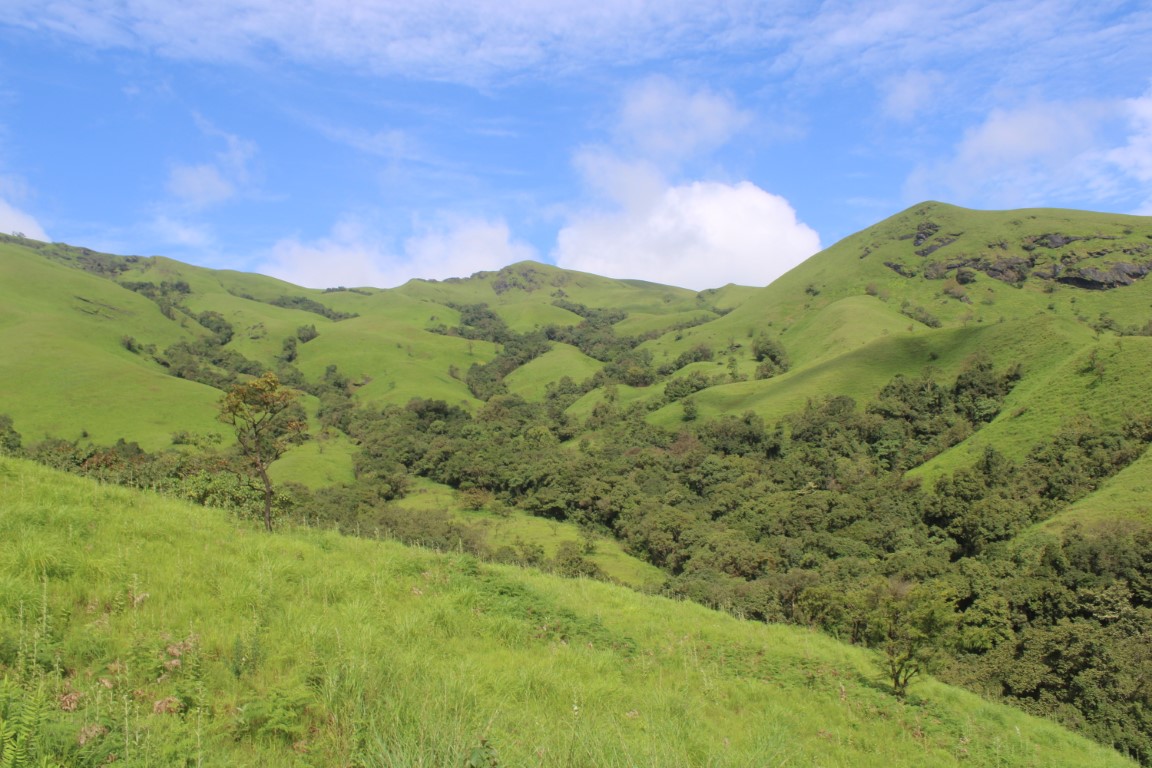

 Tiger Riding for Beginners