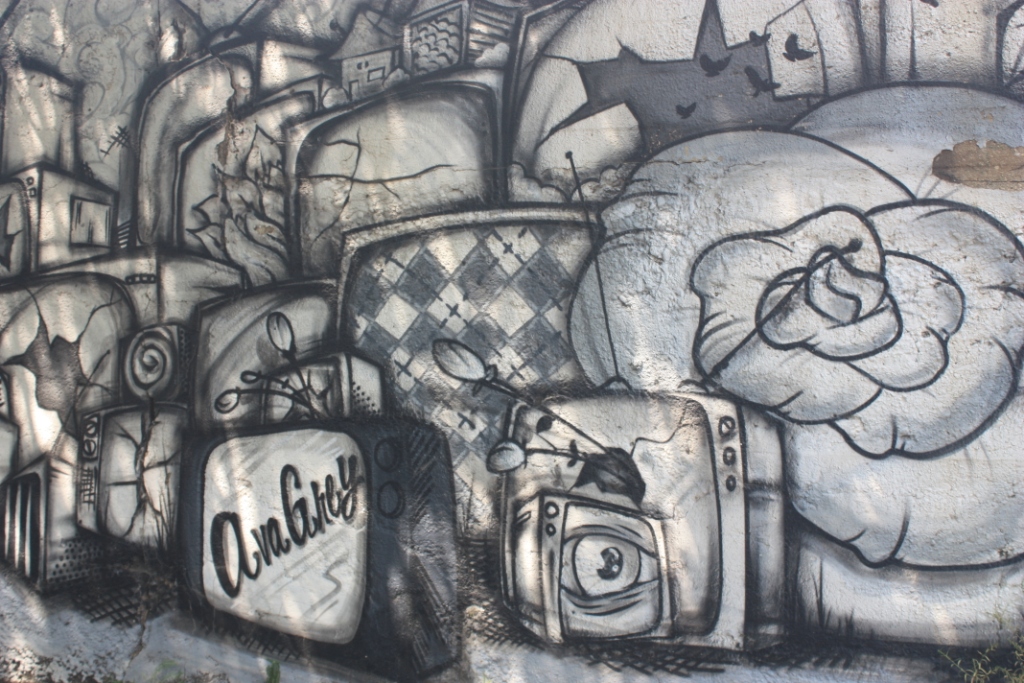
DAILY PHOTO: Neill Island Sunrise Beach

Taken on Neill Island (Shaheed Dweep) in December of 2018

Mind-Breaking Poetry [Free Verse]

I need some mind-breaking poetry -
some Blake, some Dickinson,
some Yeats, some Whitman,
some Langston Hughes.

I need a poem that's a kōan, 
that makes the mind a mackerel fish,
and doesn't mind doing it.

I need a poem that sizzles
inside my bones.

Dreams All the Way Down [Free Verse]

I awaken from a dream
within a dream,
and I'm still dreaming --

dreaming that I'm walking
with the others,
the others that I'm told
are all me,
walking in some vaguely familiar
exotic destination

Of course, I don't know I'm dreaming.

I did wake up after all,
but it turns out that

it's dreams all the way down.

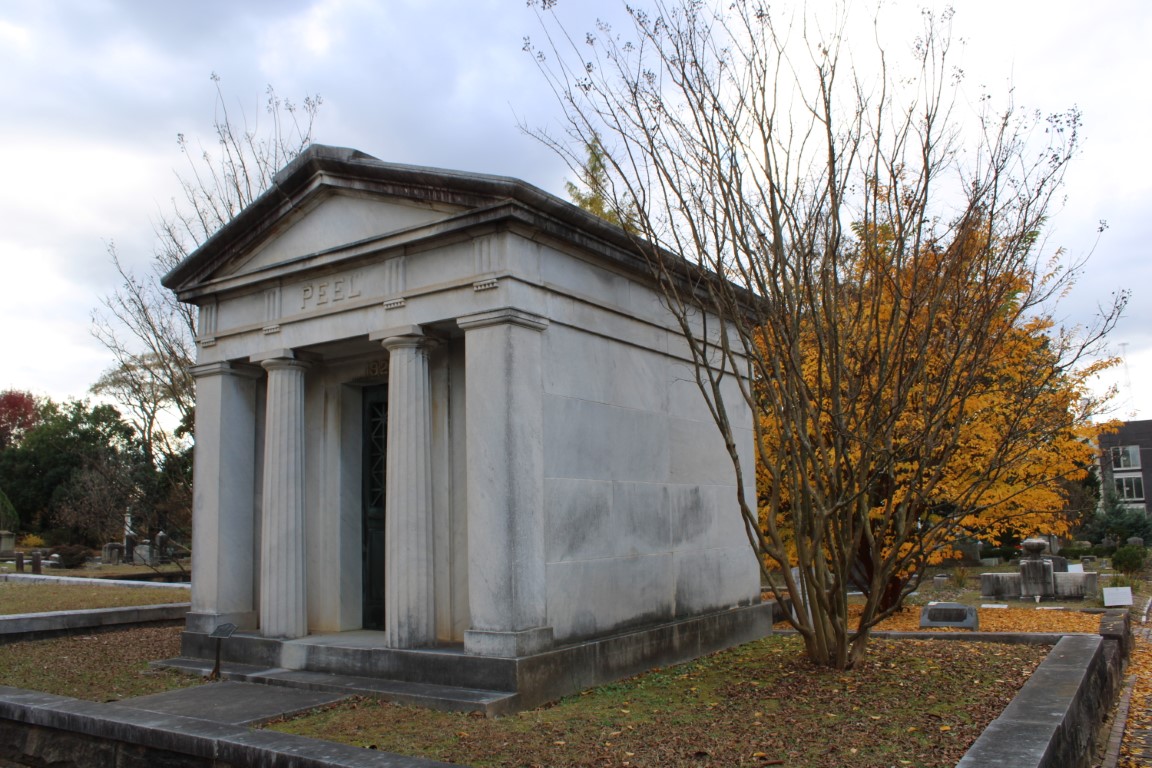
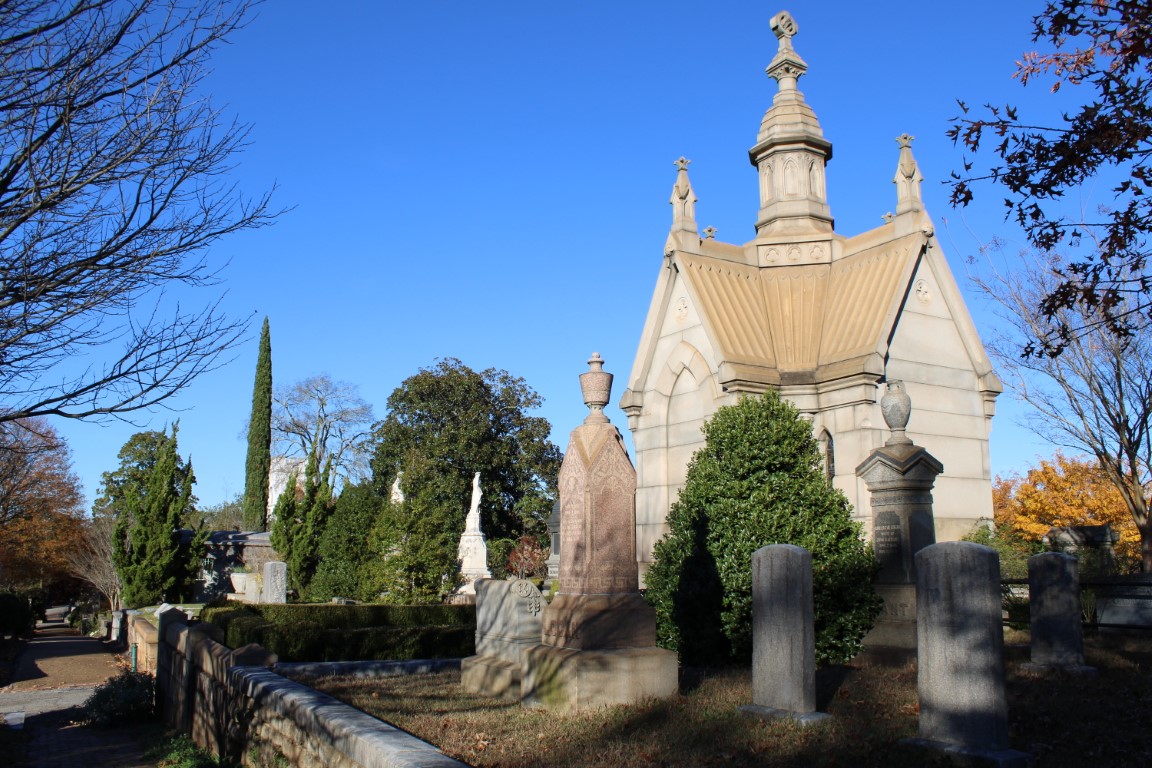
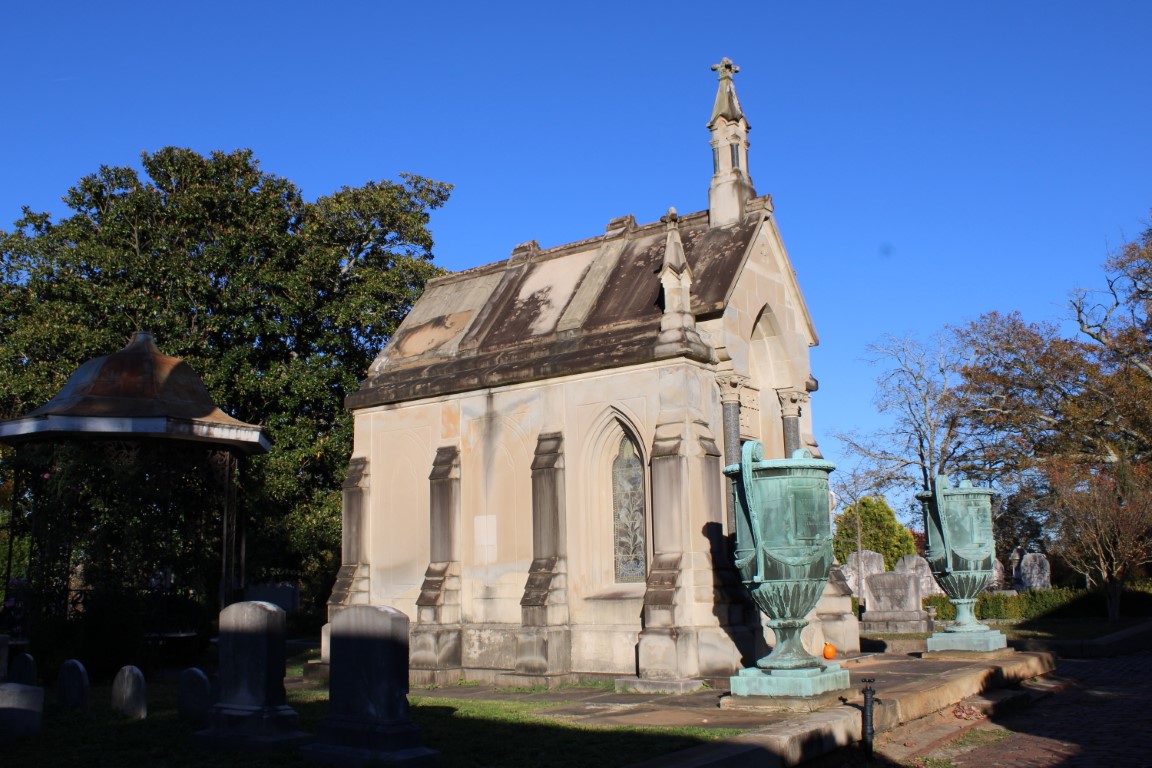
DAILY PHOTO: Mausoleums, Oakland Cemetery

Taken in November of 2021 at Oakland Cemetery

BOOK REVIEW: unMind: A Graphic Guide to Self-Realization by Siddharth Tripathi

unMind: A Graphic Guide to Self-RealizationunMind: A Graphic Guide to Self-Realization by Siddharth Tripathi
My rating: 5 of 5 stars

Amazon.in Page

This clear and concise guide uses graphics and story to make the self-realization teachings of Sri Ramana Maharshi (and those influenced by him) approachable and even entertaining. Ramana Maharshi was a Jnana yogi who advocated a single-minded path of self-inquiry as a means of coming to grips with one’s life. This book does a spectacular job of conveying the method of self-realization and exploring the philosophical ideas that inform it.

For those unfamiliar with Jnana Yoga, there can be said to be three forms of yoga. Bhakti Yoga is the devotional form practiced by those who have an affinity for worship. Karma Yoga is associated with actions and a selfless works. This leaves Jnana Yoga, which is the studious branch of Yoga. Jnana yoga is widely considered to be the most difficult path because it requires constant self-investigation, and because one is working without a net in that one takes nothing on faith, but rather one must see for oneself. This makes Jnana Yoga the least appealing “flavor” of yoga, but if one is a scientifically-minded and studious person, it offers an option that one will find far preferable. While terms like “self-inquiry” and “self-realization” may sound pretty pie-in-the-sky, the approach is really quite grounded.

I found both the text explanations and the artwork to be incredibly effective in explaining the ideas behind self-inquiry and Jnana Yoga. The artwork combines comic strip style graphics with full-page stylized images. Not all the material features graphics, but the text-only pages are concise and easy to follow.

If you are looking for insight into Jnana Yoga, self-inquiry, self-realization, or just the way the mind works, generally, I’d highly recommend this book.


View all my reviews

Part Line [Haiku]

a gleaming river
parts the near, vivid hills 
from the smoky frauds

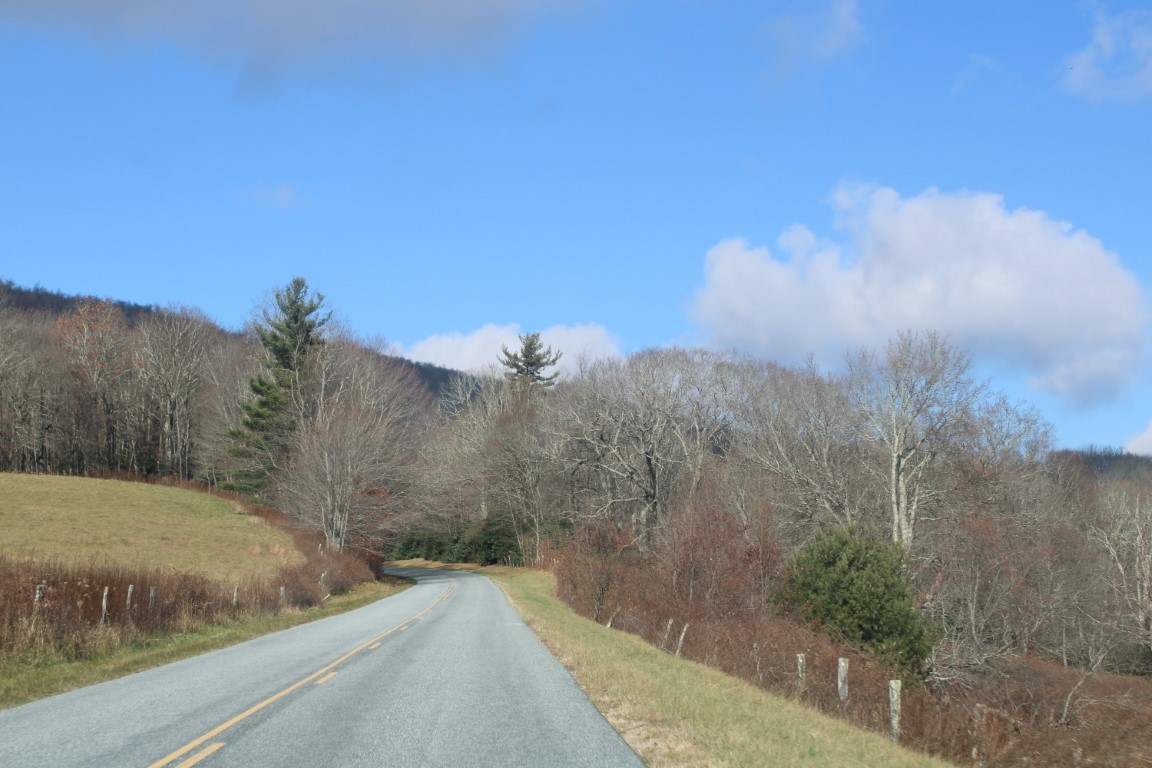
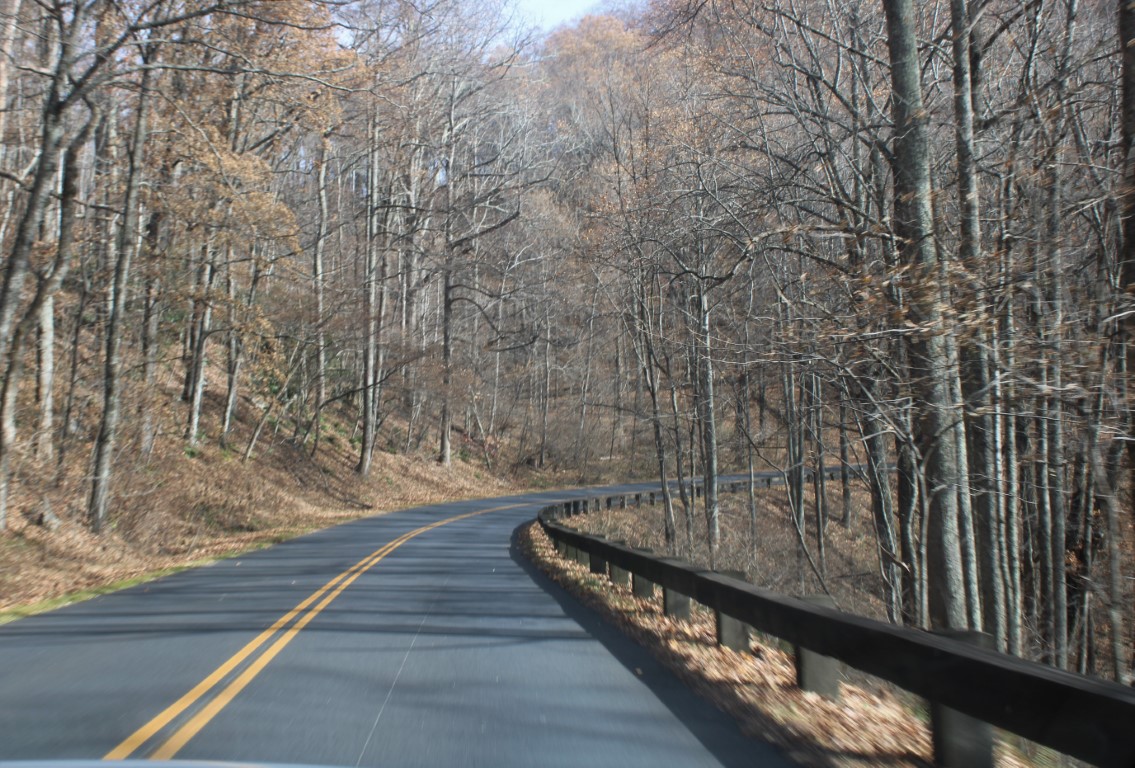
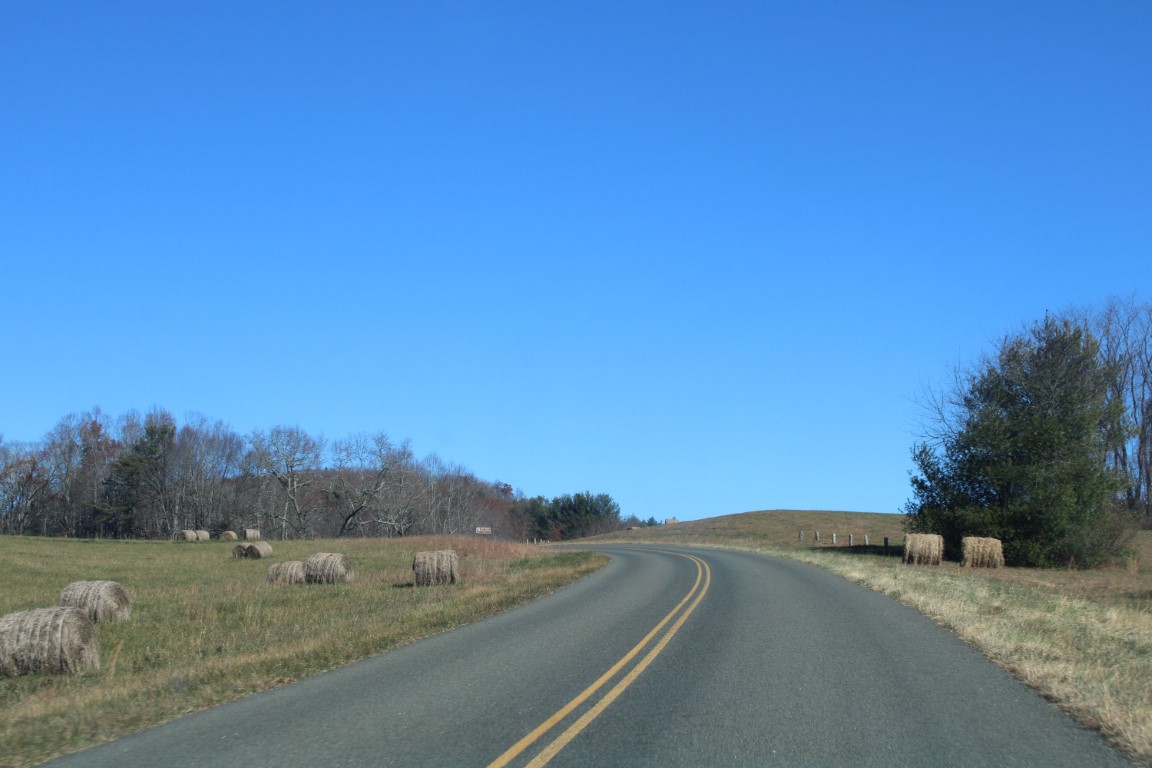
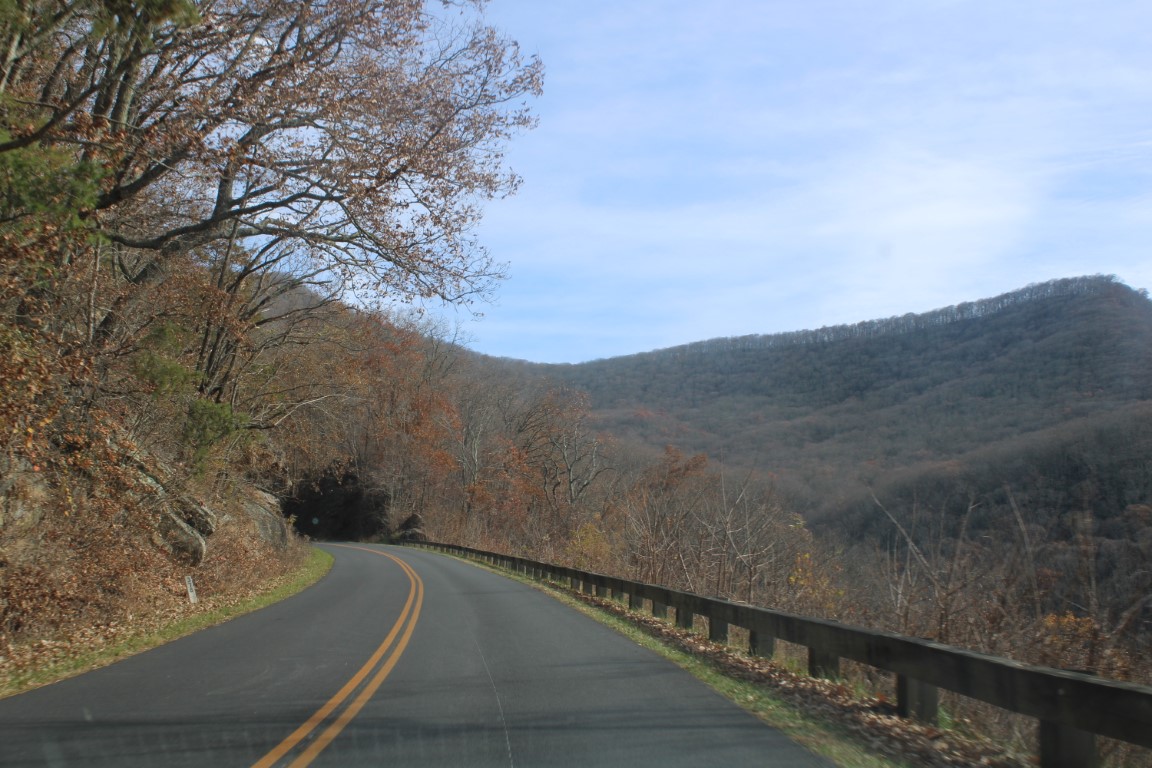
DAILY PHOTO: Scenes from the Blue Ridge Parkway

Taken in November of 2021 on the Blue Ridge Parkway

BOOK REVIEW: Zen Art for Meditation by Stewart W. Holmes and Chimyo Horioka

Zen Art for MeditationZen Art for Meditation by Stewart W. Holmes
My rating: 5 of 5 stars

Amazon.in Page

This is a clear and insightful exploration of what puts the Zen in Zen art. Zen Buddhism has long been associated with mind states conducive to peak performance in everything from tea making to swordsmanship. This book examines how Zen philosophy and mindset shows up in paintings and haiku poetry.

Fifteen tenets of Zen are presented, and for each of them two paintings (i.e. sumi-e) and several poems (i.e. haiku or tanka) are shown that have subject matter exemplifying the precept in question. The text points the way to understanding how the art is informed by Zen ideas.

I’ve read other books on the nexus between Zen and art, but this one became my favorite. It is concise, well-organized, and illuminating. There are a number of classes of people for whom I’d highly recommend this book. If you are studying Zen meditation (or peak mental performance more generally,) this book is for you. If you are a poet interested in Japanese forms, this book is for you. If you are an artist or a student of Chinese and Japanese painting styles, this book is for you. And, if you are interested in philosophy, be it Buddhist philosophy or aesthetics, this book is for you.


View all my reviews

BOOK REVIEW: A Simpler Life by The School of Life
A Simpler LifeA Simpler Life by The School of Life
My rating: 3 of 5 stars

Amazon.in Page

Out: January 6, 2022 (May be later in your market)

This book is hard to rate because for the person who is entirely new to the subject, it will offer some interesting food for thought and point one in the direction of useful resources. However, if you’ve been giving the topic some thought and have read works like Kamo no Chōmei’s “The Ten Foot Square Hut,” you’re likely to find it a disappointing regurgitation of the thoughts of others mixed with banal truisms. So, I wouldn’t recommend it for someone who’s begun simplifying their lives, but for someone who needs an entry point that isn’t as intimidating as hardcore works such as that of Chōmei it might be of use.

My biggest problem with this book was that it seemed to suggest that because simplifying means more simplicity that all readers would be converging toward the same life. In other words, that there isn’t space for a diversity of approaches to simplicity. In one of the great ironies of the book, it advocates for reading less and having at most a dozen books on one’s shelf. The irony isn’t the suggestion of fewer books, but that in a world in which no one had more than a dozen books on their shelves, this book would not exist on any of them. And the kinds of books this book suggests are essentially self-help titles. [To be fair, I almost never read self-help books because they mostly (and certainly in this case) leave me feeling like I would having come from a fortuneteller – i.e. feeling lighter in the wallet, but no wiser in the mind.]

This isn’t a bad book, but I think most readers can do better.


View all my reviews