Fisher [Haiku]

watching a duckling
hold a thrashing fish tightly,
i drop my corn chip

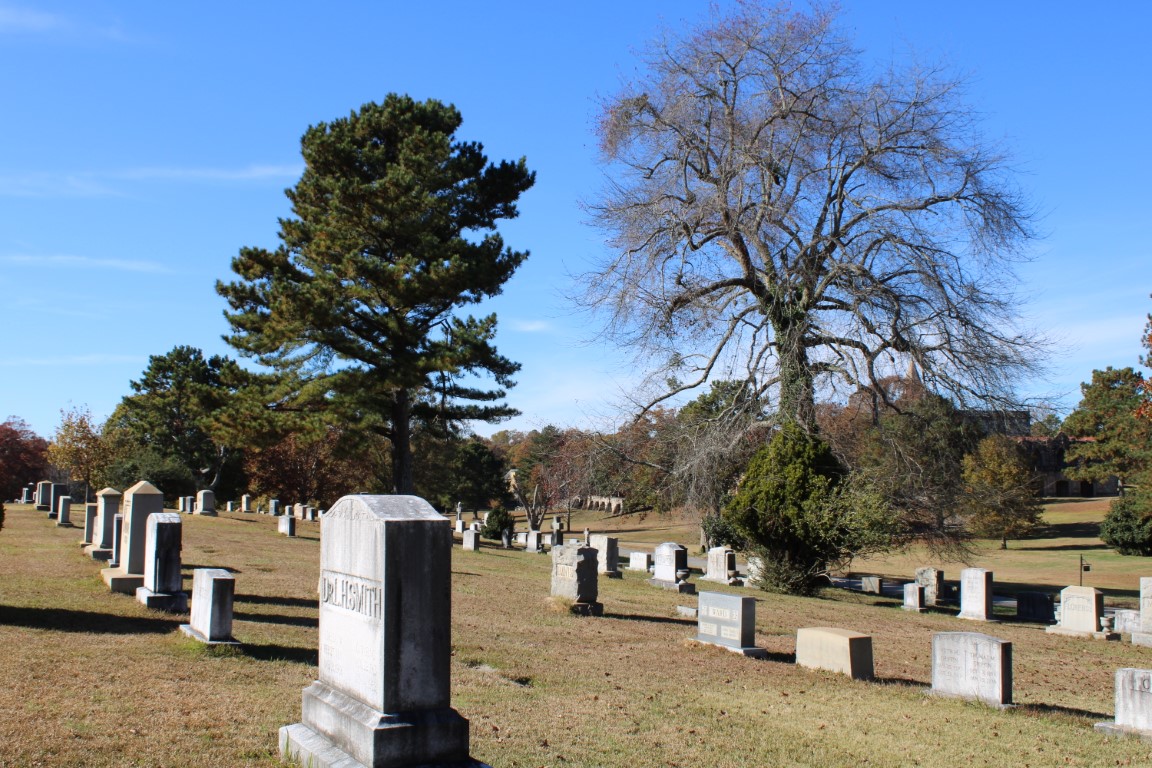
DAILY PHOTO: Trees in a Graveyard

Taken in November of 2021 in Westview Cemetery, Atlanta

BOOK REVIEW: Zen in the Art of Writing by Ray Bradbury
Zen in the Art of WritingZen in the Art of Writing by Ray Bradbury
My rating: 5 of 5 stars

Amazon.in Page

I rarely re-read books, but I’m glad that I revisited this one. I think I read it more smartly on the second go — more in a way that benefited from Bradbury’s style and message. The book’s nine essays, capped by a small collection of poems, convey lessons on writing, and – specifically – creativity in writing. Bradbury was among my favorite authors because he combined brilliant language with clever stories – i.e. he was creative on both levels. That’s a rarity. There are many excellent storytellers whose language lacks poetry or finesse. And, there are writers who are eloquent and evocative with language, but who either care little for, or have limited gift for, story.

While Bradbury claimed no expertise in Zen and doesn’t hide that he cribbed his title from a popular work by Eugen Herrigel entitled, “Zen in the Art of Archery,” it remains an appropriate title for the book and its eponymous final essay. Throughout the book, one can feel the Zen in Bradbury’s writing. He lets his words and analogies flow without becoming obsessively analytical about them – or at least appearing not to have been. Bradbury uses a lot of short, punchy sentences and a great many poetic applications of figurative language. He practices what he preaches as he both gives lessons and simultaneous demonstrations on how to write. His advice ranges from using single word writing prompts to shake one out of writer’s block, to the very Zen idea of avoiding thought – i.e. letting the words come from the subconscious. Lest one think that there is a conflict in a book on creativity that draws from another book’s title, there’s a recognition that creative writing is never wholly novel.

This book is well worth reading, not just for writers but for other artists and creative types as well. I highly recommend it.


View all my reviews

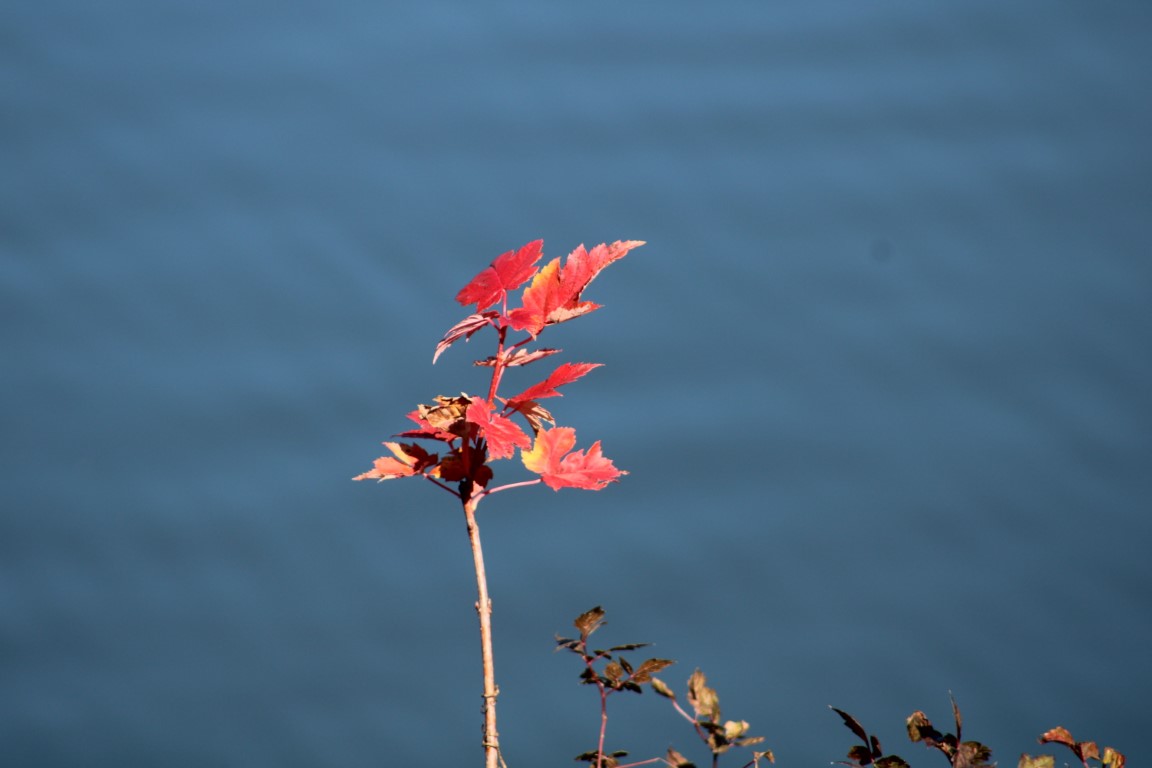
Autumn Sapling [Haiku]

the maple sapling
flexes in the breeze,
but holds its leaves

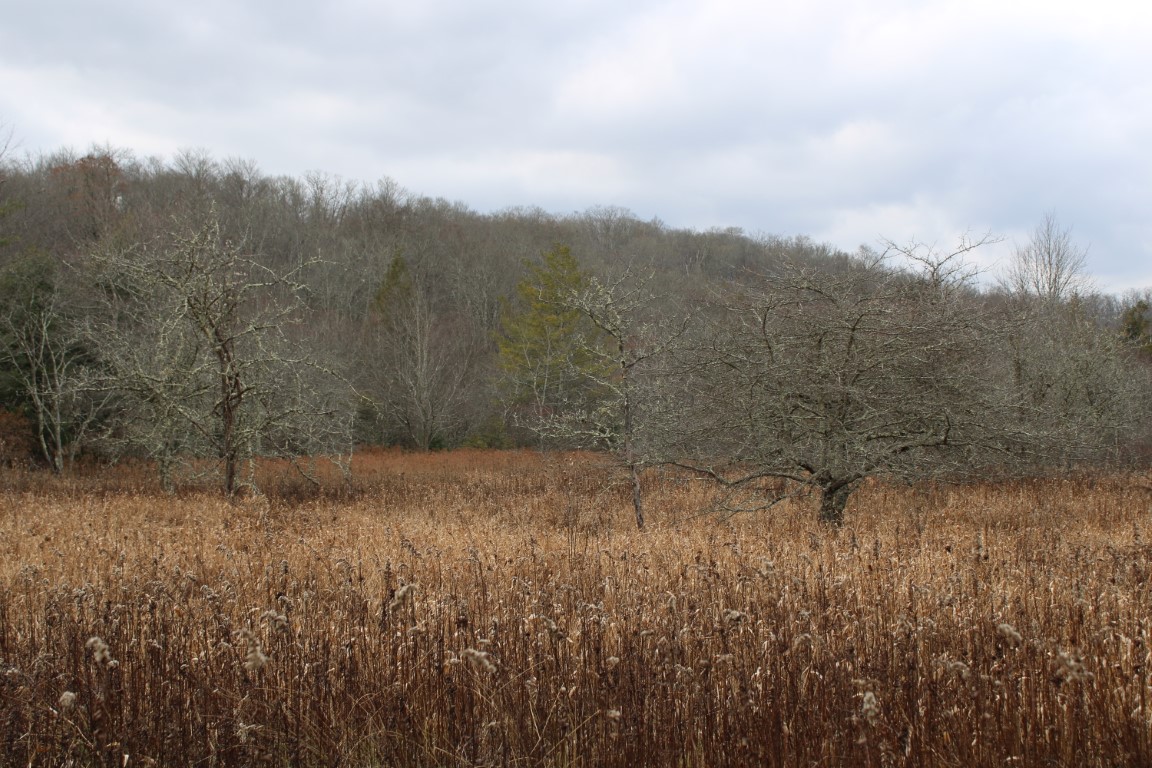
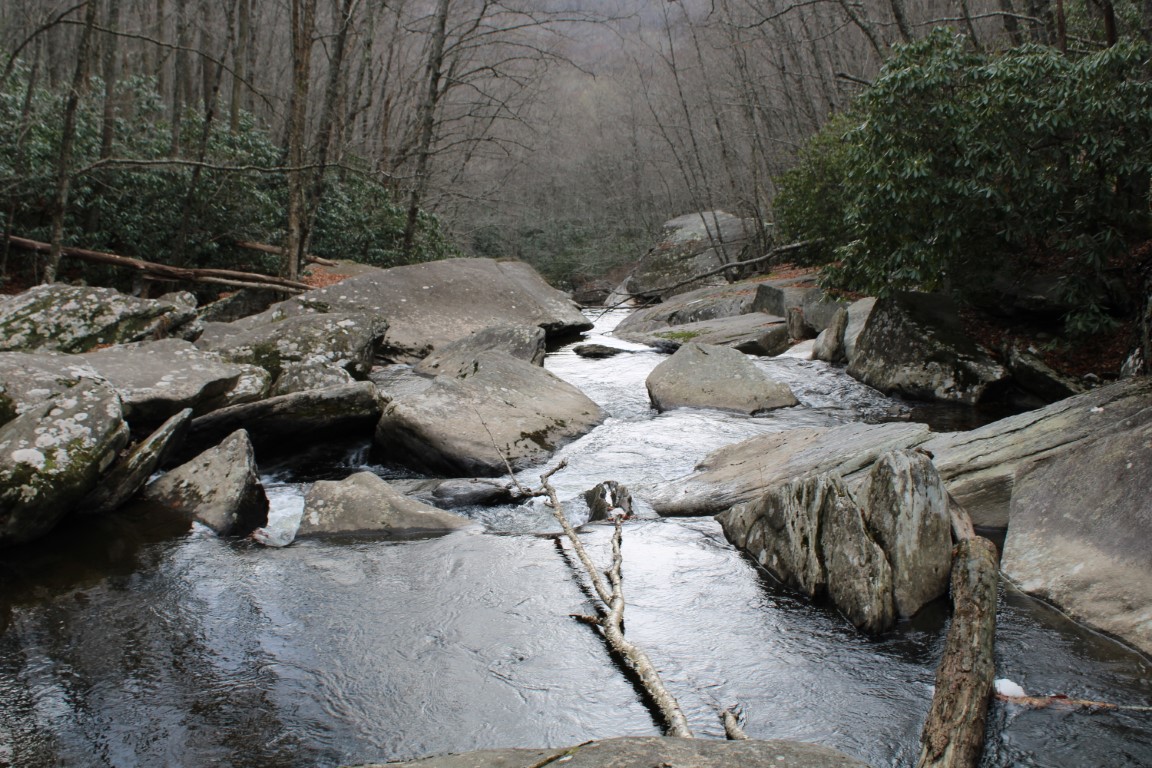
DAILY PHOTO: Scenes from Julian Price Memorial Park

Taken in November in the Julian Price Memorial Park, NC

Tea Master [Free Verse]

drink the wisdom --
you'll find it more in the heat
than in the liquid

subtle - 
like the flavor of tea

in drinking it 
you'll discover:

there is no tea,
but the tea --
a tea-less tea

the life in you
the life in me
melted into a mound
of unity

Unclocked Hours [Free Verse]

Stepping out onto a city street
in the cool, unclocked hours
of the morning.

One looks about,
but not as one does in daylight --
i.e. in response to sound.

Instead, one looks about
in response to the lack of sound.

A clawing sound 
from a burrowing rat
isn't worth one's attention.

It's the silence 
that calls upon the mind
as to a sailor on shore leave.

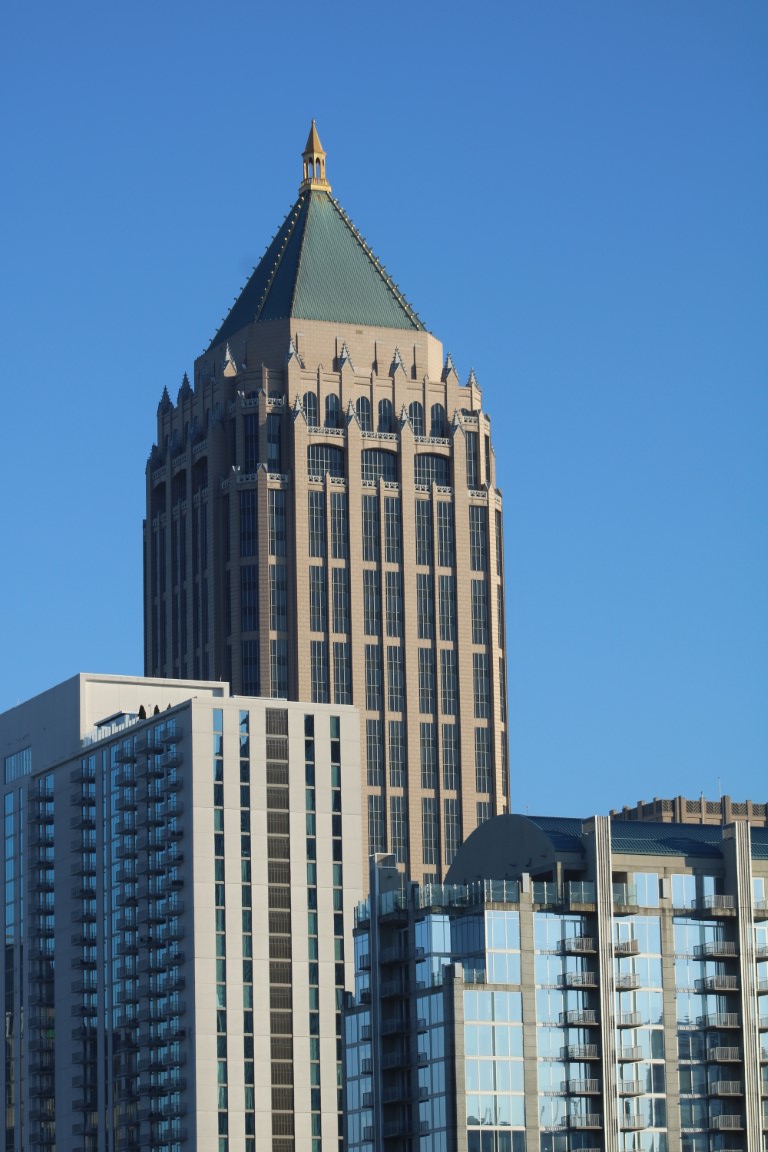
DAILY PHOTO: One Atlantic Center, Midtown Atlanta

Taken in November of 2021 in Atlanta

BOOK REVIEW: Monkey: New Writing from Japan: Vol. 2: Travel ed. Ted Goosen & Motoyuki Shibata

MONKEY New Writing from Japan: Volume 2: TRAVELMONKEY New Writing from Japan: Volume 2: TRAVEL by Ted Goossen
My rating: 5 of 5 stars

Amazon.in Page

Out: December 28, 2021

This anthology of travel-themed short writings by prominent Japanese authors includes: short stories, essays, poems, excerpts from longer works, and even an illustrated story [i.e. “The Overcoat” by Satoshi Kitamura.] The nature and degree of travel varies considerably with some pieces being travelogues or setting-centric fiction, but other pieces explore travel in a more symbolic sense (e.g. “Hell” by Kikuko Tsumura or “Decline of the Aliens” by Hideo Furukawa.] And one piece, “Cardboard Boxes and Their Uses” by Taki Monma deals more with the topic of being shut in, so it might be considered a study in travel through its absence.

The anthology includes works by literary stars such as Mieko Kawakami, Haruki Murakami, and Yasunari Kawabata, and showcases translation by some of the most well-know translators of Japanese literature. [The edition ends with a dozen brief statements by translators about what they have found particularly daunting to translate — not necessarily because the literal translation is difficult but because the elegance of the origin language can be lost to clunkiness in the translated language.]

Among my favorite pieces were “The Dugong” (a historical fiction story with a “Journey to the West” feel to it,) Haruki Murakami’s essay entitled “Jogging in Southern Europe” (which anyone who’s ever exercised amid people who don’t exercise will find amusing,) “Five Modern Poets on Travel” [particularly the tanka of Kanoko Okamoto and the haiku of both Hisago Sugita and Dakotsu Iida,] and “Every Reading, Every Sound, Every Sight” by Jun’ichi Konuma. That said, I don’t think there was a clunker in the bunch, each piece was well-composed and translated, and I’d highly recommend reading this book.


View all my reviews