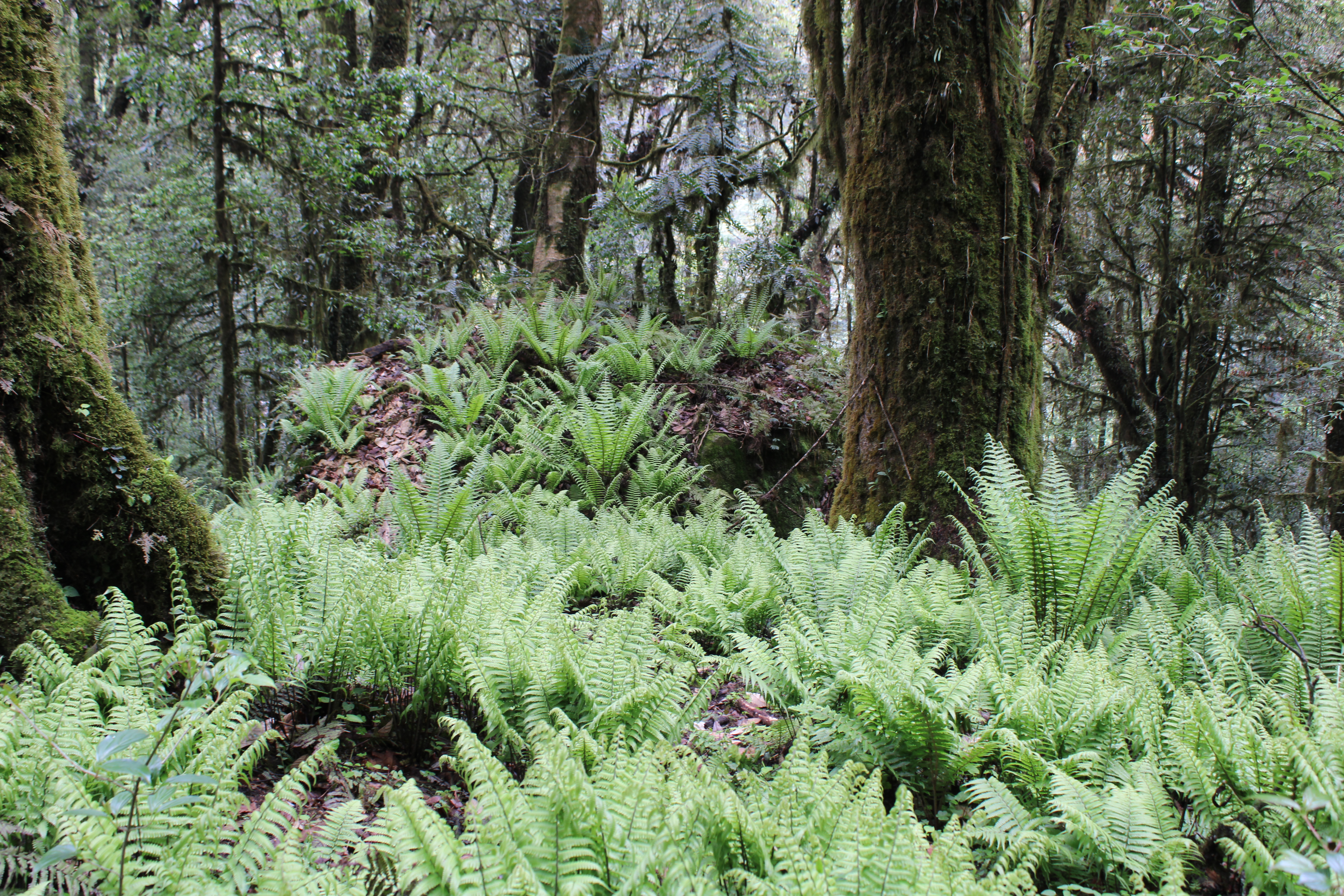
Thou strainest through the mountain fern,
   A most exiguously thin
      Burn.
 For all thy foam, for all thy din,
   Thee shall the pallid lake inurn,
   With well-a-day for Mr. Swin-
      Burne!
 Take then this quarto in thy fin
   And, O thou stoker huge and stern,
   The whole affair, outside and in,
      Burn!
 But save the true poetic kin,
   The works of Mr. Robert Burn'
   And William Wordsworth upon Tin-
      Tern!
Upon the road of my life,
  Passed me many fair creatures,
  Clothed all in white, and radiant.
 To one, finally, I made speech:
   “Who art thou?”
 But she, like the others,
   Kept cowled her face,
   And answered in haste, anxiously,
   “I am good deed, forsooth;
   You have often seen me.”
 “Not uncowled,” I made reply.
   And with rash and strong hand,
   Though she resisted,
   I drew away the veil
   And gazed at the features of vanity.
 She, shamefaced, went on;
   And after I had mused a time,
 I said of myself,
   “Fool!”
From the outskirts of the town
  Where of old the mile-stone stood,
Now a stranger, looking down
I behold the shadowy crown
  Of the dark and haunted wood.

Is it changed, or am I changed?
  Ah! the oaks are fresh and green,
But the friends with whom I ranged
Through their thickets are estranged
  By the years that intervene.

Bright as ever flows the sea,
  Bright as ever shines the sun,
But alas! they seem to me
Not the sun that used to be,
  Not the tides that used to run.
When you came, you were like red wine and honey,
 And the taste of you burnt my mouth with its sweetness.
 Now you are like morning bread,
 Smooth and pleasant.
 I hardly taste you at all for I know your savour,
 But I am completely nourished.
Today, my office is chilly.
   At once, I miss my mountain chum,
 Who bound firewood in the valley,
 Bringing it back to boil white stones.
 I wish I could ladle some wine
   To comfort on this stormy night.
 But fallen leaves fill mountain hollows,
 How could I find a track to follow?
This is poem #29 from the 300 Tang Poems [唐诗三百首], entitled 寄全椒山中道士. The original poem in Simplified Chinese is:
A precept-breaking monk for eighty years --
   still, I'm ashamed of Zen that ignores cause and effect.
 Sickness is the result of past karma.
 Now how can I honor my endless connections?
Translation by Kazuaki Tanahashi and David Schneider in: Essential Zen. 1994. HarperSanFrancisco. p. 126.
Although you hide in the ebb and flow
   Of the pale tide when the moon has set,
 The people of coming days will know
   About the casting out of my net,
 And how you have leaped times out of mind
   Over the little silver cords,
 And think that you were hard and unkind,
 And blame you with many bitter words.










 Tiger Riding for Beginners