DAILY PHOTO: Murals Around West Lake [Hồ Tây], Hanoi

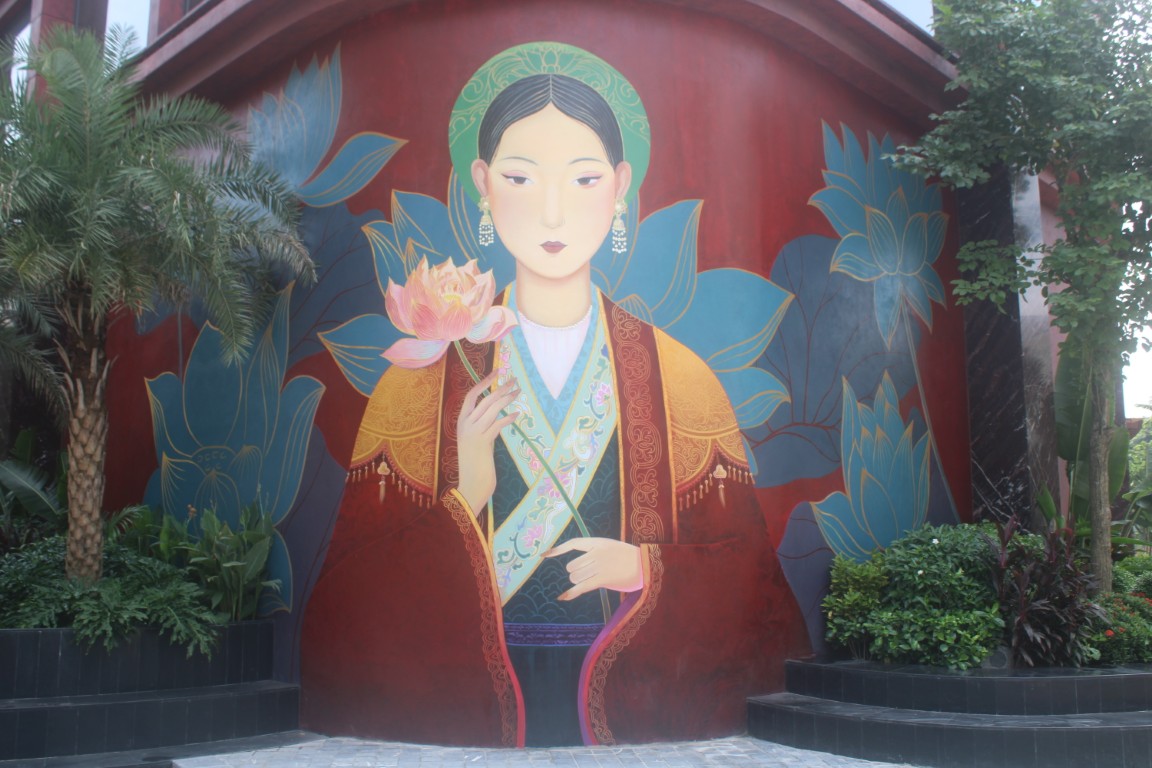
A lotus blossom themed mural on a building on the east side of West Lake (Hồ Tây) in Hanoi, Vietnam.
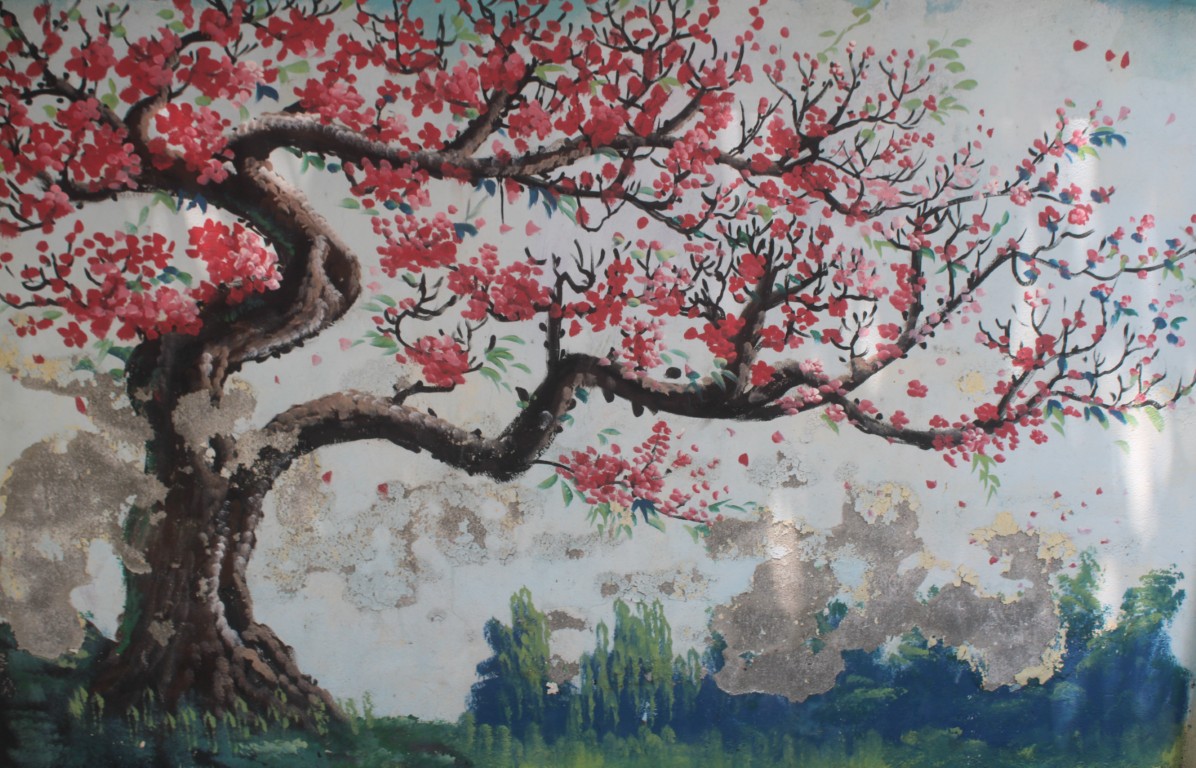
A cherry blossom mural on a wall near Hồ Tây (West Lake) in Hanoi, Vietnam.
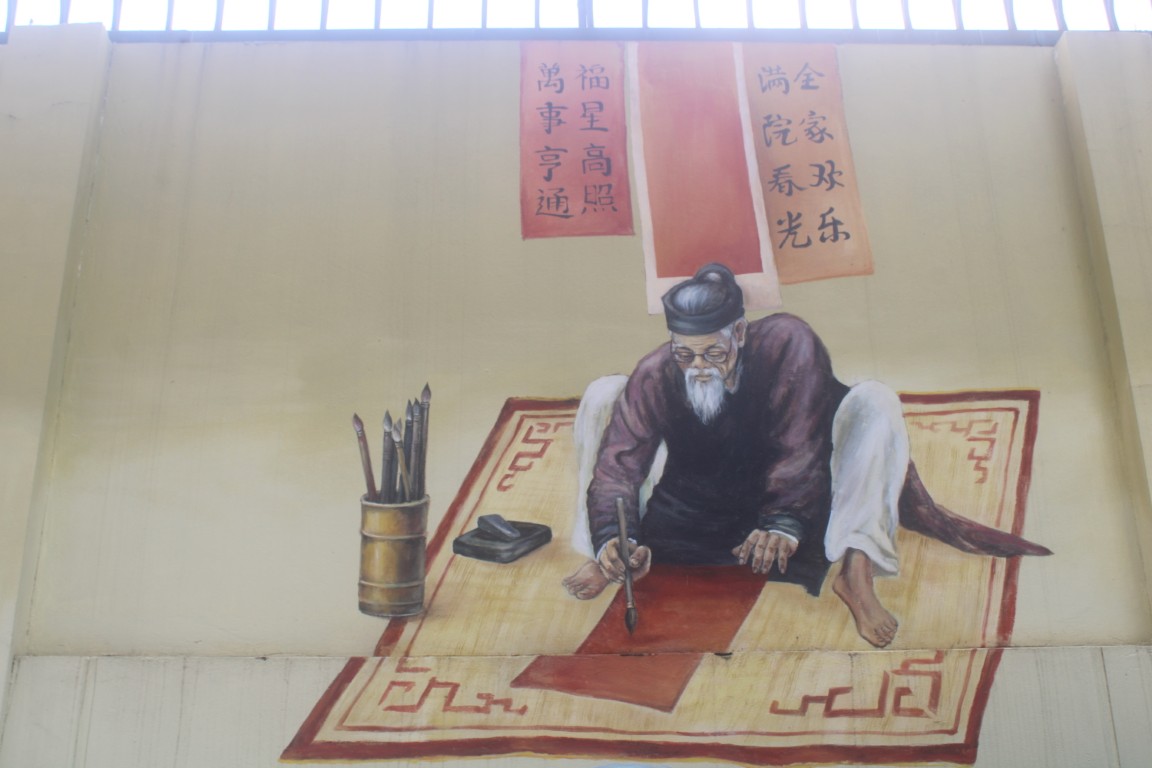
A mural of a calligrapher on a wall near the southeastern tip of West Lake (Hồ Tây) in Hanoi, Vietnam.

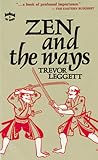
BOOKS: “Zen and the Ways” by Trevor Leggett

Zen and the WaysZen and the Ways by Trevor Leggett
My rating: 5 of 5 stars

Open Library Page

This book is the most densely populated with interesting insights that I’ve read in some time. It’s not new, being first published in 1978, but it takes a variety of approaches to give the reader a better understanding of Zen and the application of Zen mind to martial arts and other activities that found benefit in stillness and clarity. By “the Ways,” Leggett is referring to those arts and activities benefiting from Zen, which include: tea ceremony, flower arranging, painting, poetry writing, and all manner of martial arts. [Often represented by ending “do” in Japanese.] (The latter are dealt with most extensively, but not exclusively.)

The book is arranged in six parts, the first half of which focus mostly upon Zen Buddhism and, particularly, the Kamakura school that found a huge following among warriors and other artists. Those first three chapters take a big to small approach, examining Zen from ever finer levels of detail, starting with an introduction to Zen Buddhism broadly, moving on to the Kamakura developments, and then finally focusing on one particular practice — that of Koans (stories that present riddles which the student can only “solve” in a non-intellectual fashion.)

The second half of the book investigates the ways Zen has been applied to various arts. This is where one sees the varied approaches used to explore the confluence of Zen and artistry. Part Four consists of a series of essays explaining concepts such as ri (universal truth) and ji (formal technique,) ki (vital energy,) and isshin (single-heartedness) / zanshin (lingering awareness.) Part Five consists of historic martial arts scrolls and excerpts, including Yagyu Munenori’s Art of War and Chozan Shisai’s “Tengu’s Guide to the Martial Arts.” The final part consists of stories that illustrate crucial ideas in a readable and memorable fashion.

I was extremely pleased to stumble across a copy of this book in a second-hand bookshop. I’d long ago heard a fascinating story about murders in Edo era Japan of high-level martial artists, all killed in the same manner. They never found the killer, but they figured out how the murders were done easily enough. The killer exploited his knowledge of that school’s techniques to lay a fake that exploited their own technique to create an opening. It’s a cautionary tale that drilling muscle memory is not the end-all be-all of martial arts, and that it can create its own problems. At any rate, I’d never been able to find the source… until now. There is a detailed discussion of it in this book.

For readers interested in how state of mind influences artistic performance, I’d highly recommend this book.

View all my reviews

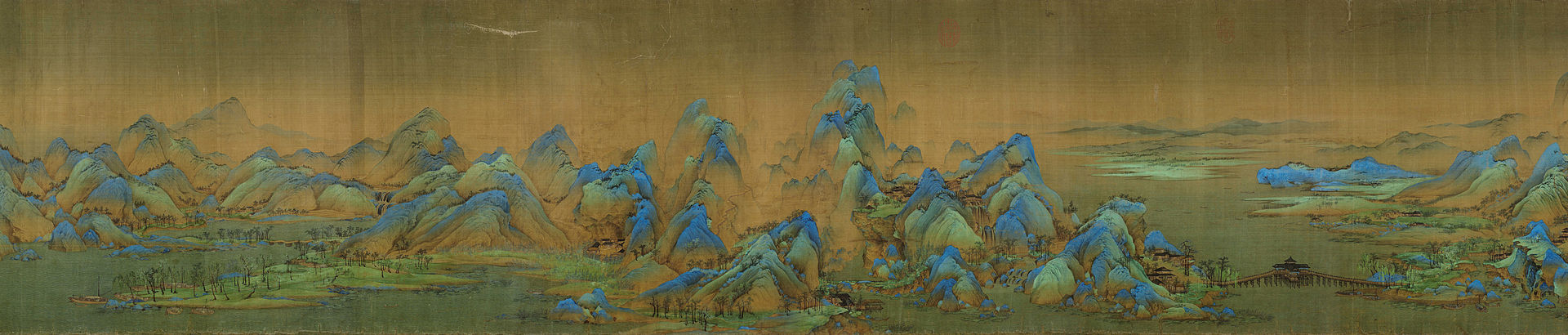
The Painting by Wang Wei [w/ Audio]

Afar, colorful mountains.
 Near, silent waters.
 Spring 's gone but flowers remain.
 People come but birds aren't startled.
Original:

遠看山有色
近聽水無聲
春去花還在
人來鳥不驚

BOOKS: Bohemians: A Very Short Introduction by David Weir

Bohemians: A Very Short Introduction (VERY SHORT INTRODUCTIONS)Bohemians: A Very Short Introduction by David Weir
My rating: 5 of 5 stars

Amazon.in Page

This book examines the brief life of the Bohemian artistic lifestyle, exploring how it came about, what it looked like in its heyday, what led to its demise, and by what / whom it was replaced (e.g. the Beats.) It is an intriguing examination of the subject. I will say, there were points that I felt the book had become lost in the weeds, but at other points I found it fascinating. I concluded that my own calculus was to find it interesting when it discussed the lives and works of artists who are still deemed to have relevance and influence today (e.g. Baudelaire, Picasso, and Whitman,) and not so much when it was elaborating on artists and works that have fallen into obscurity among the general populace (e.g. Henry Murger’s Scenes of Bohemian Life.) So, that may be more a reflection on me than on the book.

The author touches upon the fictional influences that inspired Bohemianism, the places where the lifestyle thrived (e.g. Paris and New York,) the philosophy and – particularly – the political philosophy of the Bohemians (e.g. often Anarchists or – at least – anti-government.) One of the topics that most interested me is how the successor artistic communities differed from the Bohemians.

If you’re interested in who the Bohemians were and how they differ from other artistic communities (before and after,) this book is well worth the brief read required.

View all my reviews

Limerick of the Portrait of Felix Rey

Van Gogh's doctor, a man named Felix Rey,
 was given a portrait -- much to his dismay.
   While Rey didn't grouse,
   the pic patched his henhouse,
 but it survived and 's worth millions today!

Van Gogh Palette [Haiku]

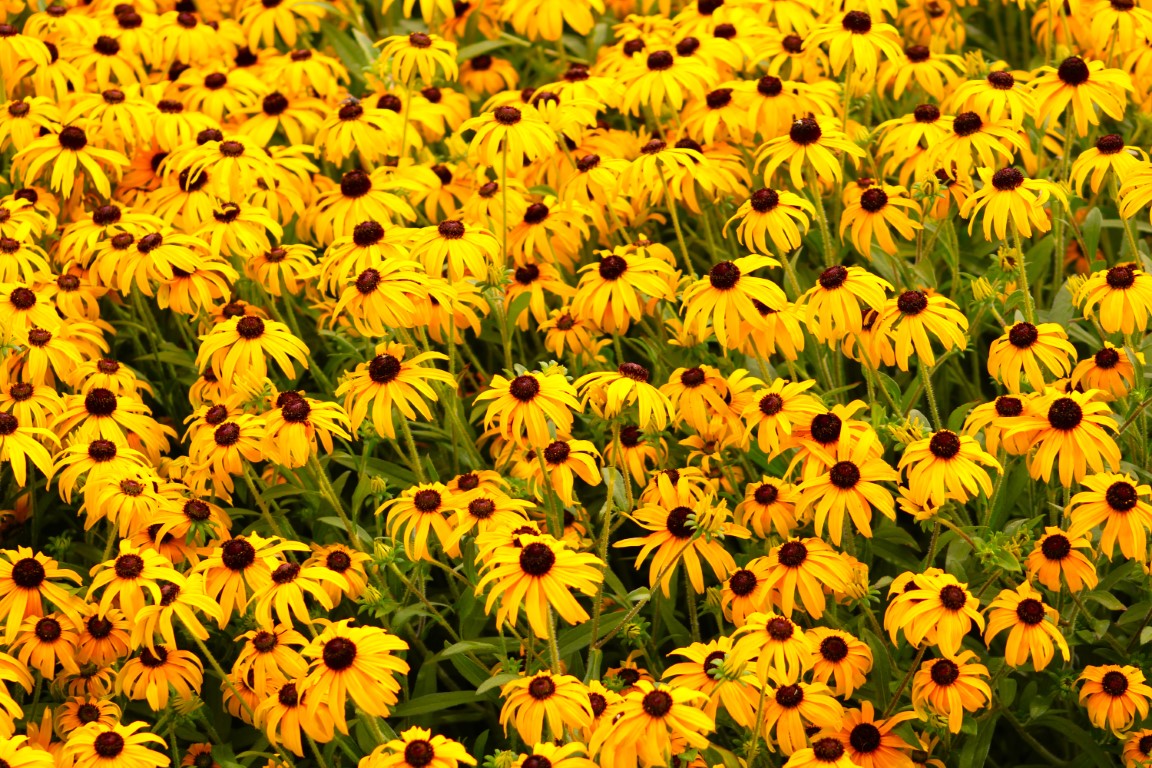
black-eyed susans
 nudge me into Van Gogh's world,
  but not too deeply.

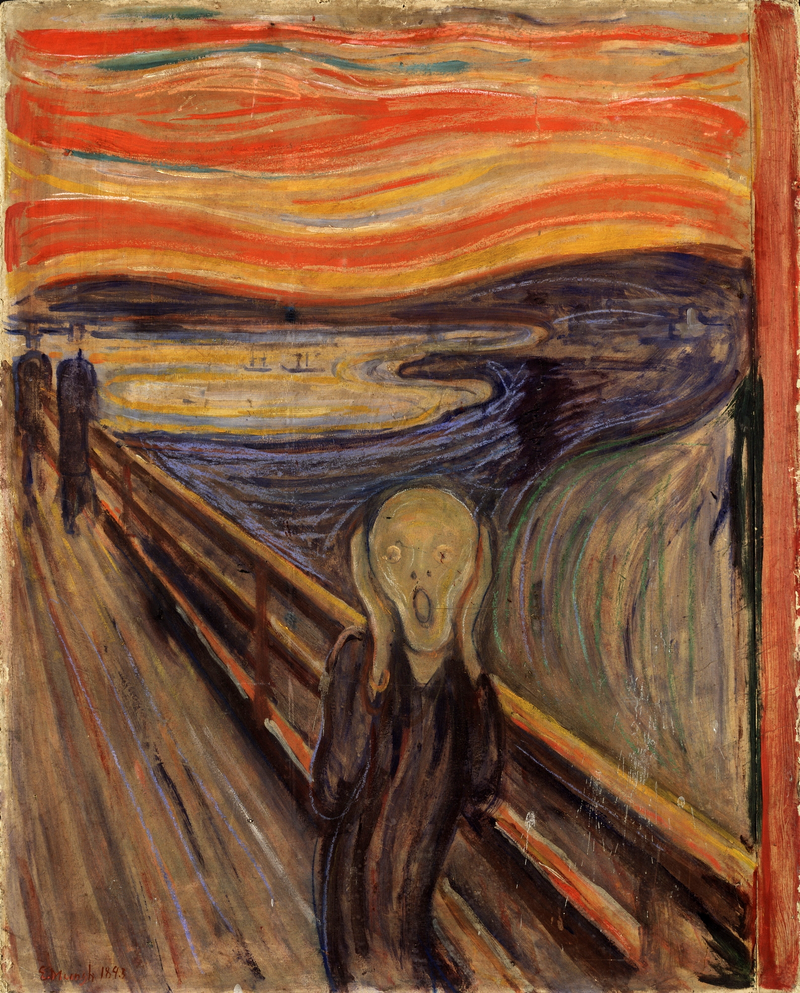
Scream [Free Verse]

The Scream (1893); Edvard Munch
brain numb.
 voice dumb.
 
a wicked harmonic
 builds in the core -

tuned to volcanically
 vibrant skies.

flash fires of feeling
 riffle through the body.

the tone dials
 into a whine
 
that bursts into 
 a scream.

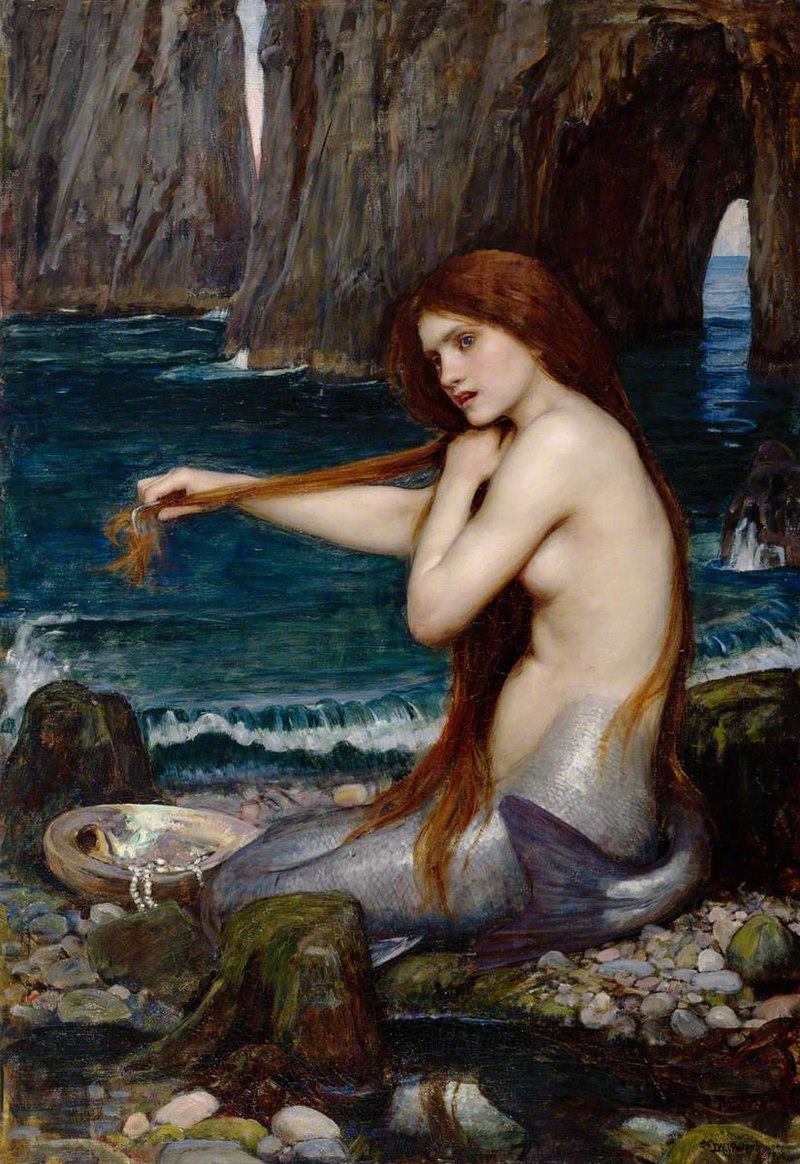
Mermaid [Lyric Poem]

Waterhouse, John William; A Mermaid; Royal Academy of Arts
So many miles of coastline,
   of rocky coves and outcrops.
 Where none can see a straight line,
   and water sloshes and slops.

Oh, might one miss a mermaid
    hidden among the inlets,
 so snug in stone palisade -
    a lair of shells and torn nets?

If you say that you've seen one,
    I'll not call you a faker.
 I rather think it's great fun
    to flirt with claims, wiseacre.

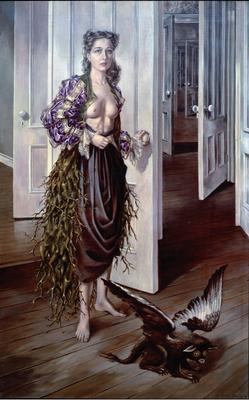
Dorothea Tanning’s Birthday (1942) [Free Verse]

Oh, I've been in that dream:

     door upon door to nowhere,
     inexplicable nudity,
     elements that seem fine 
          from a distance, but -
          from up close - make no sense.

And then I saw the creature at her feet,
      and knew I'd never been in that dream.

   I can't fathom the genetic cocktail 
      that would need to be cooked up
          to create such a monstrous pet. 

   And then it hit me that the winged badger-mutt
       is not nearly the most disturbing aspect...

   What are they looking at?

Painted Forest [Lyric]

The forest looks painted
with dabs of bright color,
a pointillist mural 
of the leaves' last hurrah.

Soon, it'll turn twiggy,
and sing desolation,
and invite the fog in
to soften sharp lines.

Then one day you'll notice
leaves glowing in sunlight.
Their green will be golden
from warm yellow rays.

The maturing forest
will darken its greenness, 
turning to sober tones
that blot out the light.