Spine [Lyric Poem]

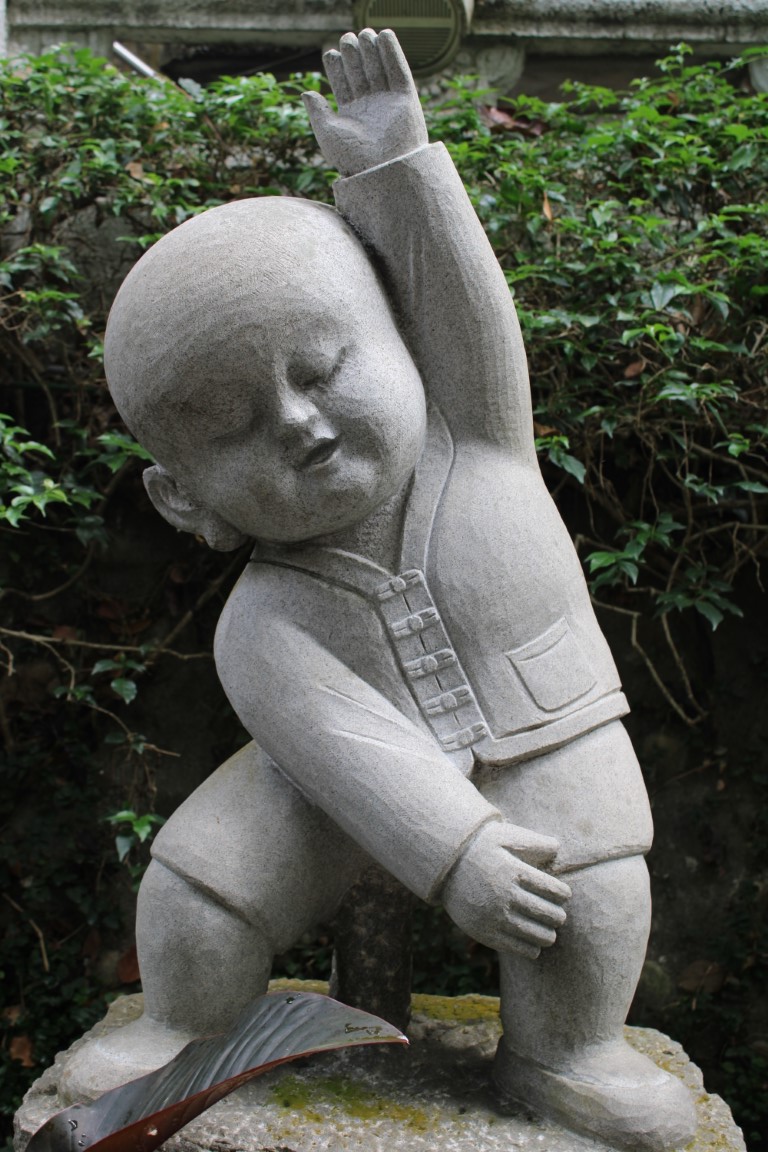
The spine is not a line.
It likes to twist and twine.
Bend it, stretch it, coil it;
Just don't bake, fry, or boil it.

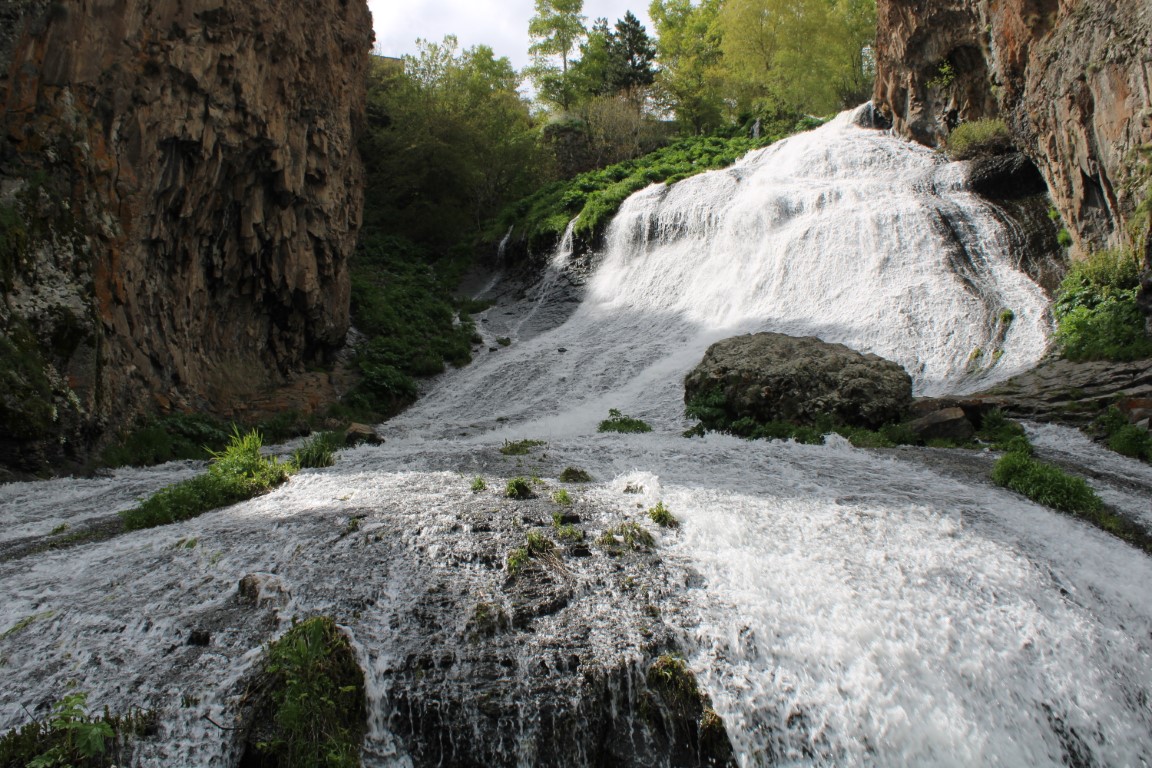
“Fluid” [Poetry Style #24] by Sikong Tu [w/ Audio]

Like water spilling over rocks?
Like a bead's roll across the floor?
Cliches, they fail to tell the story,
As no doll shows life's splendor.
But the Earth' unsupported spin through space,
As the heaven's pivot and sprawl for more...
If you could find how it all began,
You'd see it'll be as it was before.
The high and bright realm of the gods
Returns to nothing and nevermore.
And if you lived ten-thousand years,
You might find yourself in days of yore.

NOTE: The late Tang Dynasty poet, Sikong Tu (a.k.a. Ssŭ-k‘ung T‘u,) wrote an ars poetica entitled Twenty-Four Styles of Poetry. It presents twenty-four poems that are each in a different tone, reflecting varied concepts from Taoist philosophy and aesthetics. Above is a translation of the twenty-fourth of the twenty-four poems. This poem has been alternately titled “The Flowing Style,” “Fluid,” “Motion,” etc. by varied translators from its Chinese title of 流动.

The Well-Worn Path [Haiku]

a crisp trail
worn into the grass;
i move, butterfly-like.
Fly [Haiku]

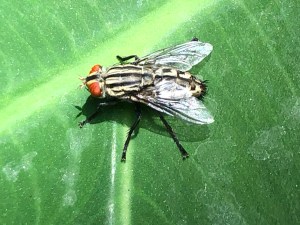
frenetic fly,
spastically flying loops:
lands from whence it flew.

PROMPT: Unplug

Daily writing prompt
How do you know when it’s time to unplug? What do you do to make it happen?

When my body says to move, I move. I dance like a puppet on its string.

Ducks Adrift [Haiku]

a pond in summer:
ducks look like wooden toys,
drifting leisurely.

BOOKS: “Play” by Stuart Brown

Play: How It Shapes the Brain, Opens the Imagination, and Invigorates the SoulPlay: How It Shapes the Brain, Opens the Imagination, and Invigorates the Soul by Stuart M. Brown Jr.
My rating: 4 of 5 stars

Amazon.in Page

Why does biology encourage play? Why does it stop encouraging play at some point? Should play end, or should one maintain a dedication to play throughout life? These are principal questions addressed by this book.

Brown explores the advantages of leading a playful life, and he doesn’t restrict himself to childhood play. In fact, the book doesn’t restrict itself entirely to human play, but also presents insights derived from the study of other playful species. One of the most profound lessons from the book comes from a story about a sled dog that has repeated playful interactions with a polar bear — a hungry polar bear, at that.

The book is presented more like an essay or a collection of essays than the usual popular science or pop psychology book. That is to say, it is not annotated and lacks a bibliography. The author sites the occasional book or study in the text, but it’s in the manner one would see in journalism or essays. This approach has its advantages, but the flipside of those advantages are the disadvantages. On the positive side, the author is able to communicate more freely, including the ability to discuss more speculative possibilities than one would expect from scientific reporting (with its usual “just the facts” approach.) Of course, the extensive speculation will be frustrating to readers who want to know what evidence has been produced for the proposed benefits. Furthermore, it often feels like the speculation in question is of the “when you’re a hammer every problem is a nail” nature — i.e. when one is a play researcher, one may be inclined to see play as a panacea for all the ills facing humanity (it surely is for some, but probably not all.) [To be fair, the book is almost fifteen years old, and I suspect it was / is probably harder than pulling teeth to get academic funding for play research outside of early childhood development, and so part of what the book was probably trying to do was build enthusiasm for supporting this kind of research, which necessitated talking about possibilities that were outside the known.]

The book does have a chapter on “the dark side of play.” It deals with compulsive behaviors like gambling and video game playing addiction (i.e. not people who like playing video games once in a while, but those who go 48 hours without sleep and who live in cave-like darkness to limit screen glare.) Much of the chapter argues that, while those problems are real and of concern, the activities aren’t play, not as per the definition presented early in the book.

This book does make a sound case for a number of benefits of play and for not abandoning play in one’s youth. If you’re interested in how play can help one to cope in a world of uncertainty, to keep one’s mind and body healthy, and to maintain or grow one’s capacity for imagination, this book is well worth reading.

View all my reviews

The Circle of Play [Lyric Poem]

Sometime not too distant,
There will come a day
When you will return to
A frequent state of play.

When that day comes around,
You'll have lost all concern
For the adults' belief that
Frivolity must be spurned.

You'll take to tossing balls
And climbing up the walls,
Just like you used to do
When you were one or two --
Before that human zoo
Got its hooks in you.
Moving Flower Mystery [Haiku]

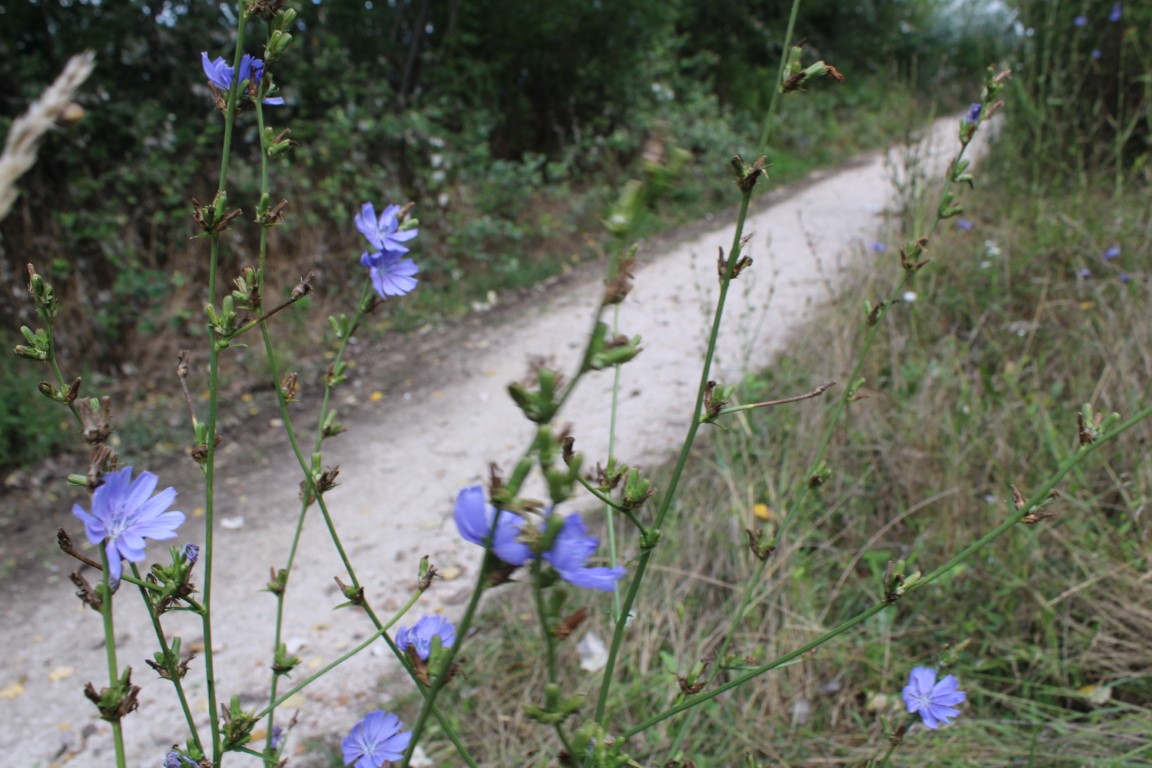
trailside chicory
waves on a windless day:
a long-gone cyclist?

PROMPT: Every Day

Daily writing prompt
What do you wish you could do more every day?

Move playfully.