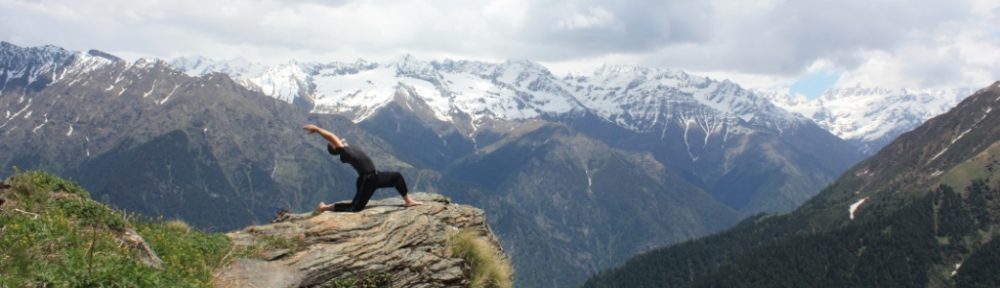
Four Seasons fill the measure of the year; There are four seasons in the mind of man: He has his lusty Spring, when fancy clear Takes in all beauty with an easy span: He has his Summer, when luxuriously Spring's honied cud of youthful thought he loves To ruminate, and by such dreaming high Is nearest unto heaven: quiet coves His soul has in its Autumn, when his wings He furleth close; contented so to look On mists in idleness -- to let fair things Pass by unheeded as a threshold brook. He has his Winter too of pale misfeature, Or else he would forego his mortal nature.
As a fond mother, when the day is o'er, Leads by the hand her little child to bed, Half willing, half reluctant to be led, And leave his broken playthings on the floor, Still gazing at them through the open door, Nor wholly reassured and comforted By promises of others in their stead, Which, though more splendid, may not please him more; So Nature deals with us, and takes away Our playthings one by one, and by the hand Leads us to rest so gently, that we go Scarce knowing if we wish to go or stay, Being too full of sleep to understand How far the unknown transcends the what we know.
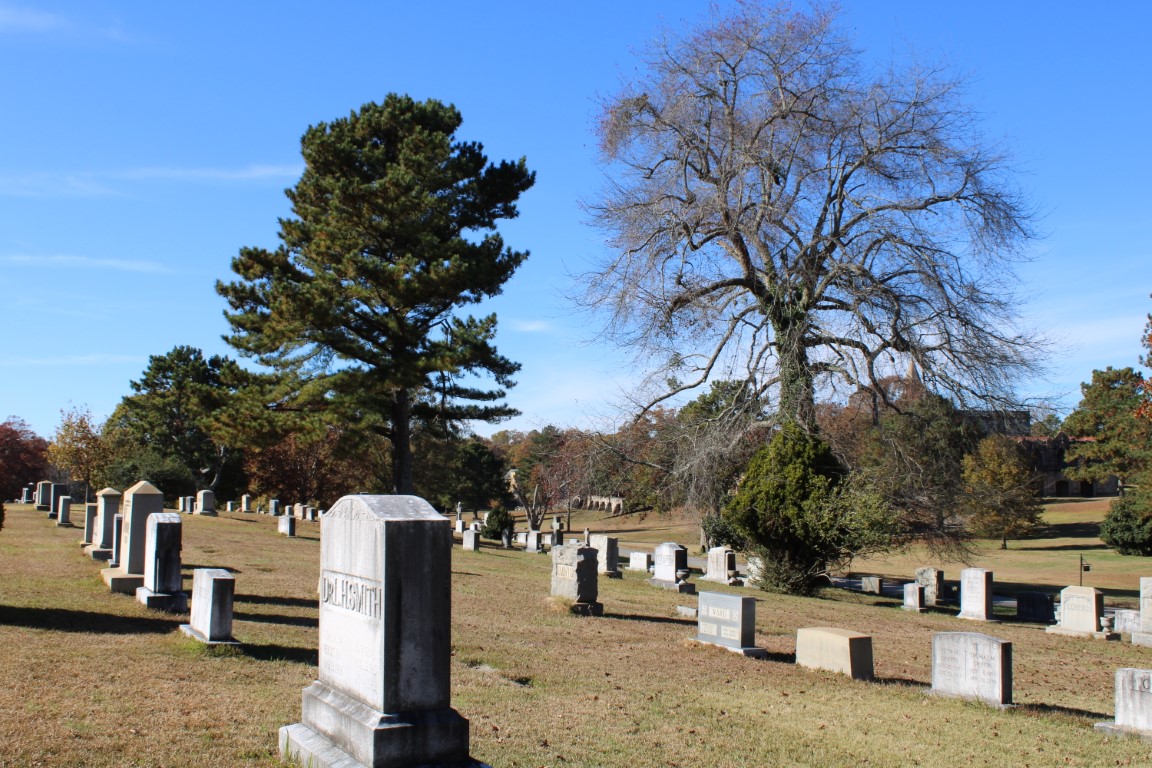
That time of year thou mayest in me behold When yellow leaves, or none, or few, do hang Upon those boughs which shake against the cold, Bare ruined choirs, where late the sweet birds sang. In me though seest the twilight of such day As after sunset fadeth in the west, Which by and by black night doth take away, Death's second self, that seals up all in rest. In me thou seest the glowing of such fire That on the ashes of his youth doth lie, As the death-bed whereon it must expire, Consumed with that which it was nourished by. This thou perceiv'st, which makes thy love more strong, To love that well, which thou must leave ere long.
Skimming lightly, wheeling still, The swallows fly low Over the field in clouded days, The forest-field of Shiloh-- Over the field where April rain Solaced the parched ones stretched in pain Through the pause of night That followed the Sunday fight Around the church of Shiloh-- The church so lone, the log-built one, That echoed to many a parting groan And natural prayer Of dying foemen mingled there-- Foemen at morn, but friends at eve-- Fame or country least their care: (What like a bullet can undeceive!) But now they lie low, While over them the swallows skim, And all is hushed in Shiloh.
Grown about by Fragrant bushes, Sunken in a winding valley, Where the clear winds blow And the shadows come and go, And the cattle stand and low And the sheep bells and the linnets Sing and tinkle musically. Between the past and the future, Those two black infinities Between which our brief life Flashes a moment and goes out.
At the beginning there was a huge drop of milk. Then Doondari came and he created the stone. Then the stone created iron; And iron created fire; And fire created water; And water created air. Then Doondari descended the second time. And he took the five elements And he shaped them into man. But man was proud. Then Doondari created blindness, and blindness defeated man. But when blindness became too proud, Doondari created sleep, and sleep defeated blindness; But when sleep became too proud, Doondari created worry, and worry defeated sleep; But when worry became too proud, Doondari created death, and death defeated worry. But then death became too proud, Doondari descended for the third time, And he came as Gueno, the eternal one. And Gueno defeated death.
NOTE: The Fulani (also known as Fula and Fulbe) are a West African herding tribe that live in Mali, Niger, Nigeria, Guinea, and Senegal.