
Much Madness is divinest Sense --
   To a discerning Eye --
 Much Sense -- the starkest Madness --
   'Tis the Majority
 In this, as all, prevail --
 Assent -- and you are sane --
 Demur -- you're straightway dangerous --
   And handled with a Chain --

Much Madness is divinest Sense --
To a discerning Eye --
Much Sense -- the starkest Madness --
'Tis the Majority
In this, as all, prevail --
Assent -- and you are sane --
Demur -- you're straightway dangerous --
And handled with a Chain --
What they undertook to do
   They brought to pass;
 All things hang like a drop of dew
   Upon a blade of grass.

Love is not all: it is not meat nor drink
 Nor slumber nor a roof against the rain;
 Nor yet a floating spar to men that sink
 And rise and sink and rise and sink again;
Love can not fill the thickened lung with breath,
 Nor clean the blood, nor set the fractured bone;
 Yet many a man is making friends with death
 Even as I speak, for lack of love alone.
It well may be that in a difficult hour,
 Pinned down by pain and moaning for release,
 Or nagged by want past resolution's power,
 I might be driven to sell your love for peace,
Or trade the memory of this night for food.
 It well may be. I do not think I would.

Hand in hand.
 Plum petals floated to her skirt.
   -- Love unbound --
 Now, lost souls mill about:
 Thier loved ones long unseen.
 Old songs are heard once more,
   Recalling Tower and Temple.

On ordinary days,
 I'd write a thousand lines.
   Now, I brush away dust,
      And think of us, together.
 The moon reflects in the lake.
 Willows droop beside water.
 A dragon-head cloud drifts on air.
Note: Translated titles vary. e.g. Xu Yuanchong entitles his translation “Song of Incense.”
To me, fair friend, you never can be old,
   For as you were when first your eye I eyed,
   Such seems your beauty still. Three winters cold
   Have from the forests shook three summer's pride,
 Three beauteous springs to yellow autumn turned
   In process of the seasons have I seen,
   Three April perfumes in three hot Junes burned,
   Since first I saw you fresh, which yet are green.
 Ah, yet doth beauty, like a dial-hand,
   Steal from his figure, and no pace perceived;
   So your sweet hue, which methinks still doth stand,
   Hath motion, and mine eye may be deceived:
 For fear of which, hear this, thou age unbred:
   Ere you were born was beauty's summer dead.
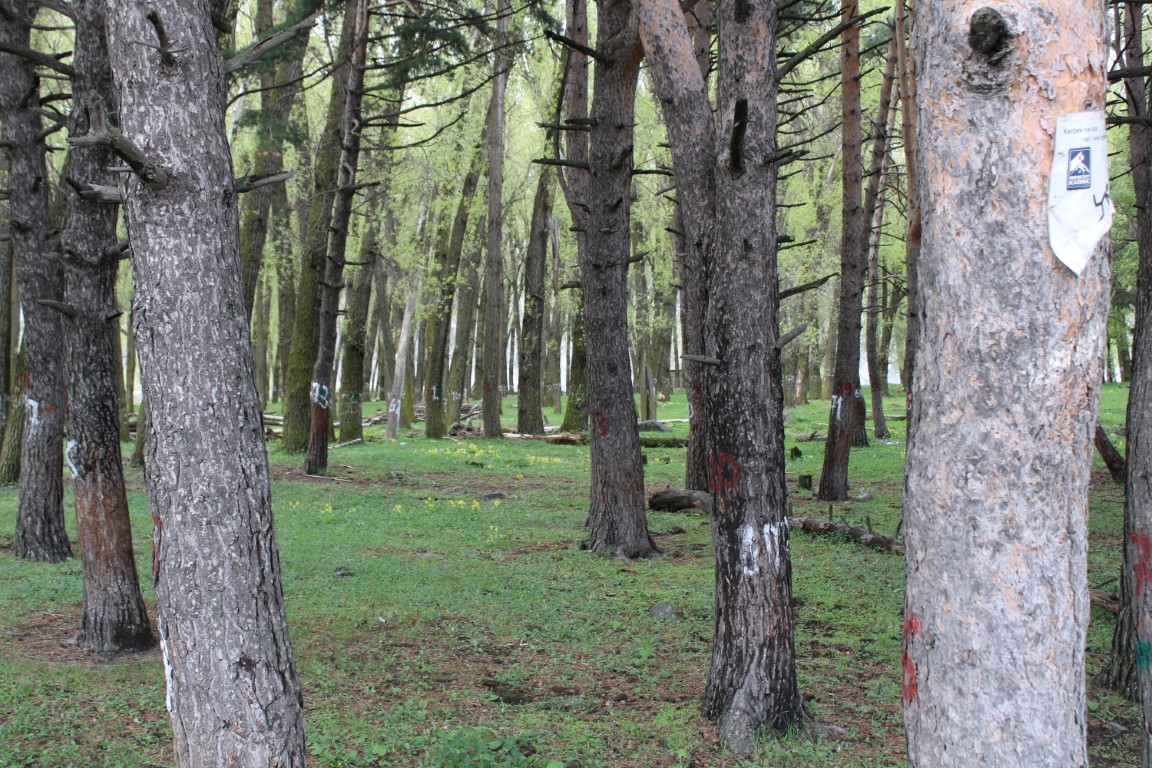
Plain and simple words are chosen,
   Even to express tangled thoughts.
 Then one comes upon a hermit,
   And one glimpses the heart of Dao.
 The clear stream burbles its soft song
   Amid the shady ancient pine grove.
 A woodsman passes with his cordwood;
 A stranger listens to a lute song.
 A strong feeling takes one over,
    Bringing with it bliss and wonder,
    And one's easy link with heaven
    Is tender as the sound of water.
NOTE: The late Tang Dynasty poet, Sikong Tu (a.k.a. Ssŭ-k‘ung T‘u,) wrote an ars poetica entitled Twenty-Four Styles of Poetry. It presents twenty-four poems that are each in a different tone, reflecting varied concepts from Taoist philosophy and aesthetics. Above is a translation of the eighteenth of the twenty-four poems. Translated titles vary — e.g. Herbert A. Giles titled this translation “Actualities.”

My heart leaps up when I behold
   A rainbow in the sky:
 So was it when my life began;
 So is it now I am a man;
 So be it when I shall grow old,
   Or let me die!
 The Child is father of the Man;
 And I could wish my days to be
 Bound each to each by natural piety.
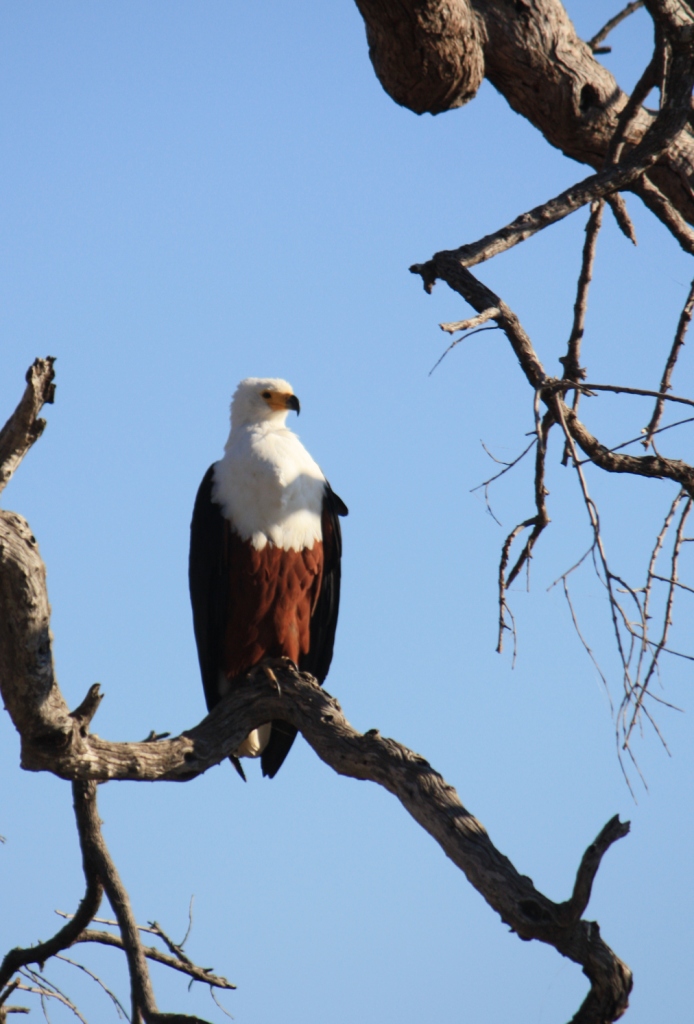
He clasps the crag with crooked hands;
 Close to the sun in lonely lands
 Ring'd with the azure world, he stands.

The wrinkled sea beneath him crawls;
 He watches from his mountain walls,
 And like a thunderbolt he falls.

Little Lamb who made thee
   Dost thou know who made thee
 Gave thee life & bid thee feed.
 By the stream & o'er the mead;
 Gave thee clothing of delight,
 Softest clothing wooly bright;
 Gave thee such a tender voice,
 Making all the vales rejoice!
   Little Lamb who made thee
   Dost thou know who made thee

   Little Lamb I'll tell thee,
   Little Lamb I'll tell thee!
 He is called by thy name,
 For he calls himself a Lamb:
 He is meek & he is mild,
 He became a little child:
 I a child & thou a lamb,
 We are called by his name.
   Little Lamb God bless thee.
   Little Lamb God bless thee.
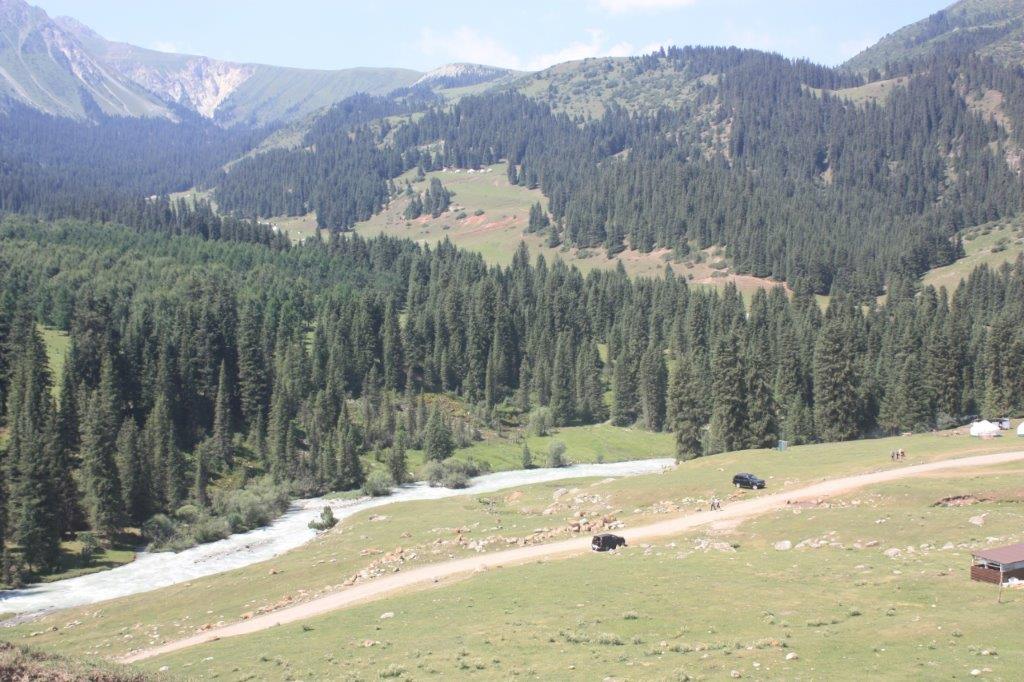
The scent: copper-carpeted pine forest;
 A stream rushes through: swirling, burbling;
 Blue sky and snowcaps peek through the treetops.
 In the distance, fishermen are trawling.
  A young lady with flowing hair and gown
  Passes gracefully through the thick woodlands.
  Eyes move when she moves and stop when she stops,
  Following her transit down the valley.
 The mind shows not its usual chaos,
 But is effortlessly anchored to her.
   As if to a huge rising moon.
   As if to blazing autumn hues.
NOTE: The late Tang Dynasty poet, Sikong Tu (a.k.a. Ssŭ-k‘ung T‘u,) wrote an ars poetica entitled Twenty-Four Styles of Poetry. It presents twenty-four poems that are each in a different tone, reflecting varied concepts from Taoist philosophy and aesthetics. Above is a translation of the sixteenth of the twenty-four poems.


 Tiger Riding for Beginners