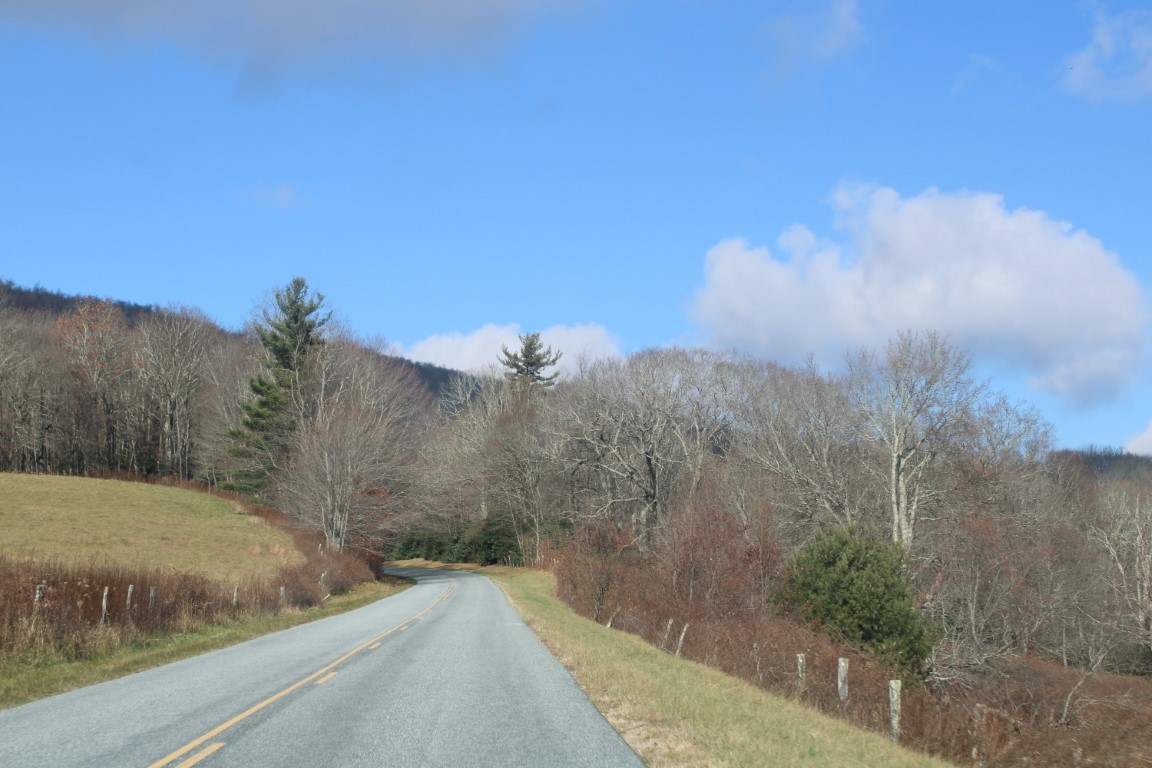
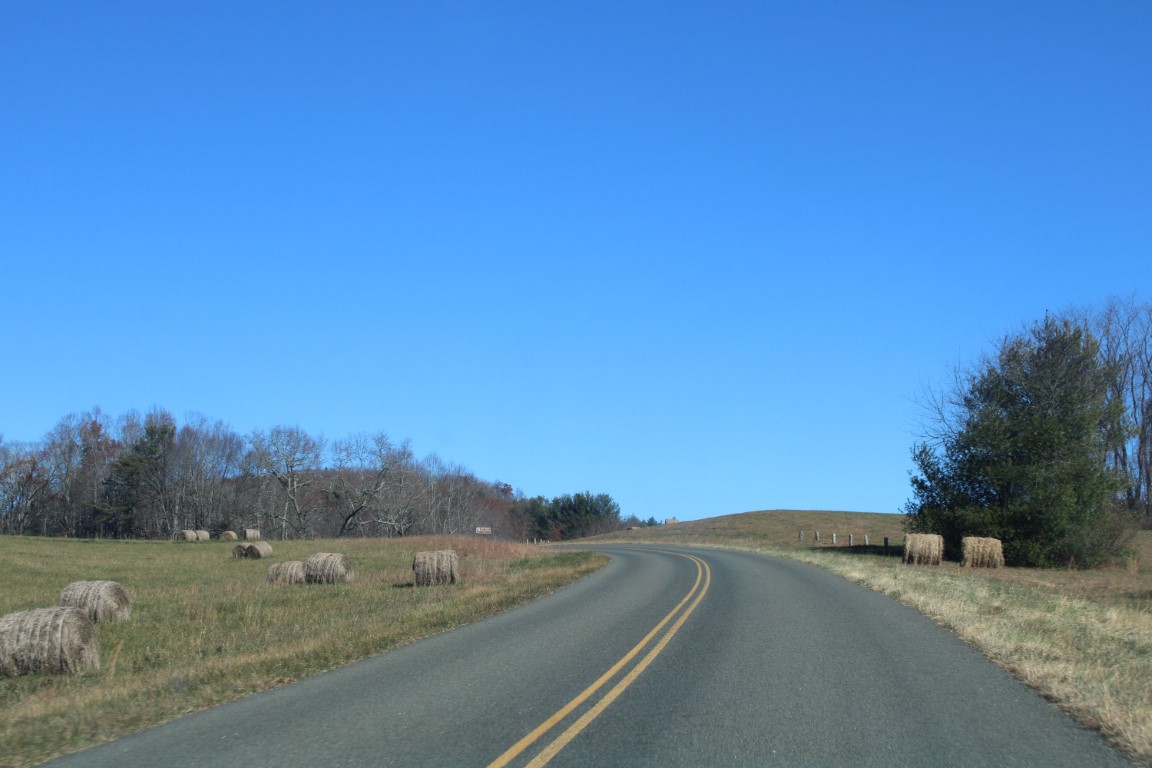
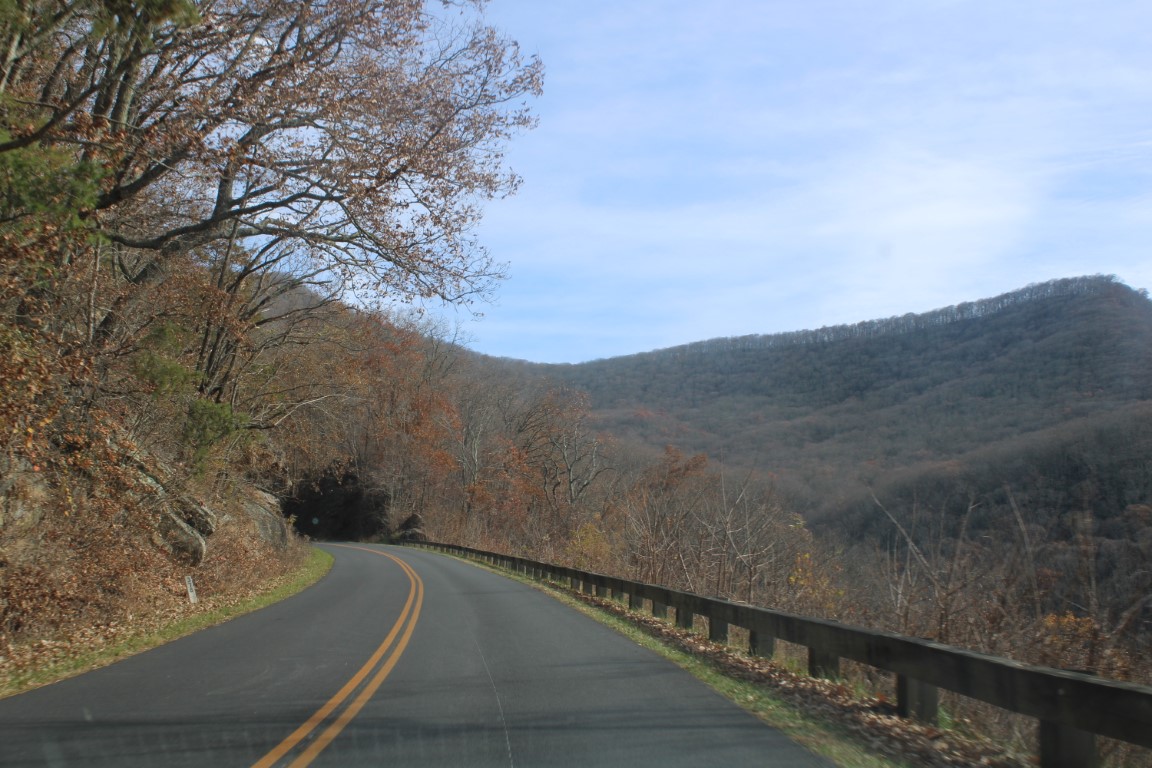
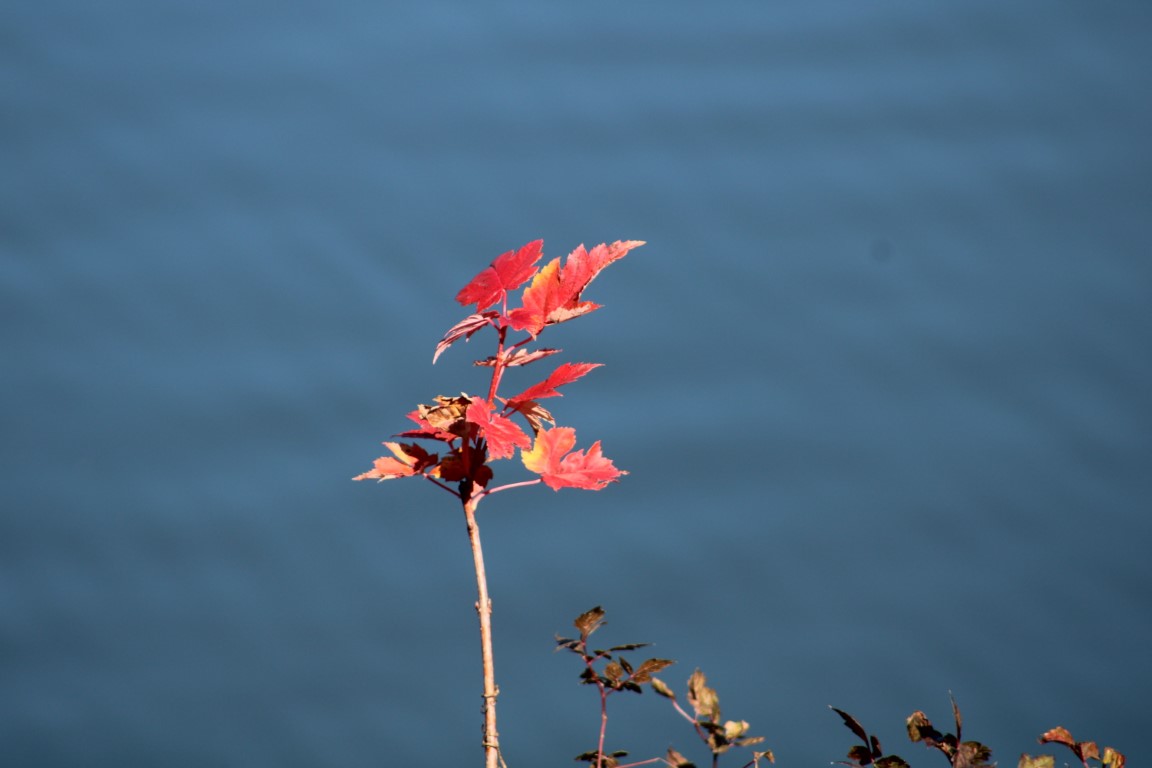
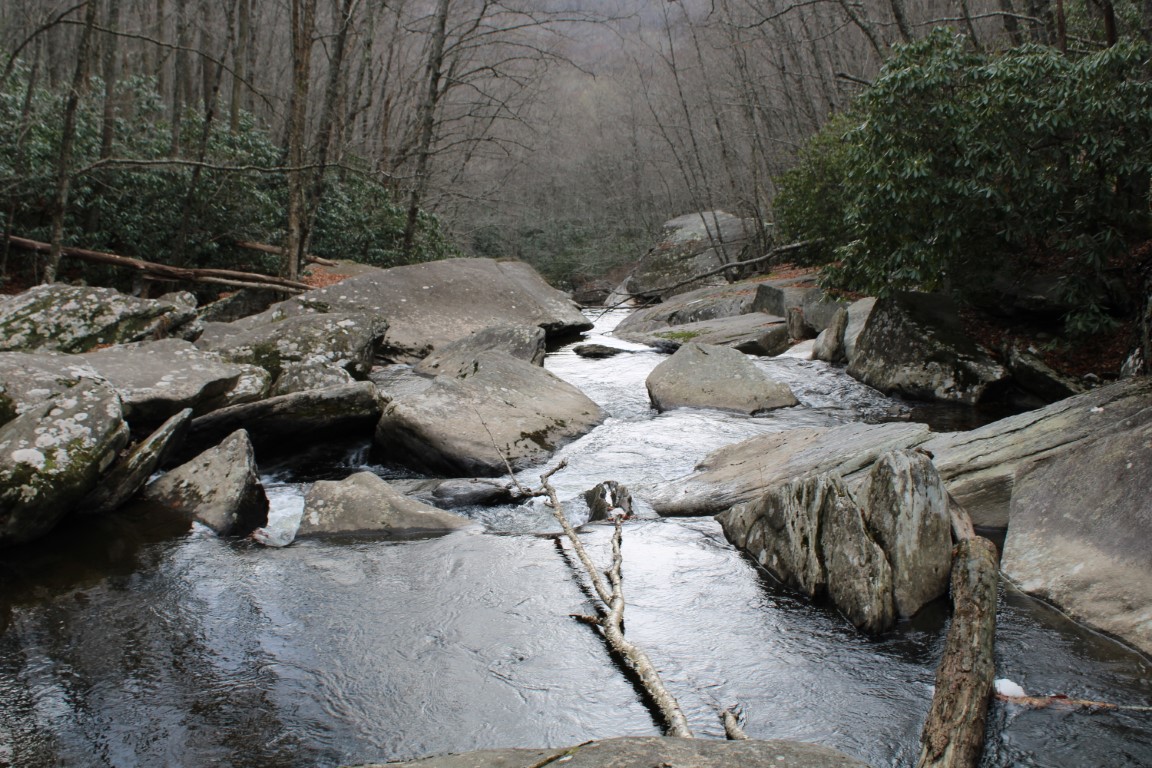
DAILY PHOTO: Scenes from the Blue Ridge Parkway

Taken in November of 2021 on the Blue Ridge Parkway

BOOK REVIEW: Zen Art for Meditation by Stewart W. Holmes and Chimyo Horioka

Zen Art for MeditationZen Art for Meditation by Stewart W. Holmes
My rating: 5 of 5 stars

Amazon.in Page

This is a clear and insightful exploration of what puts the Zen in Zen art. Zen Buddhism has long been associated with mind states conducive to peak performance in everything from tea making to swordsmanship. This book examines how Zen philosophy and mindset shows up in paintings and haiku poetry.

Fifteen tenets of Zen are presented, and for each of them two paintings (i.e. sumi-e) and several poems (i.e. haiku or tanka) are shown that have subject matter exemplifying the precept in question. The text points the way to understanding how the art is informed by Zen ideas.

I’ve read other books on the nexus between Zen and art, but this one became my favorite. It is concise, well-organized, and illuminating. There are a number of classes of people for whom I’d highly recommend this book. If you are studying Zen meditation (or peak mental performance more generally,) this book is for you. If you are a poet interested in Japanese forms, this book is for you. If you are an artist or a student of Chinese and Japanese painting styles, this book is for you. And, if you are interested in philosophy, be it Buddhist philosophy or aesthetics, this book is for you.


View all my reviews

BOOK REVIEW: A Simpler Life by The School of Life

A Simpler LifeA Simpler Life by The School of Life
My rating: 3 of 5 stars

Amazon.in Page

Out: January 6, 2022 (May be later in your market)

This book is hard to rate because for the person who is entirely new to the subject, it will offer some interesting food for thought and point one in the direction of useful resources. However, if you’ve been giving the topic some thought and have read works like Kamo no Chōmei’s “The Ten Foot Square Hut,” you’re likely to find it a disappointing regurgitation of the thoughts of others mixed with banal truisms. So, I wouldn’t recommend it for someone who’s begun simplifying their lives, but for someone who needs an entry point that isn’t as intimidating as hardcore works such as that of Chōmei it might be of use.

My biggest problem with this book was that it seemed to suggest that because simplifying means more simplicity that all readers would be converging toward the same life. In other words, that there isn’t space for a diversity of approaches to simplicity. In one of the great ironies of the book, it advocates for reading less and having at most a dozen books on one’s shelf. The irony isn’t the suggestion of fewer books, but that in a world in which no one had more than a dozen books on their shelves, this book would not exist on any of them. And the kinds of books this book suggests are essentially self-help titles. [To be fair, I almost never read self-help books because they mostly (and certainly in this case) leave me feeling like I would having come from a fortuneteller – i.e. feeling lighter in the wallet, but no wiser in the mind.]

This isn’t a bad book, but I think most readers can do better.


View all my reviews

Fisher [Haiku]

watching a duckling
hold a thrashing fish tightly,
i drop my corn chip

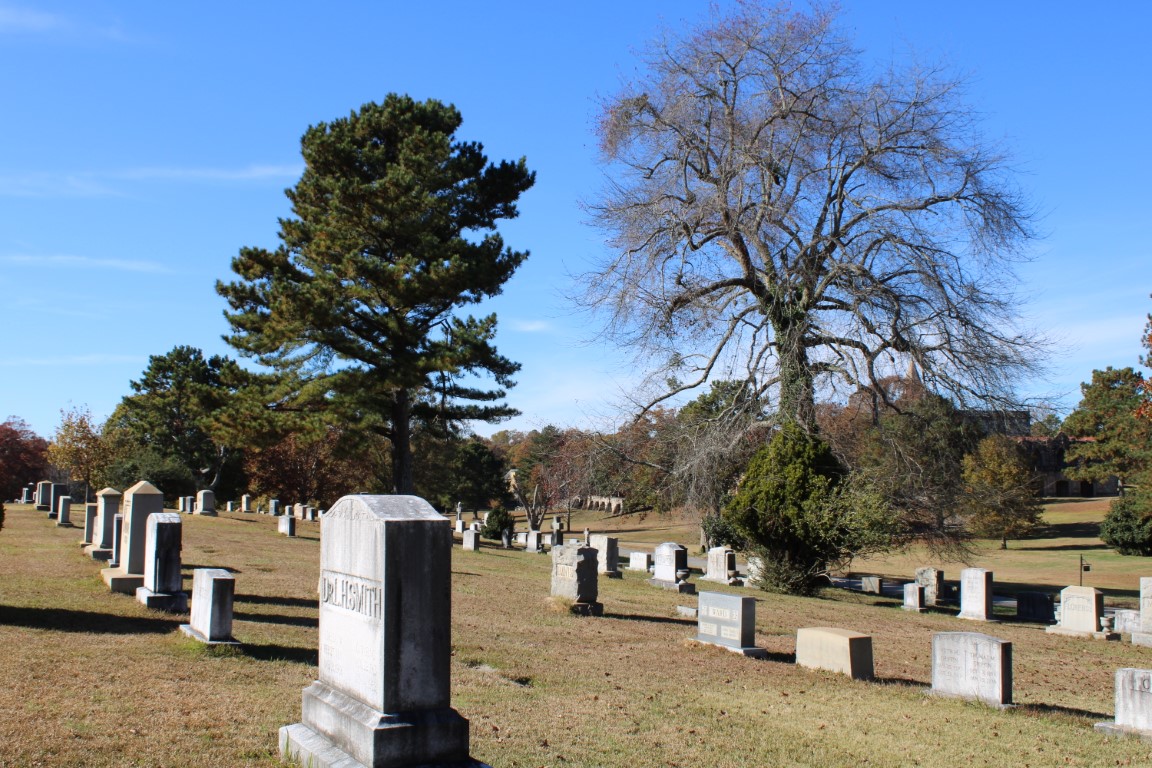
DAILY PHOTO: Trees in a Graveyard

Taken in November of 2021 in Westview Cemetery, Atlanta

BOOK REVIEW: Zen in the Art of Writing by Ray Bradbury

Zen in the Art of WritingZen in the Art of Writing by Ray Bradbury
My rating: 5 of 5 stars

Amazon.in Page

I rarely re-read books, but I’m glad that I revisited this one. I think I read it more smartly on the second go — more in a way that benefited from Bradbury’s style and message. The book’s nine essays, capped by a small collection of poems, convey lessons on writing, and – specifically – creativity in writing. Bradbury was among my favorite authors because he combined brilliant language with clever stories – i.e. he was creative on both levels. That’s a rarity. There are many excellent storytellers whose language lacks poetry or finesse. And, there are writers who are eloquent and evocative with language, but who either care little for, or have limited gift for, story.

While Bradbury claimed no expertise in Zen and doesn’t hide that he cribbed his title from a popular work by Eugen Herrigel entitled, “Zen in the Art of Archery,” it remains an appropriate title for the book and its eponymous final essay. Throughout the book, one can feel the Zen in Bradbury’s writing. He lets his words and analogies flow without becoming obsessively analytical about them – or at least appearing not to have been. Bradbury uses a lot of short, punchy sentences and a great many poetic applications of figurative language. He practices what he preaches as he both gives lessons and simultaneous demonstrations on how to write. His advice ranges from using single word writing prompts to shake one out of writer’s block, to the very Zen idea of avoiding thought – i.e. letting the words come from the subconscious. Lest one think that there is a conflict in a book on creativity that draws from another book’s title, there’s a recognition that creative writing is never wholly novel.

This book is well worth reading, not just for writers but for other artists and creative types as well. I highly recommend it.


View all my reviews

Autumn Sapling [Haiku]

the maple sapling
flexes in the breeze,
but holds its leaves

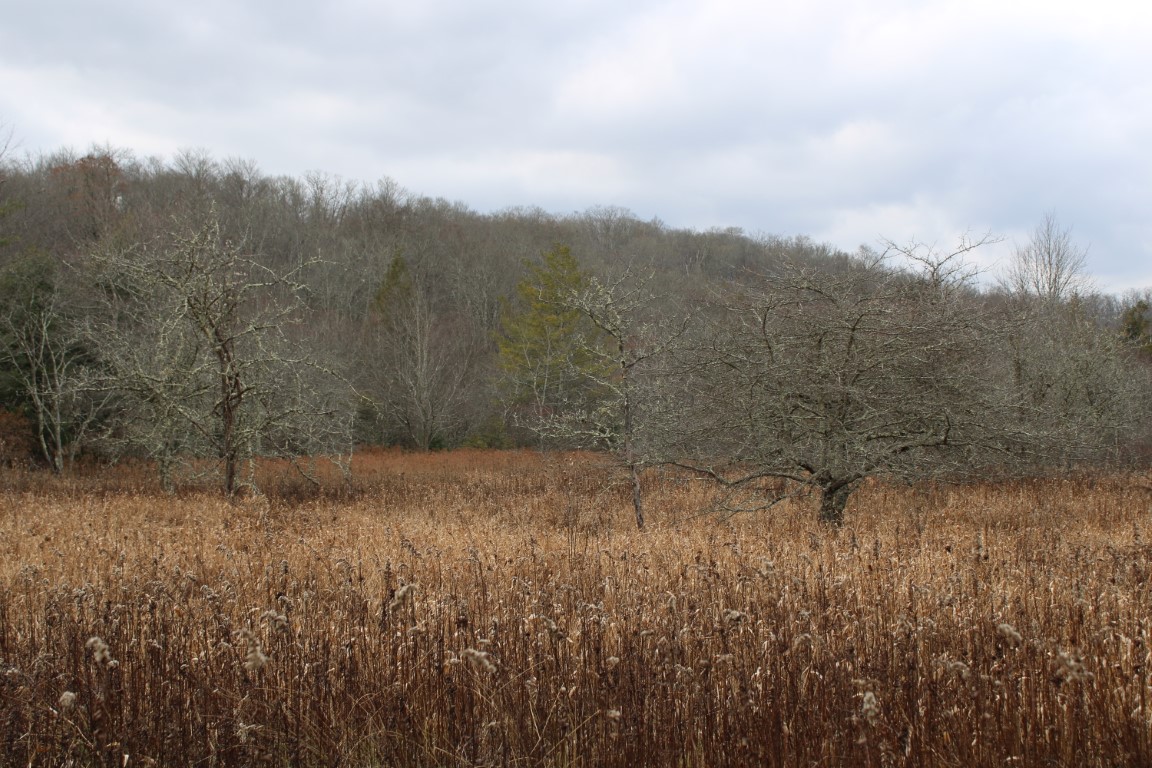
DAILY PHOTO: Scenes from Julian Price Memorial Park

Taken in November in the Julian Price Memorial Park, NC

Tea Master [Free Verse]

drink the wisdom --
you'll find it more in the heat
than in the liquid

subtle - 
like the flavor of tea

in drinking it 
you'll discover:

there is no tea,
but the tea --
a tea-less tea

the life in you
the life in me
melted into a mound
of unity