DAILY PHOTO: Om Beach

Taken at Om Beach, Gokarna in August of 2020

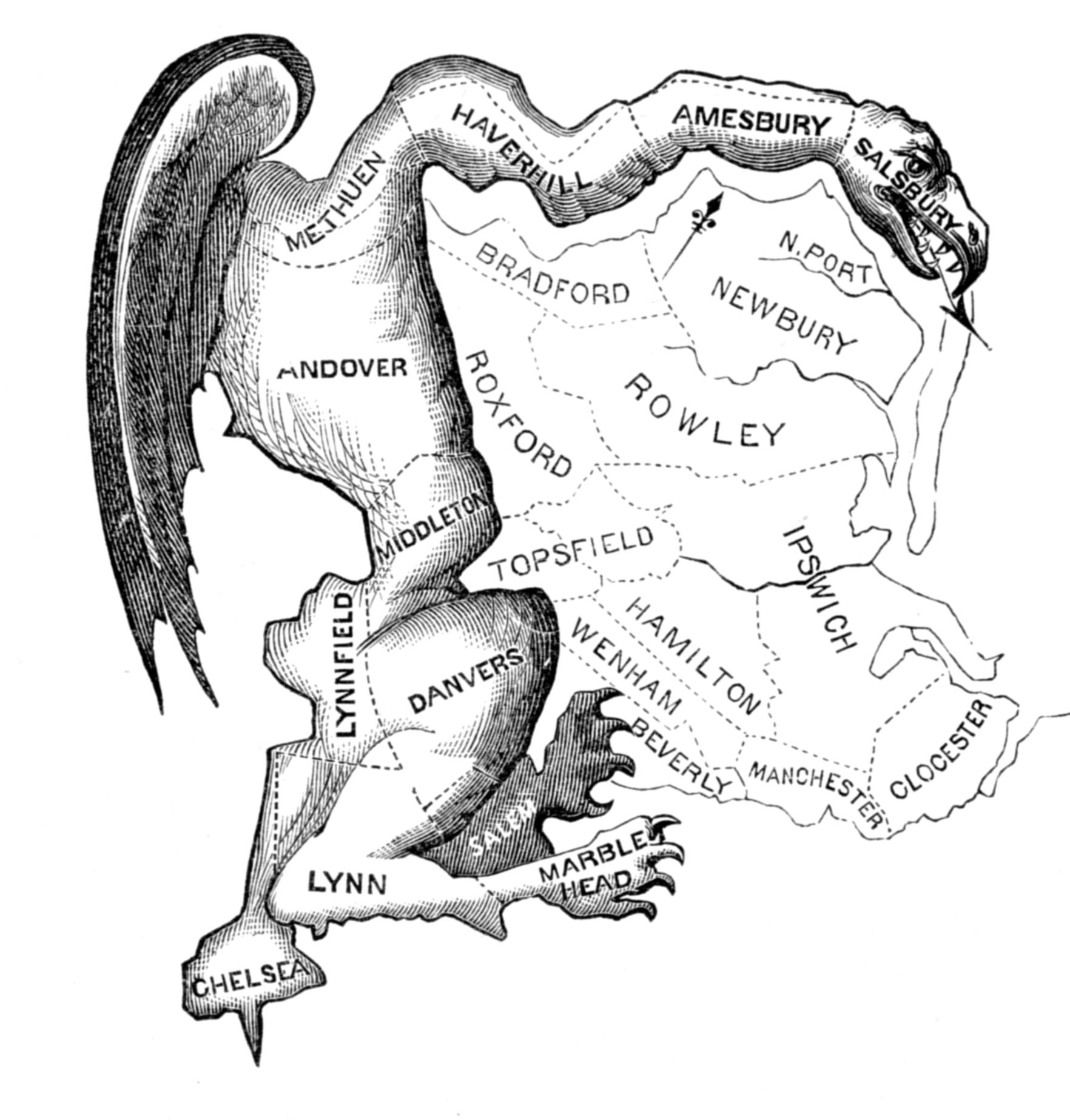
Red in the Blues Blues

Boston Centinel political cartoon (1812)
by Elkanah Tisdale
They gerrymandered the district;
got all this red up in my blues.
They gerrymandered the district;
got all this red up in my blues.
They did it all after midnight,
so it wouldn't make the evening News.

Rocky Shores [Free Verse]

a rocky monolith,
jutting from the sea,
is smashed by waves.

overgrown with moss
& gnarled trees.

battered brutally
& unrelentingly,

and yet unchanged 
& unmoved.

 birds confidently
settle upon the rocks
&
take off again,
leisurely.

Panglossian Limerick

From an 1803 edition of Candide
There was a philosopher named Pangloss
whose sole objective was to get across:
Ours is the best of worlds!
And yet, the crapper swirled
and nothing escaped but dregs and dross.

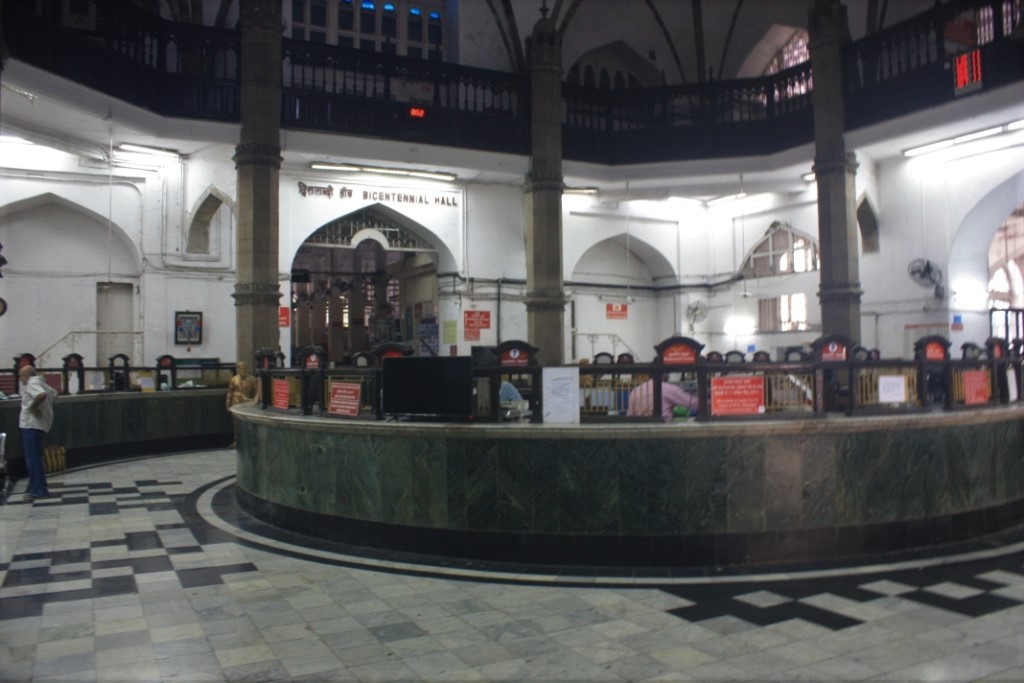
DAILY PHOTO: Scenes from Mumbai

Taken in July of 2017 in Mumbai; Asiatic Society
Gateway of India
Skyline from Haji Ali Dargah

Patience: Casualty of Modernity [Limerick]

There was an old man, some called "ancient,"
who got riled everyone was so impatient.
"The world was much better
when we talked by letter,
and you only got instant replies if adjacent."

BOOK REVIEW: Introducing Epigenetics by Cath Ennis

Introducing Epigenetics: A Graphic Guide (Introducing...)Introducing Epigenetics: A Graphic Guide by Cath Ennis
My rating: 4 of 5 stars

Amazon.in Page

Get Speechify to make any book an audiobook

I’m old enough to remember when the human gene sequence was first being decoded, and there was a widespread belief that it was going to end genetic diseases in one fell swoop. It didn’t do that, and – in fact – seemed to result in whole new levels of confusion. It’s fascinating to me that now Epigenetics, a subject that grew out of that confusion, is also being seen as the ticket to ending disease. Epigenetics investigates what traits are expressed and why, given that a specific gene sequence has a vast array of potential for various traits to be (or not to be) expressed.

For those familiar with this series (the “A Graphic Guide” series,) this book is more difficult to digest than most titles, certainly than any of the several others that I’ve read. To be fair, the subject matter is more technical than most, leading to it being more jargon- and acronym-intensive. In addition, the subject isn’t cut up into as small of pieces as most of the books. This one has far fewer and longer chapters than the others that I’ve read.

That said, while it reads technically for the general reader, there are a few concepts (methylation, demethylation, and histone modification) that are frequently revisited throughout the book, and so one can get a basic grasp of those concepts. The book also explores some issues that are more readily understood by the lay reader, such as: nature v. nurture in gene expression, the role of twin studies, and how pseudo-scientific individuals and organizations have made fraudulent claims involving Epigenetics.

If you want to learn about the fundamentals of Epigenetics, you may want to look into this book — but keep in mind that it’s not a smooth read.

View all my reviews

Peril [Haiku]

butterfly,
at work on a flower.
a bird circles

DAILY PHOTO: Chiyoda Castle

Taken in the Summer of 2008 in Tokyo

BOOK REVIEW: The Exquisite Machine by Sian E. Harding

The Exquisite Machine: The New Science of the HeartThe Exquisite Machine: The New Science of the Heart by Sian E. Harding
My rating: 5 of 5 stars

Amazon.in Page

Release date: September 20, 2022

Get Speechify to make any book an audiobook

In this book, a renowned heart researcher presents an overview of what we know (and don’t know) about the human heart: i.e. what can go wrong with it and why, how [and to what degree] it fixes itself, and what modern medicine can do to treat or replace a damaged heart. I learned the most from the middle of the book – i.e. chapters five through seven. Chapter five explores plasticity in the heart, plasticity is a concept that most people associate with the brain and its ability to rewire itself to contend with damage or changing needs. The other two chapters look at how the heart can be damaged, specifically as a result of emotional experience. A “broken heart” isn’t necessarily a misnomer.

Chapter four is also intriguing but takes the win for “which one of these things is not like the others.” It deals with big data, though not in a general sense but rather as it applies to gaining a better understanding of the heart. This chapter discusses a common challenge of medical research: that it’s hard to come up with large enough study groups of patients with close enough to the same problem to draw solid conclusions. Four also discusses the potential of the vast amount of data that exists, e.g. Fitbit heart rate figures.

The last couple chapters deal largely with the future of heart repair through genetic / biological means (as opposed to via mechanical hearts and technologies, which are dealt with in Chapter nine.) This is where the book gets to be a challenging read for a readership of non-experts. It gets technical and jargon- / acronym-heavy.

The heart is an astounding entity, relentlessly at work, rarely giving up despite regularly being subjected to intense shocks, an organ tied to our whole being in a way that humans have always felt – if only just begun to understand. If you’re interested in learning more about this magnificent organ, check this book out.

View all my reviews