Where’d the Water Go? [Free Verse]

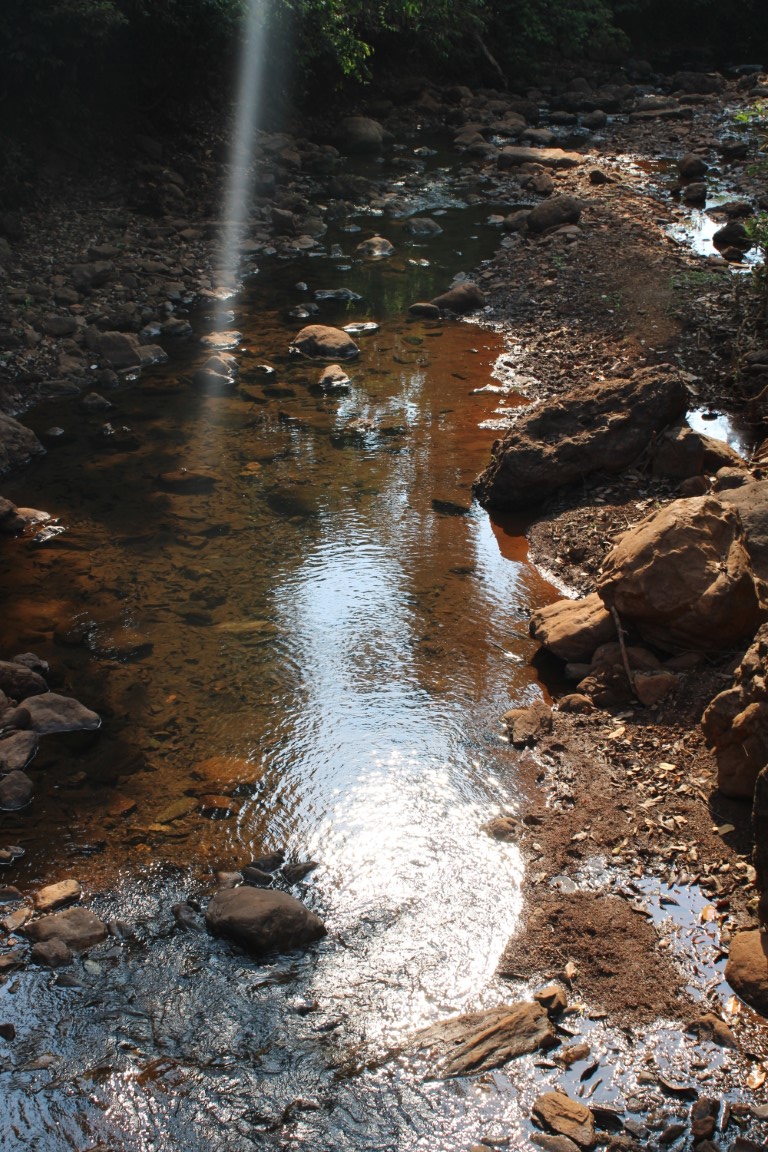
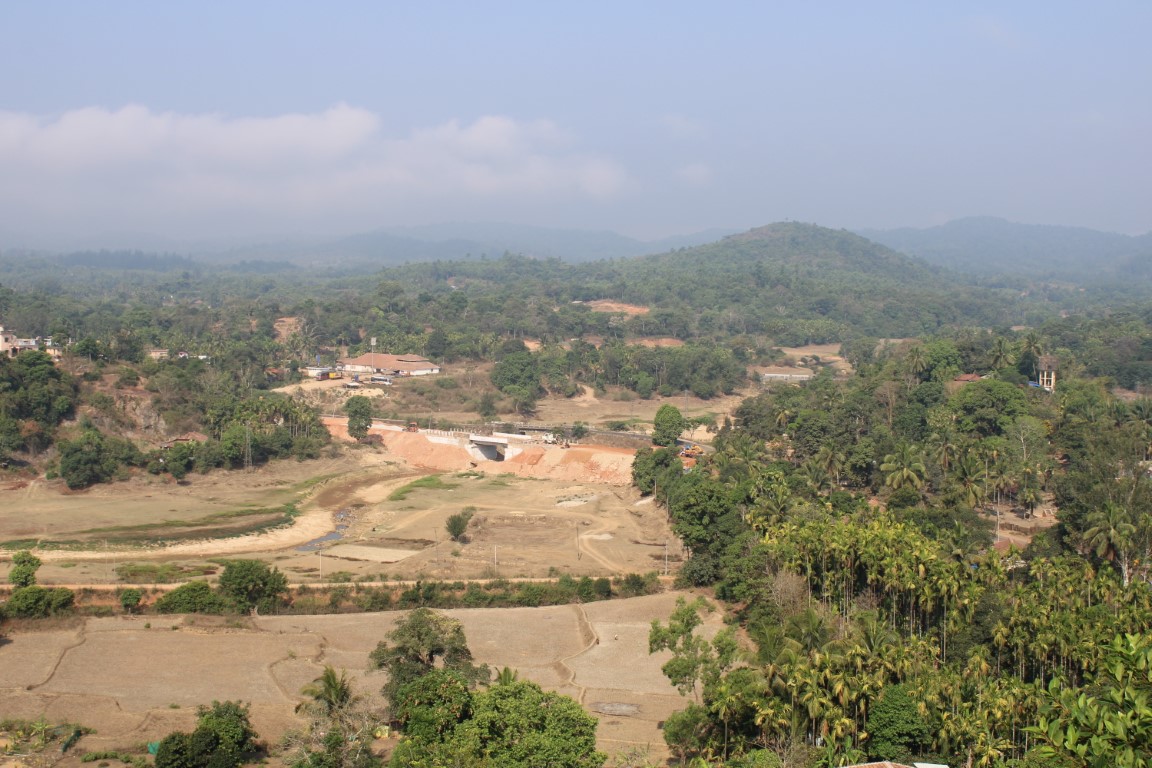
the lake is low.
where'd the water go?
i don't know...

but you can bet
squirrels aren't at fault.

Painted Forest [Lyric]

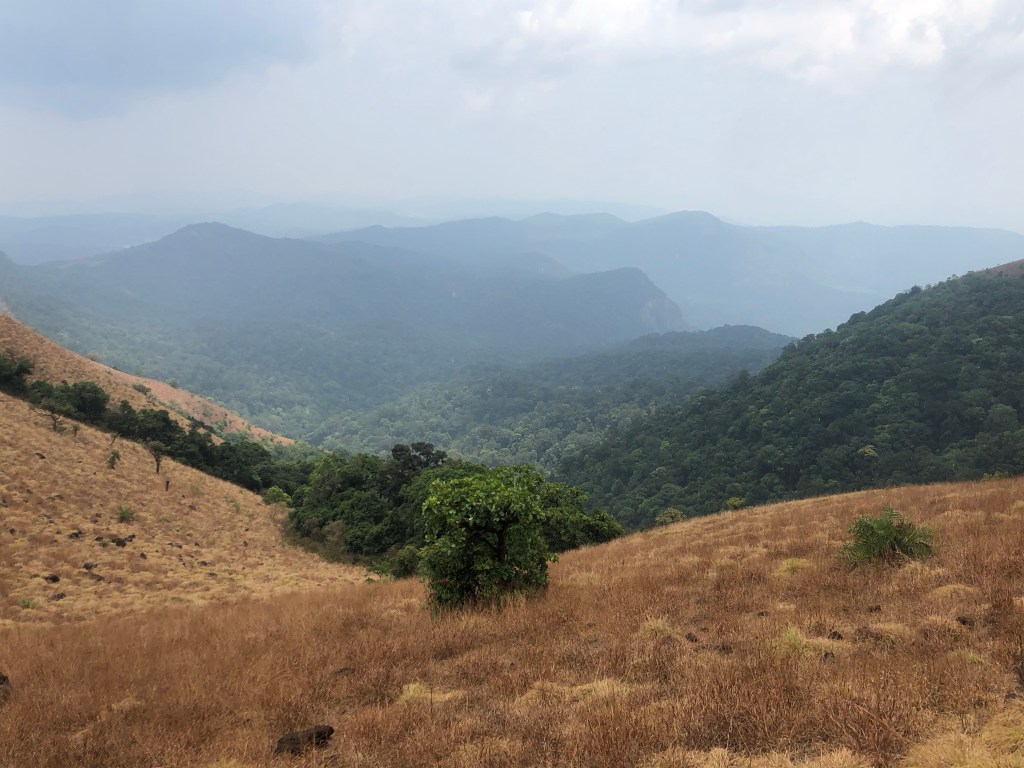
The forest looks painted
with dabs of bright color,
a pointillist mural 
of the leaves' last hurrah.

Soon, it'll turn twiggy,
and sing desolation,
and invite the fog in
to soften sharp lines.

Then one day you'll notice
leaves glowing in sunlight.
Their green will be golden
from warm yellow rays.

The maturing forest
will darken its greenness, 
turning to sober tones
that blot out the light. 

DAILY PHOTO: Hotel Queen Elizabeth, Gödöllő

Image

Relentless Rain [Sonnet]

It rains for days on end in this city.
The people peer out under umbrellas.
Nothing 's washed clean; it's soggy & gritty
and brutal as a Kafka novella.

The streets aren't light, but nor are they true dark.
The light isn't absent, just sapped of vim.
The gray that remains is like Fall in Denmark.
Relentless rain is relentlessly grim. 

The gutters are glutted with murk and sludge.
The rushing waters can't sweep it all clean.
All work 's drudgery and all walks a trudge,
and there's no sparkle in the pavement sheen.

Do some "sing in the rain?"  No, they just mock --
their umbrella flipped out and w/ sodden socks.

Dragonfly [Kyōka]

the dragonfly
is still, and I wonder
whether it's dead,
and further wonder whether
anyone has thought that of me

City Sonnet

A million lives are packed in this city,
and each one struggles to be its own self:
the starving, rotund, ugly, and pretty --
the tailored and those who buy off-the-shelf.

And everyone fails, yet they all succeed
in being different, while being alike.
And they all heal, while they also all bleed,
and almost all would survive a first strike.

Everyone knows someone - just not neighbors.
They love to remain enigmatic at home,
while transparent with those who share labors --
though some want everyone to leave them alone.

A city is a strange place full of strangers,
and those who choose it thrive on its dangers.

DAILY PHOTO: Fő tér, Szentendre

Accidental Travel [Sonnet]

If you can follow rivers to the sea
by drifting without thrashing or grasping --
just let the flow take you upon a spree,
a spree of dunk and breathe, without gasping,

then you will witness all there is to know.
You'll see shaky shanties and vast estates,
the birds in flight and creatures: fast and slow,
the weeping willows, and fish tempting Fates.

If you can roll around the rocks -- always --
and never crack your head and silence all
the voices saying you've reached your end-days,
and never rush and never, ever stall...

If you can do all this and keep the flow,
it won't matter you don't know which way you go.

Shadow of Night [Haiku]

a park at night.
the shadows are darker
because of the light

BOOK REVIEW: The Art of the Tale by Steven James & Tom Morrisey

The Art of the Tale: Engage Your Audience, Elevate Your Organization, and Share Your Message Through StorytellingThe Art of the Tale: Engage Your Audience, Elevate Your Organization, and Share Your Message Through Storytelling by Steven James
My rating: 4 of 5 stars

Amazon.in Page

This is a fine book on storytelling, storytelling with a focus on business presentations and speeches. That said, this is a topic for which the market is glutted. There are many books available about storytelling, and while this one doesn’t distinguish itself by being exceptionally bad, neither does it distinguish itself as exceptionally good. It’s a decent book on storytelling, and if you’re interested in stories for work presentations or speeches and haven’t read other books on the subject, you might as well try this one. However, if you’ve studied up on the subject, I wouldn’t expect to discover anything profound or novel in this book.

The book does focus on some subjects more than do others. One of my favorite parts was chapter 11, “Warts and All…,” because it addresses an issue that books tend to overlook or gloss over, and that’s how to deal with the skeletons in one’s closet (or in the company’s closet.) It offers an intriguing look at the dark side of Henry Ford.

One of the strengths of this book is that it summarizes key lessons and repeatedly revisits core concepts (e.g. the StoryCube, which is these authors’ outline for presenting the fundamental elements of a story.) The book’s greatest weakness is probably oversimplifications and banal statements, particularly given that the authors critique the simplifying statements of others. For example, they offer a criticism of the common distinction between plot- and character-driven literature that misses that there is something fundamentally different between Joyce’s “Ulysses” and “The Hunger Games” that is worth understanding, and – to the degree their criticism is true – much of this book could be similarly criticized as oversimplification or false dichotomization / categorization.

Reading this book helped me think about the subject of storytelling, particularly the non-written variety of story, but I can’t say there was anything groundbreaking or of unmatched profundity.


View all my reviews