Name the most expensive personal item you’ve ever purchased (not your home or car).
Wedding ring? Probably. Possibly a sword.

Name the most expensive personal item you’ve ever purchased (not your home or car).
Wedding ring? Probably. Possibly a sword.
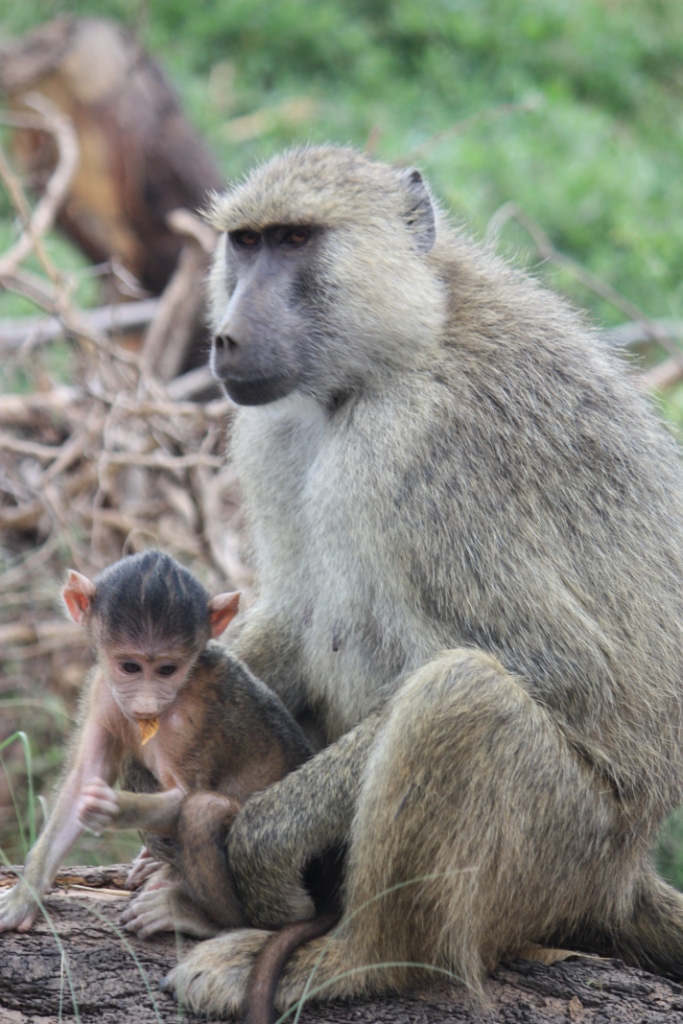
I would never wish to impugn
   That noble creature, the baboon.
 Some say mean things about their fangs,
   But about their gnarly butts-- DAAANG!
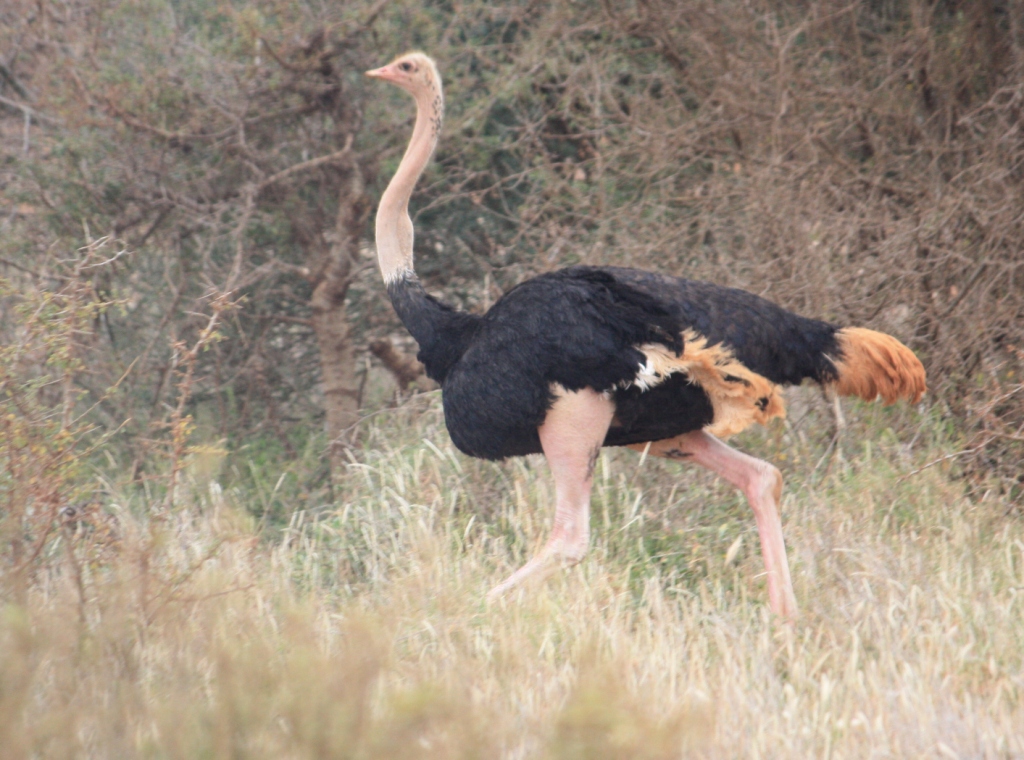
For the Ostrich, I feel quite bad:
 The bird's great gift, it never had.
 But, a flighted one, I don't wish to see;
 I'd hate to have a falling one land on me.

Skimming lightly, wheeling still,
   The swallows fly low
 Over the field in clouded days,
   The forest-field of Shiloh--
 Over the field where April rain
 Solaced the parched ones stretched in pain
 Through the pause of night
 That followed the Sunday fight
   Around the church of Shiloh--
 The church so lone, the log-built one,
 That echoed to many a parting groan
     And natural prayer
   Of dying foemen mingled there--
 Foemen at morn, but friends at eve--
    Fame or country least their care:
 (What like a bullet can undeceive!)
    But now they lie low,
 While over them the swallows skim,
   And all is hushed in Shiloh.
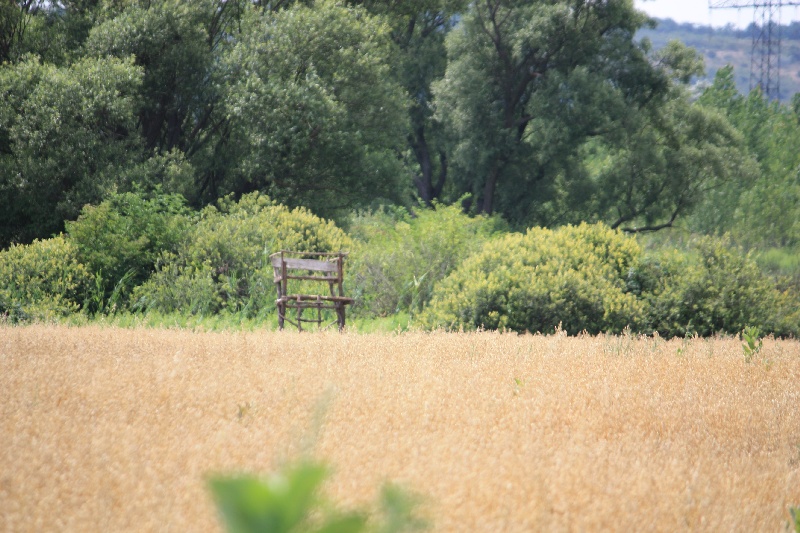
tardy deer hunter
 finds a deer grazing beside
  his hunter's stand.
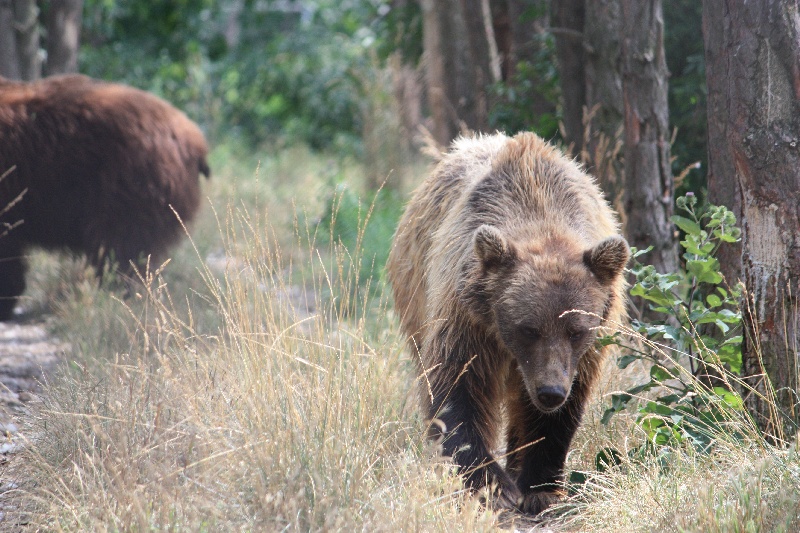
Walking down a trail, I had quite a scare --
   For walking straight towards me was a big ole bear.
 It glanced at me, and then down at its feet,
   Then that speciesist bear had the nerve to cross the street.
How they are provided for upon the earth,
   (appearing at intervals;)
 How dear and dreadful they are to the earth;
 How they inure to themselves as much as to
   any -- What a paradox appears their age;
 How people respond to them, yet know them not;
 How there is something relentless in their fate,
   all times;
 How all times mischoose the objects of their
   adulation and reward,
 And how the same inexorable price must still
   be paid for the same great purchase.


 Tiger Riding for Beginners