Spring Flowers [Haiku]

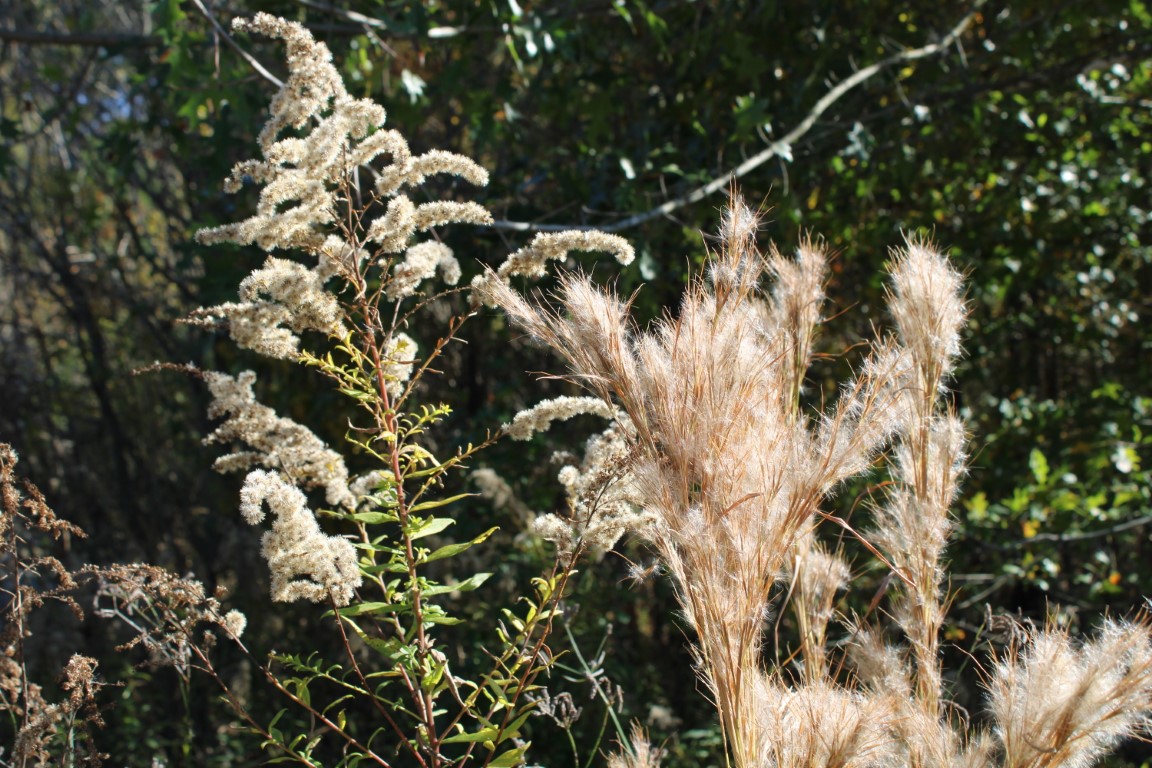
spring blossoms -
damp from passing showers -
droop, but stay bright

Propaganda [Common Meter]

The words were whispered down the line,
but changed at every turn.
Some words were written down in time,
but gathered up to burn.

And no one knew unvarnished truth --
only some stray excerpts.
They tried to cobble together 
the judgments of experts.

But truth was not to be retrieved 
by way of slick guesses
and in the end all they had left
were their burning messes.

Slant [Free Verse]

They told it slant,
but not all the truth,
and it rolled into the ears
of the willing
and into the minds
of the faithful.

And in those minds
it was built into 
a swift machine,
one of great power -- 
if little reality.

But deaths never required
reality of motive,
only 
reality of matter.

So, the wild stories
became wild ideas
that were the bane
of us all. 

Endogenous High [Free Verse]

hot-injected molecule -
squeezed into my bloodstream,
shooting me into bliss

& 

i ride that tide,
rising
&
rising
on the swell

breath jagged,
mind rapt with nothingness,
& 
brain firing 
in electric tangles

i'm seeing,
but not attaching
i'm being,
but nothing in particular

in time, my ride will be
at an end,
and I'll be back 
to the world
of strange disasters

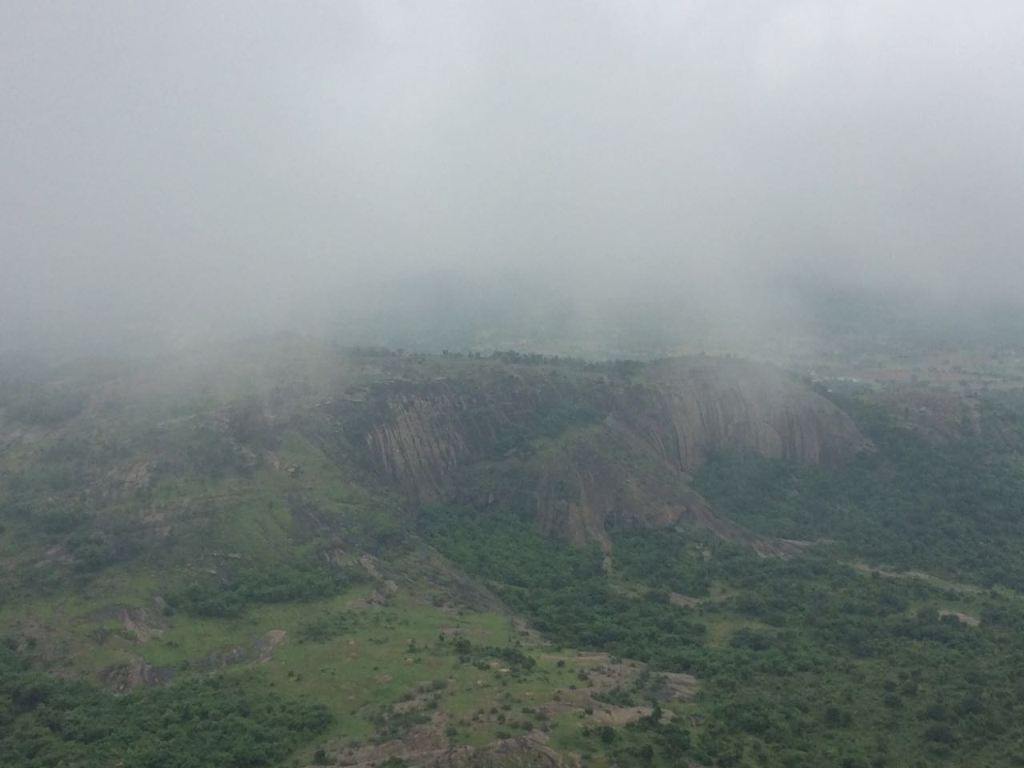
Rocky Shoal [Haiku]

like dragon spine,
a rocky shoal lies offshore,
by night, a figment

Crabs at a Distance [Haiku]

the stony beach writhes;
but they're shells, not stones -
crab animated

BOOK REVIEW: Romanticism: A Very Short Introduction by Michael Ferber

Romanticism: A Very Short IntroductionRomanticism: A Very Short Introduction by Michael Ferber
My rating: 4 of 5 stars

Amazon.in Page

Romanticism was a literary, artistic, and philosophical movement of the late 18th and early 19th century. It’s commonly believed to have been a response to the Enlightenment, a desire to not throw out the baby with the bathwater as the influence of religion waned. In this book, we learn that that’s a misleading oversimplification, but not one completely devoid of truth.

Like a lot of “movements,” Romanticism is a fairly loose set, containing a disparate band of entities. This is exacerbated because it’s not just, say, a style of painting or of music, but rather it cuts across a diverse range of activities. Because of that, the book offers the least clarity in the opening chapters (ch. 1&2) and in the last one (ch. 6.) The first two try to rope in Romanticism and to differentiate it from “sensibility,” a movement oft-confused for Romanticism. The last chapter attempts to show the commonality that cuts across different domains, e.g. how are Romantic paintings similar to Romantic novels, or – for that matter – Idealist philosophy.

However, starting with chapter three, the book provides clear insight into the nature of Romanticism. Chapter three investigates poetry. Chapter four examines philosophy and Romantic attitudes towards religion and science. This was quite eye opening to me because I’d previously contrasted Romanticism with the Enlightenment, and here I learned that the Romantics’ views on religion and science were far from the opposite end of a spectrum. Chapter five shines light on the social context of Romanticism, focusing on politics, the French and the Industrial Revolutions, and War, but also evaluating what influence, if any, Romanticism had on changing views toward women.

I feel I came away from the book with a better understanding of Romanticism, and so I’d recommend it for others interested in learning more.

View all my reviews