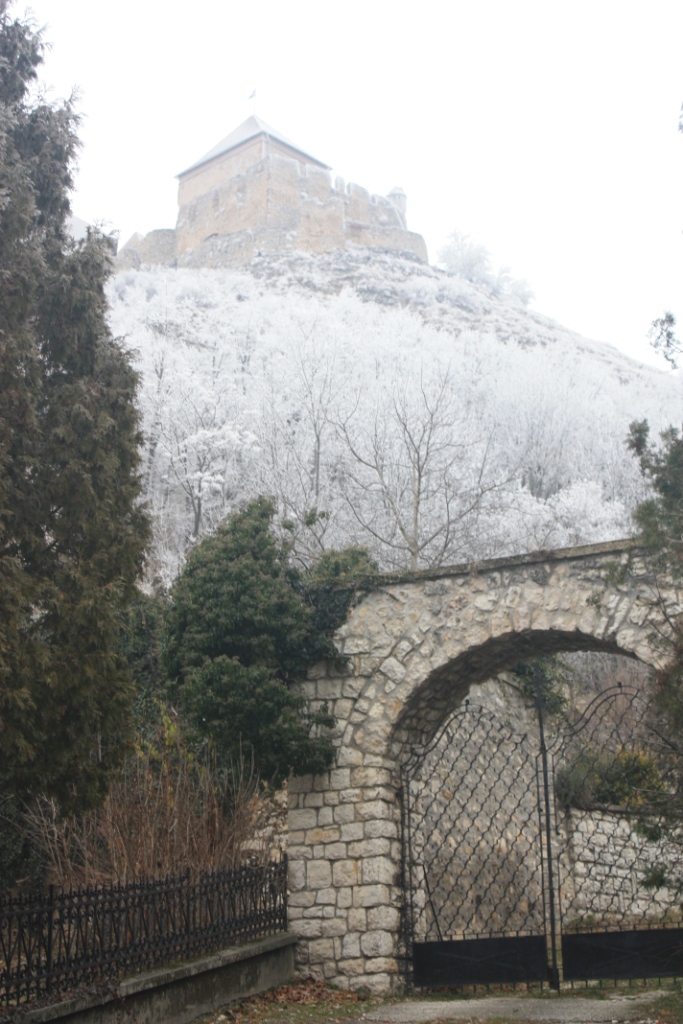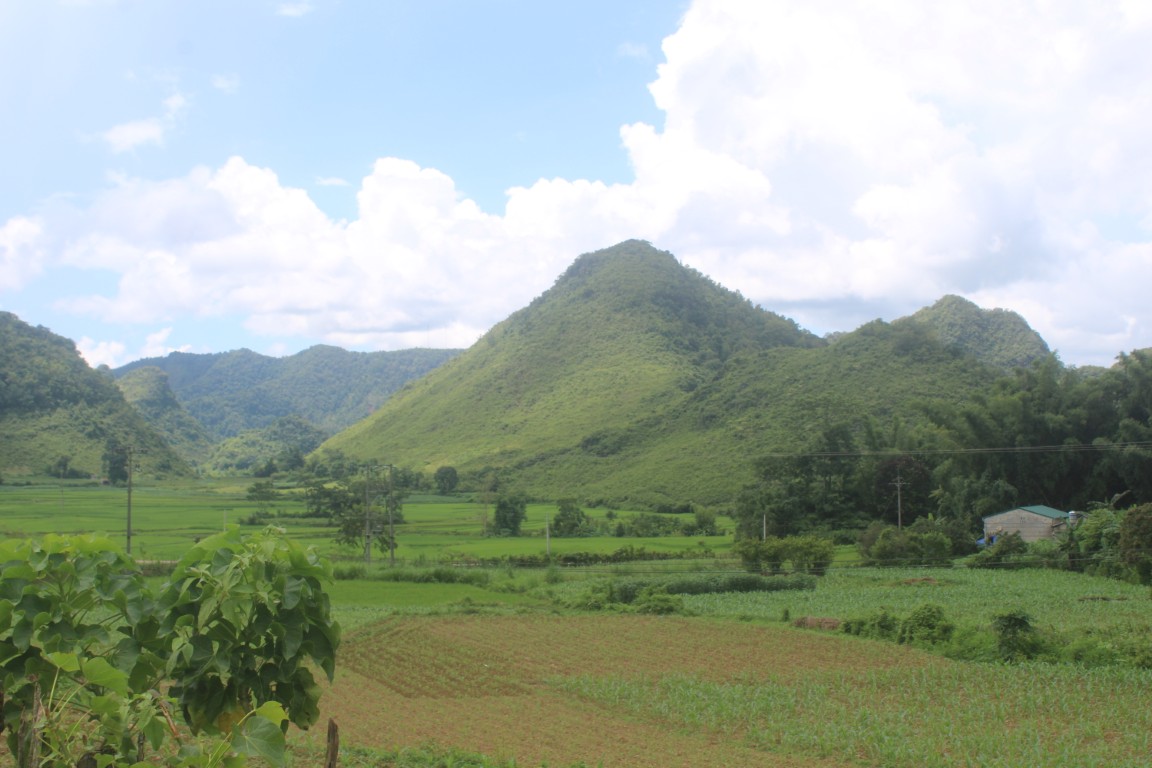
Hills of Tranquility [Free Verse]

Stony hills
Blanketed in green;
Softened -
Yet still hard.
Silent -
Yet riotous
As wind buffets
My face when I
Speed past.

“Hoar-Frost” by Amy Lowell [w/ Audio]

In the cloud-grey mornings
I heard the herons flying;
And when I came into my garden,
My silken outer-garment
Trailed over withered leaves.
A dried leaf crumbles at a touch,
But I have seen many Autumns
With herons blowing like smoke
Across the sky.
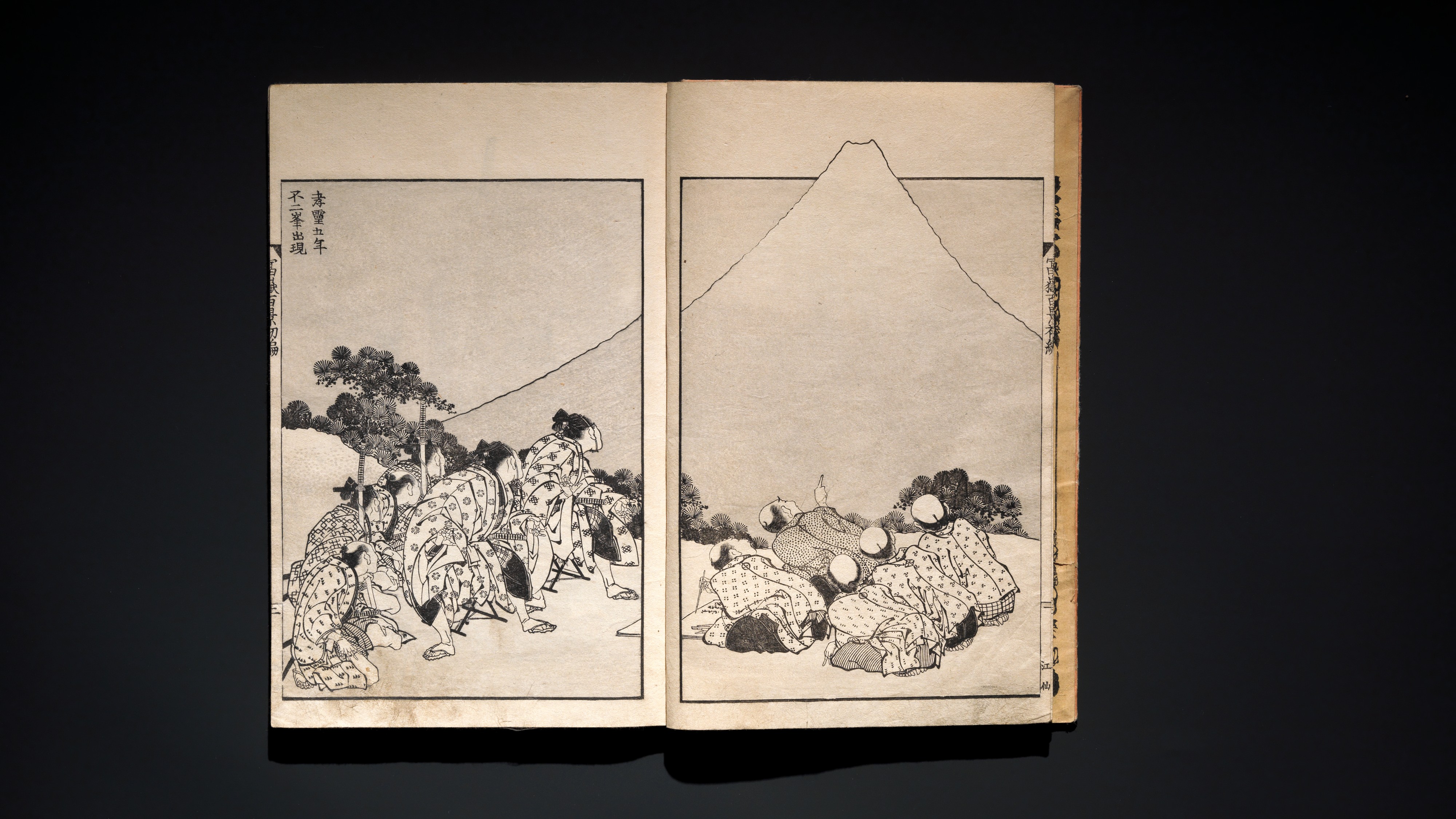
“One of the ‘Hundred Views of Fuji,’ by Hokusai” by Amy Lowell [w/ Audio]

     Being thirsty,
I filled a cup with water,
And, behold! -- Fuji-yama lay upon the water,
Like a dropped leaf!

BOOKS: “Soseki Natsume’s Collected Haiku” trans. by Erik Lofgren

Soseki Natsume's Collected Haiku: 1,000 Verses from Japan's Most Popular Writer (Bilingual English & Japanese Texts with Free Online Audio Readings of Each Poem)Soseki Natsume’s Collected Haiku: 1,000 Verses from Japan’s Most Popular Writer by Natsume Sōseki
My rating: 5 of 5 stars

Publisher Site — Tuttle

Natsume Soseki is widely considered one of 2oth century Japan’s greatest writers. While he is best known for his novels, such as Kokoro and I Am a Cat, Soseki wrote broadly, including the one-thousand haiku collected in this volume.

The collection, as is common among haiku volumes, is organized seasonally. Season words being a common feature of classical haiku. That said, these poems are not all classical haiku (though most are.) With respect to form, they are all haiku, but – with respect to content – some are senryū (a style that is the same as haiku in form, but uses more humor and humanistic elements and is less strictly natural and imagist) and others are more idiosyncratic experiments.

One excellent feature of this collection is that it includes both the Japanese characters and Romanized phoneticizations for each poem. This is great for readers who know some level of Japanese, but having the pronunciations allows readers to take in the sound quality of the original — even if they don’t read Japanese.

The translations are optimized for readability by English readers. By this I mean that the translator, Erik Lofgren, doesn’t pare the lines down to maximize sparseness of sound. There are different strategies for translation, and I think Lofgren’s approach is best for a general readership because the translations don’t draw attention to themselves by reading in a fashion that is clunky or tone deaf in English. That said, I suspect some readers would prefer translations more stripped of articles, conjunctions, and other function words.

If you enjoy haiku and modern Japanese literature, I’d highly recommend this book.

View all my reviews

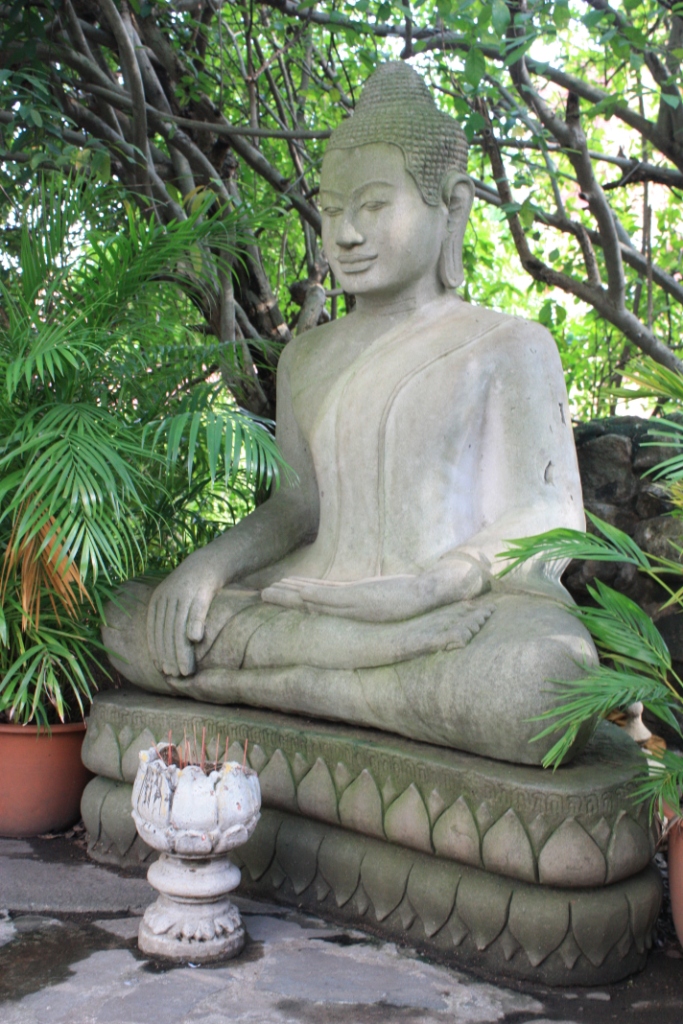
“Illusion” by Amy Lowell [w/ Audio]

   Walking beside the tree-peonies,
I saw a beetle
Whose wings were of black lacquer spotted with milk.
I would have caught it,
But it ran from me swiftly
And hid under the stone lotus
Which supports the Statue of Buddha.
“Mulberry Picking” [採桑子] by Ouyang Xiu [w/ Audio]

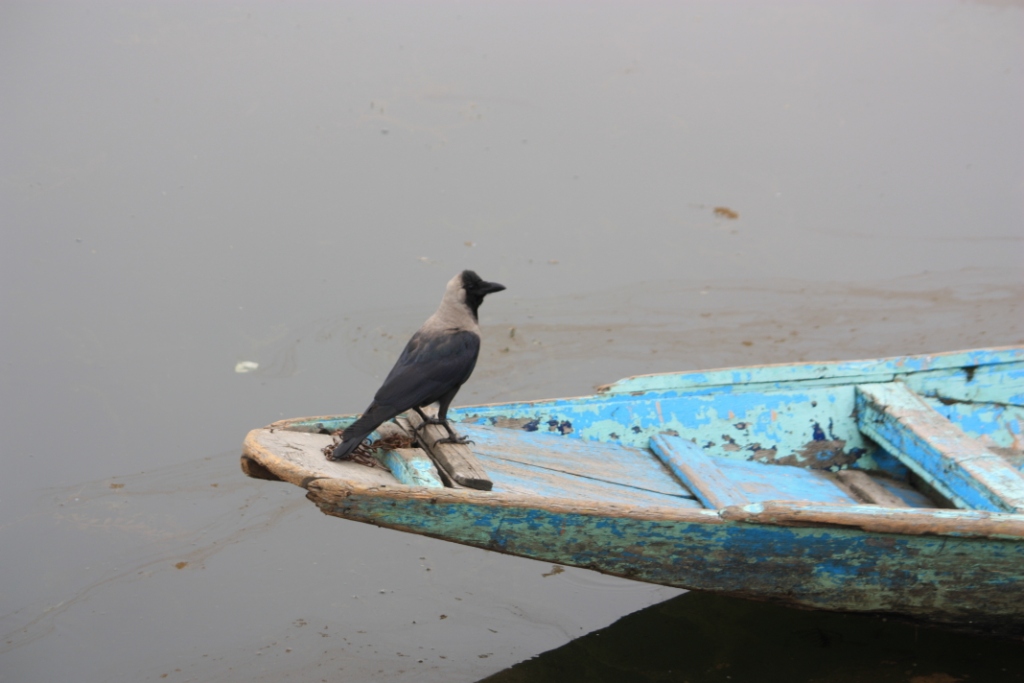
West Lake is beautiful from a small boat.
Green water wends its way through the lotus,
Sweet grass grows thickly all along the bank,
Faint music wafts from unknown points ashore.

When the wind quits, the Lake is glassy smooth;
The boat is perfectly still for a beat,
Then its movement is betrayed by ripples
And startled waterfowls' furious flapping.

Note: The title “Gathering Mulberry Leaves” was used by Xu Yuanchong for his translation. The Chinese title is: 採桑子 (Cǎi Sāngzǐ)

BOOKS: “A Dome of Many-Coloured Glass” by Amy Lowell

A Dome Of Many Colored GlassA Dome Of Many Colored Glass by Amy Lowell
My rating: 5 of 5 stars

Project Gutenberg Page

This was Lowell’s first published collection (1912,) and my 5-stars notwithstanding, it is not everyone’s cup of tea. I think I understand why this is. If you read some of Lowell’s more popular and highly anthologized poems, you might find that this collection is unlike them in several ways. Many of those popular poems are highly imagist, emulate East Asian sparseness, and are free verse. These poems are by and large metered and rhymed verse and I would not be the first to say that they often feel conventional and pedestrian. As I was reading the final section, “Verses for Children,” I figured out what other key feature of Lowell’s poetry was largely missing from the lyric poetry and sonnets that preceded these Children’s poems — playfulness. [Fortunately, it’s on display in the kid’s poems.]
.
With all that said, there are some spectacularly evocative images presented within these poems. I particularly enjoyed poems like: “New York at Night” and “A Japanese Wood-Carving.” As I don’t have the aversion to metered verse that many poetry readers seem to have today, I wasn’t as dismayed by the collection as some readers seem to be. Though I will admit that the collection doesn’t just play it safe with form, it also infects the tone and content of the poems.

Still, I found the collection readable and pleasant reading. (But maybe this is because I like a good scavenger hunt for golden nuggets of beautiful verse.)

View all my reviews

“The Pond” by Amy Lowell [w/ Audio]

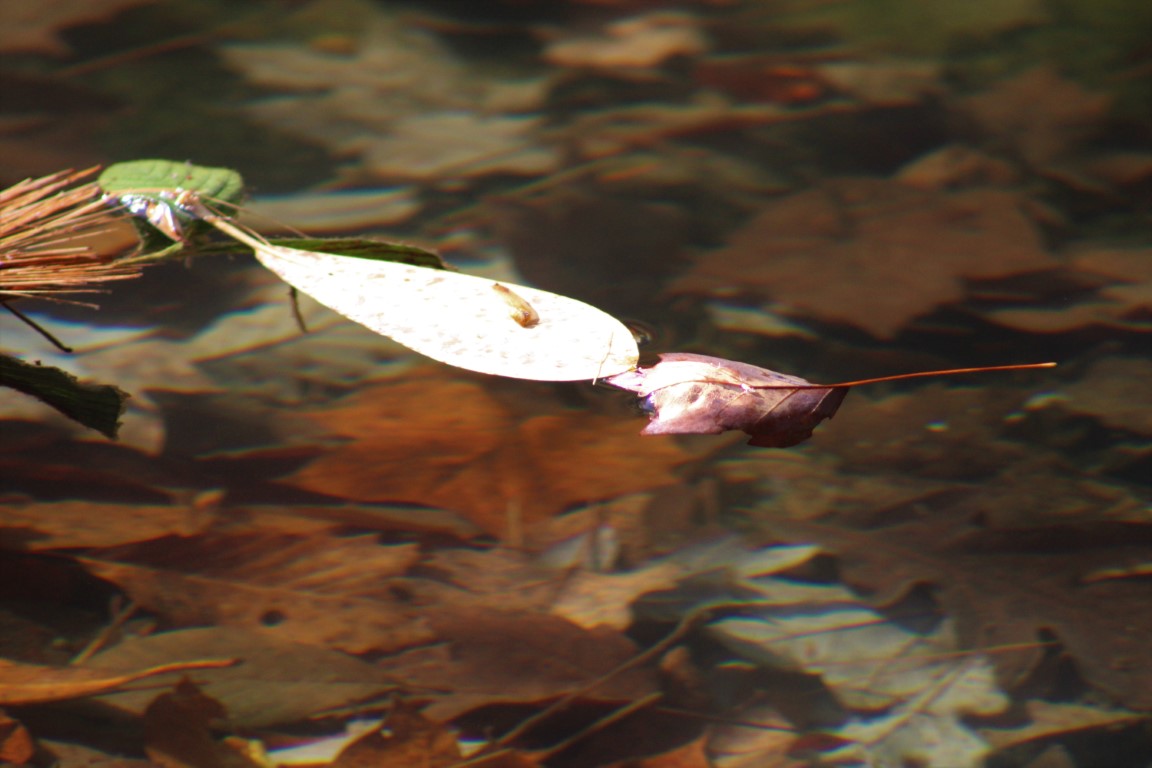
Cold, wet leaves
Floating on moss-coloured water
And the croaking of frogs --
Cracked bell-notes in the twilight.
“Autumn” by Amy Lowell [w/ Audio]

All day I have watched the purple vine leaves
Fall into the water.
And now in the moonlight they still fall,
But each leaf is fringed with silver.

“Inversnaid” by Gerard Manley Hopkins [w/ Audio]

This darksome burn, horseback brown,
His rollback highroad roaring down,
In coop and in comb the fleece of his foam
Flutes and low to the lake falls home.

A windpuff-bonnet of fawn-froth
Turns and twindles over the broth
Of a pool so pitchblack, fell frowning,
It rounds and rounds Despair and drowning.

Degged with dew, dappled with dew
Are the groins of the braes that the brook threads through.
Wiry heathpacks, flitches of fern,
And the beadbonny ash that sits over the burn.

What would the world be, once bereft
Of wet and of wildness? Let them be left,
O let them be left, wildness and wet;
Long live the weeds and the wilderness yet.