
Some say they miss days of wonder,
   But I think I see their blunder.
 Those thrilling days, they never left;
   It's something of one's soul, bereft.
 That fatal flaw of lacking awe
   Is from not seeing, cause you saw.

Some say they miss days of wonder,
But I think I see their blunder.
Those thrilling days, they never left;
It's something of one's soul, bereft.
That fatal flaw of lacking awe
Is from not seeing, cause you saw.
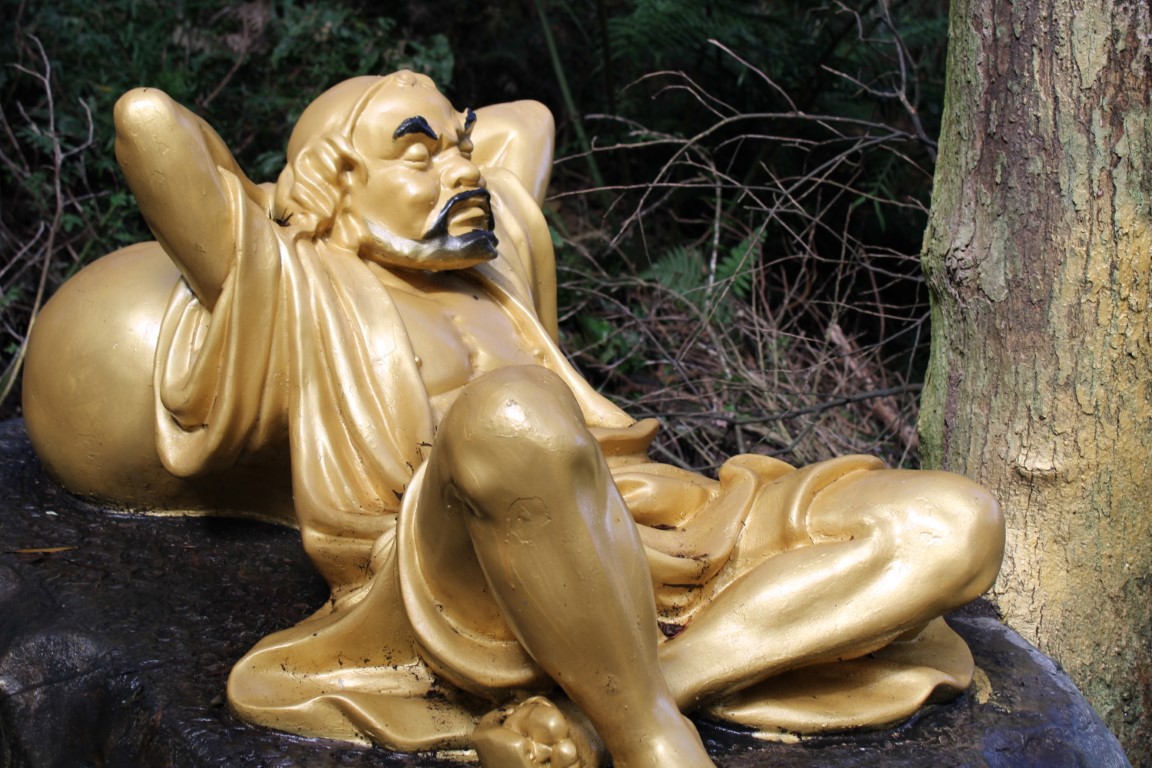
When one makes god of wealth,
 Light glows from yellow "gold,"
 But the lavish withers --
 Even as its deeps take hold.

Fog at the river's edge.
 Red apricots, woods enfold.
 Moon shine on bower's flowers.
 Painted bridge in green shadow.
 An old bowl full of wine,
 As a friend's lute song unfolds.
Make your bliss of such things,
 And they will be your true gold.
NOTE: The late Tang Dynasty poet, Sikong Tu (a.k.a. Ssŭ-k‘ung T‘u,) wrote an ars poetica entitled Twenty-Four Styles of Poetry. It presents twenty-four poems that are each in a different tone, reflecting varied concepts from Taoist philosophy and aesthetics. Above is a crude translation of the ninth of the twenty-four poems. This poem’s Chinese title is 绮丽, and its translated titles include: “Beautiful,” “Intricate,” and “Embroideries.”
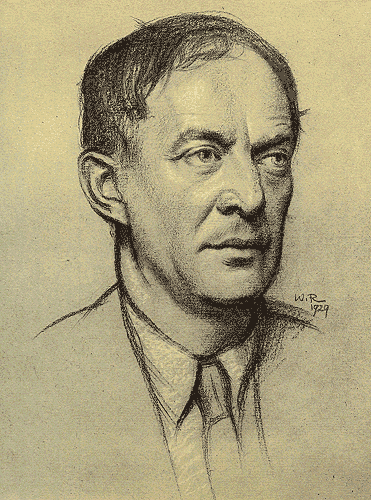
Clear eyes, beneath clear brows, gaze out at me,
 Clear, true and lovely things therein I see;
 Yet mystery, past ev'n naming, takes their place
 As mine stay pondering on that much-loved face.
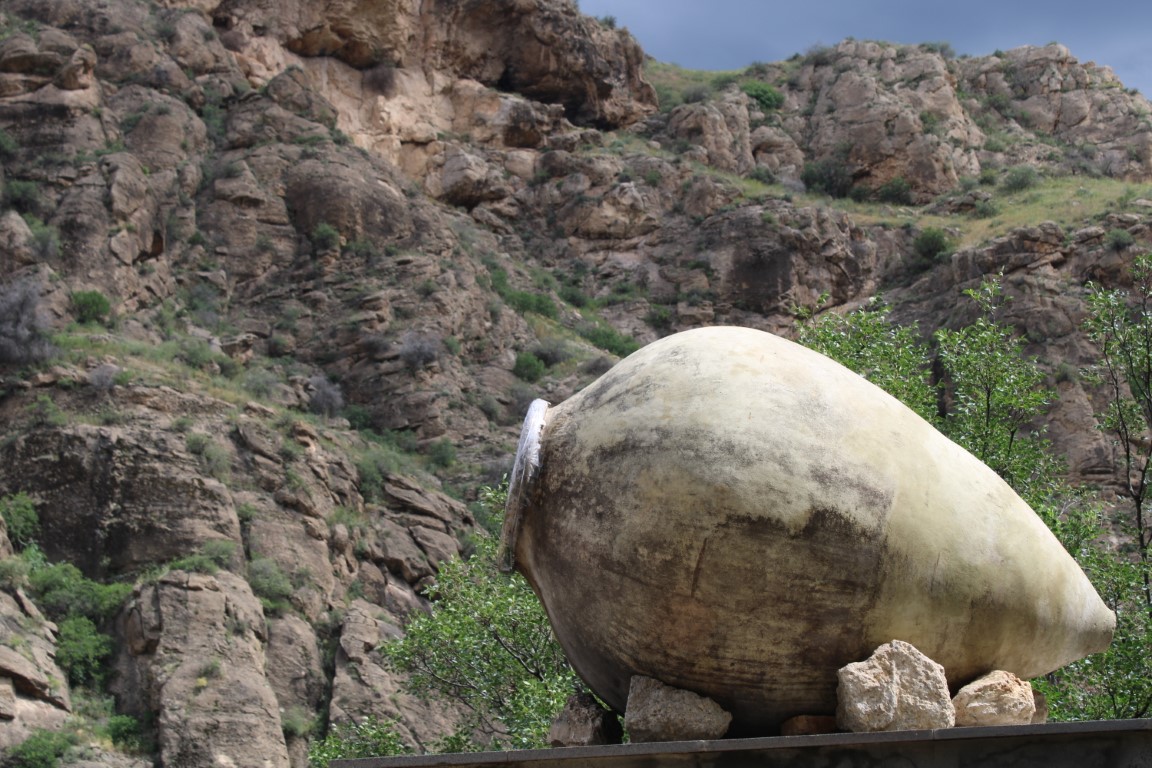
I taste a liquor never brewed --
  From Tankards scooped in Pearl --
 Not all the Frankfort Berries
   Yield such an Alcohol!

Inebriate of air -- I am --
  And Debauchee of Dew --
 Reeling -- thro' endless summer days --
   From inns of molten blue --

When "Landlords" turn the drunken Bee
  Out of the Foxglove's door --
 When Butterflies -- renounce their "drams" --
   I shall but drink the more!

Till Seraphs swing their snowy Hats --
  And Saints -- to windows run --
 To see the little Tippler
   Leaning against the -- Sun!
When midnight mists are creeping,
   And all the land is sleeping,
 Around me tread the mighty dead,
   And slowly pass away.

Lo, warriors, saints, and sages,
   From out the vanished ages,
 With solemn pace and reverend face
   Appear and pass away.

The blaze of noonday splendour,
   The twilight soft and tender,
 May charm the eye: yet they shall die,
   Shall die and pass away.

But here, in Dreamland's centre,
   No spoiler's hand may enter,
 These visions fair, this radiance rare,
   Shall never pass away.

I see the shadows falling,
   The forms of old recalling;
 Around me tread the mighty dead,
   And slowly pass away.
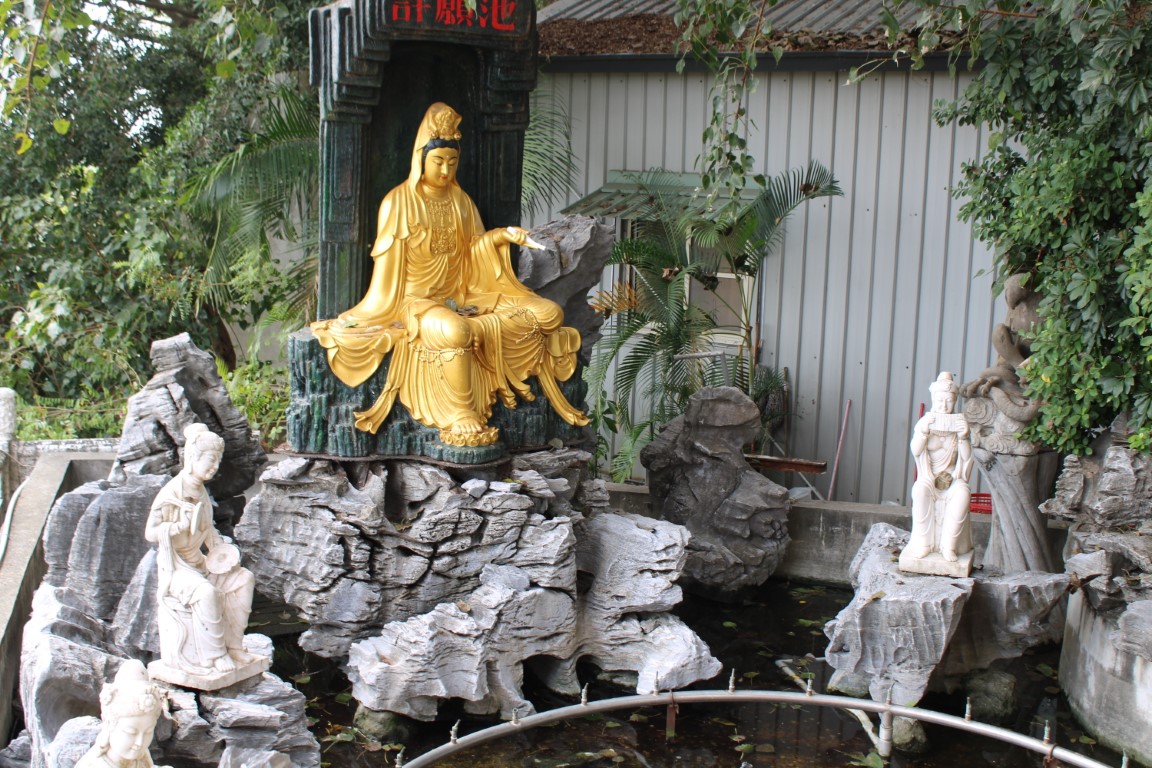
It's as if ones gone mining --
   From lead, silver refining.
 That's how one cleanses a heart:
   With pure love, not pining.

Like a pond from Spring rainfall:
   Mirror to heavens and all,
 Without defect of image --
   True as the moon's bright, white ball.

Stargazing across night skies;
   Singing songs of hermits, wise;
 The water flowing today
   Will know that bright moonrise.
NOTE: The late Tang Dynasty poet, Sikong Tu (a.k.a. Ssŭ-k‘ung T‘u,) wrote an ars poetica entitled Twenty-Four Styles of Poetry. It presents twenty-four poems that are each in a different tone, reflecting varied concepts from Taoist philosophy and aesthetics. Above is a crude translation of the seventh of the twenty-four poems. This poem’s Chinese title is 洗炼, and it has been variously entitled: “Clean,” “Refining,” and “Wash — Smelt.”
 The Song of Hiawatha by Henry Wadsworth Longfellow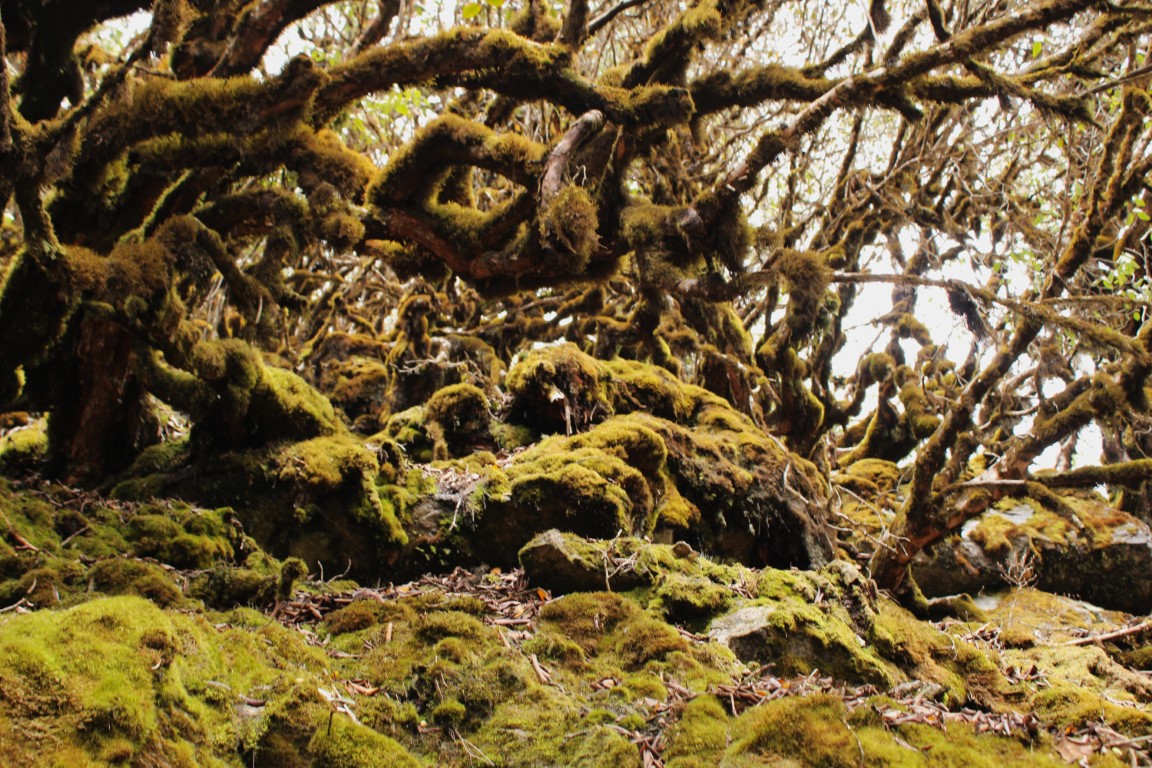
All overgrown by cunning moss,
   All interspersed with weed,
 The little cage of "Currer Bell"
   In quiet "Haworth" laid.

This Bird -- observing others
   When frosts too sharp became
 Retire to other latitudes --
   Quietly did the same --

But differed in returning --
   Since Yorkshire hills are green --
 Yet not in all the nests I meet --
   Can Nightengale be seen --
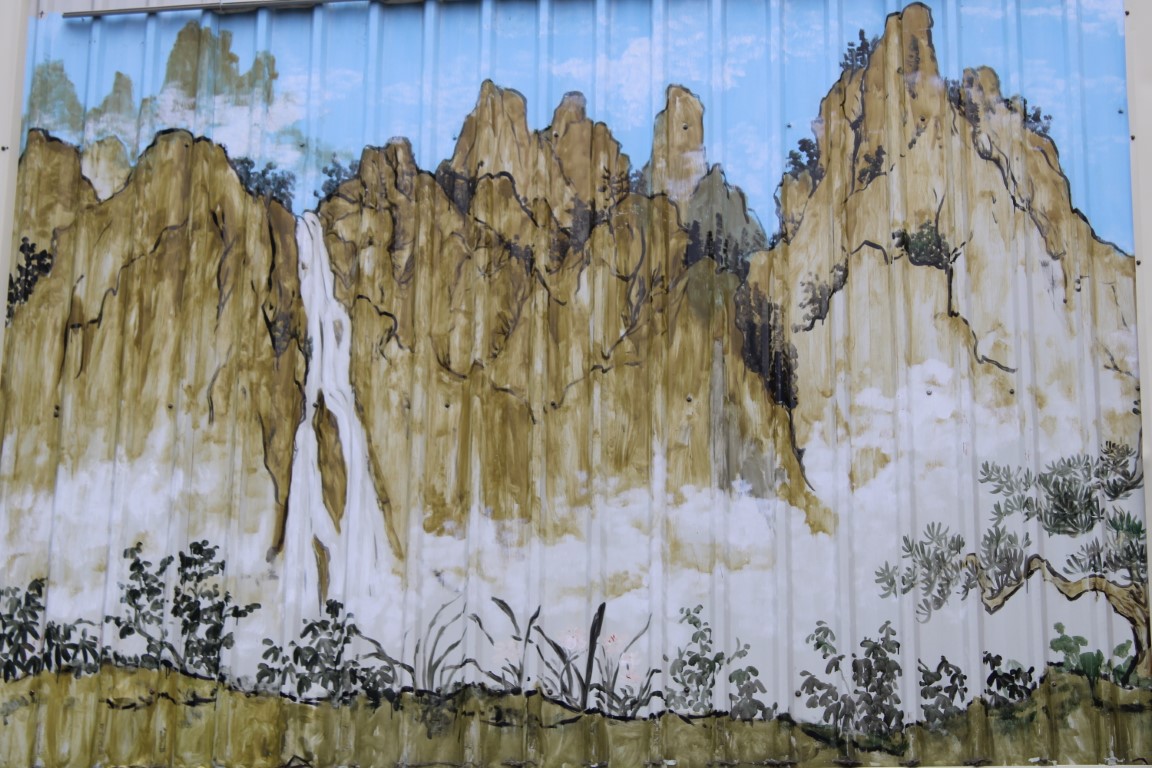
Immortals ride truth
   With lotus in hand,
 As chaos unfolds
   Unlogged above land.

Moonrise in the East
   As good winds are fanned.
 Hill shrine in blue night,
   Bell rings clear and grand.

The god is now gone
   Beyond border lands
 Huangdi* is not there
   Great Age to wasteland.
NOTE: The late Tang Dynasty poet, Sikong Tu (a.k.a. Ssŭ-k‘ung T‘u,) wrote an ars poetica entitled Twenty-Four Styles of Poetry. It presents twenty-four poems that are each in a different tone, reflecting varied concepts from Taoist philosophy and aesthetics. Above is a crude translation of the fifth of the twenty-four poems. This poem’s Chinese title is 高古 (Gāo Gǔ,) and it was translated as “Height – Antiquity” by Herbert Giles.
*Huangdi is a name for the Yellow Emperor that is more syllabically friendly than “Yellow Emperor.” In a great oversimplification for the sake of speed and alignment of context, the Yellow Emperor was China’s King Arthur — a mythical leader of great virtue and heroism. The Tang emperors tried to trace lineages back to the Yellow Emperor, but such imagined linkages to the perfect leader are hard to maintain when an Emperor like Xuanzong crashes the ship of state.

Ah Sun-flower! weary of time,
 Who countest the steps of the Sun:
 Seeking after that sweet golden clime
 Where the travellers journey is done.

Where the Youth pined away with desire,
 And the pale Virgin shrouded in snow:
 Arise from their graves and aspire,
 Where my Sun-flower wishes to go.


 Tiger Riding for Beginners