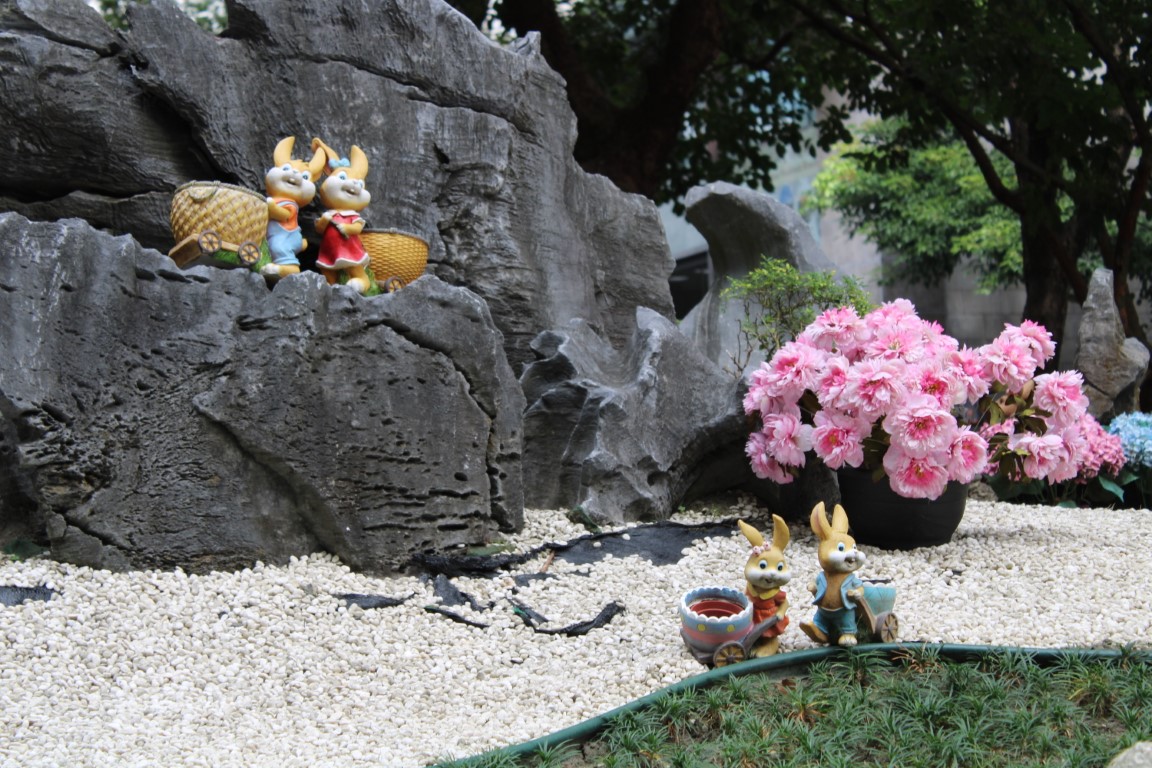
Nothing is what it seems,
     or as it feels it should be.

The world is full of
     smoke & mirrors --
          neither here nor there...

And yet everywhere...
      & everywhen.

Nothing is what it seems,
or as it feels it should be.
The world is full of
smoke & mirrors --
neither here nor there...
And yet everywhere...
& everywhen.
The capacity to decrease entropy in an isolated system.
Do you need time?
I suppose I do. Without it, instead of life being one thing after the other, it would be everything all at once. The latter seems chaotic. But maybe one could get used to being timeless. I have no basis for comparison. I’ve always been just in time. Come to think of it, it would be nice not to have to conjugate verbs.
List 10 things you know to be absolutely certain.
1.) Nothing is permanent.
2.) The world is not what it seems.
3.) One’s subjective experience is not determined by the state of the world.
4.) Nobody grasps enough truth to be intolerant.
5.) Uncertainty is the root of all fear.
6.) Fear is the root of all hatred.
7.) Hatred is a subjective experience (See #3.) Also, uncertainty is the root of all hatred (by the transitive property,) hence the benefit of travel.
8.) Any who: a.) has suffered a string of hardships; b.) allows themselves to believe that some “other” is wholly responsible for said hardships; and c.) who lacks a sufficient sense of self-empowerment to avoid surrendering entirely to a group identity can (and likely will) become a Nazi (or the equivalent of their day.)
9.) No one can predict the future. [Regardless of how much we all love to try. (See #5.)]
10.) Entropy increases (ultimately, in a closed system.)
NOTE: I remain ready to abandon any certainty in the face of better information.
To surrender to my ignorance. If one can never know exactly what game one is playing, it becomes much easier to avoid getting worked up about whether one is playing it right or whether one will “win” or not.
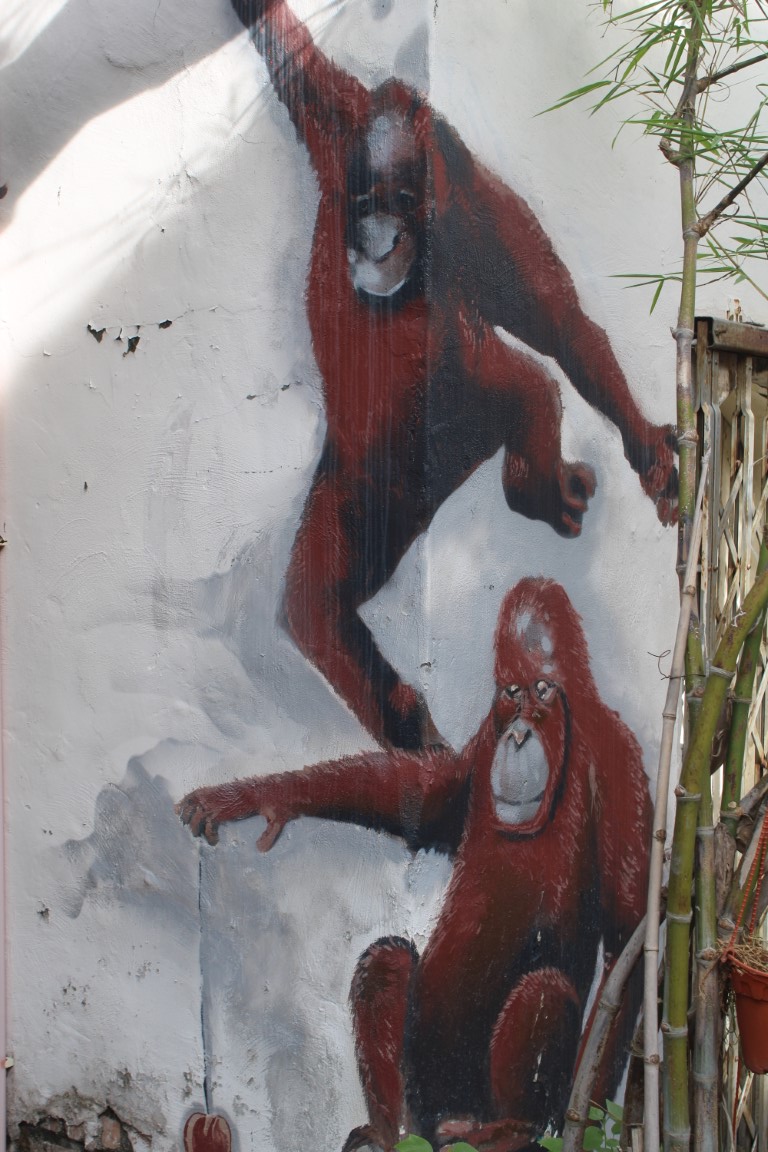
Anywhere copies are made,
   but copies aren't exact,
      selection will take place.

Some erroneous copies will
    be more beloved than others.
      Some errors will propagate.
      Some errors will die out.

Thus is language,
   thus is chemistry,
   and thus is life.

Raise chaos:
   That's the job of intelligent life,
      to make nice & orderly things
      so they can crack and shatter
      and eventually end up pulverized
      to dust --
   A fine, granular dust that will blow
      across the universe.

First, the bowl must be made:
   Some potter must shape and glaze
      and fire it with care,
   Turning sandwiches into art...
      and waste heat --
         entropy slow and fast.

All so someone can crack or chip it
   (with ease and lack of intention,)
   starting it on a path to being sand
   grains a world away.
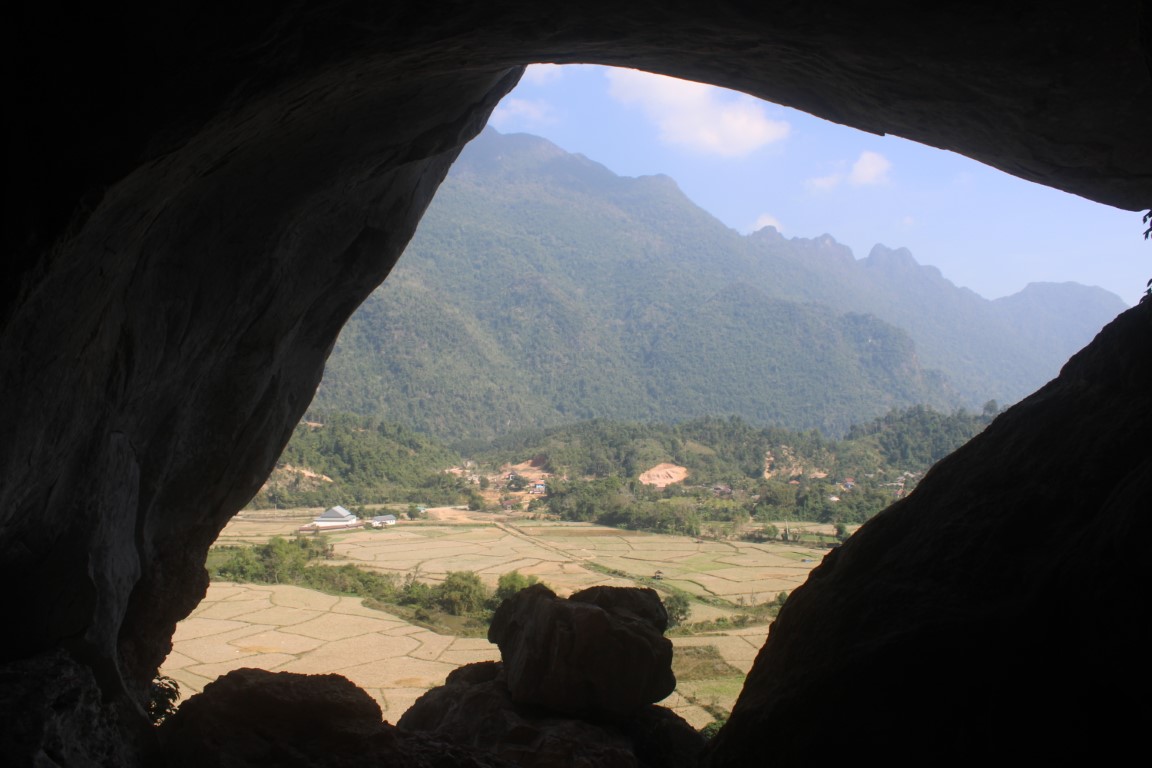
Jagged window
   on the world:
 All light and sound
   deadened,
   but from one opening --
 The cave mouth.

From behind
   nothing stirs,
      nothing glows,
   shadows are subsumed
      by shadow.

 Eyes and mind
   frame the cave mouth,
   making the mind
      a cave within a cave:
         layered silence
         layered remoteness,
      and all input of a single,
         common source.

How many caves deep might
   this thing go?
 Jnana-Yoga–The Way of Knowledge by Ramakrishna Puligandla
Waking to a world in which
    Space & Time misbehave:

Shapes slump,
   Even melting into pools,
   Oozing to flatness, then
     Over the edge and
     Into nowhere.

Time moves in riverine fashion:
     Rushing in the chokepoints
     And lazing in the wide plains.
     Though still flowing
       Inexorably and unidirectionally.

The illusion tries
   To reveal itself,
     But who can understand...


 Tiger Riding for Beginners