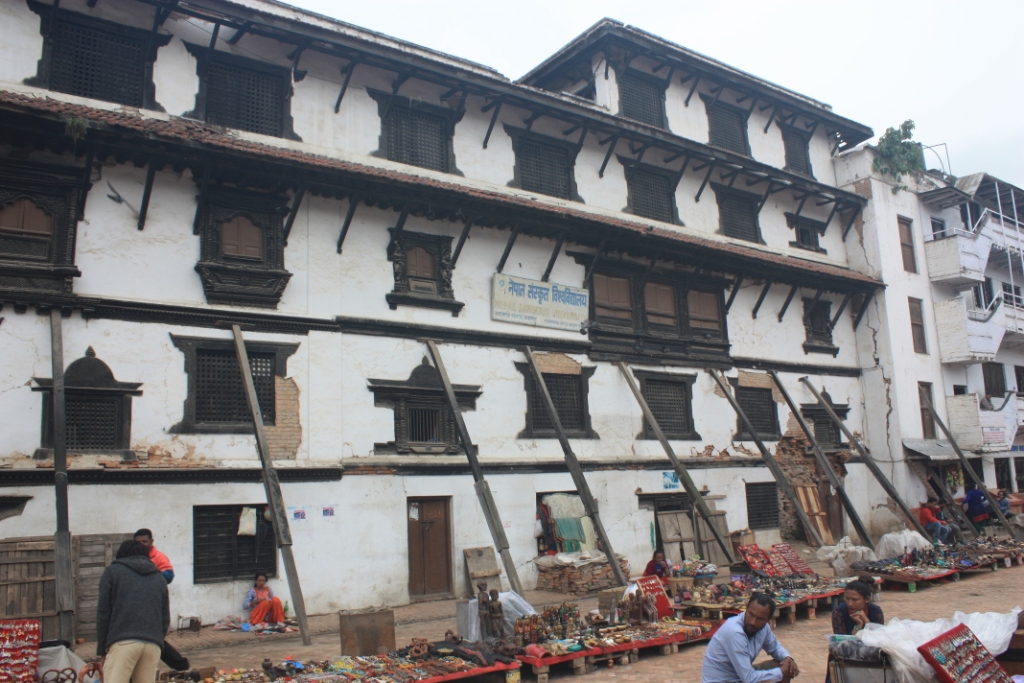
The Props assist the House
   Until the House is built
 And then the Props withdraw
  And adequate, erect,
 The House support itself
  And cease to recollect
 The Augur and the Carpenter –
  Just such a retrospect
 Hath the perfected Life –
  A Past of Plank and Nail
 And slowness – then the scaffolds drop
  Affirming it a Soul –
South of Yangtze, stands of red tangerine
 Can endure winter while remaining green.
 Is it that the weather there is so warm?
 No. Their nature 's to bear a winter storm.
 What might well serve the joyful traveler
 Will be loathsome peril to passengers.
 Fate factors in chance and situation --
 Not playing around in cyclic rotation.
 You may cultivate crops however you please,
 But should heed shade thrown by mountains & trees.
This is the fourth poem in 300 Tang Poems [唐诗三百首] and the final poem of a quartet that opens that collection. The original in Simplified Chinese is:
Romance, who loves to nod and sing,
 With drowsy head and folded wing,
 Among the green leaves as they shake
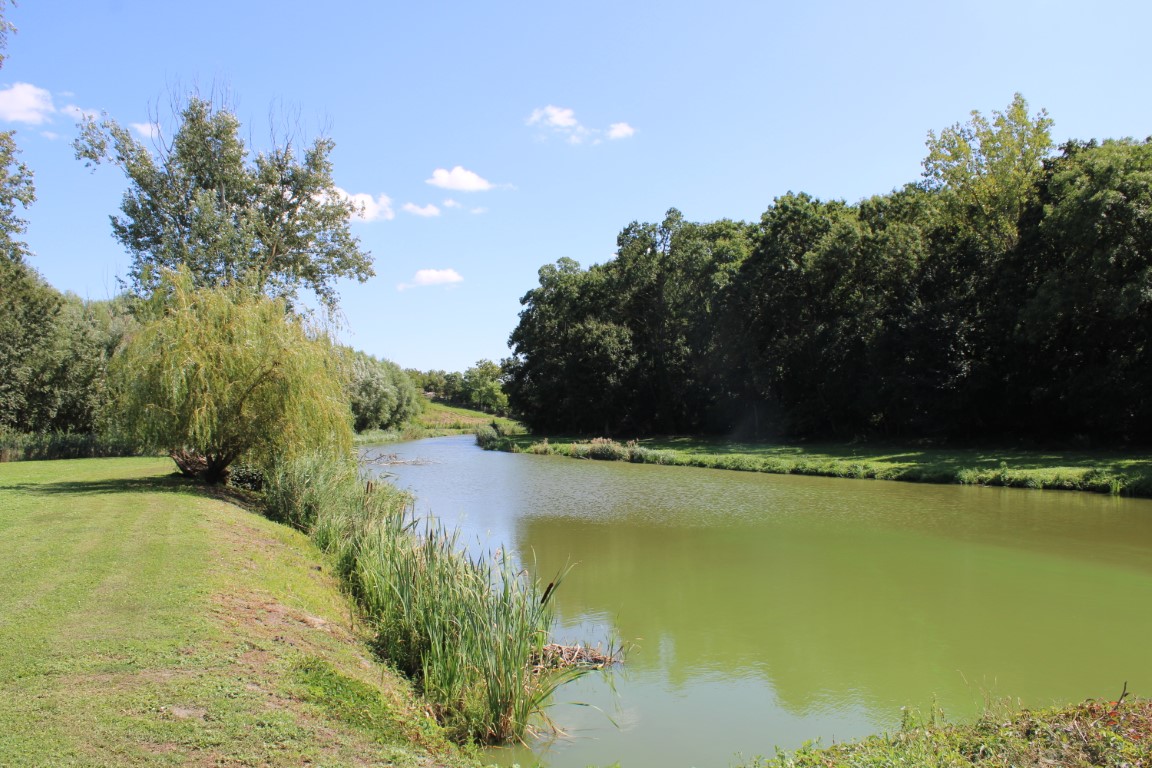
 Far down within some shadowy lake,
 To me a painted paroquet
 Hath been—a most familiar bird—
 Taught me my alphabet to say—
 To lisp my very earliest word
 While in the wild wood I did lie,
 A child—with a most knowing eye.
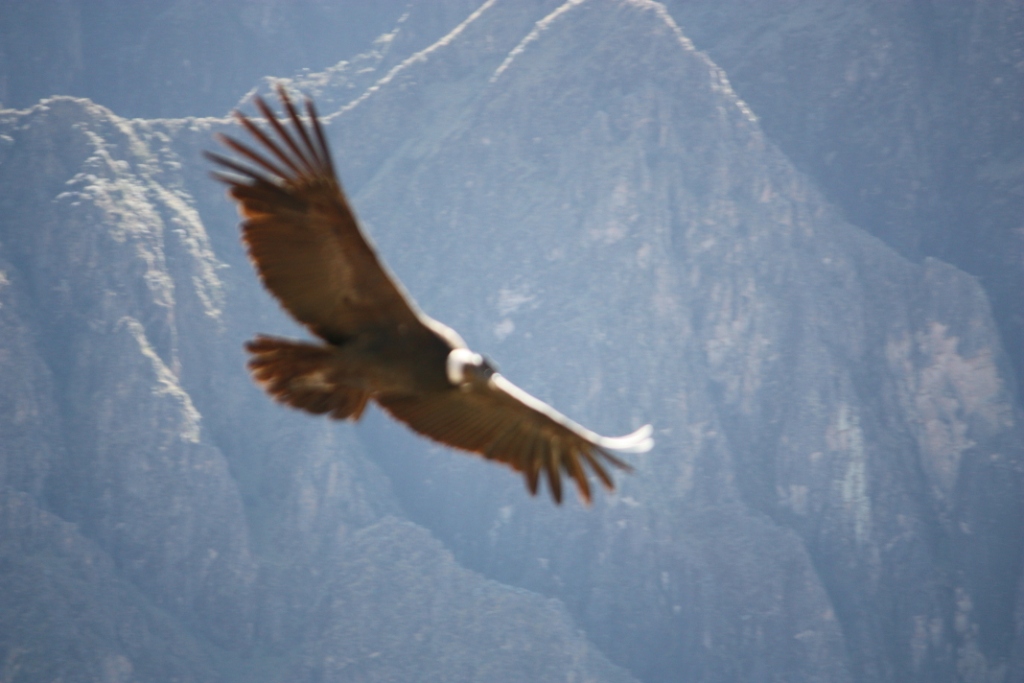
 Of late, eternal Condor years
 So shake the very Heaven on high
 With tumult as they thunder by,
 I have no time for idle cares
 Through gazing on the unquiet sky.
 And when an hour with calmer wings
 Its down upon my spirit flings—
 That little time with lyre and rhyme
 To while away—forbidden things!
 My heart would feel to be a crime
 Unless it trembled with the strings.
Down by the salley gardens
   my love and I did meet;
She passed the salley gardens
   with little snow-white feet.
She bid me take love easy,
   as the leaves grow on the tree;
But I, being young and foolish,
   with her would not agree.

In a field by the river
   my love and I did stand,
And on my leaning shoulder
   she laid her snow-white hand.
She bid me take life easy,
   as the grass grows on the weirs;
But I was young and foolish,
   and now am full of tears.
Do you remember your favorite book from childhood?
Green Eggs and Ham is the earliest children’s book that made an impression — mostly for its catchy lyricism. Robinson Crusoe was the first story that resonated.
Language can be complex, reason may sprawl,
  And words don't always seem to point the way.
  Extremes aren't always clear and distinct.
  Overhauls are not always an upgrade.
  The gist may dwell in a key phrase or two --
  Those words the whip that make it race or stay.
  Though multitudinous words are in place
  They must do more than roar, hiss, or bray.
  Overuse of the whip exhausts the horse --
  Keep the impulse to whip too much at bay.
List three books that have had an impact on you. Why?
Steven Kotler’s The Rise of Superman changed the way I looked at mind-body development.
Water Margin [a.k.a. Outlaws of the Marsh] convinced me a sprawling epic could be worth reading if it was done well, it kicked my love of Chinese Literature into high gear, and it started me on the path of learning Chinese.
Self-Reliance and Other Essays by Ralph Waldo Emerson had a major influence on my early philosophical development — especially the titular essay.
Now, I’m thinking I should’ve pushed one of these out for Leaves of Grass by Walt Whitman, but perhaps another time.
The Soul has Bandaged moments -
   When too appalled to stir -
 She feels some ghastly Fright come up
   And stop to look at her -

Salute her, with long fingers -
   Caress her freezing hair -
 Sip, Goblin, from the very lips
   The Lover - hovered - o'er -
 Unworthy, that a thought so mean
   Accost a Theme - so - fair -

The soul has moments of escape -
   When bursting all the doors -
 She dances like a Bomb, abroad,
   And swings opon the Hours,

As do the Bee - delirious borne -
   Long Dungeoned from his Rose -
 Touch Liberty - then know no more -
   But Noon, and Paradise

The Soul's retaken moments -
   When, Felon led along,
 With shackles on the plumed feet,
   And staples, in the song,

The Horror welcomes her, again,
 These, are not brayed of Tongue -
Do not weep, maiden, for war is kind.
 Because your lover threw wild hands toward the sky
 And the affrighted steed ran on alone,
 Do not weep.
 War is kind.

      Hoarse, booming drums of the regiment,
      Little souls who thirst for fight,
      These men were born to drill and die.
      The unexplained glory flies above them,
      Great is the battle-god, great, and his kingdom—
      A field where a thousand corpses lie.

Do not weep, babe, for war is kind.
 Because your father tumbled in the yellow trenches,
 Raged at his breast, gulped and died,
 Do not weep.
 War is kind.

      Swift, blazing flag of the regiment,
      Eagle with crest of red and gold,
      These men were born to drill and die.
      Point for them the virtue of slaughter,
      Make plain to them the excellence of killing
      And a field where a thousand corpses lie.

Mother whose heart hung humble as a button
 On the bright splendid shroud of your son,
 Do not weep.
 War is kind.
This poem opens War Is Kind and Other Lines (1899.)