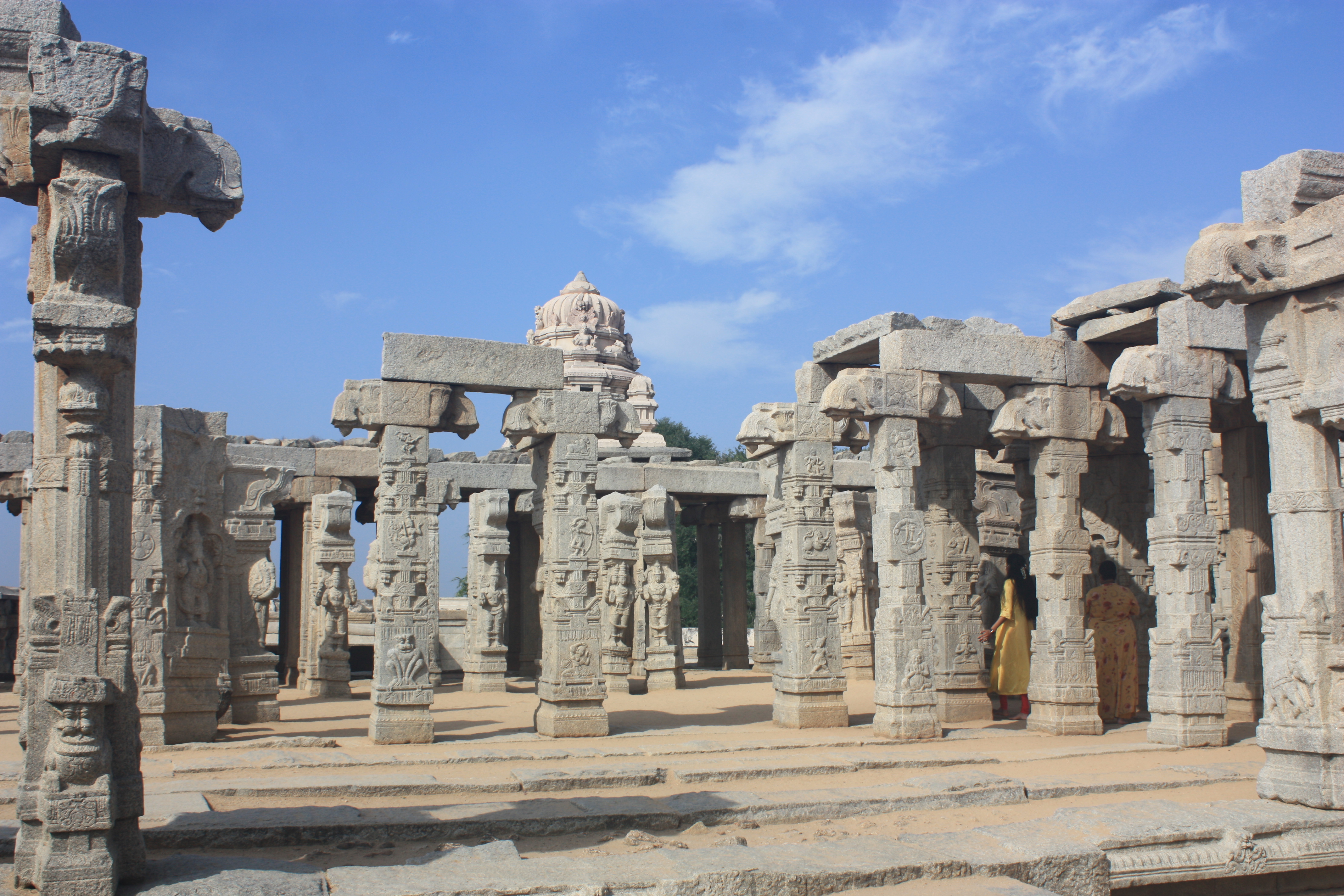
DAILY PHOTO: Nakhon Nayok Ganesha Park

Taken in the Summer of 2014 at Nakhon Nayok’s Ganesha Park

Ganesha [Free Verse]

Ganesha:
Obstacles removed
&
Good luck brought

All yields to the
elephantine forehead
&
elephantine learning

Seemingly immovable
when seated,
but I've seen you swing;
hoisted by a crane
& 
dangled out over the water

But the pendulum arc was 
short 
&
stiff
&
precarious:
as if it might flip the crane --

every remover of obstacles 
must leave a detritus of
past obstacles in its wake

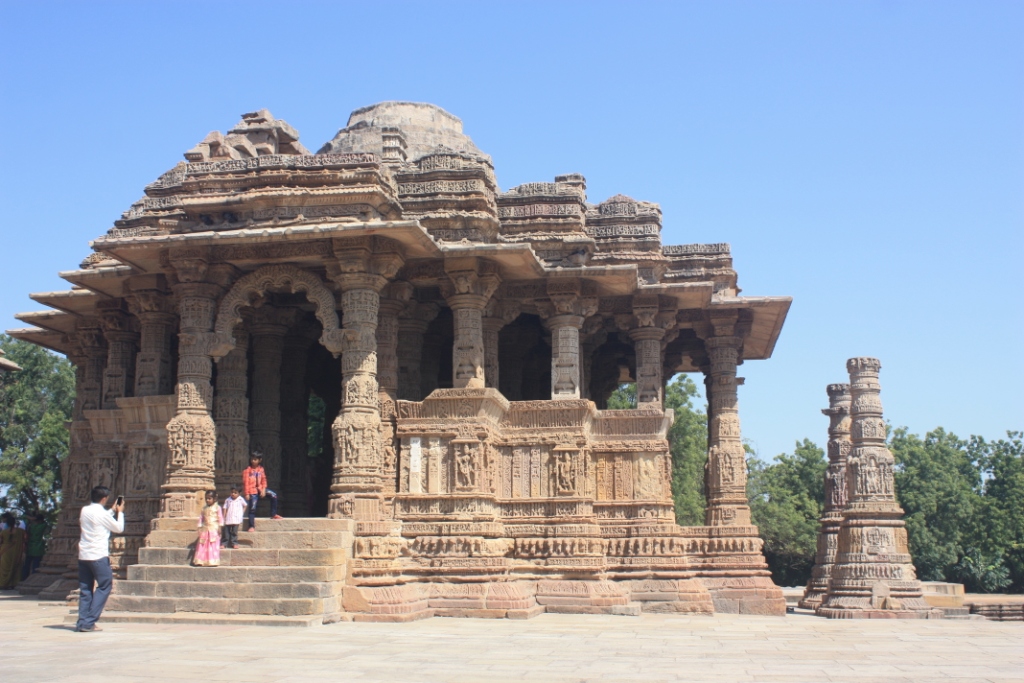
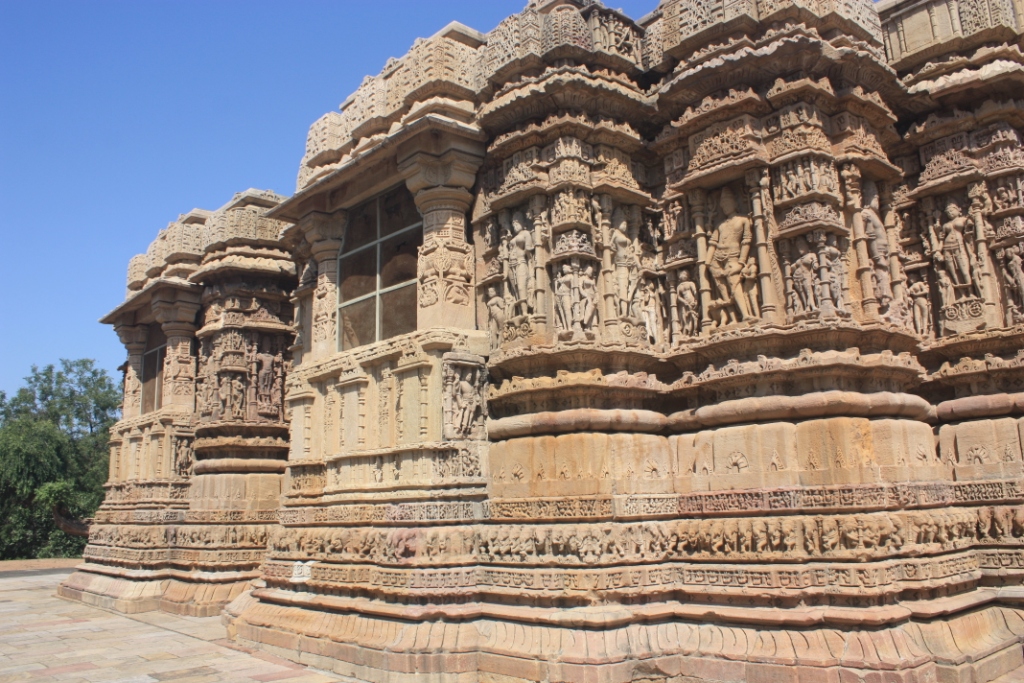
DAILY PHOTO: Modhera Sun Temple

Taken in September of 2017 at Modhera

BOOK REVIEW: The Stories Behind the Poses by Raj Balkaran

The Stories Behind the Poses: The Indian mythology that inspired 50 yoga posturesThe Stories Behind the Poses: The Indian mythology that inspired 50 yoga postures by Raj Balkaran
My rating: 4 of 5 stars

Amazon.in Page

Released: July 26, 2022

Yoga practitioners will be aware that — while some posture names are banal, straightforward descriptions (e.g. Utthita Hasta Padangusthasana, or “standing hand-to-big toe pose –”) many others invoke animals, sages, or deities for historical, mythological, or symbolic reasons. As this book’s title suggests, it presents the mythological backstories for fifty yoga postures. The vast majority of these fifty poses are common ones that will be readily familiar to most Hatha Yoga practitioners, though a few are advanced or obscure and aren’t likely to come up in your run-of-the-mill studio class. (And a couple may be familiar to some individuals by another name.)

The book is cleanly organized with five sections (Shiva poses, Vishnu poses, Devi / goddess poses, God story poses, and sage poses) each containing writeups for ten poses. Each pose is presented via colorful artwork in the Indian style (typically with the deity or sage in question performing the posture.)

I found the entries to be well-written and clear (Hindu Mythology can be extremely complicated and some authors get lost in the weeds by including too much minutiae or unnecessary details, but that wasn’t the case here.) The full-page artistic renderings of the poses are also clear and tidy, such that anyone familiar with the pose should readily recognize it.

The one thing I think could have been done better (though probably not without messing up the aforementioned clean organizational scheme) would be to cut some of the redundancy in the stories. In a few instances, the same story appeared in multiple chapters. To the author’s credit, these weren’t just copy / pasted, they were written uniquely, sometimes with additional information or a different focus. Still, it was a bit distracting to find myself in the middle of the same story and wondering whether I’d zoned out or lost my place. This might have been dealt with by putting multiple poses with one story and not repeating the tale one or more times. For example, the stories about Vasisthasana and Visvametrasana are inherently coupled, and the poses might be as well. (Perhaps even referencing the fact that the story had already been told might have been helpful and less distracting.)

All-in-all, I thought this book did a fine job of presenting the myths and relating them to the postures. I learned a great deal from reading the book and would recommend it for yoga practitioners and those interested in Hindu Mythology.


View all my reviews

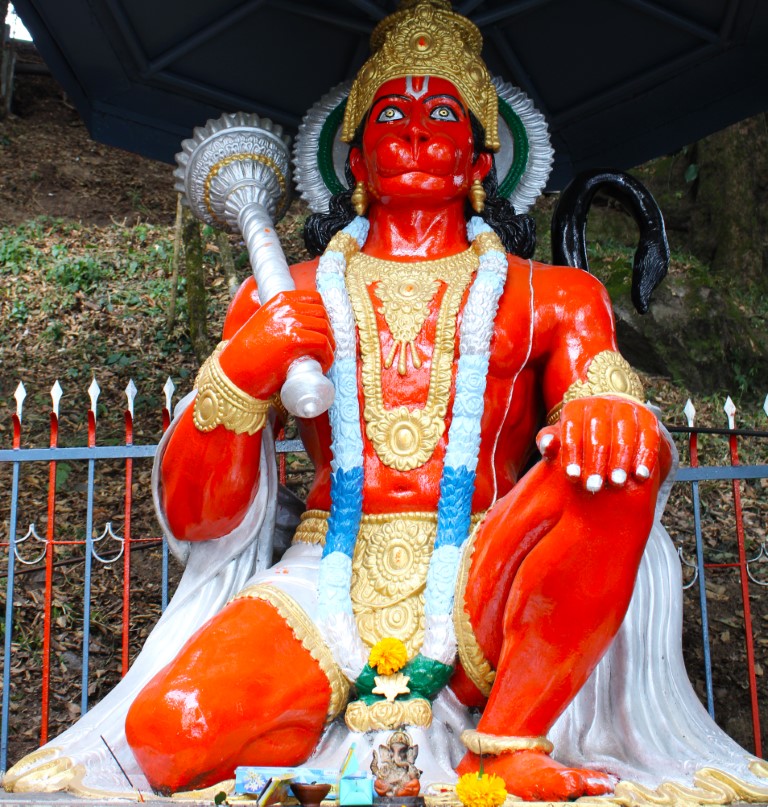
Hands of Hanuman [Haiku]

Hanuman stands:
one club hand & one hand of
pacification

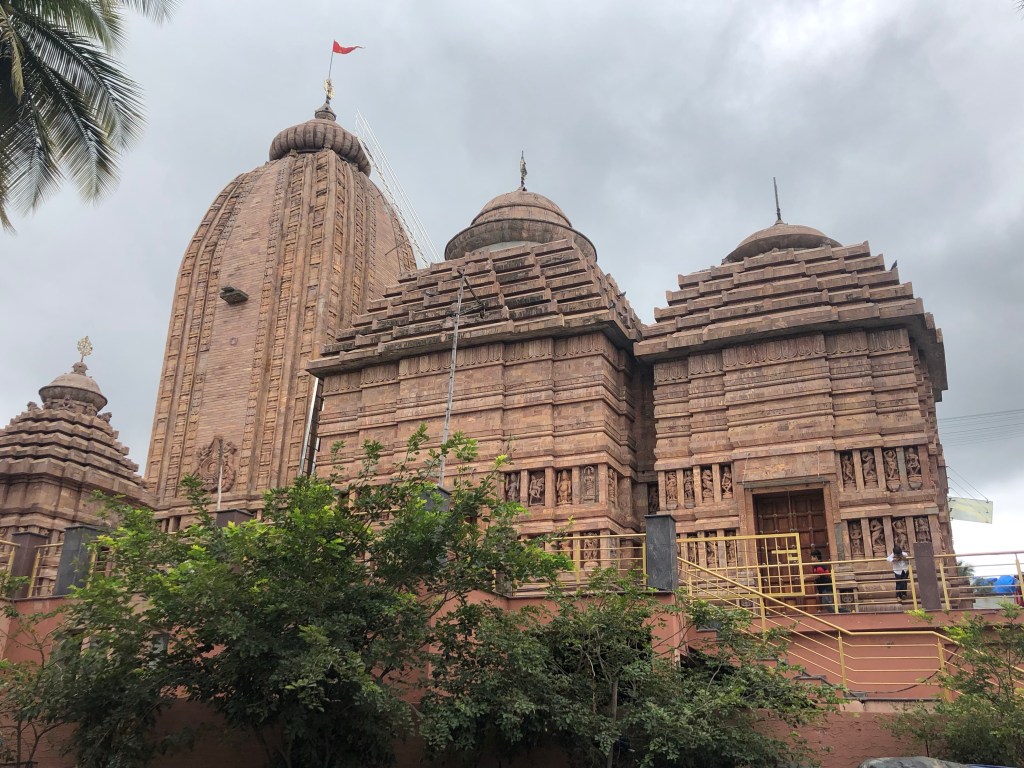
DAILY PHOTO: Jagannath Temple, Bangalore

Taken on July 16, 2022 in Bangalore

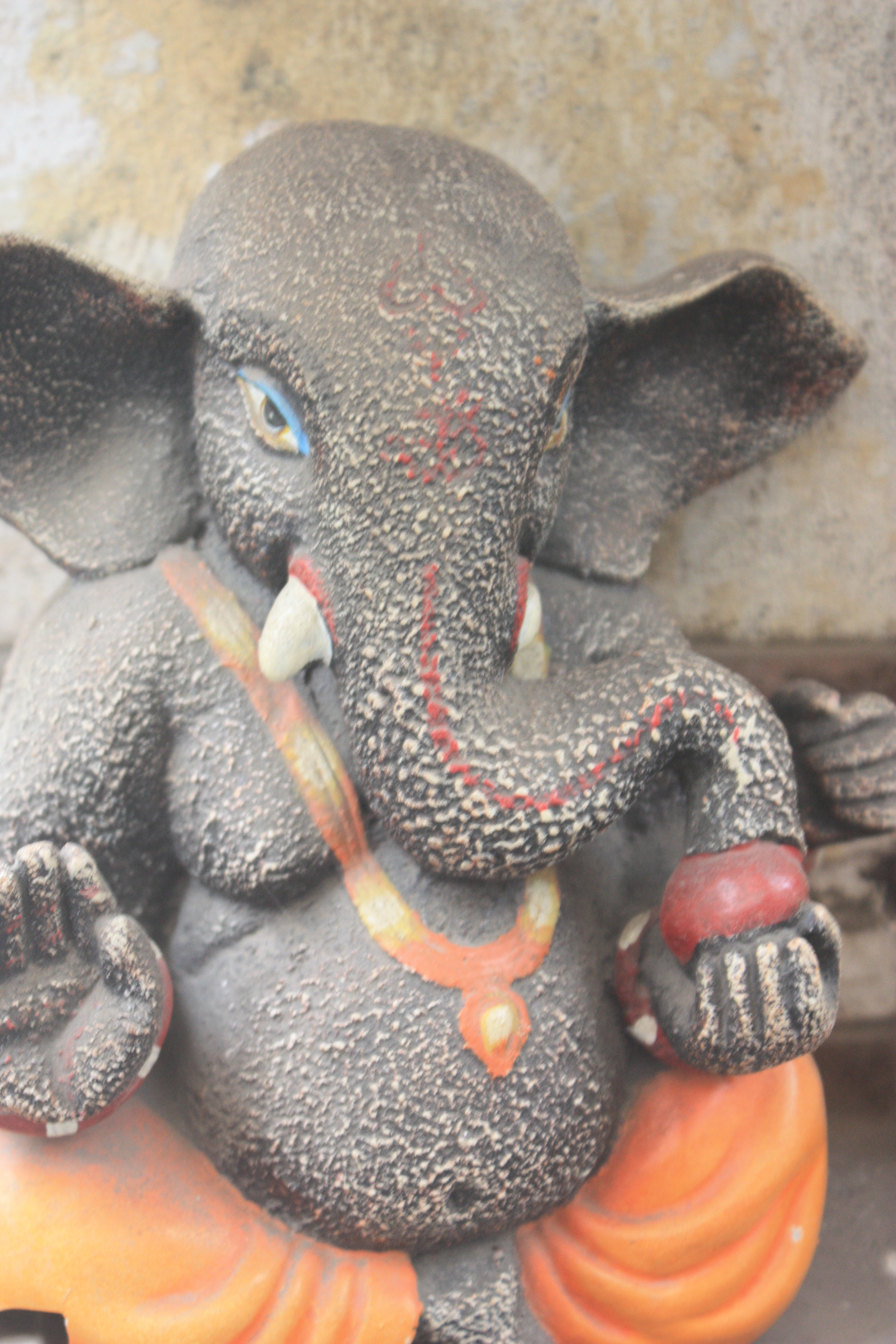
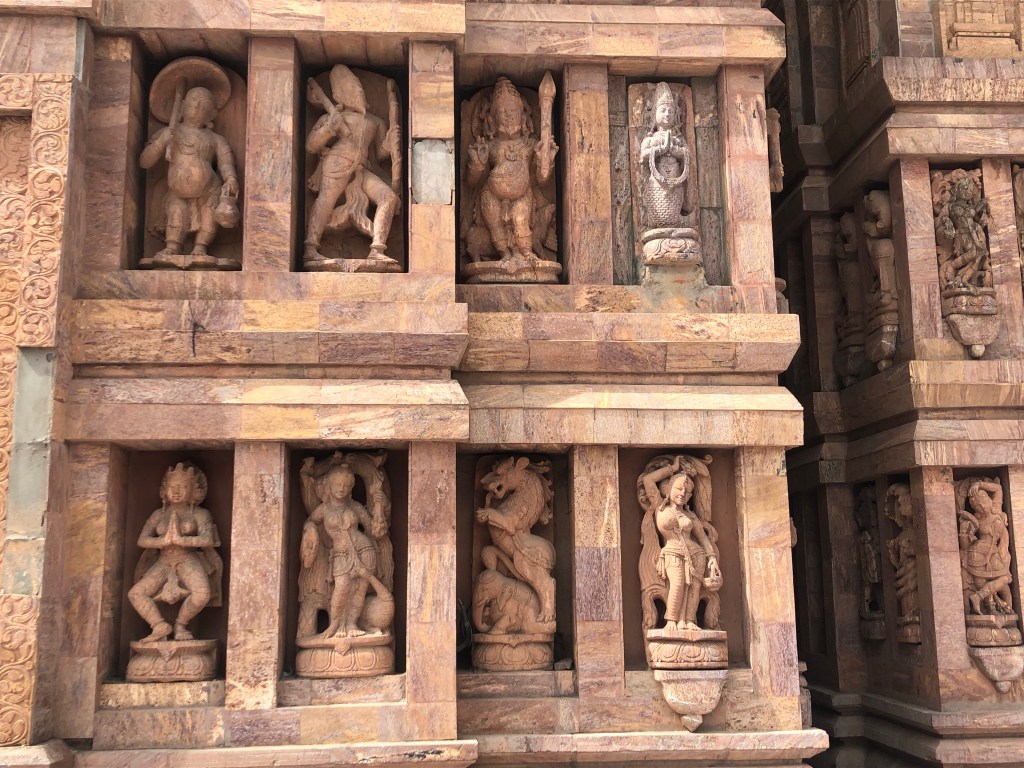
DAILY PHOTO: Ganesha

Taken in Bangalore in 2019

DAILY PHOTO: Hanumans Around India

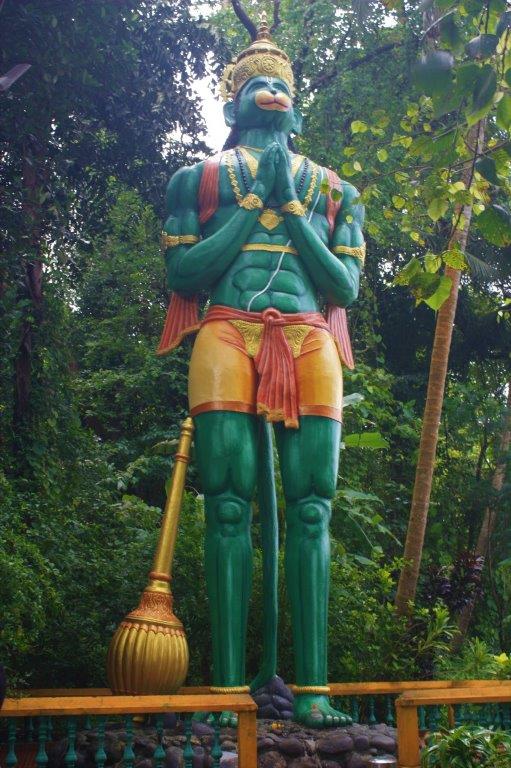
Darjeeling’s Shrubbery Nightingale Park, December of 2021
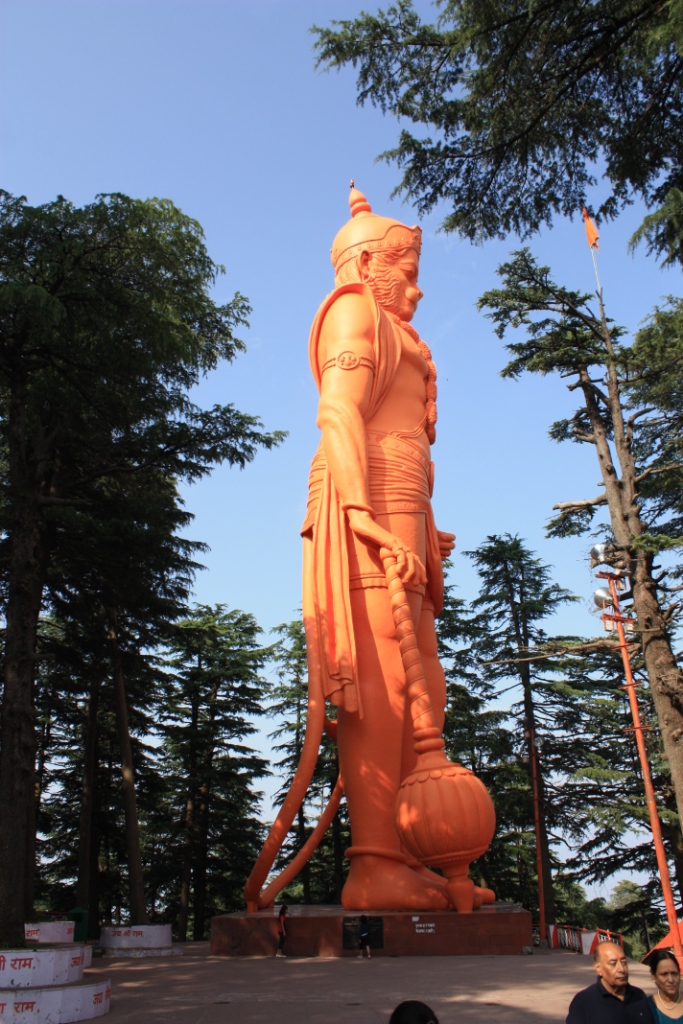
Shimla; June 2015
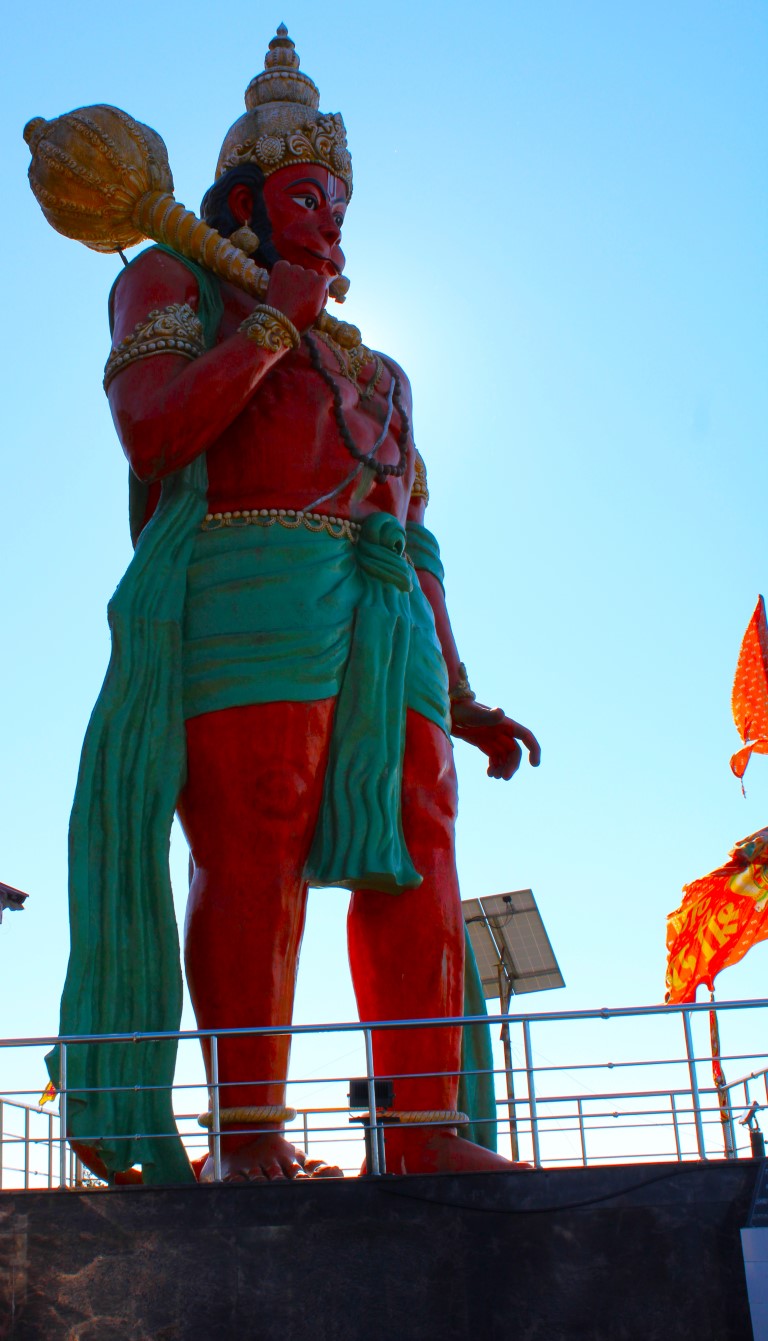
Mangalore; July 2021
Kurseong; December 2021

BOOK REVIEW: Sadhus by Patrick Levy

Sadhus: Going Beyond the DreadlocksSadhus: Going Beyond the Dreadlocks by Patrick Levy
My rating: 5 of 5 stars

Amazon.in Page

I got to the last couple chapters before I realized that this was a novel, and not a work of immersion journalism. I don’t mean to suggest that it wasn’t as compelling as I’d wish a work of fiction to be. On the contrary, it’s a fascinating look into a group of people (Sadhus / renunciants) who are little understood because they exist on the edges of society and can appear strange – if not a little scary – in their countercultural existence. The book reads like an authentic account of the Sadhu experience of a Frenchman who gives up his money and all but a few meager possessions to become a wandering ascetic under the tutelage a philosophically compatible Baba. (Until the fever dream ending instills a bit of surrealism and fourth-wall breaking.) The fact that the lead is demographically and a philosophically like the author, heightens the tendency to believe it’s nonfiction. [It’s quite possibly fictionalized autobiography to some degree, but I couldn’t say to what extent.]

Besides telling a story centered on a wandering Western ascetic in Northern India, the book does double duty in reflecting upon Hindu-Yogic-Tantric philosophy, particularly with respect to metaphysics. The lead character is neither religious nor a believer in the supernatural. Rather, he is (like many of us) in search of an almost defunct variety of a philosophy, the kind practiced by Socrates and some historic and present-day Buddhists, a variety that’s open to questioning and challenging all beliefs and assumptions as the means to better understand one’s world, a variety that recognizes the ubiquity of ignorance with respect to key questions of metaphysics. The story includes a number of Socratic method style conversations, as well as quotes from texts such as the “Avadhuta Gita” and “Ashtavakra Gita.”

I found this story to be compelling and informative, shining a light on a rarely-seen side of India.

View all my reviews

BOOK REVIEW: Ashtavakra Gita Trans. by Bart Marshall

Ashtavakra Gita: (bootleg version)Ashtavakra Gita: by Bart Marshall
My rating: 4 of 5 stars

Amazon.in Page

There are many translations of this Hindu classic of Advaita Vedanda, a non-dualist school that teaches the oneness of all things and the illusory nature of the universe that we think we know. “The Song of Ashtavakra” explores self-realization and the path to liberation (i.e. Moksha.) [Ashtavakra was a sage with birth defects from which the name “8 angles” derives. Yoga practitioners will know the name from an arm balance pose that involves balancing the kinked body on bent arms in a manner that was apparently reminiscent of the look of this sage’s body.]

The translation that I read, one by Bart Marshall, is clearly written in readily understandable language. It’s presented as a series of short-form poems arranged into twenty chapters that also form a dialogue between Ashtavakra and Janaka. This version doesn’t contain commentary and analysis as some translations do. Because it’s both highly readable and inexpensively acquired, I’d recommend one give it a chance. If you later decide you’d benefit from commentary, you’ll not be at a loss by having read this version first.

As is common enough in such tracts, the book can be repetitive as it reiterates ideas like the need to avoid desire and aversion and the nature of oneness. That said, there were some quite powerful statements that genuinely expanded on the ideas of the work. (e.g. 18.100: “One of tranquil mind // seeks neither crowds nor wilderness. // He is the same wherever he goes.” Or 3.12 “Why should a person of steady mind, who sees the nothingness of objects, prefer one thing over another?”)

If you’re a student of philosophy or of yoga as a philosophy, I think this is well worth a thoughtful read.


View all my reviews