BOOK REVIEW: Ashtavakra Gita Trans. by Bart Marshall

Ashtavakra Gita: (bootleg version)Ashtavakra Gita: by Bart Marshall
My rating: 4 of 5 stars

Amazon.in Page

There are many translations of this Hindu classic of Advaita Vedanda, a non-dualist school that teaches the oneness of all things and the illusory nature of the universe that we think we know. “The Song of Ashtavakra” explores self-realization and the path to liberation (i.e. Moksha.) [Ashtavakra was a sage with birth defects from which the name “8 angles” derives. Yoga practitioners will know the name from an arm balance pose that involves balancing the kinked body on bent arms in a manner that was apparently reminiscent of the look of this sage’s body.]

The translation that I read, one by Bart Marshall, is clearly written in readily understandable language. It’s presented as a series of short-form poems arranged into twenty chapters that also form a dialogue between Ashtavakra and Janaka. This version doesn’t contain commentary and analysis as some translations do. Because it’s both highly readable and inexpensively acquired, I’d recommend one give it a chance. If you later decide you’d benefit from commentary, you’ll not be at a loss by having read this version first.

As is common enough in such tracts, the book can be repetitive as it reiterates ideas like the need to avoid desire and aversion and the nature of oneness. That said, there were some quite powerful statements that genuinely expanded on the ideas of the work. (e.g. 18.100: “One of tranquil mind // seeks neither crowds nor wilderness. // He is the same wherever he goes.” Or 3.12 “Why should a person of steady mind, who sees the nothingness of objects, prefer one thing over another?”)

If you’re a student of philosophy or of yoga as a philosophy, I think this is well worth a thoughtful read.


View all my reviews

BOOK REVIEW: Jagannatha of Puri by Gayatri M. Dutt

Jagannatha of puriJagannatha of puri by Gayatri Madan Dutt
My rating: 4 of 5 stars

Amazon.in Page

I recently visited Puri, and – seeing the little, big-eyed Jagannath idols and images all across Odisha – I was curious to learn about the mythology behind the Puri temple and its tripartite deity. This 30+ page comic may not be the most scholarly or detailed account, but it may be the quickest way to get the gist of the story. And the comic does present an intriguing morality tale that includes lessons of patience and unselfishness.

The story begins with a king who is obsessed with finding a fabled cave-shrine that he was directed to in a dream. The king sends his best men out in search of the cave as its whereabouts are unknown. In time, one of the men stumbles upon a village whose chieftain is said to regularly make secretive visits to the cave and its idol. And from there, the race is on to get the king to the cave. But the deity is elusive, and insists that its followers work together harmoniously.

It’s a clear and well-developed story. It blends intriguing trippy elements like time-travel and messages in dreams with traditional religious mythology.

If you’re looking for a brief explanation of the Puri temple and the Jagannaths, it’s worth giving this short comic a look.


View all my reviews
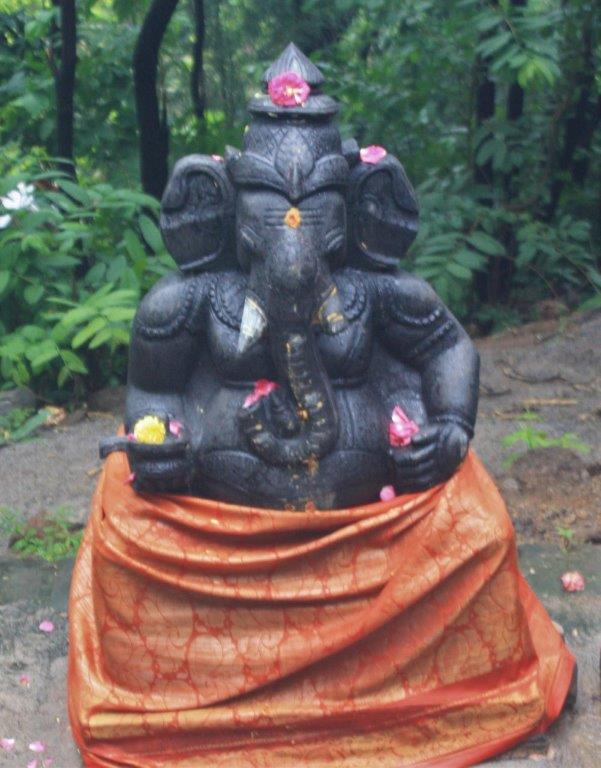
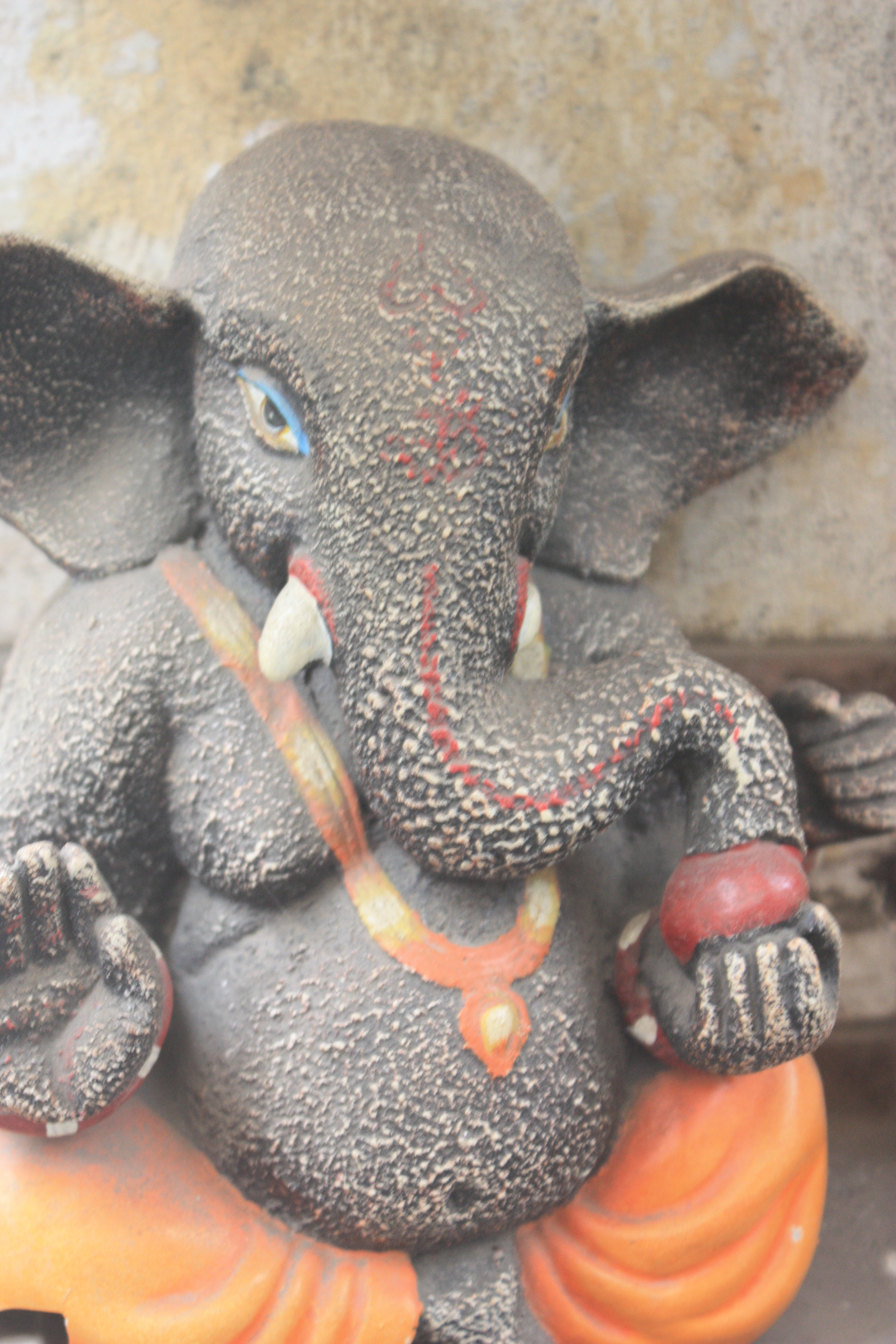
DAILY PHOTO: Ganesh in the Woods, Vellore

Taken in September of 2021 in Vellore

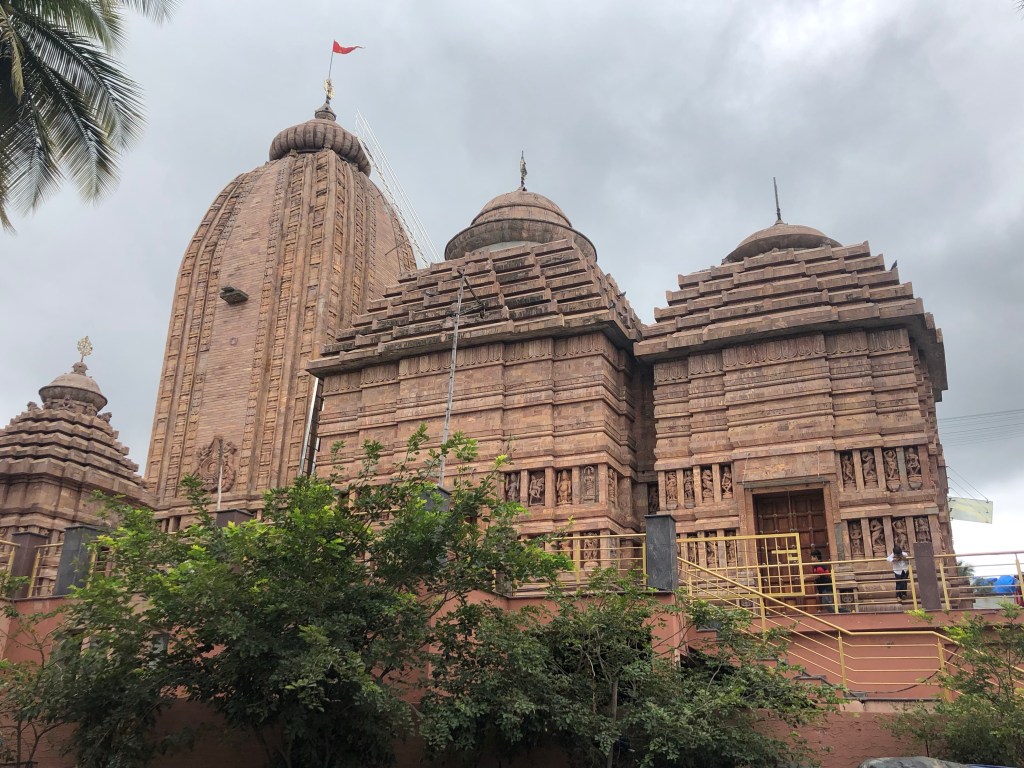
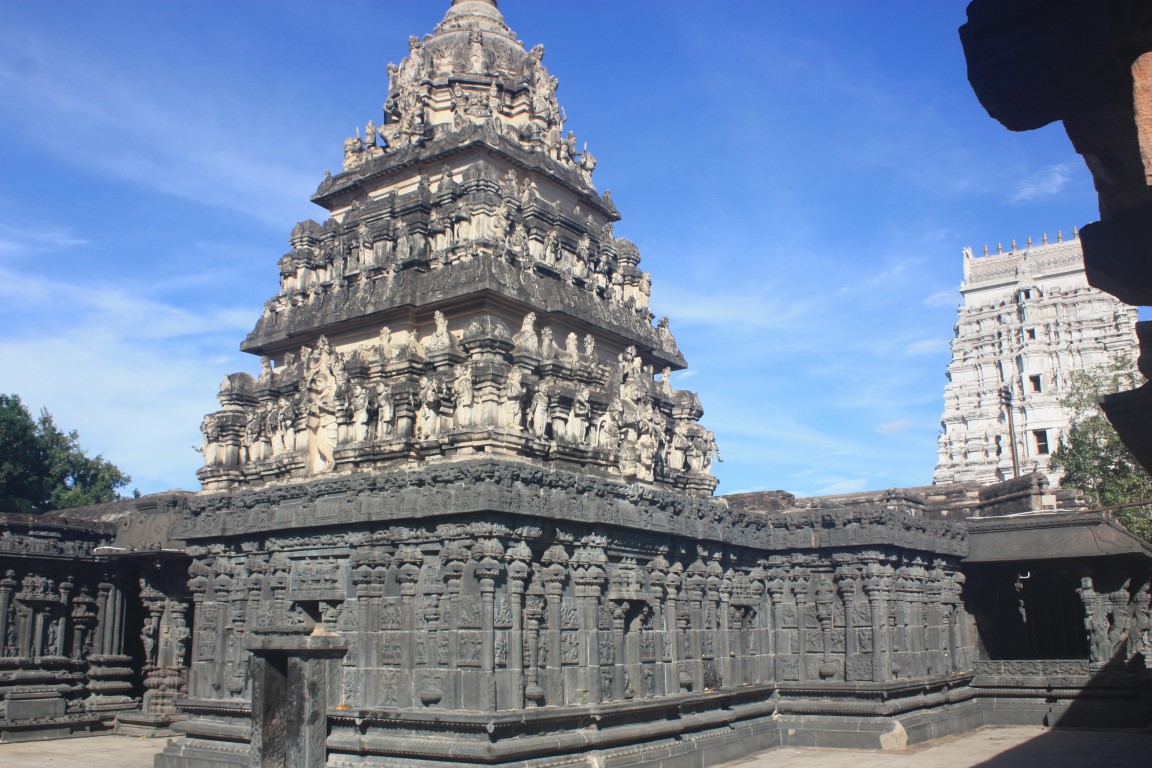
DAILY PHOTO: A Temple in Tadipatri

Taken in November of 2021 in Tadipatri, Andhra Pradesh

DAILY PHOTO: Mukteshwara Temple, Bhubaneswar

Taken in Bhubaneswar in December of 2021

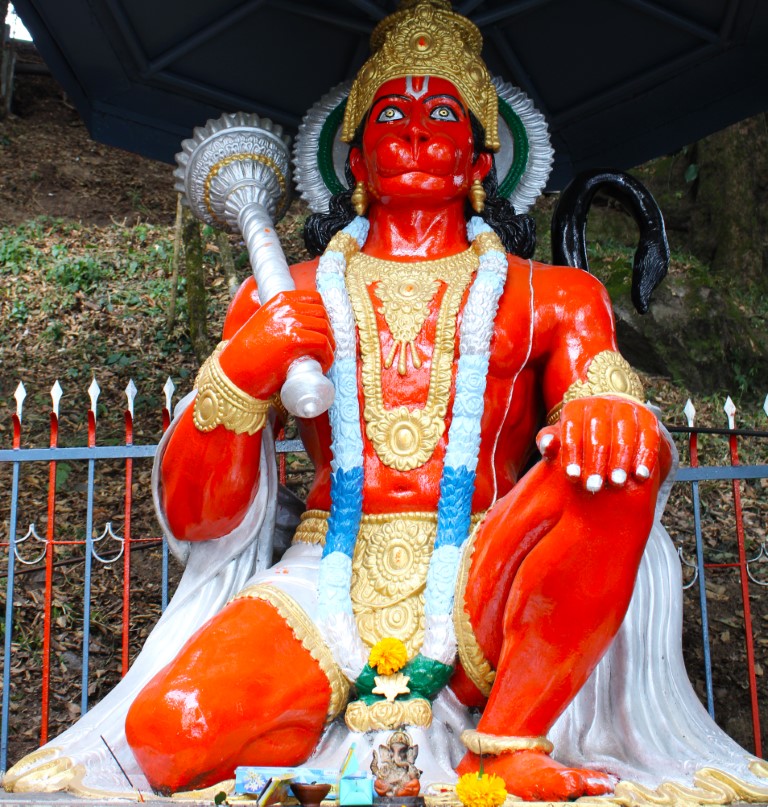
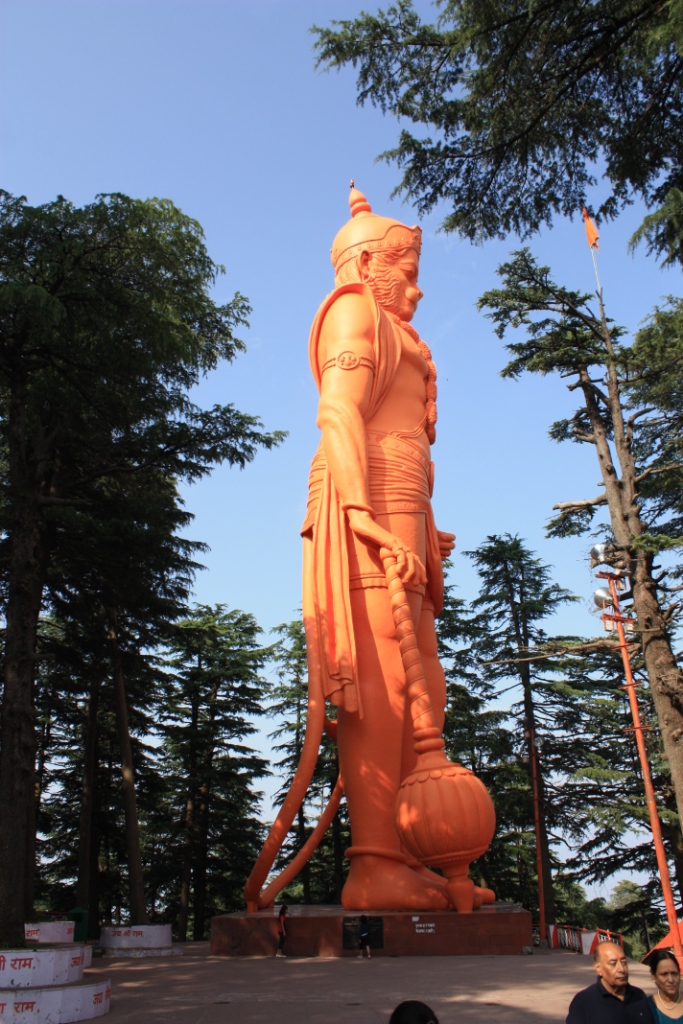
DAILY PHOTO: Hilltop Hanuman of Kurseong

Taken in January of 2022 in Kurseong

DAILY PHOTO: Jagganath Street Art, Puri

Taken in Puri in December of 2021

DAILY PHOTO: Konark Sun Temple as It Was and Is

Taken in December of 2021 in the Archeological Museum of Konark
Konark Surya Mandir [Note: the tower and three sub-temples collapsed.]

BOOK REVIEW: Why I Am a Hindu by Shashi Tharoor

Why I am a HinduWhy I am a Hindu by Shashi Tharoor
My rating: 4 of 5 stars

Amazon.in Page

There are two core premises in this book. First, Hinduism is non-dogmatic and can be almost whatever a given believer needs it to be, and, therefore, the objectionable elements associated with it [e.g. casteism] aren’t the religion’s fault. Second, Hindu nationalism represents a break from Hinduism’s historical proclivity for acceptance, which (circling back to the first point) results from the fact that believers aren’t forced to accept particular beliefs, thus making it easier to accept that believers from other sects have different perspectives.

Overall, the book’s first part does a fine job of showing how Hinduism has historically been accepting, non-dogmatic, and pluralistic; and the second part neatly describes the many ways in which the Hindu nationalist movement has abandoned those same values – ironically moving away from Hinduism’s open and agreeable nature to adopt the parochial and fanatical ways that they’ve decried in others.

As common among those wishing to glorify religions as faultless, Tharoor does some whitewashing. He argues that casteism (as with other faults) isn’t the religion’s problem, but society’s. However, Tharoor doesn’t make a convincing argument that the caste system could stick devoid of religion’s authority, or even that there’s a clear distinction being made.

When I reviewed Kancha Ilaiah Shepherd’s Why I’m Not a Hindu, I mentioned that I was reading these two diametrically titled books to get a clearer picture of the religion. What I found was that they’re both anti-Hindu nationalist works, though coming from very different perspectives. I did learn a great deal from reading each of the books, though they largely talk past each other as opposed to offering the head-to-head one would expect, given the opposing titles.

I would definitely recommend reading this book, with the proviso that one be cautious for instances of embellishing or glossing over, which – it seemed to me – did take place.


View all my reviews

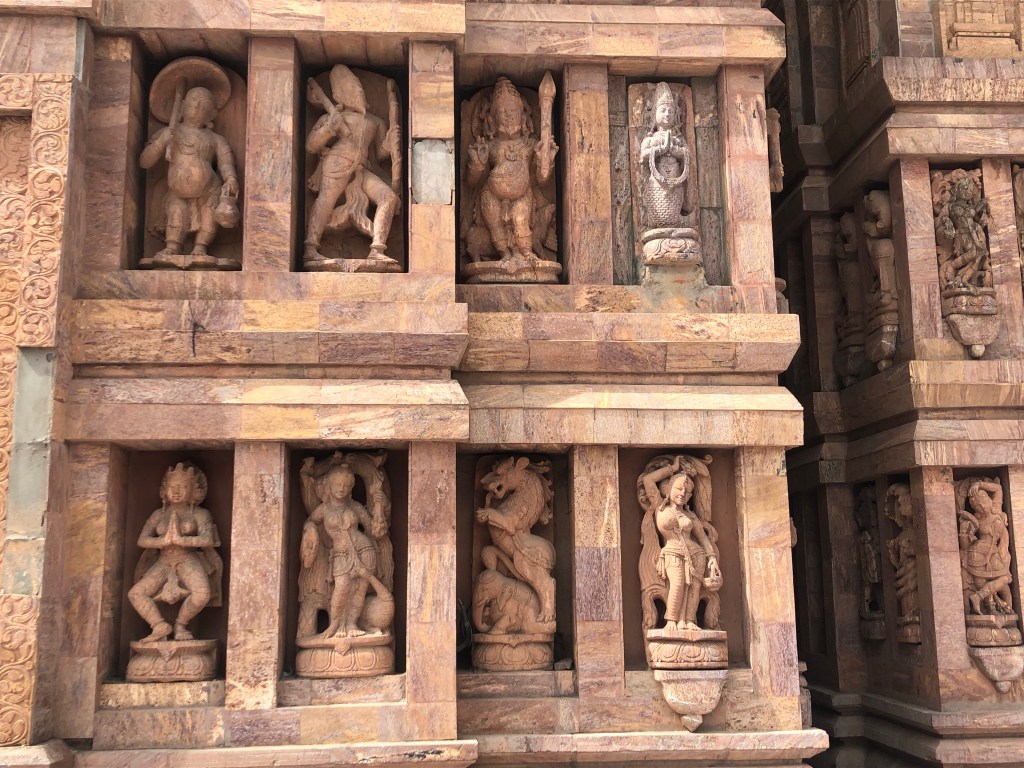
DAILY PHOTO: Shivamogga Temple Figures

Taken in August of 2021 at Shivamogga