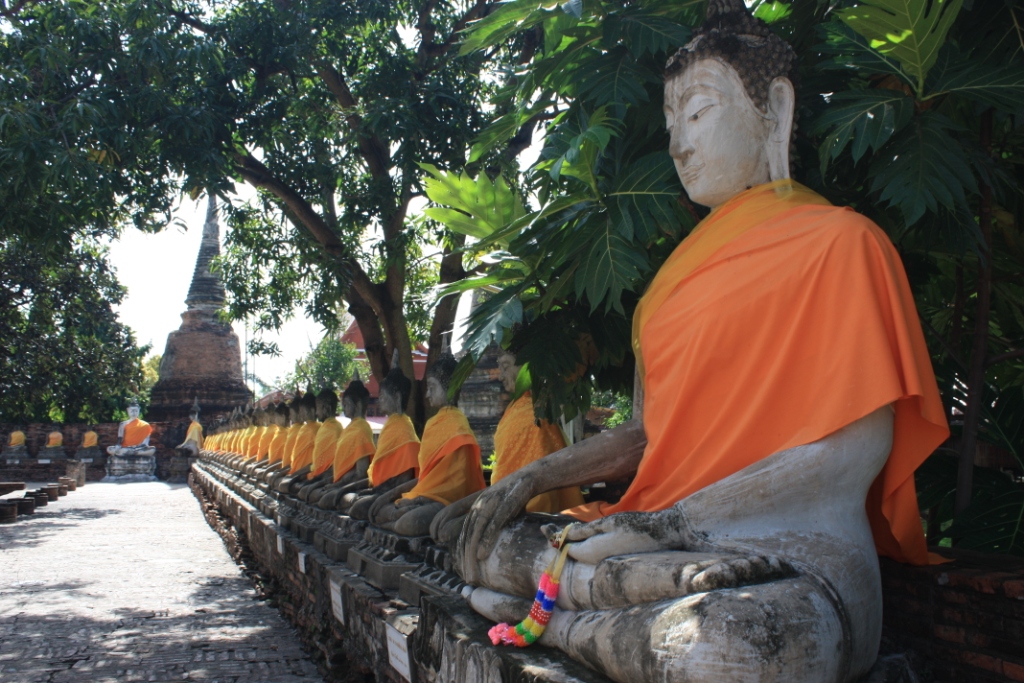
echoed Buddhas,
each as still as the last,
focus on nothing

echoed Buddhas, each as still as the last, focus on nothing

monks of the temple
that stands beside the river
receive flow teachings
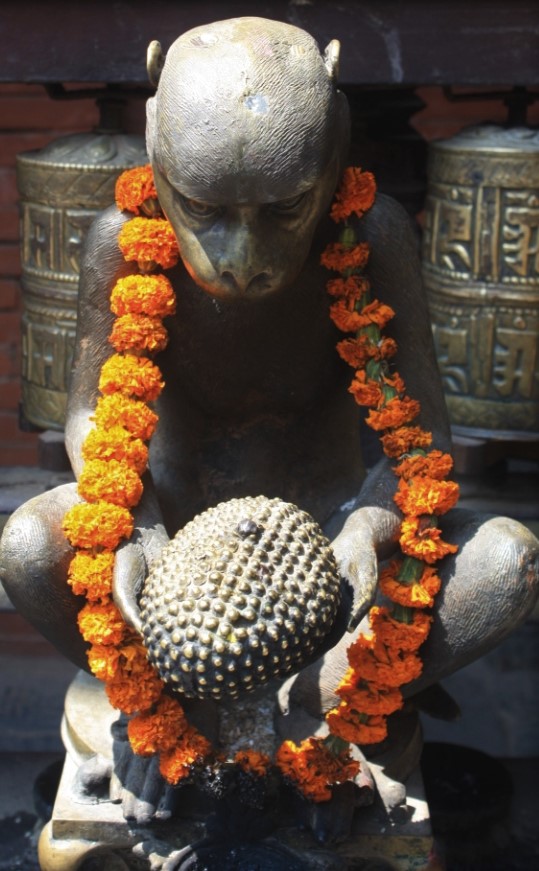
in the temple,
a monkey finds nirvana
through jackfruit focus
 Cold Mountain Poems by Gary Snyder
the prayer wheels
have all gone still, but for
the last squeaking one
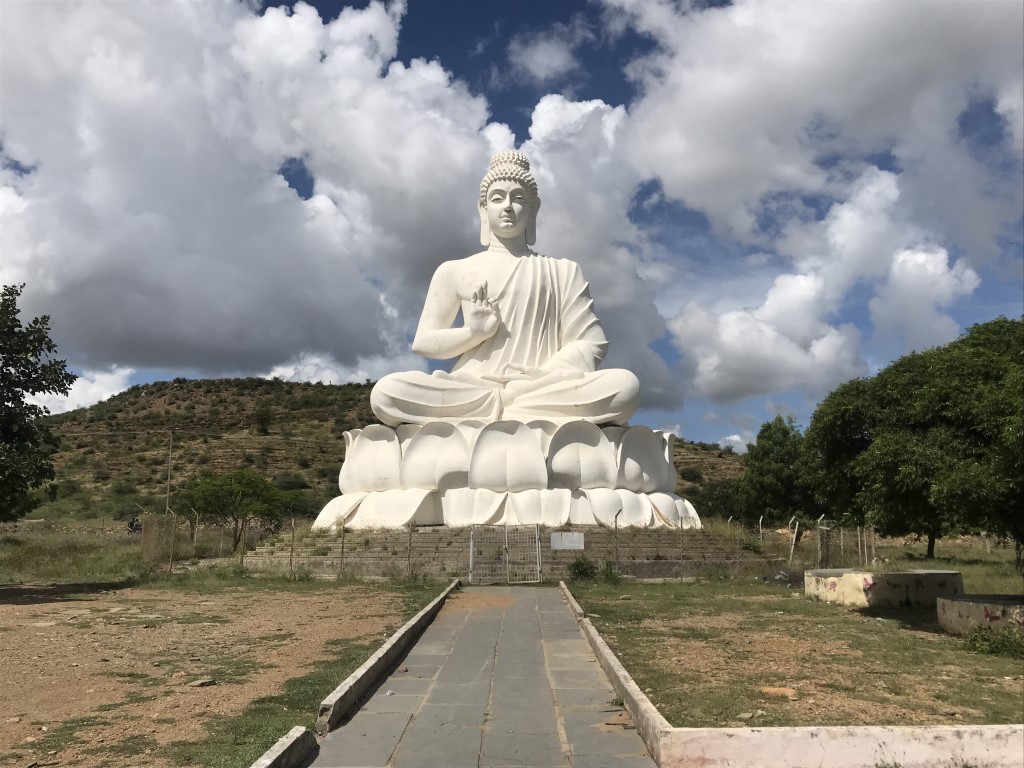
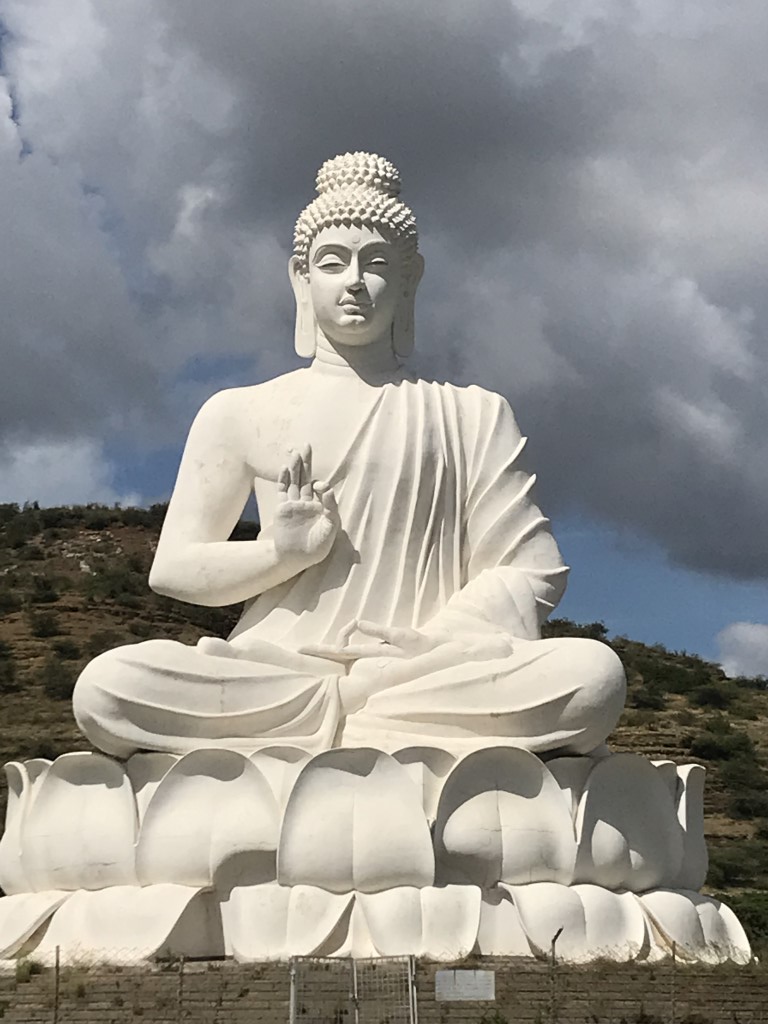
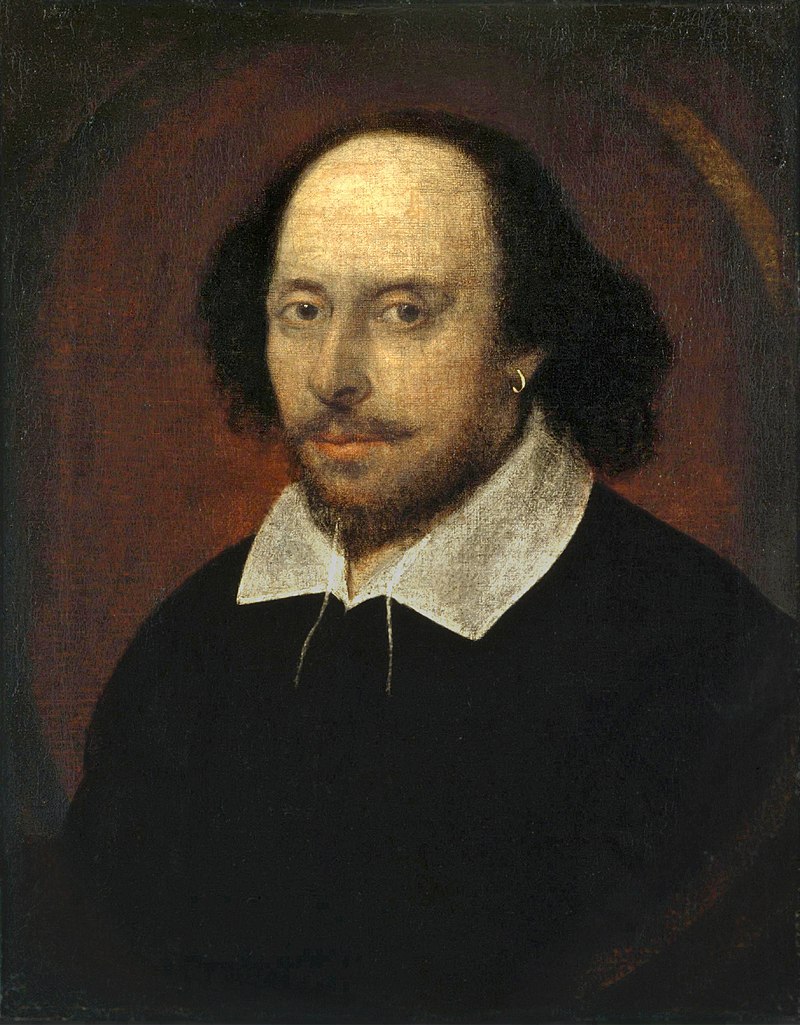
If you’re looking to attain Enlightenment, you may have turned to someone like the Buddha or Epictetus for inspiration. But I’m here to tell you, if you can put these four pieces of Shakespearean wisdom into practice, you’ll have all you need to uplift your mind.
There is nothing either good or bad, but thinking makes it so.
william Shakespeare, Hamlet
Through Yoga, practitioners learn to cultivate their inner “dispassionate witness.” In our daily lives, we’re constantly attaching value judgements and labels to everything with which we come into contact (not to mention the things that we merely imagine.) As a result, we tend to see the world not as it is, but in an illusory form.
The fault, dear Brutus, is not in our stars, but in ourselves.
William shakespeare, julius caesar
In Psychology class, you may remember learning about the self-serving bias, a warped way of seeing the world in which one attributes difficulties and failures to external factors, while attributing successes and other positive outcomes to one’s own winning characteristics. Like Brutus, we need to learn to stop thinking of our experience of life as the sum of external events foisted upon us, and to realize that our experience is rooted in our minds and how we perceive and react to events.
The fool doth think he is wise, but the wise man knows himself to be a fool.
william shakespeare, as you like it
A quote from Hamlet also conveys the idea, “There are more things in heaven and earth, Horatio, than are dreamt of in your philosophy.” If you grasp this idea, you may become both humbler and more readily capable of discarding bad ideas in favor of good. It’s common to want to think of yourself as a master, but this leads only to arrogance and to being overly attached to ineffective ideas. Be like Socrates.
Cowards die many times before their deaths; The valiant never taste of death but once.
william shakespeare, julius caesar
Fears and anxieties lead people into lopsided calculations in which a risky decision is rated all downside. Those who see the world this way may end up living a milquetoast existence that’s loaded with regrets. No one is saying one should ignore all risks and always throw caution to the wind, but our emotions make better servants than masters. One needs to realize that giving into one’s anxieties has a cost, and that that cost should be weighed against what one will get out of an experience.
There it is: Enlightenment in four bits of Shakespearean wisdom.