Let me not to the marriage of true minds
 Admit impediments; love is not love
 Which alters when it alteration finds,
 Or bends with the remover to remove.
O no, it is an ever-fixed mark
 That looks on tempests and is never shaken;
 It is the star to every wand'ring bark
 Whose worth's unknown, although his height be taken.
Love's not time's fool, though rosy lips and cheeks
 Within his bending sickle's compass come.
 Love alters not with his brief hours and weeks,
 But bears it out even to the edge of doom:
  If this be error and upon me proved,
  I never writ, nor no man ever loved.
Seventeen years ago you said
 Something that sounded like Good-bye;
 And everybody thinks that you are dead,
   But I.

So I, as I grow stiff and cold
 To this and that say Good-bye too;
 And everybody sees that I am old
   But you.

And one fine morning in a sunny lane
 Some boy and girl will meet and kiss and swear
 That nobody can love their way again
    While over there
 You will have smiled, I shall have tossed your hair.
A touch of cold in the Autumn night --
   I walked abroad,
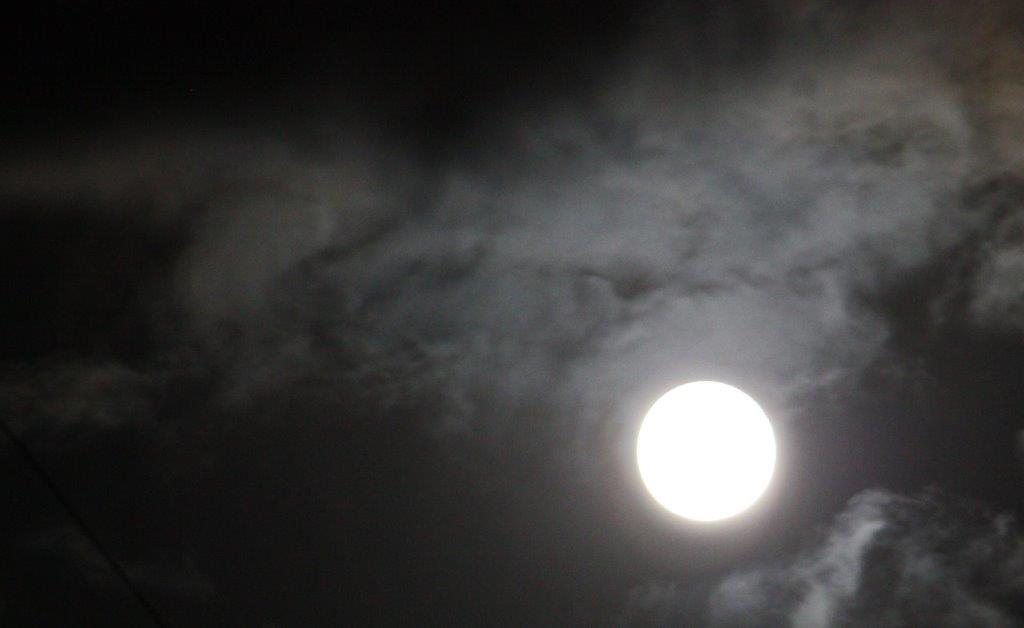
 And saw the ruddy moon lean over a hedge
   Like a red-faced farmer.
 I did not stop to speak, but nodded,
 And round about were the wistful stars
 With white faces like town children.
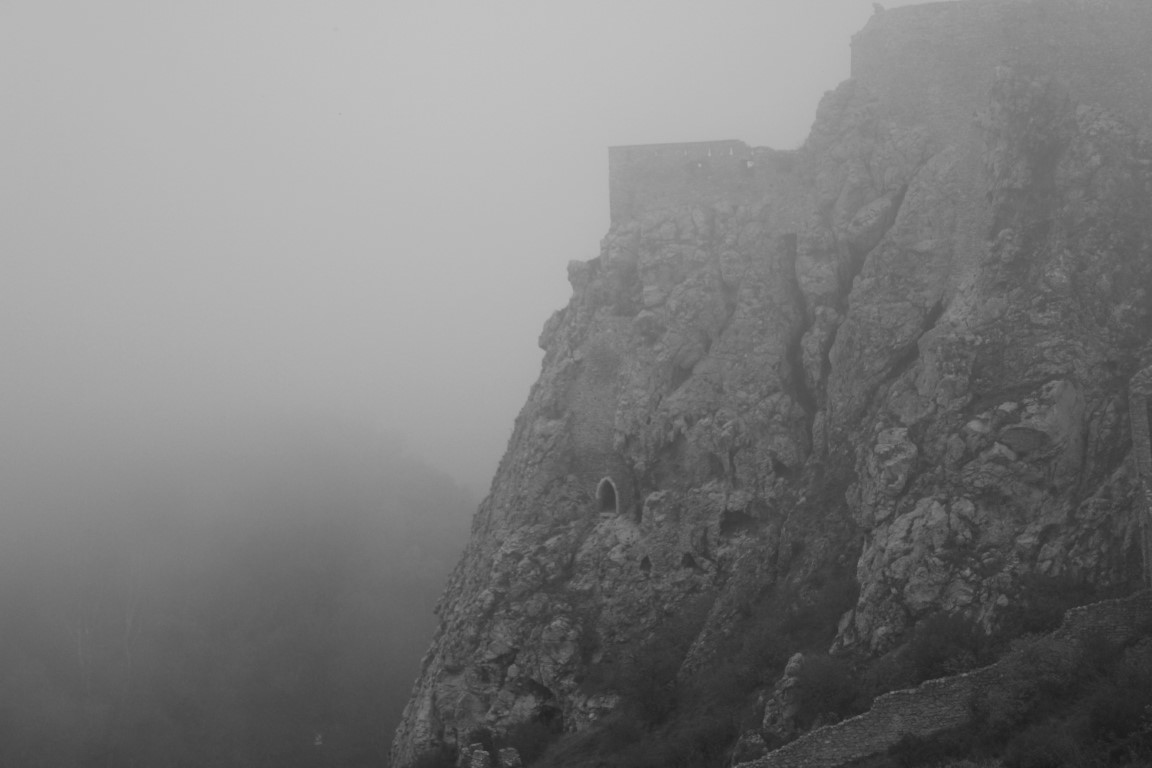
The tower has vanished in the fog;
 The boat is hidden in moon-shadow;
  The perfect peach field cannot be found.
 I'm shut in by the cold rain of Spring.
 I hear the cuckoo's call at sunset.

Apricot blossoms sent by my friends
 In letters received through the post
  Cause an assault by countless memories.
 A lonely river rounds the mountain,
 But why should it flow toward my lost world?
My mistress' eyes are nothing like the sun;
 Coral is far more red than her lips' red;
 If snow be white, why then her breasts are dun;
 If hairs be wires, black wires grow on her head.
I have seen roses damasked, red and white,
 But no such roses see I in her cheeks;
 And in some perfumes there is more delight
 Than in the breath that from my mistress reeks.
I love to hear her speak, yet well I know
 That music hath a far more pleasing sound;
 I grant I never saw a goddess go;
 My mistress, when she walks, treads on the ground.
   And yet, by heaven, I think my love as rare
   As any she belied with false compare.
The building blocks of everything --
   Too fine to feel or see or smell --
 Dance their way into hardened shapes
   Via forces, invisible.
 And so water flows, flowers bud,
   But - also - dew evaporates.
 This expansive path stretches on --
   It's slow-going through dark lands.
 It can't be spoken of smartly.
 It can't be pondered fruitfully.
 It's Early Spring green in sunlight,
   Or like the snow seen by moonlight.
NOTE: The late Tang Dynasty poet, Sikong Tu (a.k.a. Ssŭ-k‘ung T‘u,) wrote an ars poetica entitled Twenty-Four Styles of Poetry. It presents twenty-four poems that are each in a different tone, reflecting varied concepts from Taoist philosophy and aesthetics. Above is a translation of the fourteenth of the twenty-four poems. Translated titles vary: Giles calls it “Close Woven” and others have titled it, “Fine.”
This darksome burn, horseback brown,
 His rollback highroad roaring down,
 In coop and in comb the fleece of his foam
 Flutes and low to the lake falls home.

A windpuff-bonnet of fawn-froth
 Turns and twindles over the broth
 Of a pool so pitchblack, fell frowning,
 It rounds and rounds Despair and drowning.

Degged with dew, dappled with dew
 Are the groins of the braes that the brook threads through.
 Wiry heathpacks, flitches of fern,
 And the beadbonny ash that sits over the burn.

What would the world be, once bereft
 Of wet and of wildness? Let them be left,
 O let them be left, wildness and wet;
 Long live the weeds and the wilderness yet.
Beginning my studies, the first step pleas'd me so much,
 The mere fact, consciousness -- these forms -- the power of motion,
 The least insect or animal -- the senses -- eyesight -- love;
 The first step, I say, aw'd me and pleas'd me so much,
 I have hardly gone, and hardly wish'd to go, any further,
 But stop and loiter all the time, to sing it in ecstatic songs.











 Tiger Riding for Beginners