The Great Roundness [Free Verse]

As in Hokusai’s Great Wave,
I watch waves roll over,
before a volcanic cone.

Though these waves are
small & close,
they are perfectly rounded.

And though the distant volcano
looms large over the shore waves,
it has perfect symmetry.

I feel the roundness
&
simultaneous devastating power
of both elements at once.

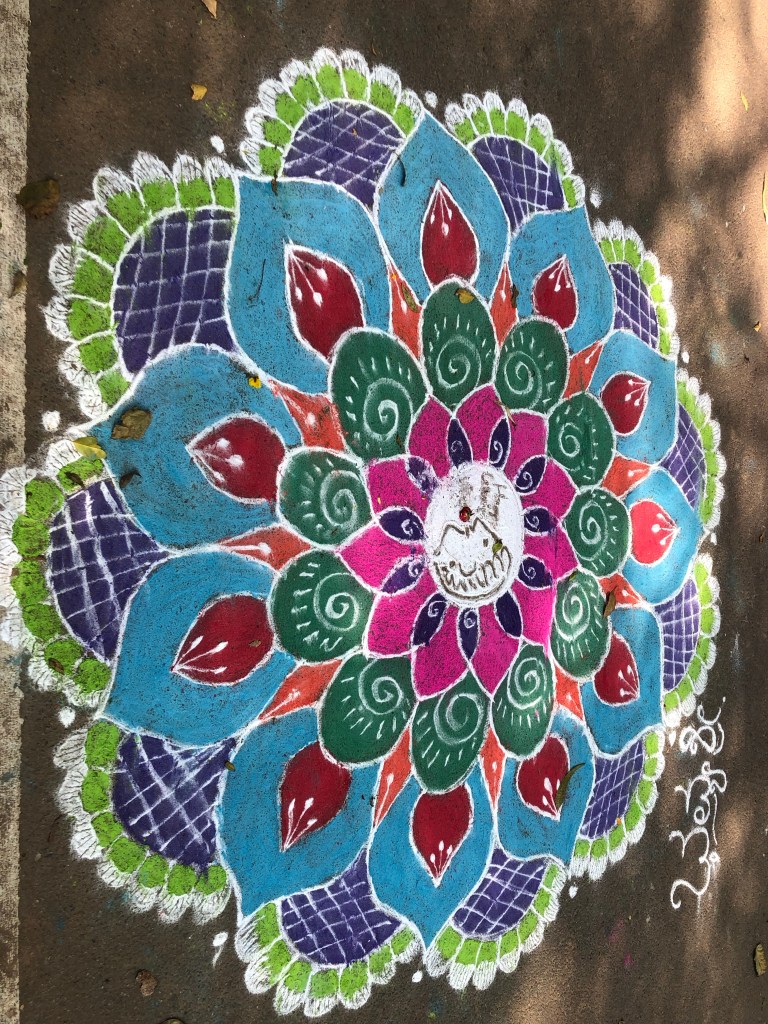
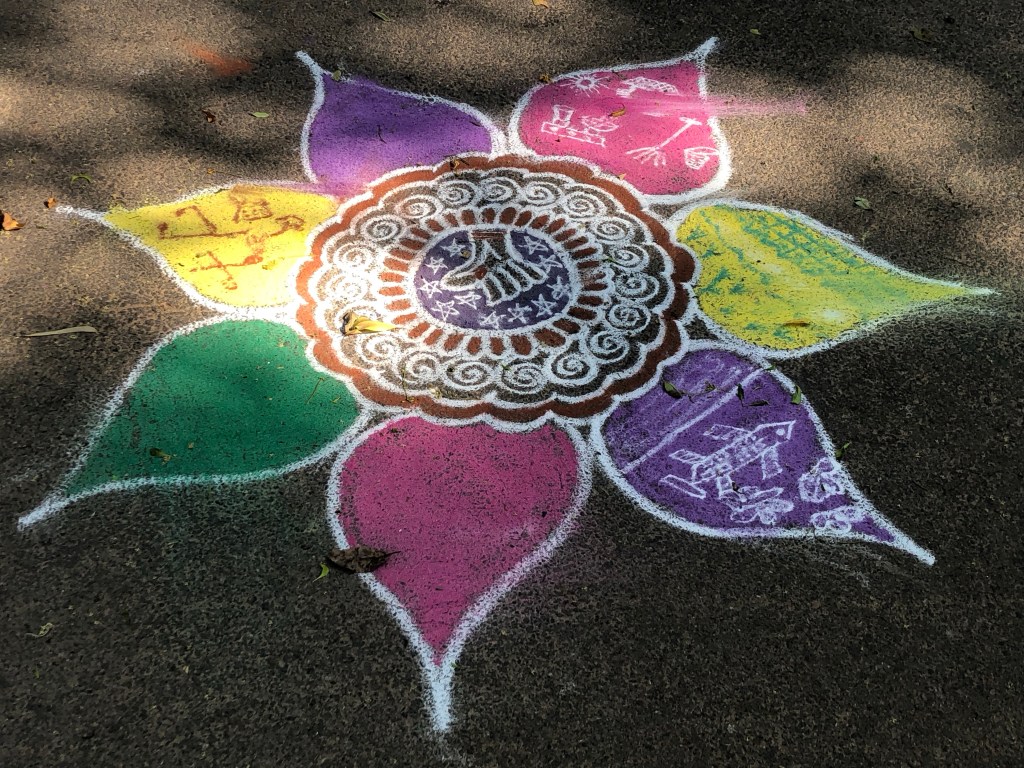
DAILY PHOTO: Balinese Art

Taken on December 18, 2022 at the Denpasar Airport

DAILY PHOTO: Bratislava Sculptures

BOOK REVIEW: Beauty: A Very Short Introduction by Roger Scruton

Beauty: A Very Short IntroductionBeauty: A Very Short Introduction by Roger Scruton
My rating: 5 of 5 stars

Amazon.in Page

This isn’t so much a book about what beauty is as where we find it, and in what kind of traits we find it, including the question of whether all that is aesthetically pleasing is beauty (or is beauty one element among multiple sources of aesthetic pleasure.) Scruton proposes four major locations of beauty: the human form (and face,) nature, everyday objects, and art. Each of these four has its own chapter (ch. 2-5,) and those chapters form the core of the book. Other chapters examine related questions such as: whether (/how) we can judge beauty, whether it means anything to say someone has good or bad taste, and how / why we find aesthetic appeal in places often consider devoid of beauty (e.g. the profane, the kitsch, the pornographic, etc.)

I found this book to be well-organized and thought-provoking. I liked that the author used a range of examples from literature and music as well as from the graphic arts. (Though the latter offer the advantage of being able to present the picture within the book — which the book often does.) I felt that the questions were framed nicely and gave me much to think about.

Some readers will find the occasional controversial opinion presented gratuitously to be annoying, as well as the sporadic blatant pretentiousness. I forgave these sins because the overall approach was analytical and considerate.

If you’re looking for an introductory guide to the philosophy of aesthetics and beauty, this is a fine book to read. [Note: there is a VSI guide (from the same series) on aesthetics that (I assume) has a different focus (though I haven’t yet read it.)]


View all my reviews

DAILY PHOTO: Sculpture and Façade of Blumentál Church, Bratislava

Image

DAILY PHOTO: Wall Murals, Budapest

Taken on October 29, 2022 in Budapest

DAILY PHOTO: Where Old Commies Go to Die, Budapest

Taken in the summer of 2002 at the Szoborpark [Memento Park] outside Budapest

Apparently, reaching for things was big with the Commies. I couldn’t help but notice that a lot of the statues in Budapest’s Szoborpark [Memento Park] (the place where all the old rounded-up Commie artwork was taken to be scrutinized without being honored.) I assume they didn’t often catch what they were reaching for, or they wouldn’t have died out, having their art moved out to low-rent suburbs.

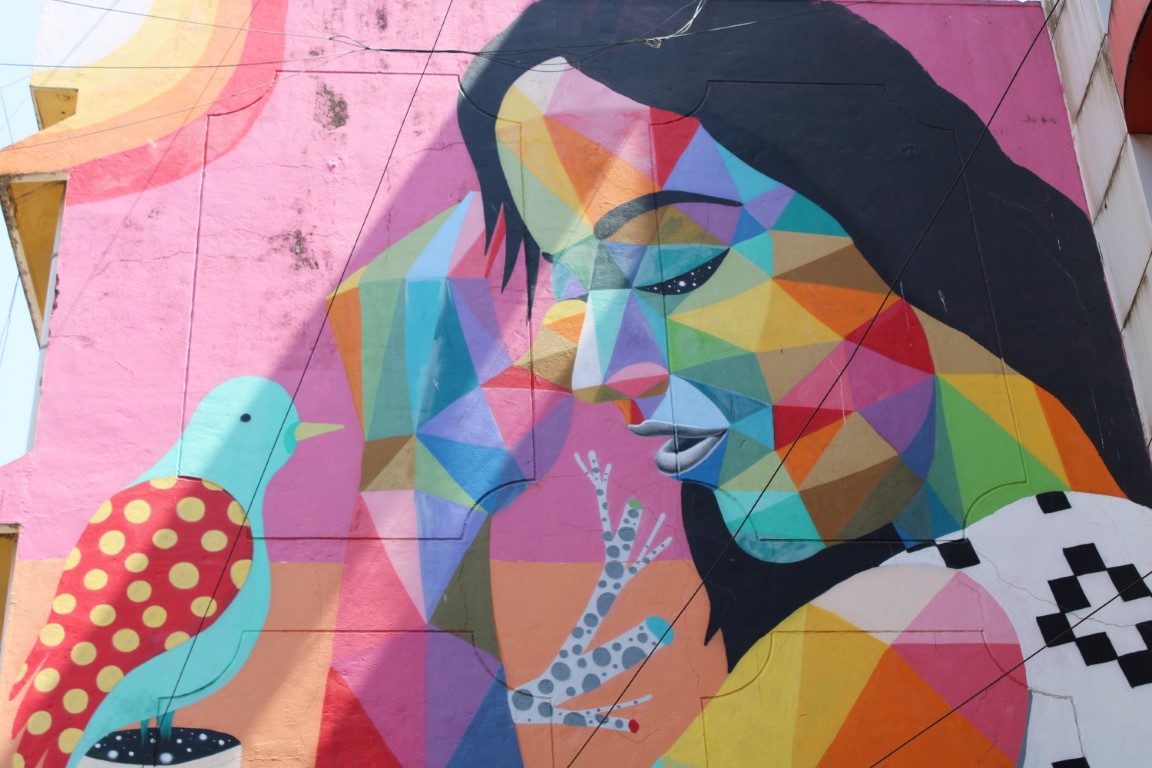
DAILY PHOTO: Trippy Graffiti, Bangalore

Taken on October 2, 2022 in Bangalore

BOOK REVIEW: Making a Masterpiece by Debra N. Mancoff

Making A Masterpiece: The stories behind iconic artworksMaking A Masterpiece: The stories behind iconic artworks by Debra N. Mancoff
My rating: 5 of 5 stars

Amazon.in Page

Release Date: November 1, 2022

Get Speechify to make any book an audiobook

In this book, Mancoff discusses a dozen works of art considered masterpieces, explaining how the paintings came to be, what influenced the artist, and what influence these paintings had on art or culture that contributed to their widespread designation as masterpieces. This background information is presented by way of helping to understand what it is about these paintings that made them stand out.

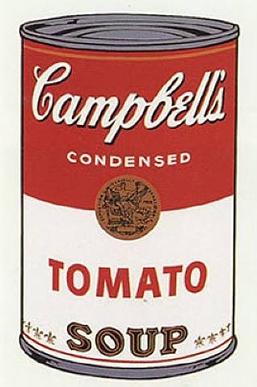
It’s an interesting selection. There are paintings, such as Botticelli’s “Birth of Venus,” da Vinci’s “Mona Lisa” and Hokusai’s “The Great Wave,” that one would imagine being on any short list of artistic masterpieces. There are others that one could imagine making the cut or not, but which are certainly iconic (e.g. Grant Wood’s “American Gothic.”) But there are also painters who one would expect to see included on the list, but whose most well-known or iconic work isn’t the one presented – e.g. Klimt’s “Woman in Gold” is discussed instead of “The Kiss” and Van Gogh’s “Fifteen Sunflowers” is included rather than “Starry Night.” The most controversial inclusion is the last, “Michelle Obama” by Amy Sherald – not because it’s not a beautiful painting and interestingly arranged for a portrait (which are usually pretty boring to a neophyte such as me,) but because it hasn’t been around for sufficiently long to know whether it will lodge itself in the collective conscious the way all the other entries have, so earning the designation of masterpiece. [It’s also owned by the Smithsonian’s National Portrait Gallery, and thus hasn’t had the commercial distinction by which masterpieces are usually determined – i.e. being auctioned for insane sums of money – e.g. Warhol’s soup cans (which are included in the book.)] That said, I liked that there were some “outliers,” as it was more opportunity to learn something new.

The book not only includes pictures of artworks as well as closeup details, but also pictures of works that were influenced by each and sometimes photos relevant to the story behind the paintings.

I enjoyed reading this book and learned a great deal about these important works of art.


View all my reviews

Childhood Limerick

Back in the days of crayons and blocks,
every kid wanted the sixty-four box.
I was low-spirited;
told my talent merited
just eight colors of Cray-kray knockoffs.