Unknown's avatar

About B Gourley

Bernie Gourley is a writer living in Bangalore, India. His poetry collection, Poems of the Introverted Yogi is now available on Amazon. He teaches yoga, with a specialization in pranayama, and holds a RYT500 certification. For most of his adult life, he practiced martial arts, including: Kobudo, Muay Thai, Kalaripayattu, and Taiji. He is a world traveler, having visited more than 40 countries around the globe.

DAILY PHOTO: Sundown Light, Bhaktapur

Taken in May 2018 in Bhaktapur

Brass Monkey

the brass monkey seemed real --
not like a real monkey,
but like a real supplicant,
making a real offering

i guess its realness 
was the realness
of human wishfulness

it looked real
because it looked like
what a human desires in
a monkey --
rather than how an 
actual monkey would behave,
hightailing it with the fruit
up to too lofty a height
to have its jackfruit repossessed

i read that the original
"brass monkey"
was a cannonball rack 
on an old-timey sailing ship,
then the term came to
refer to cold weather, 
because the differential
contraction of cold metal 
would cause the cannonballs 
to pop off the rack --
hence the saying:
"cold enough to freeze
the balls off a brass monkey!"
and, somewhere along the way,
it also became a low-brow 
malt liquor cocktail

seems strange that so many 
brass monkeys would exist
that weren't monkey-shaped,
or even made of brass --
but such is the way of words  
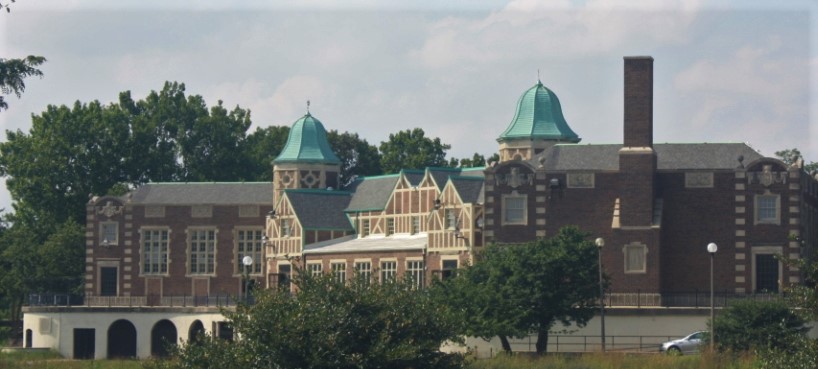
DAILY PHOTO: Buffalo Bayou w/ Buildings

Taken in August of 2018 in Houston

Falling Leaf [Haibun]

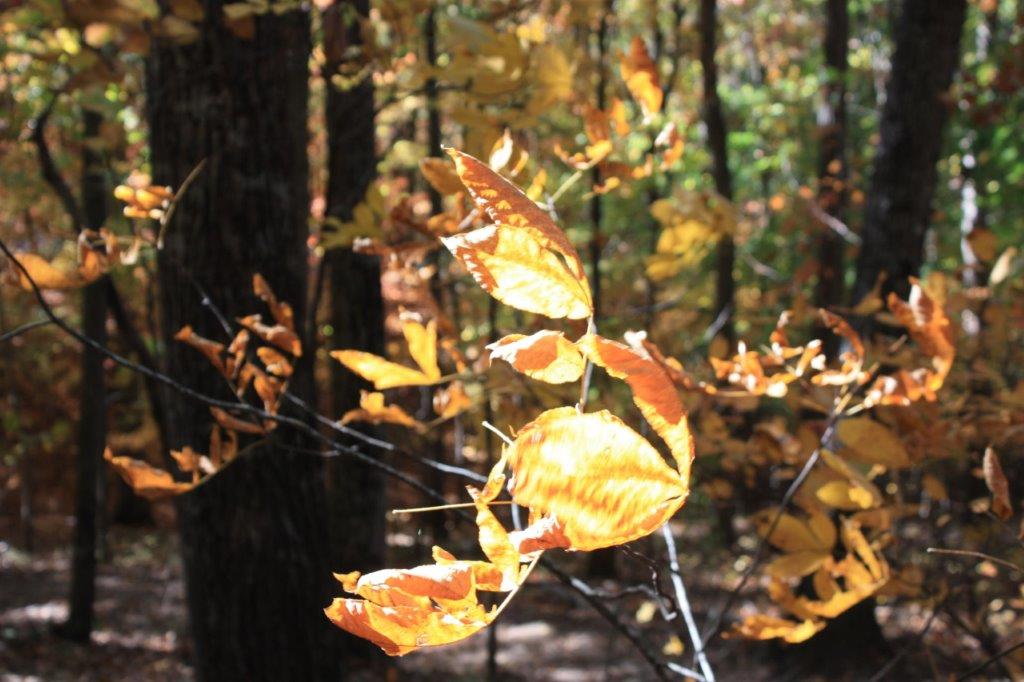
A leaf falls, spinning as it drifts downward. Then, for an instant, it seems to pause in the air before continuing to drop, twist, and flutter. I question whether the leaf stopped, my mind stopped, or the universe stopped. Probably, nothing stopped -- a mere momentary balance of updraft and gravitational pull, an unstable and ephemeral equilibrium, like a spontaneous retention of breath -- usually missed before it can be noticed, but just this one time, I was witness.


a falling leaf
seems to pause in air,
and I am there 
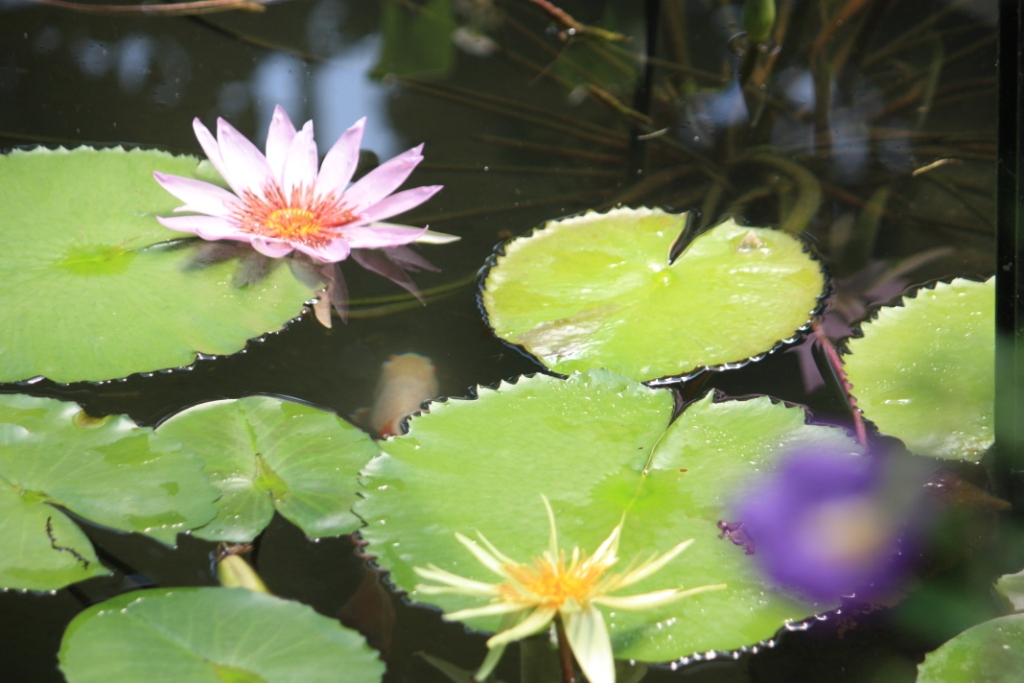
Long Gone Frog [Haiku]

water lily -
its pad held a frog,
but now it's gone

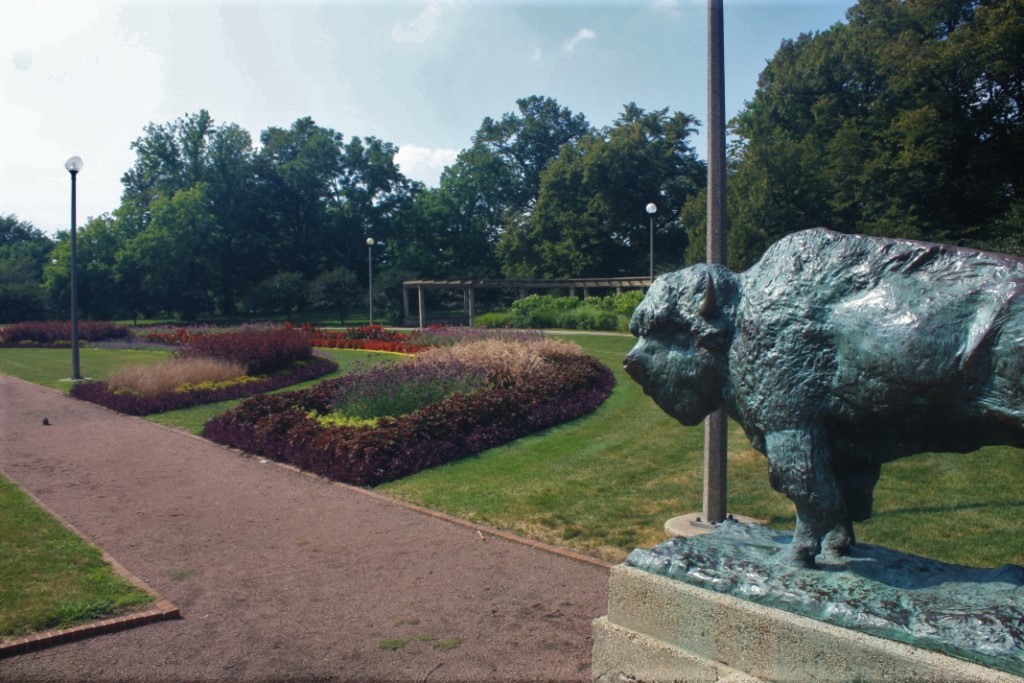
DAILY PHOTO: Scenes from Humboldt Park

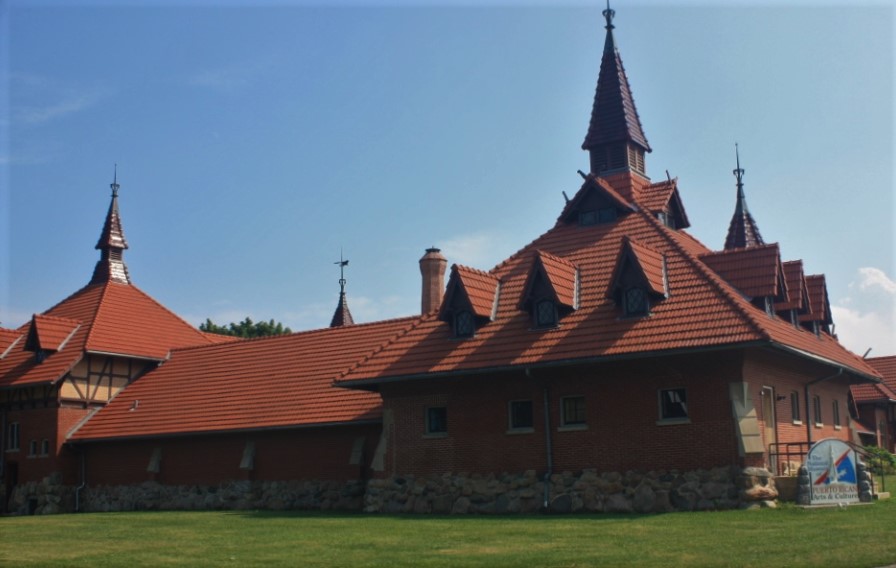
The National Museum of Puerto Rican Arts & Culture
Humboldt Park Boathouse
Humboldt Park Bison

BOOK REVIEW: Proust & the Squid by Maryanne Wolf

Proust and the Squid: The Story and Science of the Reading BrainProust and the Squid: The Story and Science of the Reading Brain by Maryanne Wolf
My rating: 5 of 5 stars

Amazon.in Page

Time to get meta, and do some reading about reading. Wolf’s book explores the neuroscience of reading, the evolution of writing systems, and what keeps some children from learning to read as rapidly as most. If you’re wonder about the seemingly arcane title, Proust’s essay “On Reading” planted a seed of thought that would become this book. The squid bit reflects the aquatic creature’s famous neurological adaptability, which is also witnessed in the learning human brain. Reading as both a mystic experience and as the unanticipated consequence of an extremely plastic brain are among the book’s recurring themes.

Another recurring idea is that reading has a cost. This view was famously expressed by Socrates, who believed reading would contribute to diminished memory, intellectual laziness, and other problems. Wolf reflects upon Socrates’ criticisms, but also draws a parallel between Socrates’ ideas on the subject and the present-day argument that the internet / social media is driving us inexorably and inevitably toward an “Idiocracy” type world.

The parts of the book that deal with the neuroscience of reading do get a bit complicated. It would be hard for them not to as reading is a complex task unfolding within the most complex system that we know of. However, wouldn’t say that this book is any more dense or incomprehensible than most pop neuroscience books – especially as it’s mixed in with less challenging material.

My understanding of dyslexia (Ch. 7 & 8) grew considerably while reading this book. I learned that it isn’t a unitary affliction, but can come about at any of a number of cognitive tasks that have to transpire during reading.

If you’re interested in how humanity learned to read, the benefits and costs of this capacity, and what dyslexia really is, this book is definitely worth reading.

View all my reviews

DAILY PHOTO: Twisted Petals

Taken in Singapore in October of 2016
Frangipani