BOOK: “The Traveler” by Andrea Wulf

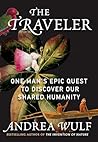
The Traveler: One Man's Quest for Humanity from the South Seas to Revolutionary ParisThe Traveler: One Man’s Quest for Humanity from the South Seas to Revolutionary Paris by Andrea Wulf
My rating: 5 of 5 stars

Author Site

Andrea Wulf once again introduces us to a person most of us have no knowledge of, but should. A few years back I read, “The Invention of Nature,” which was about the life and work of Alexander Von Humboldt. This book tells the story of the short life of George Forster, who — like von Humboldt — was a naturalist and explorer. In fact, von Humboldt considered Forster one of his mentors.

The name of this book could not be more apt. It’s not just about a man who went places, that’s a shallow definition of “traveler.” Rather, it is about one who was philosophically a traveler — i.e. one who shed biases and any pretense of superiority of his native culture over those with which he would come into contact so that his mind was ready to learn — always. George Forster traveled on Captain Cook’s second expedition, sailing through the Atlantic, across the Indian Ocean, all around Polynesia, and eventually back to England — perilously almost getting down to Antarctica in the process. George was ostensibly on the ship as assistant and draftsman to his father, Reinhold. However, George impressed more than his father, particularly through his publications after the voyage. In fact, George’s open-mindedness was all the more impressive because he got none of it from his father, who traveled about (like virtually all Westerners of that day) believing in the inherent inferiority of non-European peoples.

One reason why Forster is more obscure than his “mentee,” von Humboldt (besides the fact that von Humboldt lived / worked about twice as long) is the path of Forster’s life through the latter portion of the book. Forester’s belief in equality wasn’t limited to Pacific Islanders, he stayed true to the notion at home. He, therefore, was a supporter of the French Revolution (though he lost some taste for it in the wake of the guillotine-happy regimes that followed but still believed in the overarching goal of casting off the shackles of royalty.) Because of his support for Revolution, he was deemed a traitor by many European thinkers who had held him in the highest esteem when his support for equality was an academic abstraction (though many of them probably secretly thought him daft for believing that Tahitians [and, for that matter, women] were people, too.) At any rate, his renown plummeted, thus contributing to the fact that he’s not a household name today.

In addition to the thrill of his maritime adventures and the peril of his Revolutionary politics, there is a fair amount of family drama throughout the book. Early on said drama centers on Reinhold, but later it is the wife that cuckolds him, Therese, who takes centerstage.

I found this book highly readable. It’s not your run-of-the-mill biography of an 18th century naturalist. It’s engaging and illuminating, and I’d highly recommend it for Travelers.

View all my reviews

DAILY PHOTO: Scenes from Humboldt Park

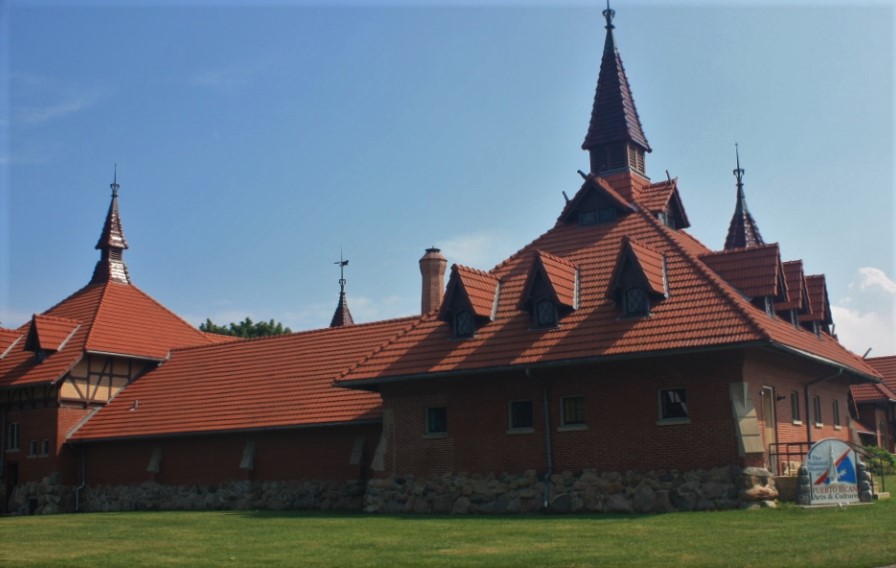
The National Museum of Puerto Rican Arts & Culture
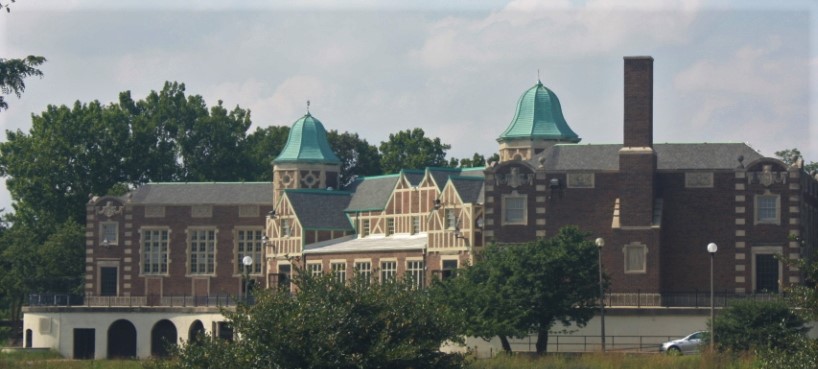
Humboldt Park Boathouse
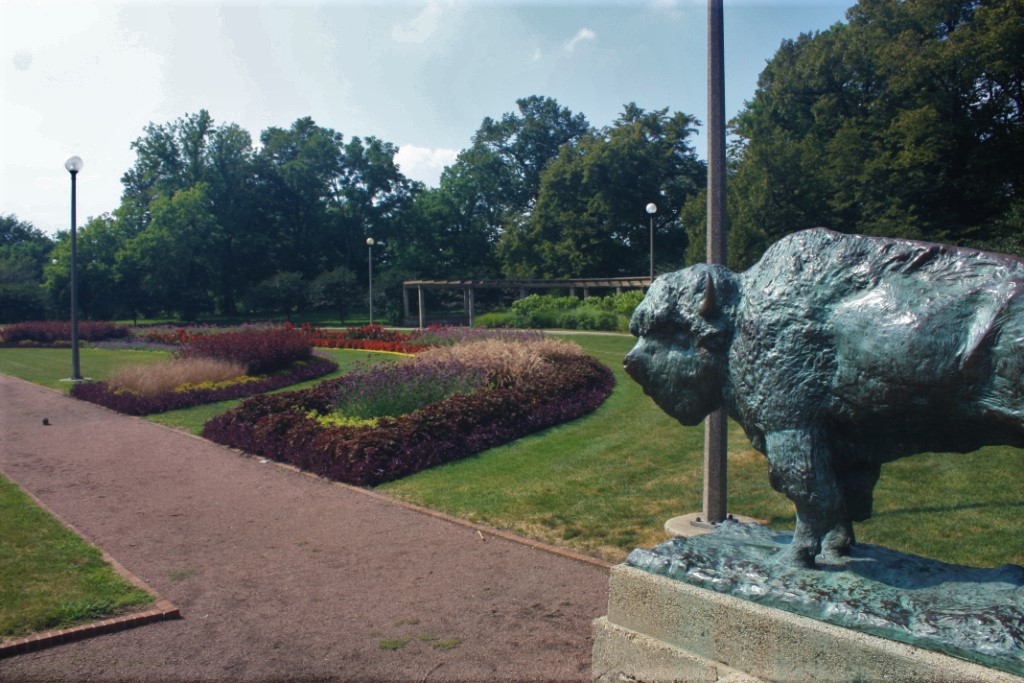
Humboldt Park Bison

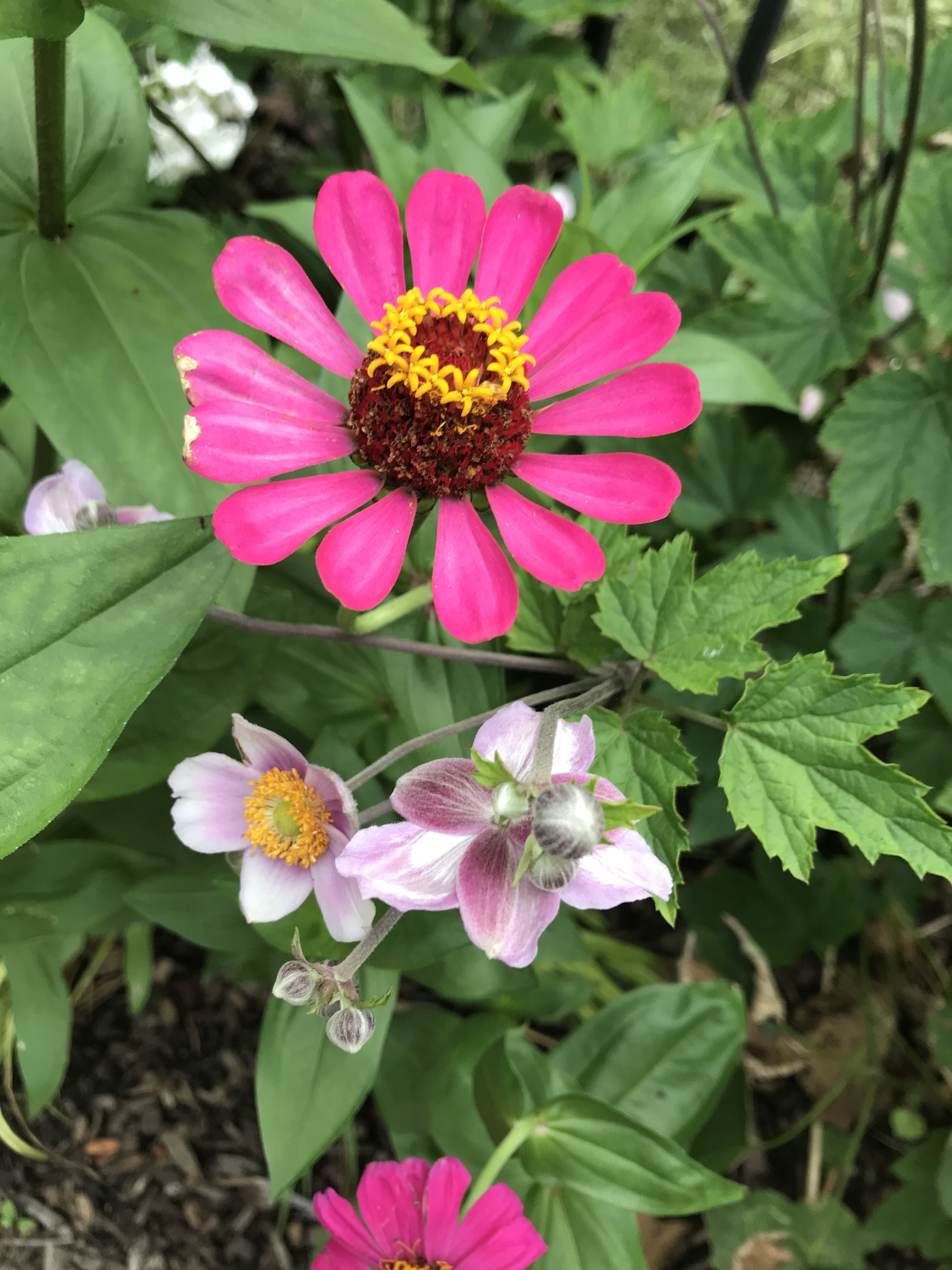
DAILY PHOTO: In Humboldt Park

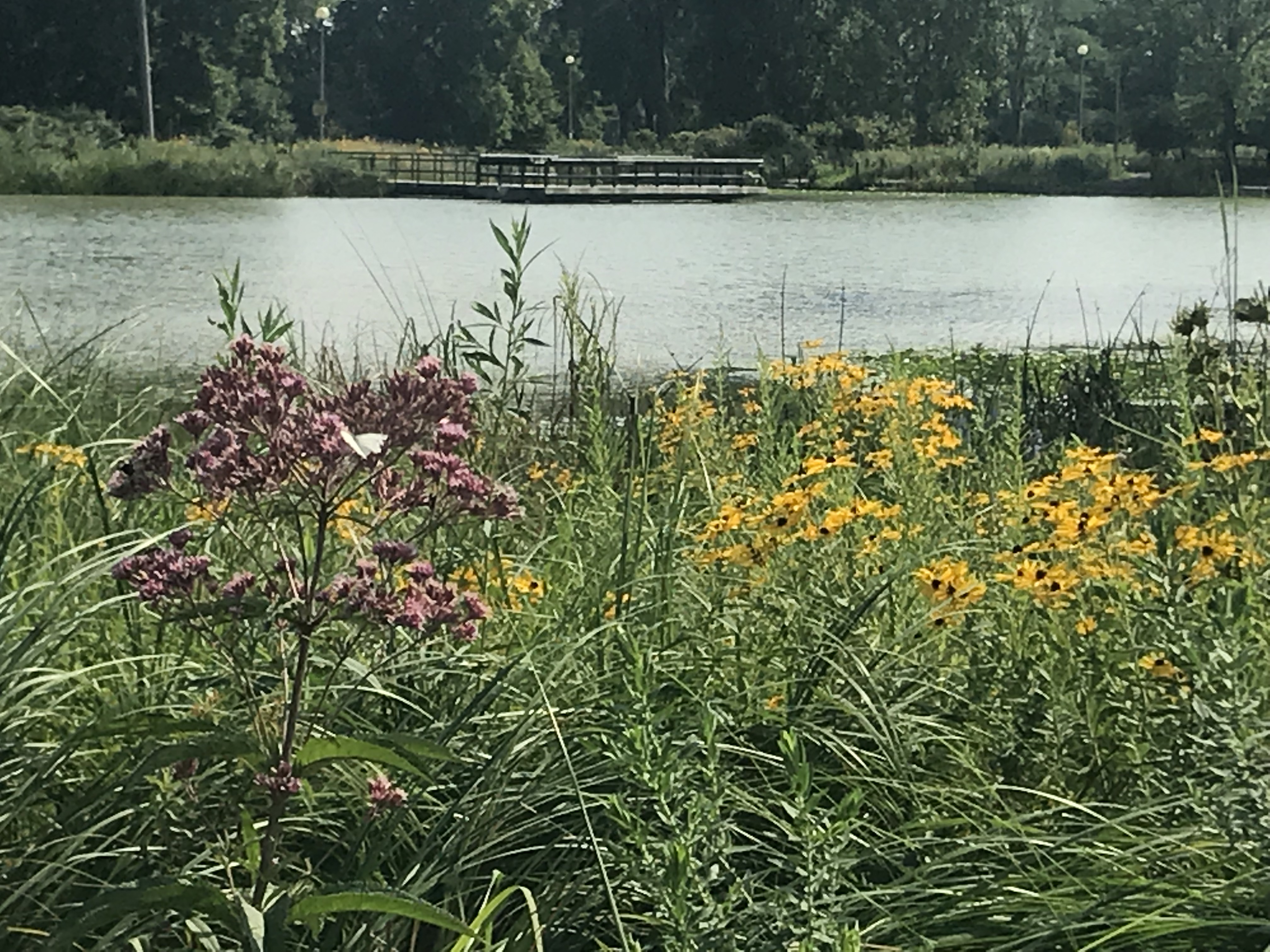
Taken on August 17, 2018 in Chicago. This park is named for my favorite 18th century German naturalist. I recommend Andrea Wulf’s The Invention of Nature.

004445C8-E742-4ADC-B10E-C69D660870FA0C5165FA-6CCB-495E-9CFC-E91528304F16399B9F60-00A4-44C8-8D21-BB847F2C23A97FED5148-C024-4519-A681-D55BEEAAE449

BOOK REVIEW: The Invention of Nature by Andrea Wulf

The Invention of Nature: Alexander von Humboldt's New WorldThe Invention of Nature: Alexander von Humboldt’s New World by Andrea Wulf
My rating: 5 of 5 stars

Amazon page

If you’re like me, you had no idea who Alexander von Humboldt was prior to this surprisingly well-received book. So why read a book about him? Well, you’ve surely heard of the people he influenced: e.g. Darwin, Thoreau, Jefferson, Bolivar, Wordsworth, Samuel Taylor Coleridge and John Muir—to name a few.

Humboldt was one of the top scientists of his time, but his influence extended far beyond that aspect of his life. Much of the thrill of this book comes from Humboldt’s expeditions to Latin America and Russia. He faced alligators, electric eels, a capsized ship, and natural disasters. He also made Herculean efforts to arrange a Himalayan expedition, but politics and personalities intervened to delay him until he was too old to make the trip. (It should be noted that when Humboldt summited Mount Chimborazo in Ecuador in the early 1800’s, it was believed to be the highest peak in the world [at 6268m, or 20,600ft.] Needless to say there was a lot unknown about the Himalaya at the time—e.g. Everest is 8848m, or over 29,000ft.) While Humboldt produced specific breakthroughs and discoveries (e.g. inventing isotherms and discovering the magnetic equator), much of the inspiration he provided was in showing the interconnectedness of nature and the potential for unintended consequences.

As a Prussian aristocrat, Humboldt was born into a position to have influence but it was his ideas and his personality that made him so sought after. He could be arrogant, but was humbled in the face of nature. He was charismatic, but did not suffer fools kindly. He was adamantly anti-slavery and strongly opposed efforts of religion to stymie science in order to delay the toppling of their sacred cows.

The book is arranged into 23 chapters, divided among five parts. Part I describes his youth and the time leading up to the American expedition that would make him a legend. Part II describes his experiences gathering specimens and observations in Latin America, with a chapter about his meeting with Thomas Jefferson on his way back to Europe. Part III covers the period he spent in Europe after his expedition to the Americas. It was during this time that he wrote up his observations and hypotheses about nature. It was a productive time, but Humboldt missed nature. Part IV covers two important topics: the expedition through Russia and some of the more important ideas and people Humboldt influenced—e.g. Darwin. By this time he was well-known, and the books that had thus far come out were much in demand. Part V continues the theme of Humboldt’s influence on great thinkers, but with a focus on ideas that were a bit slower to develop.

I enjoyed this book. Interestingly, it follows a chronological format. That may seem a less than profound observation for a biography, but it’s less common to begin with the earlier years of life because those are typically the boring bits and there’s a desire to get into the meat of the story. (To some degree the author does this with a prologue that describes the Chimborazo trek.)

I’d recommend this book for those who are interested in science, ecology, and nature, as well as those interested in what it was like to make a scientific expedition in those days, well before Darwin.

View all my reviews