BOOK REVIEW: The Sirens of Titan by Kurt Vonnegut

The Sirens of TitanThe Sirens of Titan by Kurt Vonnegut Jr.
My rating: 5 of 5 stars

Amazon.in Page

This classic Vonnegut novel stresses the existentialist notion that whatever meaning is to be had in life is up to the individual to find. (And they’re likely to find that it’s to love whoever is around to love.) Vonnegut rejects the entrenched view that a human is master of his/her domain and that we exist as part of a deep and well-reasoned plan. Vonnegut’s protagonist, Malachi Constant (a.k.a. Unk,) spends much of the story, literally, being controlled by unknown forces via the combination of a brain-shocking device and memory erasure.

The book is as humorous as it is philosophical, though it’s dark humor, e.g. the humor of an invading army that suicides itself without realizing that’s what it’s doing. [i.e. a bit like Monty Python’s Black Knight sketch, but on a planetary scale.]

The backstory of the Tralfamadorians in this book offers a great metaphor for the book’s theme. (Note: the Tralfamadorians morph a bit between the various books that they appear in, or at least different information is revealed as is relevant to the story at hand. In “Slaughterhouse-Five,” the emphasis is on the fact that this alien race sees all time simultaneously.) While the Tralfamadorians here still see all of time simultaneously, what is emphasized is that they’re a species of robots that came about when the original (biological) Tralfamadorians kept off-loading less meaningful work to robots. But biological Tralfamadorians would always come to believe that whatever work remained didn’t feel sufficiently meaningful. When they finally asked an AI to calculate the absolute most meaningful work there is, they were told that there is no meaningful work, and so they have the robots end their existence.

Vonnegut’s wild creativity can have the flipside of being challenging to follow. Fortunately, understanding of this novel doesn’t rest on understanding the workings of the “chrono-synclastic infundibulum,” but rather on much simpler and more humorous concepts. Like “Cat’s Cradle,” I found this novel easier to follow than Vonnegut’s time-jumping masterwork “Slaughterhouse-Five.”

This is a hilarious and thought-provoking book. I’d highly recommend it for all readers.


View all my reviews

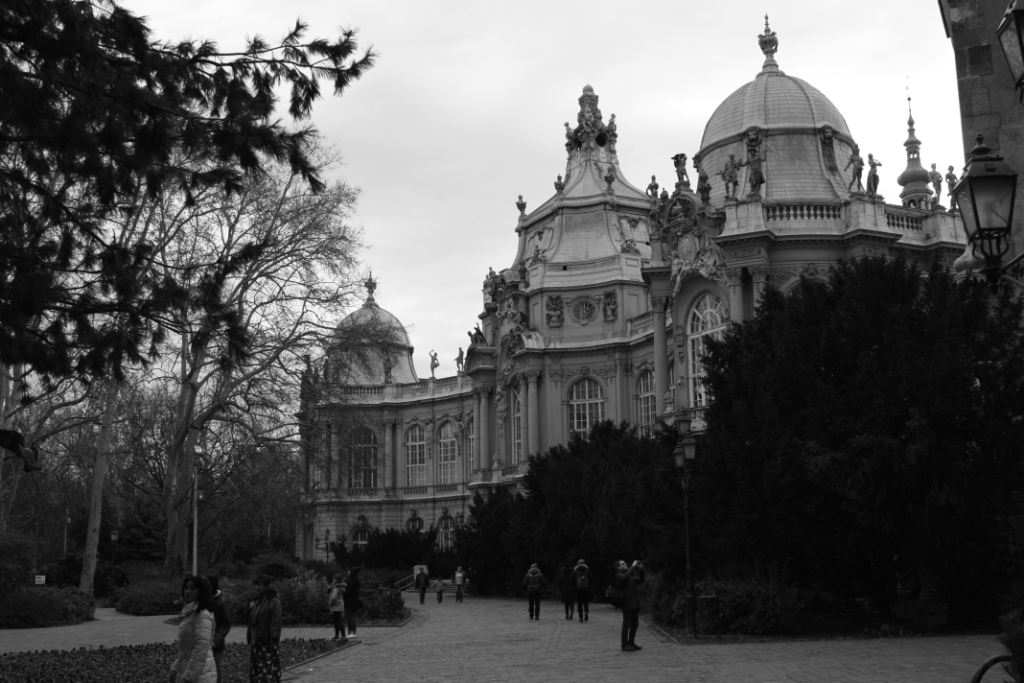
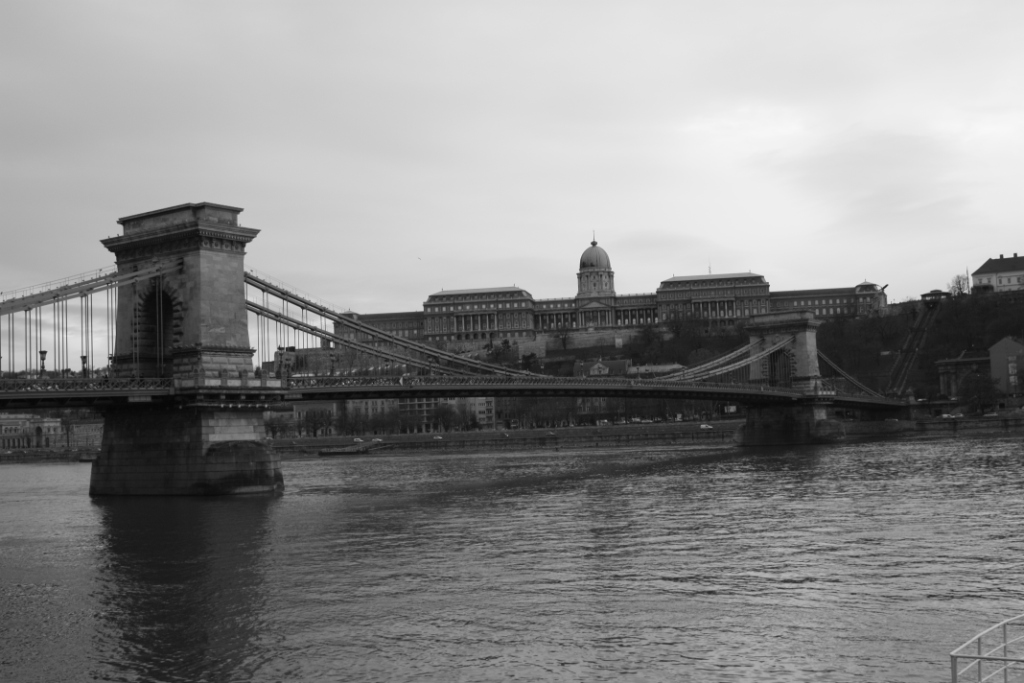
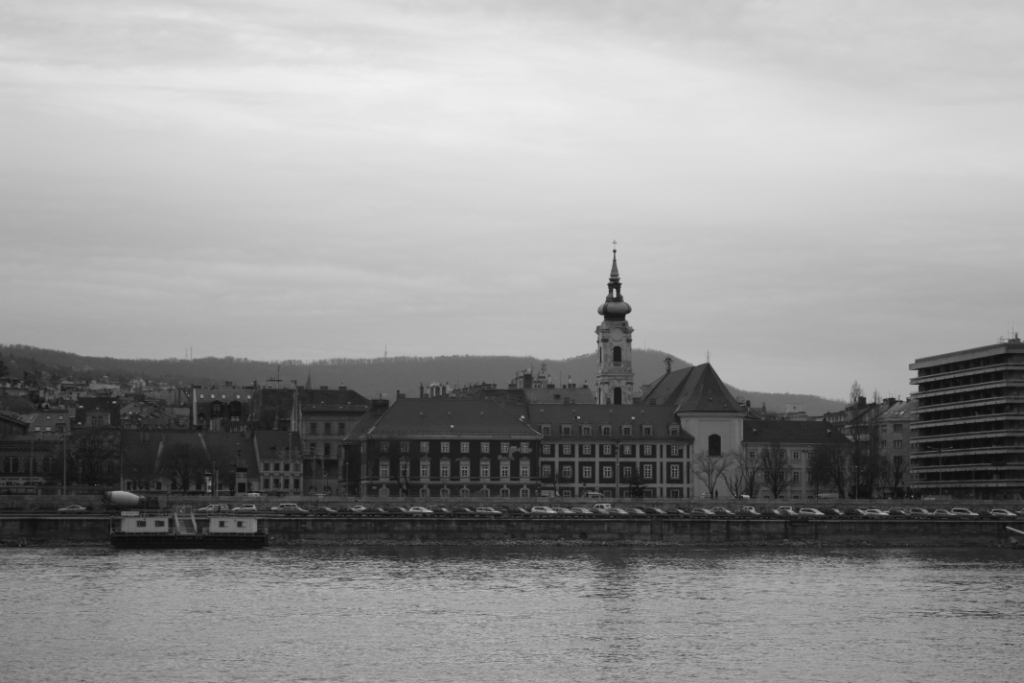
DAILY PHOTO: Monochrome Budapest

Vajdahunyad Castle; Taken December of 2014
Széchenyi Lánchíd [Chain Bridge]

BOOK REVIEW: Sandman Vol. 2: The Doll’s House by Neil Gaiman

The Sandman Vol. 2: The Doll's House - 30th Anniversary EditionThe Sandman Vol. 2: The Doll’s House – 30th Anniversary Edition by Neil Gaiman
My rating: 5 of 5 stars

Amazon.in Page

“The Doll’s House” story arc is the second volume in the original run of “Sandman,” and consists of issues #9 – 16. After a prologue that tells an African tribal myth about a love between a mortal woman and a god, the other seven issues tell the story of Rose Walker, a young woman whose mere existence will become a threat to the Dreaming (the world of dreams and the dominion of Morpheus, god of dreams.) The prologue story introduces concepts helpful for the main story, but does not otherwise share characters or plot details with the larger arc.

The volume presents a clean and satisfying story. Gaiman is among the most superb developers of stories within stories such that his serial work always leaves the reader satisfied. The troubles that play out in this volume result from Morpheus’s (a.k.a. Dream’s) earlier incarceration [volume 1,] but one learns what one needs to follow it during the telling of this story. Besides the issue of Rose Walker, there were escapes and shenanigans in the Dreaming owing to the lack of proper supervision. Morpheus has to fix these problems without a clear picture of what has happened.

Gaiman creates a story that is at once engrossing and humorous. The story reaches its heights in both regards in the issue called “Collectors,” [a.k.a. “The Doll’s House, Part Five”] which involves Rose Walker’s stay in a hotel that is holding a convention that is nominally for the breakfast cereal industry, but is – in fact – for serial killers and collectors of human beings (or artifacts, thereof.) The world of Sandman is gripping and brilliantly creative, and I highly recommend this book.


View all my reviews

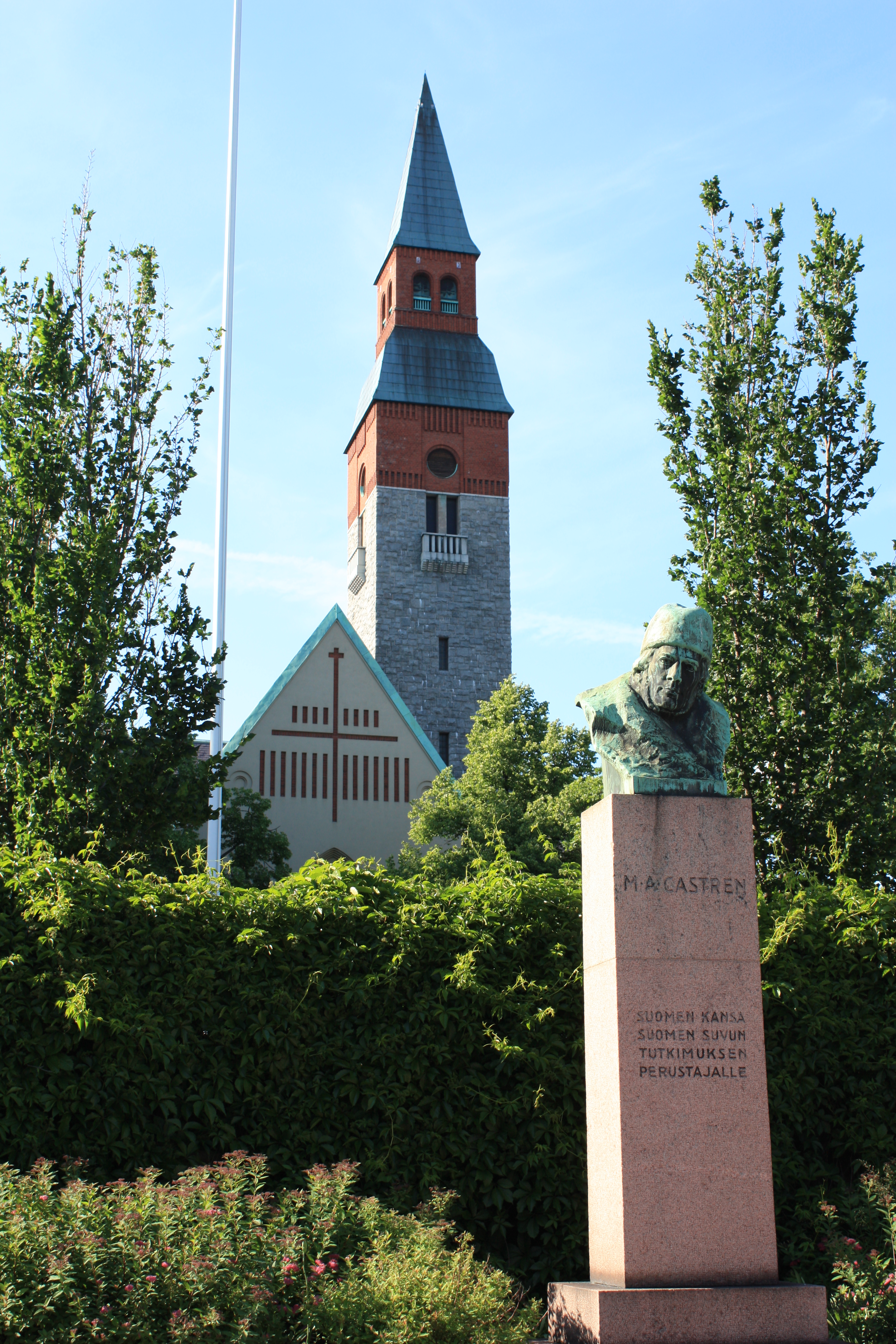
DAILY PHOTO: Kansallismuseo Spire, Helsinki

Taken in the Summer of 2011 in Helsinki

Nordic Summer [Kyōka]

nordic summer.
the wee hours look like either
sunrise or sunset
is upon us, and
either way, it's true

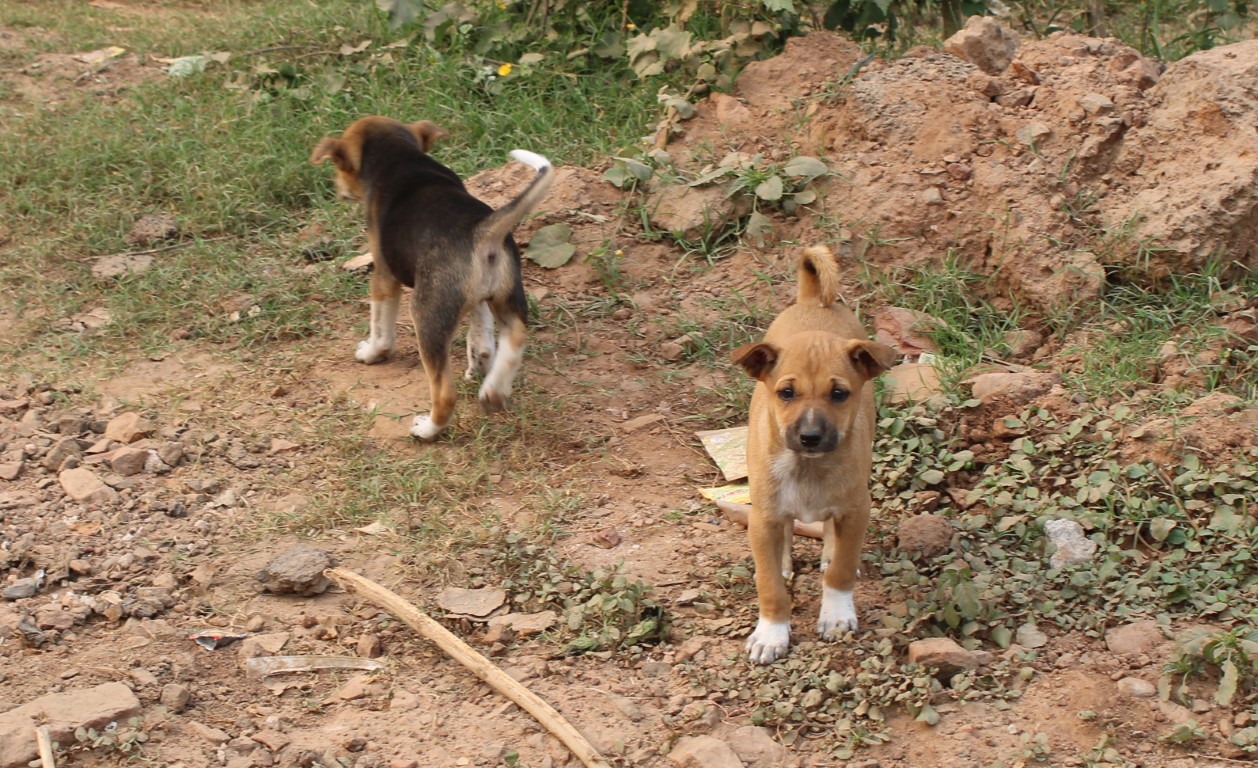
DAILY PHOTO: Mukteshwara Temple, Bhubaneswar

Taken in Bhubaneswar in December of 2021

Avalanche [Free Verse]

One false footing
erases the screeched blackboard
writing that'd formed in my mind
& 
everything becomes a blank, white
emptiness --

Not a good empty.
Not a good quiet.
The emptiness of blinding pain.

That's the slow, cold death
of falling into a drift
and then cascading,
tumbling,
tumbling,
in an avalanche.

Wrenched asunder -
or so it feels -
and left to go numb in a
silence so total 
that i know 
it's my first experience 
with true silence. 

We all fall down?
That's what the plague rhyme says,
isn't it? --

Madmen & Holymen,
and those who take this fall
and are twisted into a 
grotesque blend of both.

Which way is up?
Tiny seedlings can tell,
but I cannot.

I'm lost --
50/50, I dig myself deeper
into my own doom.

My life trickles in a file of hours,
dripping into that dim distance 
of non-time. 

I'll stay lost until the spring thaw
when I'll ride the glacial runoff
to complete my tumble
as a gray and bloated thing.

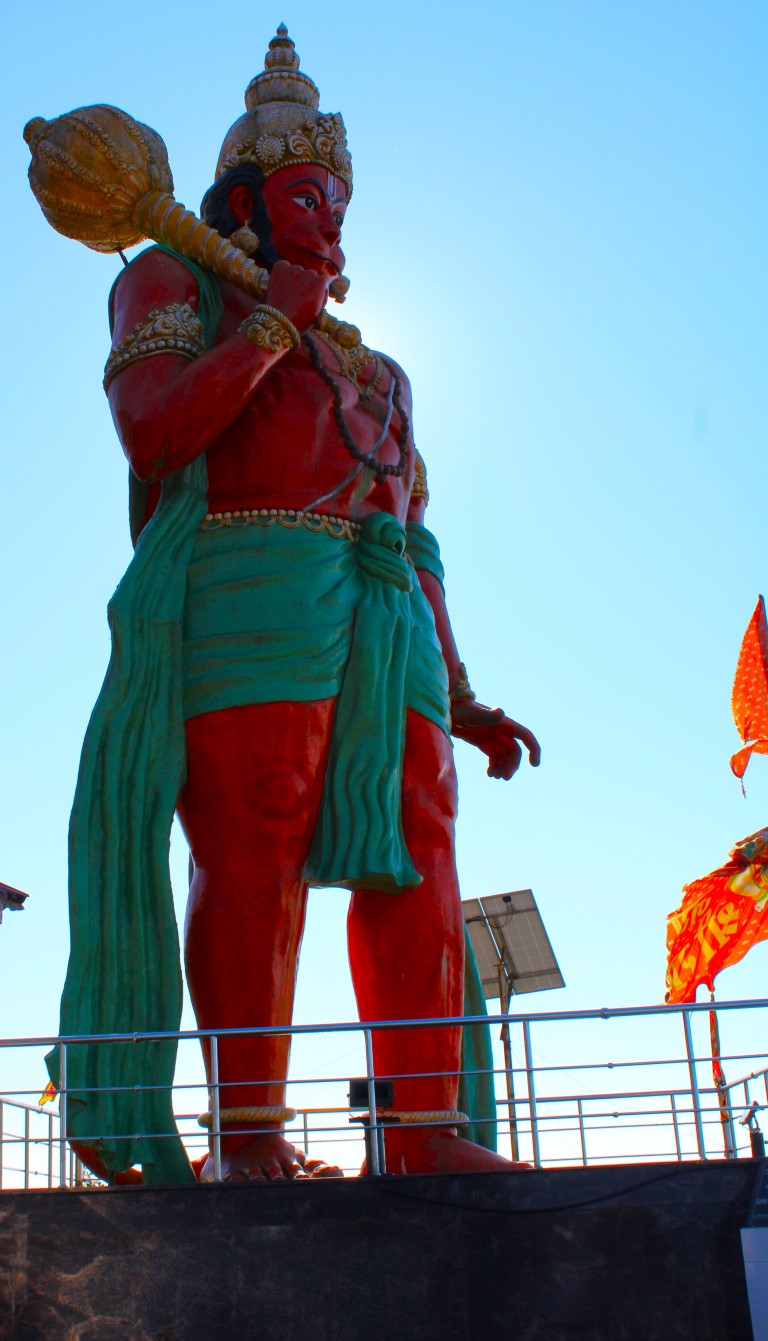
DAILY PHOTO: Hilltop Hanuman of Kurseong

Taken in January of 2022 in Kurseong