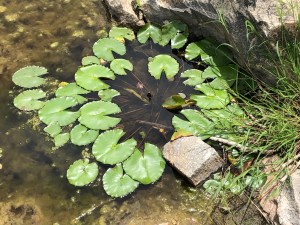
ring of lily pads:
 crowd around where the frog
  plopped into pond.
ring of lily pads:
crowd around where the frog
plopped into pond.
I taste a liquor never brewed --
  From Tankards scooped in Pearl --
 Not all the Frankfort Berries
   Yield such an Alcohol!

Inebriate of air -- I am --
  And Debauchee of Dew --
 Reeling -- thro' endless summer days --
   From inns of molten blue --

When "Landlords" turn the drunken Bee
  Out of the Foxglove's door --
 When Butterflies -- renounce their "drams" --
   I shall but drink the more!

Till Seraphs swing their snowy Hats --
  And Saints -- to windows run --
 To see the little Tippler
   Leaning against the -- Sun!
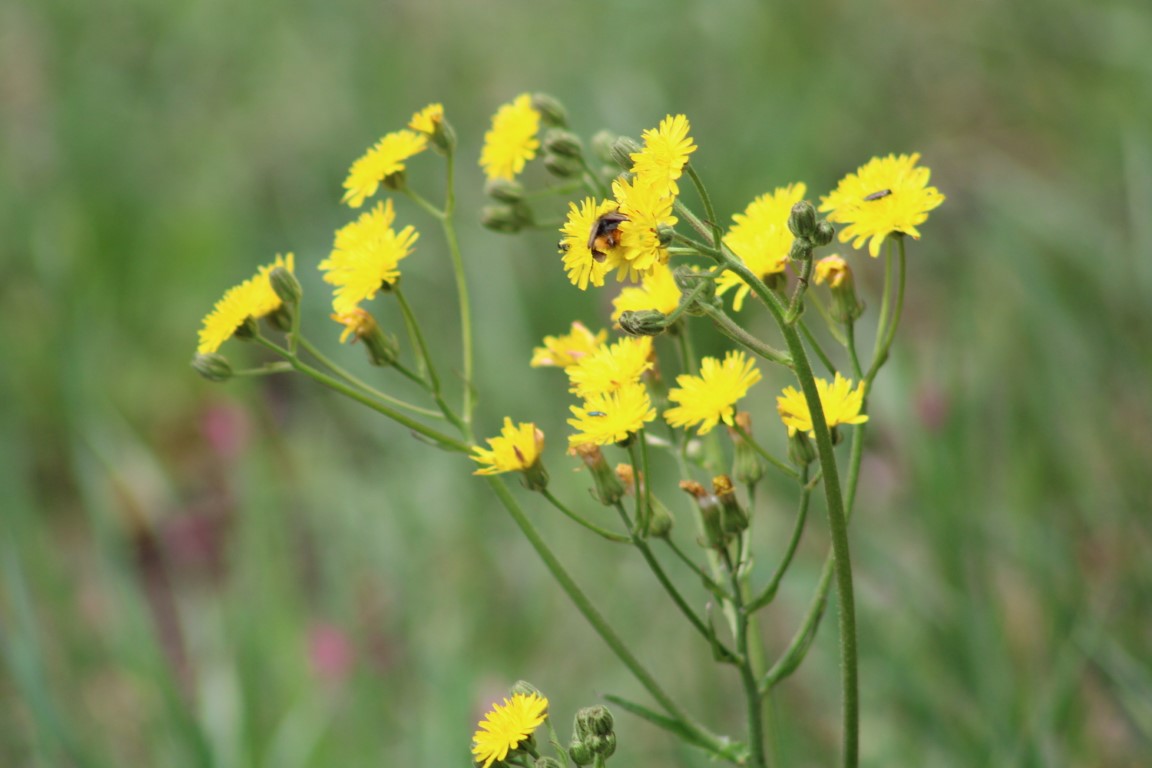
bees on wildflowers
 ride out the breezes,
  in wistless sway.
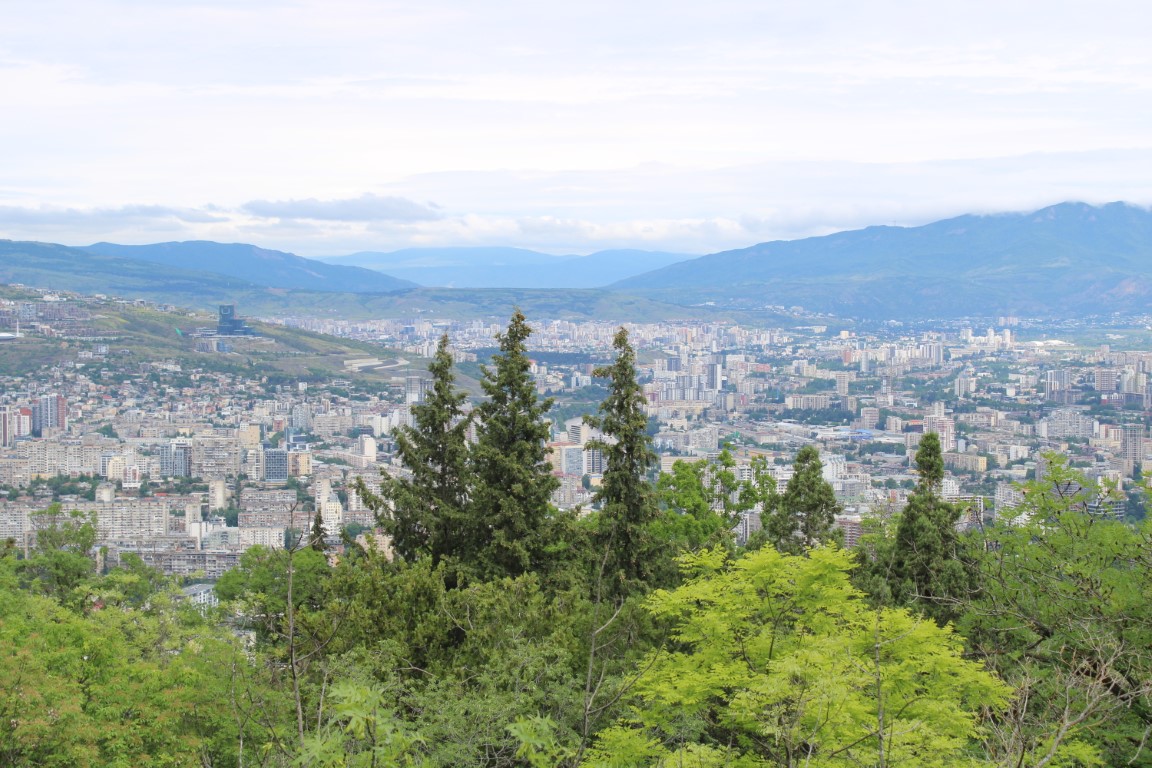
chartreuse Spring leaves
 tick their way toward matching
  the evergreens.
When midnight mists are creeping,
   And all the land is sleeping,
 Around me tread the mighty dead,
   And slowly pass away.

Lo, warriors, saints, and sages,
   From out the vanished ages,
 With solemn pace and reverend face
   Appear and pass away.

The blaze of noonday splendour,
   The twilight soft and tender,
 May charm the eye: yet they shall die,
   Shall die and pass away.

But here, in Dreamland's centre,
   No spoiler's hand may enter,
 These visions fair, this radiance rare,
   Shall never pass away.

I see the shadows falling,
   The forms of old recalling;
 Around me tread the mighty dead,
   And slowly pass away.
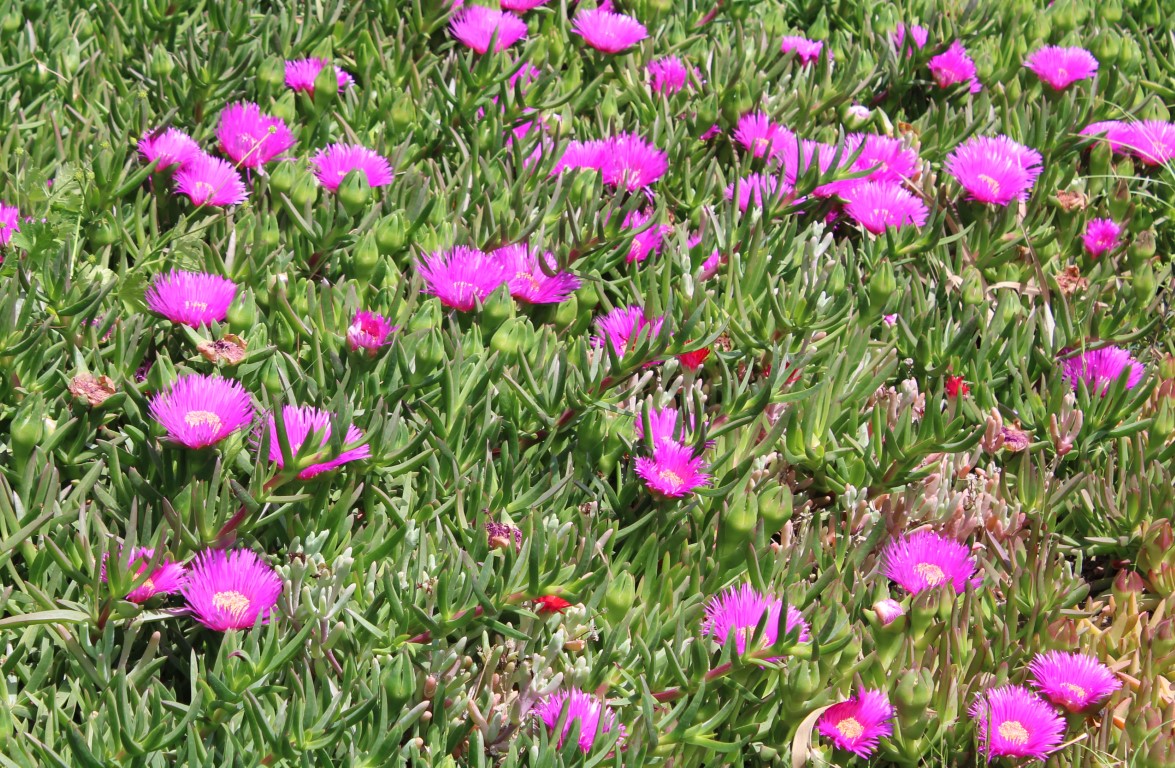
the lawn blossoms:
 attracting minds that never
  paid heed the grass.
It's as if ones gone mining --
   From lead, silver refining.
 That's how one cleanses a heart:
   With pure love, not pining.

Like a pond from Spring rainfall:
   Mirror to heavens and all,
 Without defect of image --
   True as the moon's bright, white ball.

Stargazing across night skies;
   Singing songs of hermits, wise;
 The water flowing today
   Will know that bright moonrise.
NOTE: The late Tang Dynasty poet, Sikong Tu (a.k.a. Ssŭ-k‘ung T‘u,) wrote an ars poetica entitled Twenty-Four Styles of Poetry. It presents twenty-four poems that are each in a different tone, reflecting varied concepts from Taoist philosophy and aesthetics. Above is a crude translation of the seventh of the twenty-four poems. This poem’s Chinese title is 洗炼, and it has been variously entitled: “Clean,” “Refining,” and “Wash — Smelt.”

nature snakes through
 the heart of the city,
  via a streambed.

crumbled ruins:
   once a fine home,
      occupants long gone

did their voices
   resonate into stone,
      trapping something
   of their existence:
      some subtle indication
      that there was life here...
 The Song of Hiawatha by Henry Wadsworth Longfellow


 Tiger Riding for Beginners