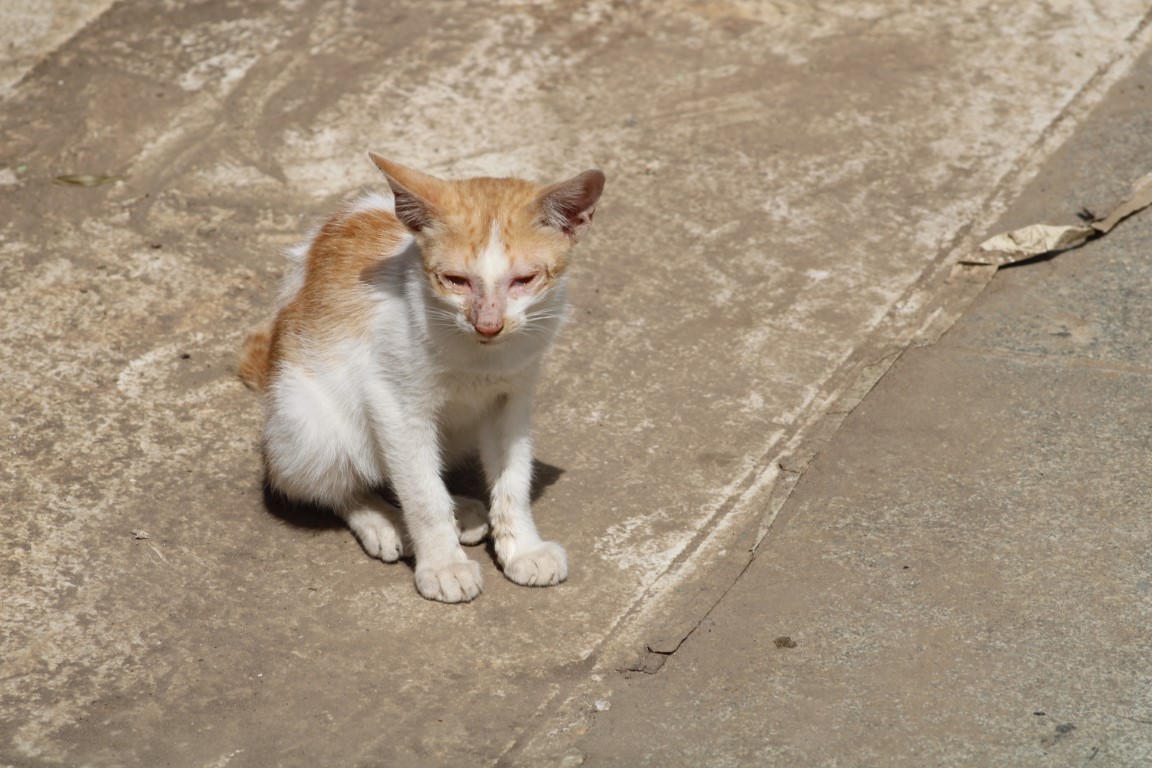
lean street kitten:
 face much older than its
  scrawny body.

lean street kitten:
face much older than its
scrawny body.
I may be getting older, but I’m not old enough to concede to an “all-time” anything.
What major historical events do you remember?
Alexander takes Egypt, the death of Kublai Khan, the War of 1812, the Teapot Dome Scandal… You know, the biggies.
One may live a century --
 Short span though it may be:
  Joys are bitterly brief
  And sorrows are many.
 You may take a wine jug
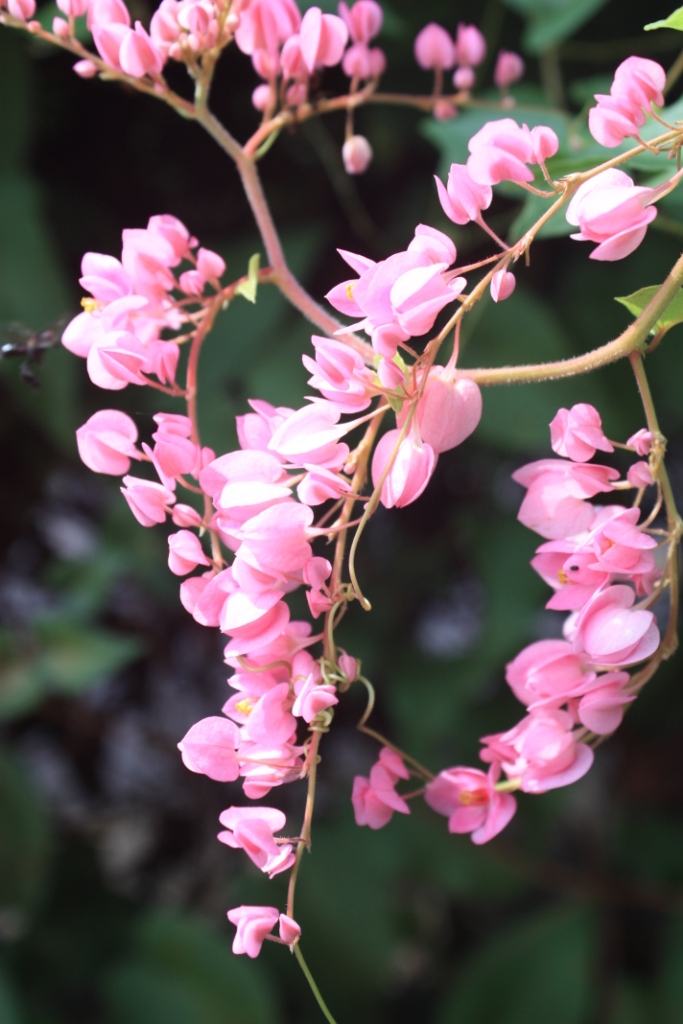
  On your wisteria rounds:
   See flowers grow to the eves
   As sparse rains wet the grounds.
 And when the wine is gone,
  One strolls with cane and croons.
   We become wizened with age;
   South Mount, fair through countless moons.
NOTE: The late Tang Dynasty poet, Sikong Tu (a.k.a. Ssŭ-k‘ung T‘u,) wrote an ars poetica entitled Twenty-Four Styles of Poetry (二十四诗品.) It presents twenty-four poems that are each in a different tone, reflecting varied concepts from Taoist philosophy and aesthetics. Above is a crude translation of the twenty-third of the twenty-four poems. This poem’s Chinese title is 旷达, which has been translated as: “Illumed” [Giles,] “Big-hearted and Expansive [Barnstone and Ping,] “Expansive,” and “Open-minded.”
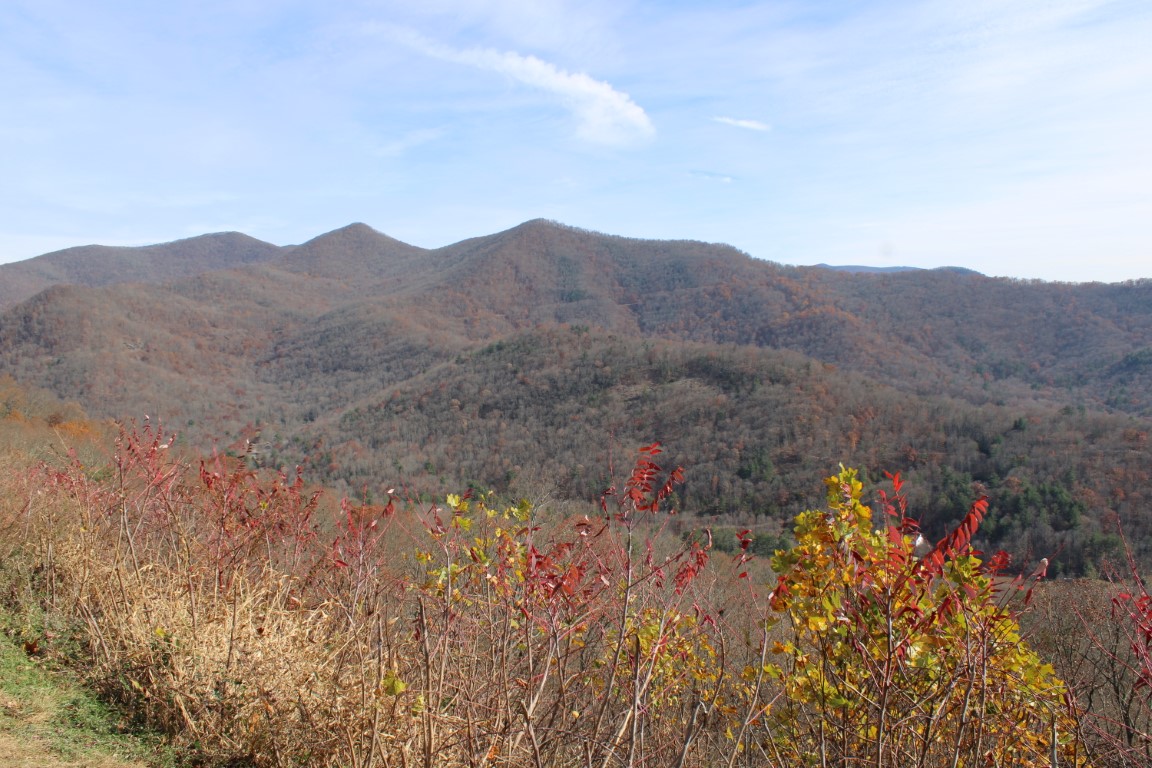
roadside saplings
 take Fall colors for a time,
  before going bare;
 the envy of humans:
 at once young & old.
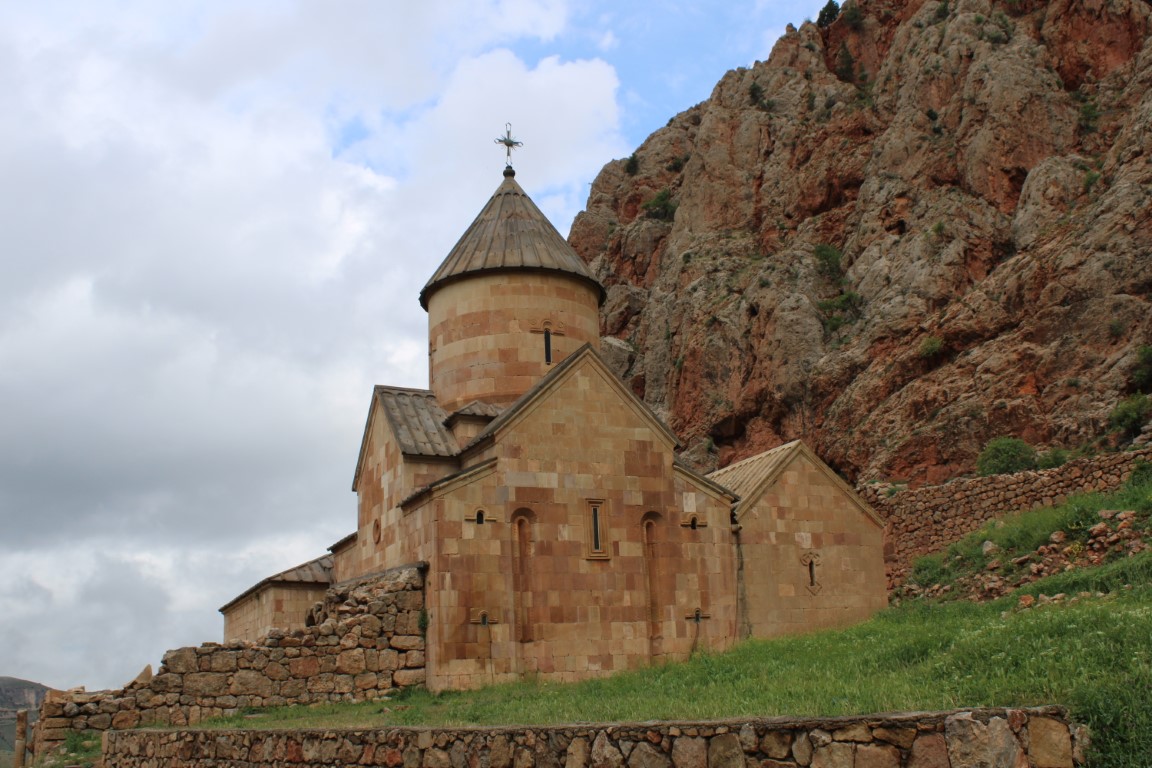
There's something beloved about
      an ancient place.

Entropy increases.
 Nature devours.
  Nothing lasts forever.

Nothing of man can be built of stone
   sturdy enough or steel resistant
      enough to become ancient
         by mere persistence.

It must be loved.
   Someone must clean the grass
      from the cracks, must scrub
      moss & mold, must replace
      pieces that slough off...
      (& must do it all with tender
      craftsmanship.)

I suspect anything ancient
   that's higher than my knee
     is a Theseus's ship:
     rebuilt stone by stone through the ages
     until only a wafting idea of the place
       remains ancient.

fresh white blossoms
 & weathered hues of decay:
 both old & young (like me.)
 I knew I was old when,
upon seeing a frosted windowpane,
I felt no urge to plow my finger through it.
The cost of a cold finger tip didn’t feel worth it for the pleasure of dragging a digit through the frost, carving doodle art or a word,
the frost curling and tumbling down onto the sill to turn from chalk white crystals to clear bulbous drops.
Anyhow, the mere thought prompted me to etch my fleeting symbol onto the pane.
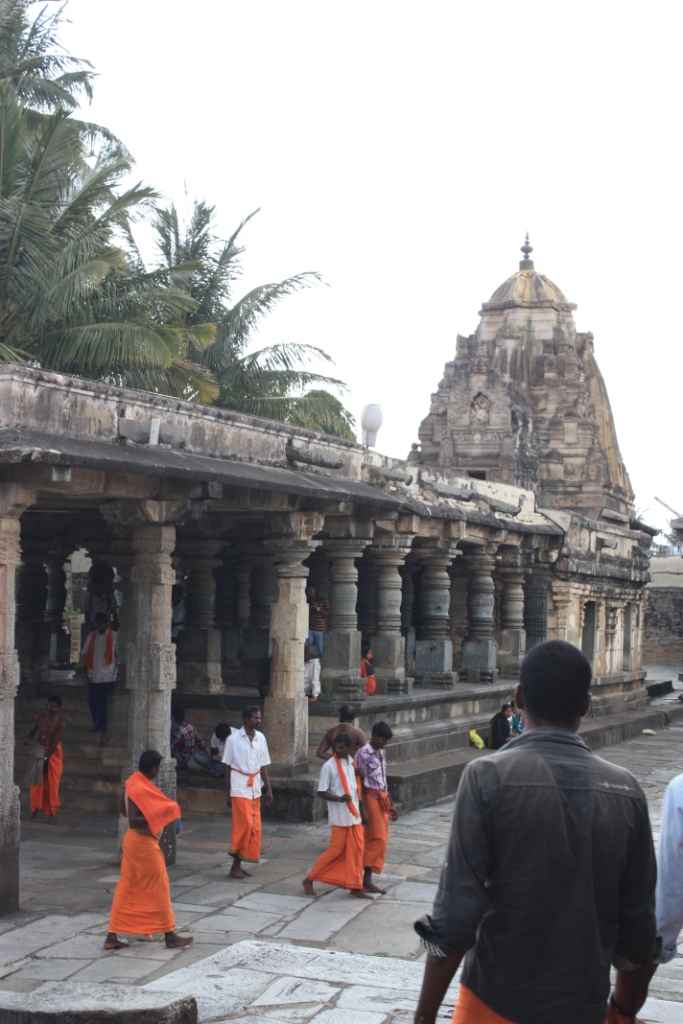
Taken November 23, 2013 at Belur
In Cambodia, one can buy these paintings that are monochromatic with the exception of the vibrant saffron of monks’ robes. These artworks are commonly found around Siem Reap and have backgrounds such as the Bayon, Ta Prohm, or Angkor Wat. While this photo was taken in Belur, India at the Chennakeshava temple, it reminds me of an impromptu version of such paintings. All dull earth-tones, except the Hindu adherents moving about in their bright colors.
Apparently, the significance of the color orange is shared by Hindus and Buddhists. Krishna is usually portrayed in orange or yellow, and in Buddhism orange is considered the color of illumination.




 Tiger Riding for Beginners