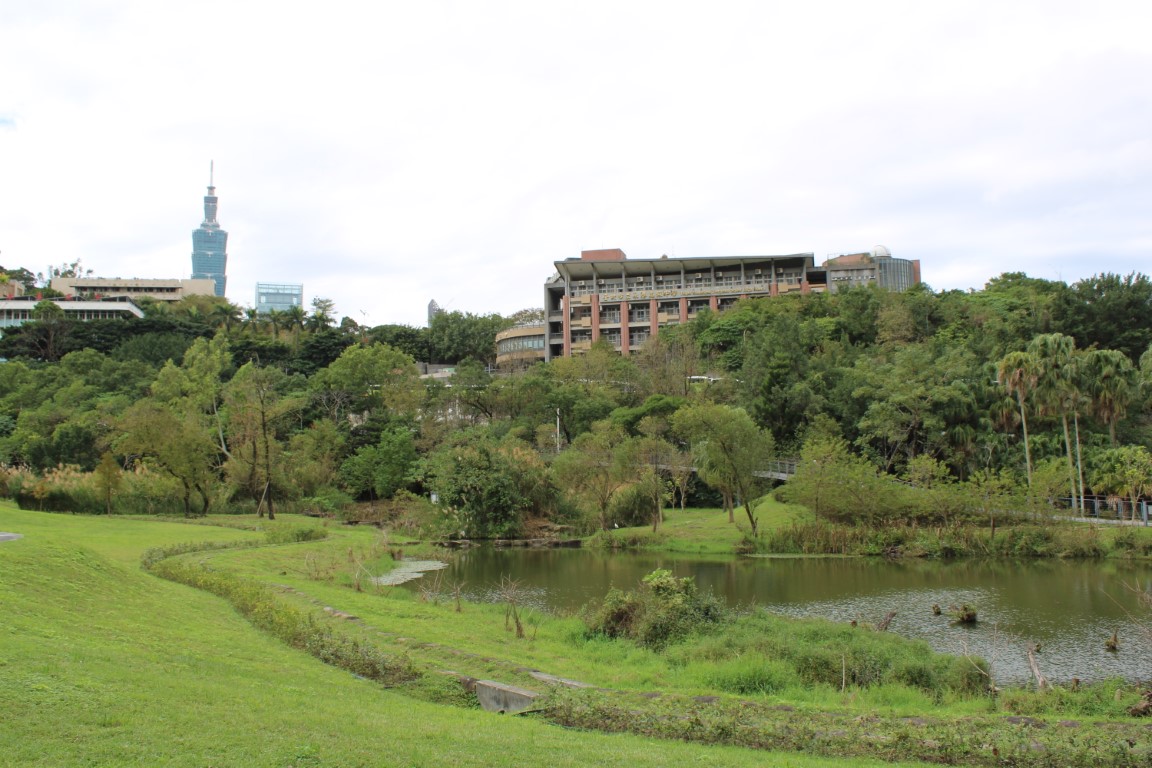
Parks and ponds are good by day;
   I do not delight
   In black acres of the night,
 Nor my unseasoned step disturbs
 The sleeps of trees or dreams of herbs.
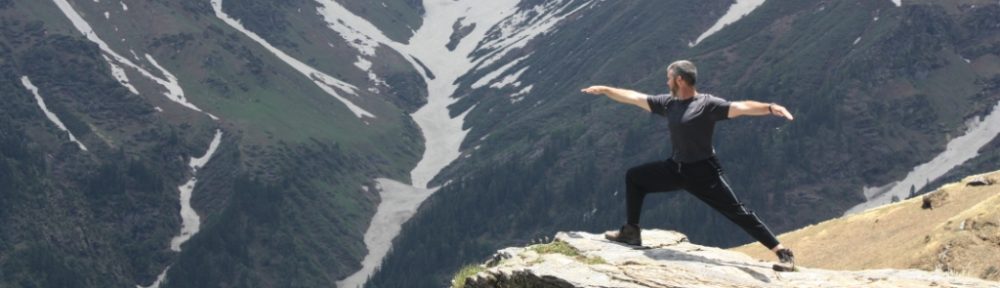
Parks and ponds are good by day;
I do not delight
In black acres of the night,
Nor my unseasoned step disturbs
The sleeps of trees or dreams of herbs.
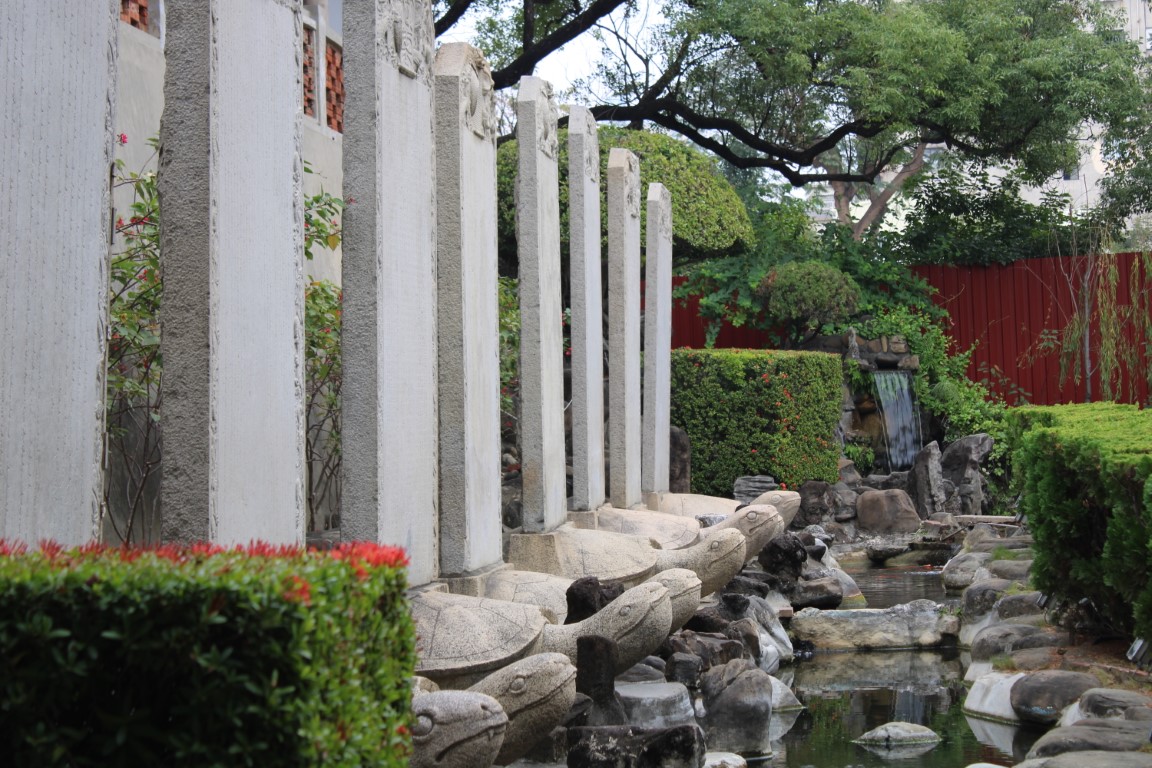
View flowers like a bandit;
  Let nature flow through you,
  Breathing in the Great Way
  As you let your crazy brew.
 Wander like the free winds --
  Sea and mountain in gray-blue.
  Feel true power overflow,
  As all nature lives through you.
 Before: sun, moon, and stars;
  Behind: the one from two.
  By dawn, sea turtles have gone,
  Soak your feet where they withdrew.
NOTE: The late Tang Dynasty poet, Sikong Tu (a.k.a. Ssŭ-k‘ung T‘u,) wrote an ars poetica entitled Twenty-Four Styles of Poetry. It presents twenty-four poems that are each in a different tone, reflecting varied concepts from Taoist philosophy and aesthetics. Above is a crude translation of the eleventh of the twenty-four poems. This poem’s Chinese title is 豪放, which has been translated to “Free,” “Set Free,” and “Broad-minded” in various English language translations.
 Harlem Shadows by Claude McKay
"Love seeketh not itself to please,
   Nor for itself hath any care,
 But for another gives its ease,
   And builds a Heaven in Hell's despair."

So sung a little Clod of Clay
   Trodden with the cattle's feet,
 But a Pebble of the brook
   Warbled out these metres meet:

"Love seeketh only self to please,
   To bind another to its delight,
 Joys in another's loss of ease,
    And builds a Hell in Heaven's despite."

Fame is a bee.
 It has a song --
 It has a sting --
 Ah, too, it has a wing.
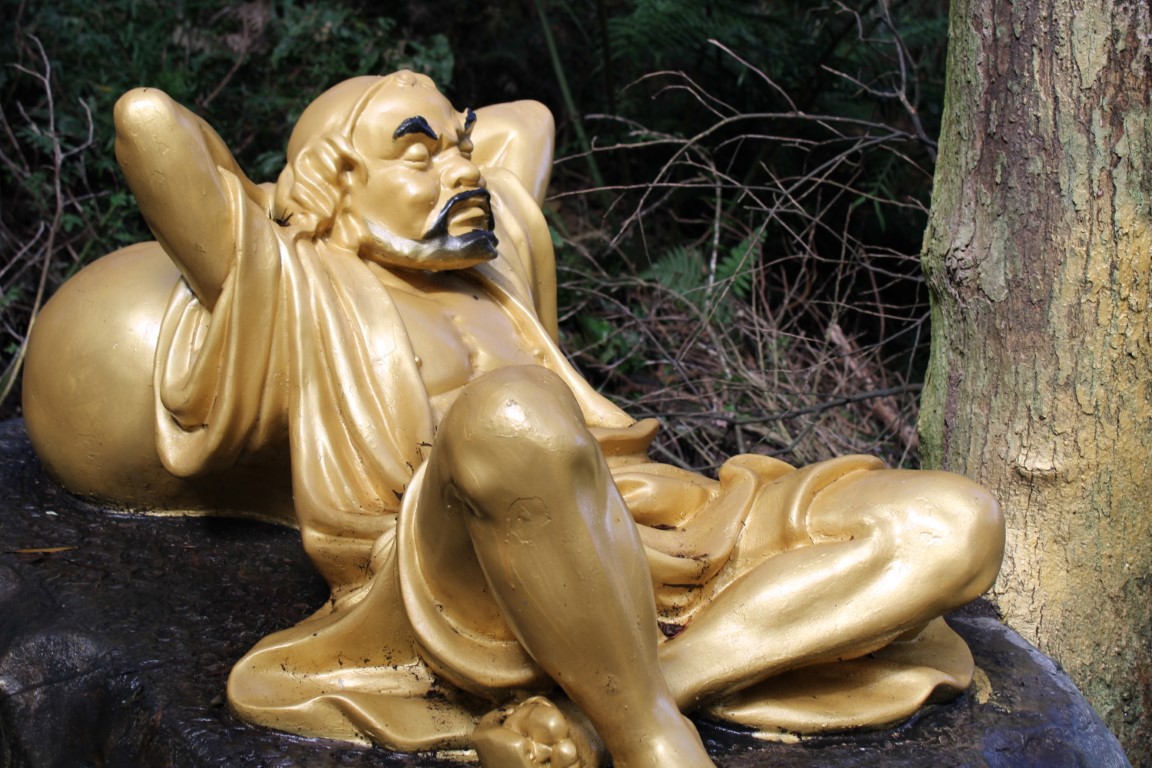
When one makes god of wealth,
 Light glows from yellow "gold,"
 But the lavish withers --
 Even as its deeps take hold.

Fog at the river's edge.
 Red apricots, woods enfold.
 Moon shine on bower's flowers.
 Painted bridge in green shadow.
 An old bowl full of wine,
 As a friend's lute song unfolds.
Make your bliss of such things,
 And they will be your true gold.
NOTE: The late Tang Dynasty poet, Sikong Tu (a.k.a. Ssŭ-k‘ung T‘u,) wrote an ars poetica entitled Twenty-Four Styles of Poetry. It presents twenty-four poems that are each in a different tone, reflecting varied concepts from Taoist philosophy and aesthetics. Above is a crude translation of the ninth of the twenty-four poems. This poem’s Chinese title is 绮丽, and its translated titles include: “Beautiful,” “Intricate,” and “Embroideries.”
I taste a liquor never brewed --
  From Tankards scooped in Pearl --
 Not all the Frankfort Berries
   Yield such an Alcohol!

Inebriate of air -- I am --
  And Debauchee of Dew --
 Reeling -- thro' endless summer days --
   From inns of molten blue --

When "Landlords" turn the drunken Bee
  Out of the Foxglove's door --
 When Butterflies -- renounce their "drams" --
   I shall but drink the more!

Till Seraphs swing their snowy Hats --
  And Saints -- to windows run --
 To see the little Tippler
   Leaning against the -- Sun!
It's as if ones gone mining --
   From lead, silver refining.
 That's how one cleanses a heart:
   With pure love, not pining.

Like a pond from Spring rainfall:
   Mirror to heavens and all,
 Without defect of image --
   True as the moon's bright, white ball.

Stargazing across night skies;
   Singing songs of hermits, wise;
 The water flowing today
   Will know that bright moonrise.
NOTE: The late Tang Dynasty poet, Sikong Tu (a.k.a. Ssŭ-k‘ung T‘u,) wrote an ars poetica entitled Twenty-Four Styles of Poetry. It presents twenty-four poems that are each in a different tone, reflecting varied concepts from Taoist philosophy and aesthetics. Above is a crude translation of the seventh of the twenty-four poems. This poem’s Chinese title is 洗炼, and it has been variously entitled: “Clean,” “Refining,” and “Wash — Smelt.”
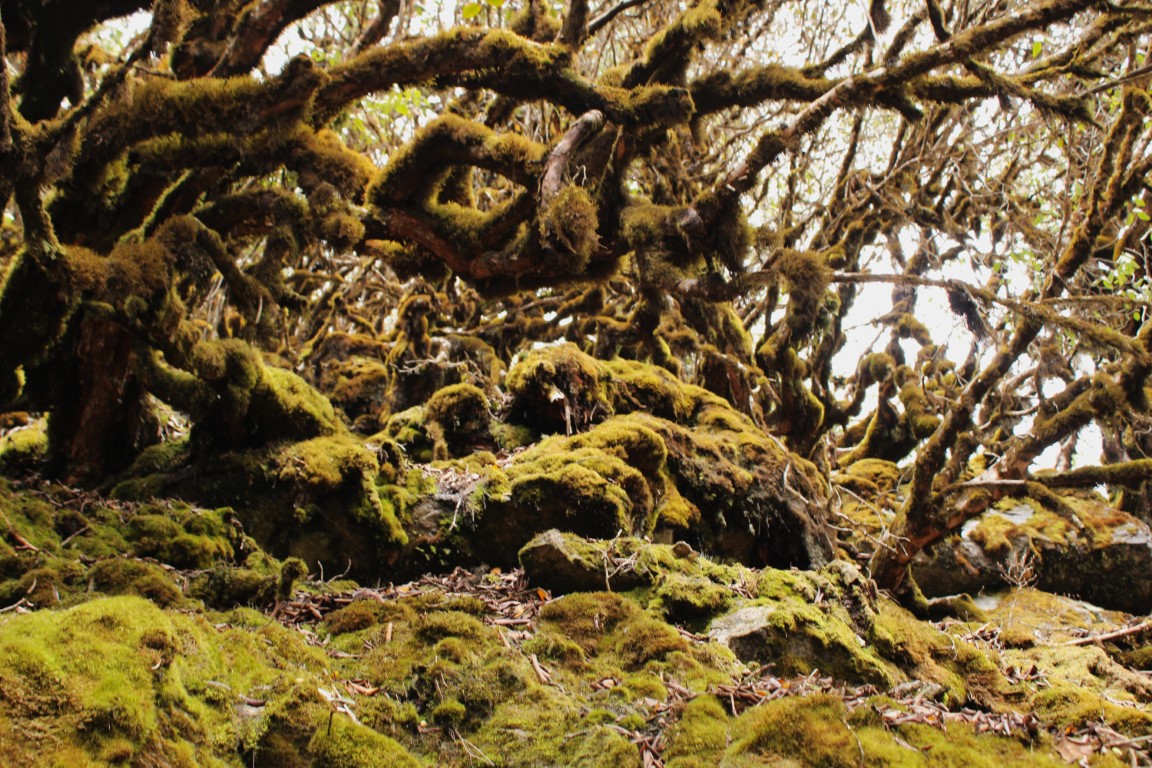
All overgrown by cunning moss,
   All interspersed with weed,
 The little cage of "Currer Bell"
   In quiet "Haworth" laid.

This Bird -- observing others
   When frosts too sharp became
 Retire to other latitudes --
   Quietly did the same --

But differed in returning --
   Since Yorkshire hills are green --
 Yet not in all the nests I meet --
   Can Nightengale be seen --
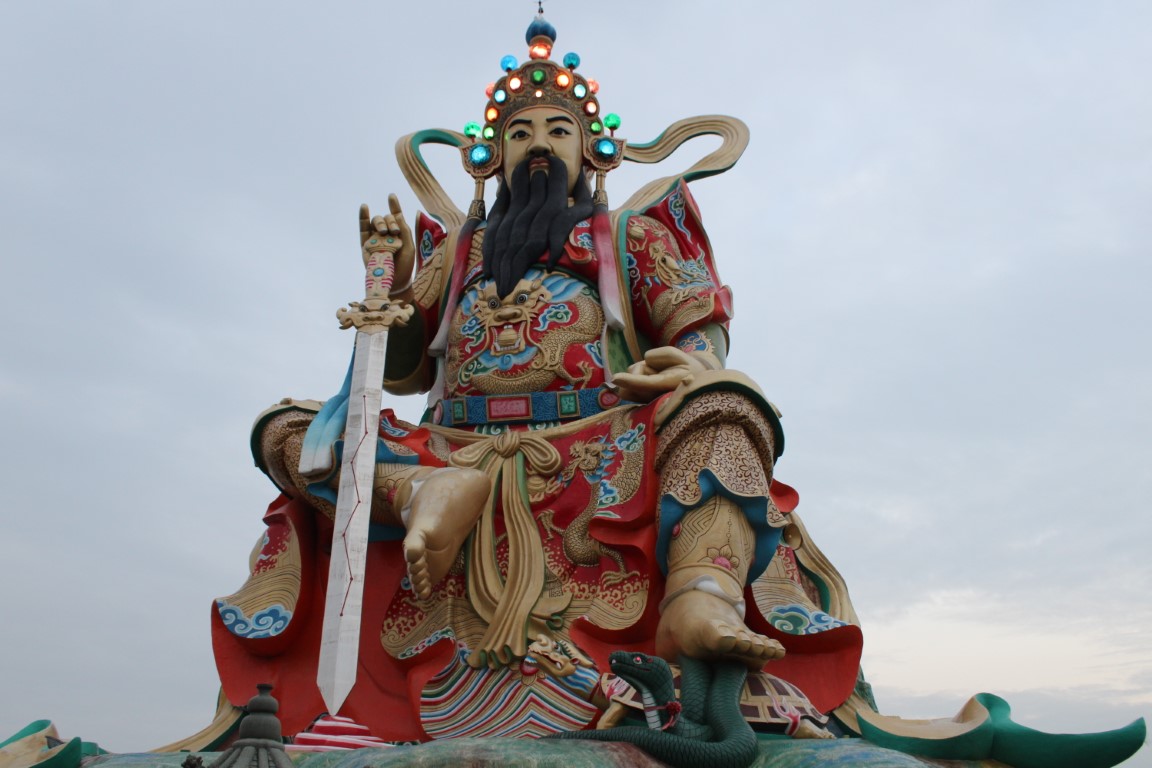
Ten years honing this fine blade,
   And it has not drawn blood.
 Now, you'll see of what we're made:
   Who, wronged, is owed in blood?
The Original: 劍客: 十年磨一劍, 霜刃未曾試. 今日把示君, 誰有不平事.


 Tiger Riding for Beginners