Yan grass shimmers like silken jade.
 Qin mulberry trees' green leaves droop.
 Your homecoming is now at hand
 As heartbreak has me thin and stooped.
 Spring Winds and I are strangers --
 Why, past my curtains, the inward swoop?
Chinese Title: 春思; Original poem in Simplified Chinese:
Slender grass waves in a light breeze;
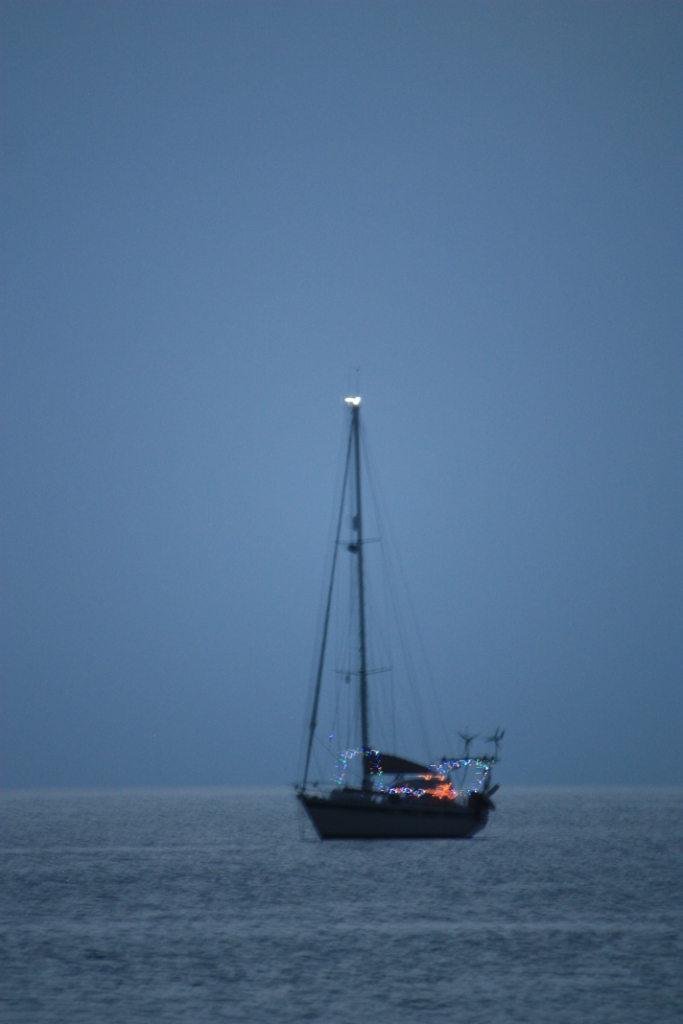
   Tall-masted boat rocks in the night.
 Stars hang low, over the vast plain;
   The river moon struggles for height.
 I'll never gain fame by the brush --
   Too old for civil service posts...
 Wading, wading, what am I like?
    A sandpiper on the mud coast!
Close your eyes and listen with care.
 Turn all your attention inside.
 Let your soul ride the Eight Borders
   At a galloping stride.

Inner space brightens, becomes more
 Compact, as one views the expanse.
 Words pour forth to cleanse the soul,
   As the Six Arts lend a fragrance.

Float, swim, and dive in the abyss,
 Heedful for words as it all soaks in...
 Sometimes the right word must be hooked,
  And hauled up where it can be spoken.
 But, other times, words are like birds,
 That fly themselves out of the clouds,
 To be downed by one swift arrow --
  Quite willingly freed of their shrouds.

Mine for lines lost ages ago --
 Rhymes unsung for ten centuries.
 Thank tight buds for the sweet flowers
   That they - soon enough - will be.

See past and present concurrently,
   At once, touch mountain and sea.
The poet stands in the Center
   And stares into deep mysteries.
 He's nourished by reading Classics
   And tombs of the men in Histories.
 He sighs as four seasons pass by
   And thinks upon ten-thousand things.
 He's saddened by Autumn's leaf drop
   And gladdened by the tender Spring.
 He feels Winter's frost on his heart,
   Though his mind may be up in a cloud.
 And when he sings of ancestors'
   Heroic deeds, he belts the song aloud.
 He combs through great literature
   Just as he roams the forest wild,
 But in search of a "natural" --
   Shown in elegant phrase and style.
 And it's just such thoughts and feelings
   That set my brush and mind wheeling.
Asleep on a leaf beneath lotus blooms,
 Their fragrance floats across the misty lake.
 Sudden rain - taps upon the canopy;
 Its sound snaps me from sleep to wide awake!

The lotus is beaded with rain droplets --
 Like pearls, drops roll together and apart;
 The clear blobs coalesce like mercury,
 Dripping to the river... back to their start.
The moon sets; crows caw below frosty skies.
 Boats, moored to maples -- lamps glow like cat eyes.
 Cold Mountain Temple, outside Gusu's bounds:
 The midnight bell cuts off soft water sounds.
The great road has no gate.
 It leaps out from the heads of all of you.
 The sky has no road.
 It enters into my nostrils.
 In this way we meet as Gautama's bandits,
   or Linji's troublemakers. Ha!
 Great houses tumble down and spring wind swirls.
 Astonished, apricot blossoms fly and scatter -- red.
Translated by Mel Weitsman and Kazuaki Tanahashi; printed in: Essential Zen. 1994. HarperSanFrancisco, p. 136.
Note: While Rujing was Chinese he was teacher to the prominent Japanese Zen Teacher, Dōgen Zenji, the latter published this and other poems, hence the dual categorization of it as Chinese and Japanese Literature.
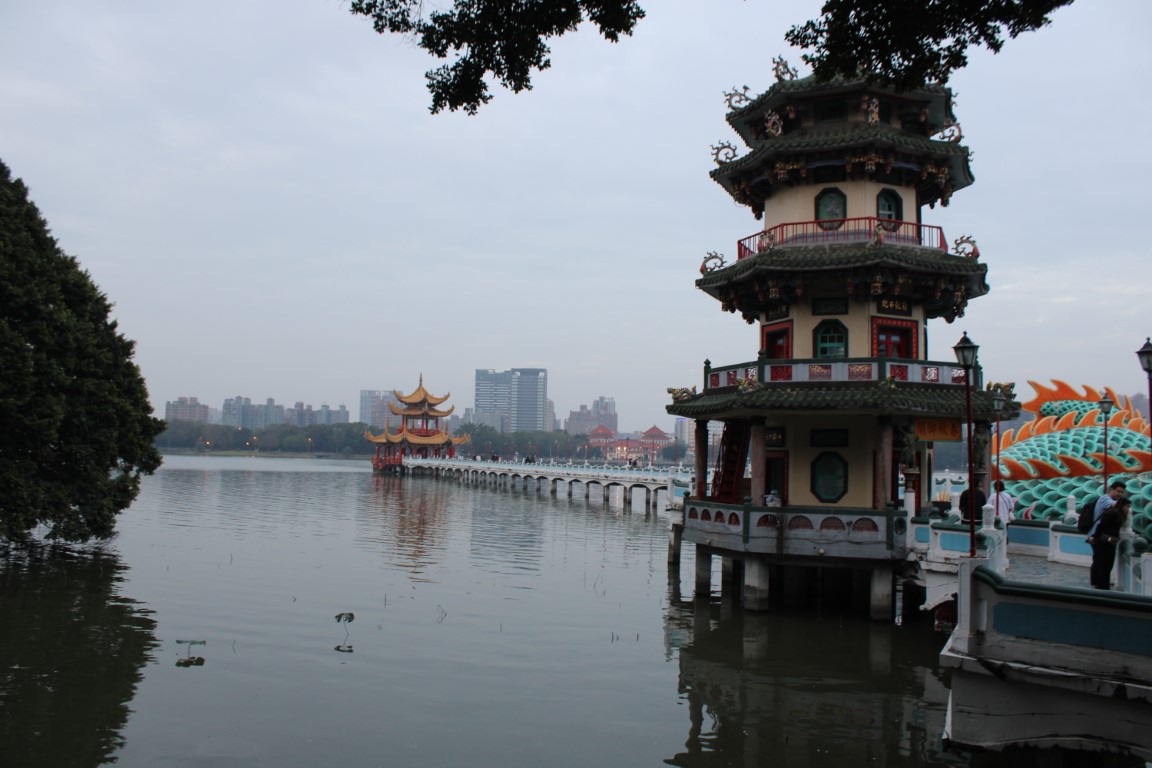
I remember viewing the West Lake
 While leaning on a pagoda rail.
 The boats all clustered in threes or twos.
 The islets under deep Autumn blues.

Flute song arose from among the cattails.
 And a line of white birds - overhead - sailed.
 I planned to fix my old fishing pole,
 but clouds on water had my mind & soul.
A screen of cloud veils the mountain,
 And cold monkeys squawk from green pines.
 Fungi abound, but seeds dormant,
 Searching for sprouts -- alas, in vain.
 Somewhere near there's a fairy cave
 Where flutes and lutes are often played.
 Its Way is overgrown with moss,
 And the old stone gate yields no clue.
 Where have all the fairy folk gone?

Looking back, there's an endless plain
 Where flowers fall like streaming tears.
 It's easy to grow old; Where is
 the messenger to bring some news?
 To tell who the Golden Phoenix charms?
 Waking from a deep, restless dream
 What remains are blooms on the stream.
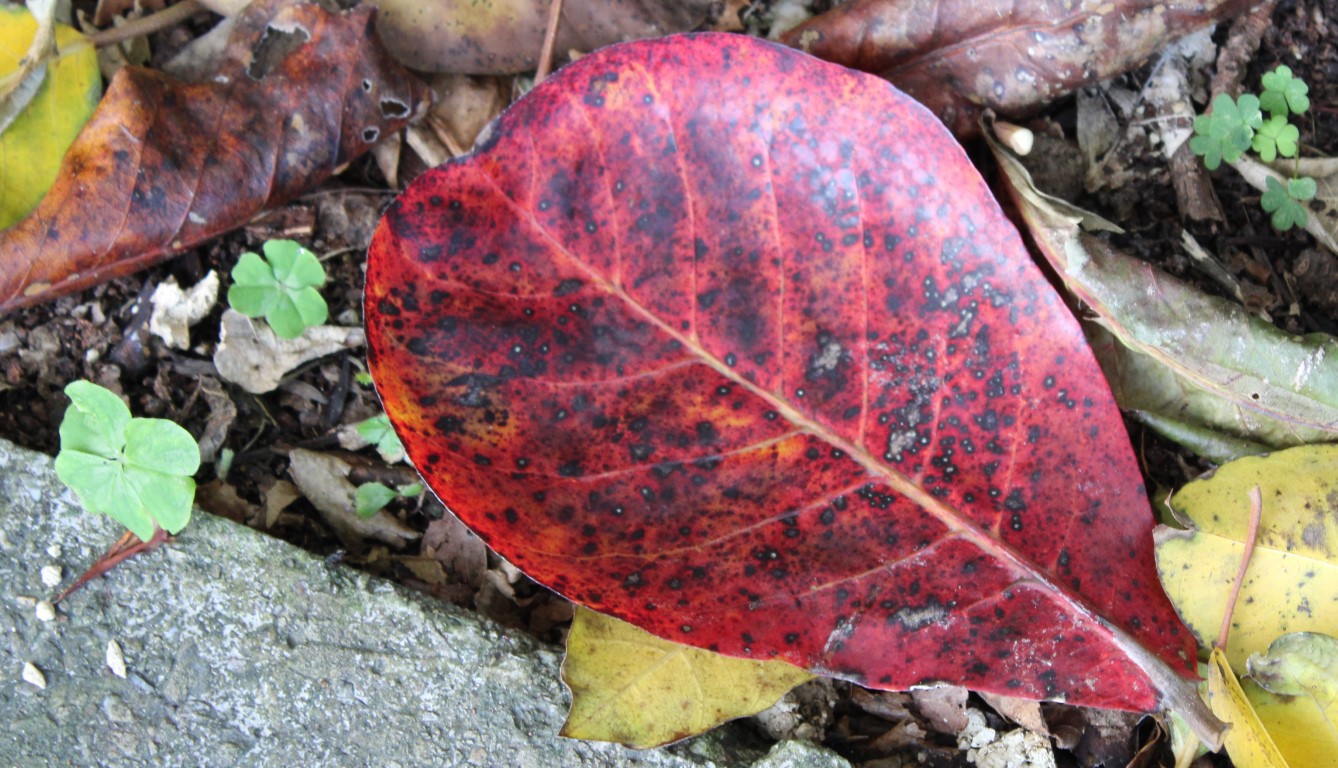
The West winds tumble fallen leaves;
 Autumn 's yellow, though blooms are shy;
 I brush at dust upon my sleeves;
 The horses' hoofprints dot the frost;
 Moonlit cocks crow amid grain sheaves;
 The road to town: no passersby.

Fame 's not gained by effort or skill,
 And would fade away ten years hence.
 Please don't dance, but drink your fill.
 Six Dynasty tales flow away:
 Diluted as waters spread and spill.
 The world feels like dream and pretense.











 Tiger Riding for Beginners