The mountain and the squirrel
  Had a quarrel;
 And the former called the latter ‘Little Prig.’
 Bun replied,
 ‘You are doubtless very big;
  But all sorts of things and weather
  Must be taken in together,
  To make up a year
  And a sphere.
 And I think it no disgrace
  To occupy my place.
 If I'm not so large as you,
  You are not so small as I,
  And not half so spry.
 I'll not deny you make
  A very pretty squirrel track;
  Talents differ; all is well and wisely put;
 If I cannot carry forests on my back,
  Neither can you crack a nut.’
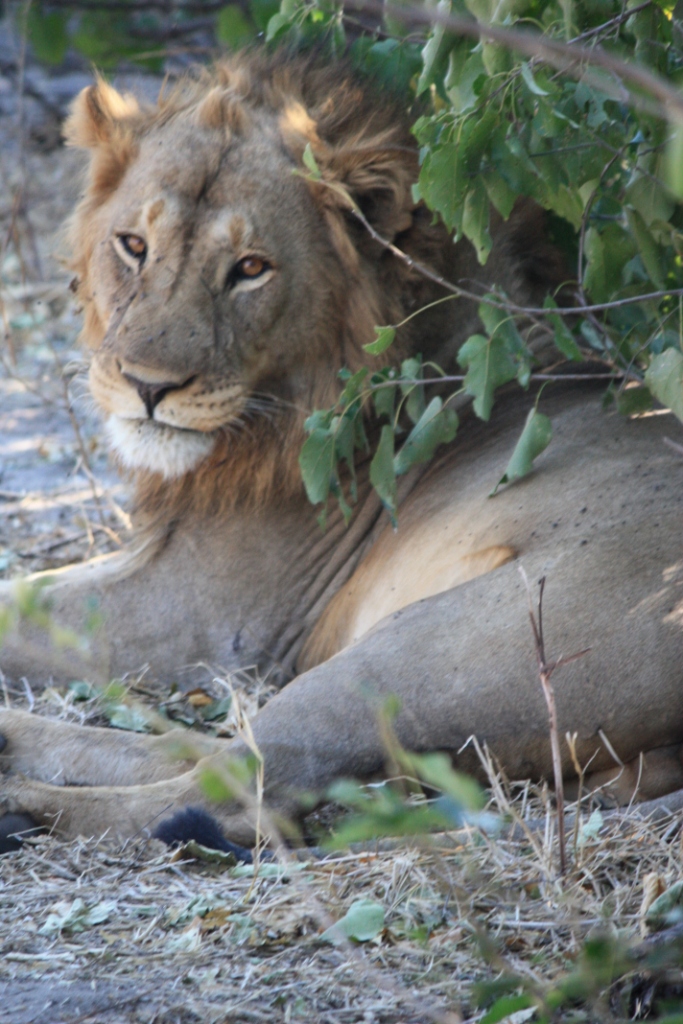
The Lion, the Lion, he dwells in the Waste,
  He has a big head and a very small waist;
  But his shoulders are stark, and his jaws they are grim,
  And a good little child will not play with him.
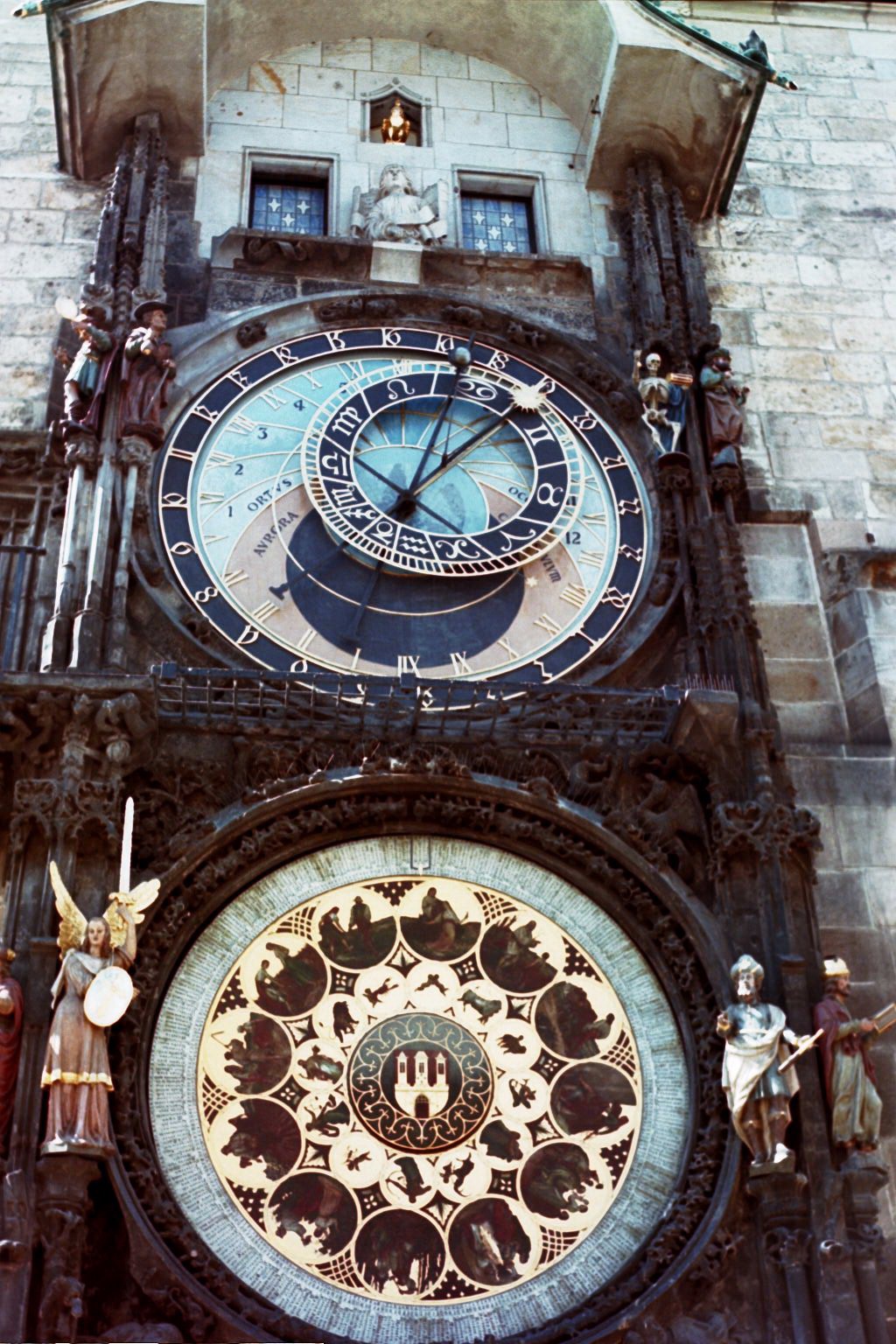
The clock will go slow
 If you watch it, you know;
   You must work right along and forget it.
 So study your best
 Till it's time for a rest,
    The clock will go fast, if you let it!
He thought he saw an Elephant,
   That practised on a fife:
 He looked again, and found it was
   A letter from his wife.
 "At length I realize," he said,
   "The bitterness of Life!"

He thought he saw a Buffalo
   Upon the chimney-piece:
 He looked again, and found it was
   His Sister's Husband's Niece,
 "Unless you leave this house," he said,
    "I'll send for the Police!"

He thought he saw a Rattlesnake
   That questioned him in Greek:
 He looked again, and found it was
   The Middle of Next Week.
 "The one thing I regret," he said,
   "Is that it cannot speak!"

He thought he saw a Banker's Clerk
   Descending from the 'bus:
 He looked again, and found it was
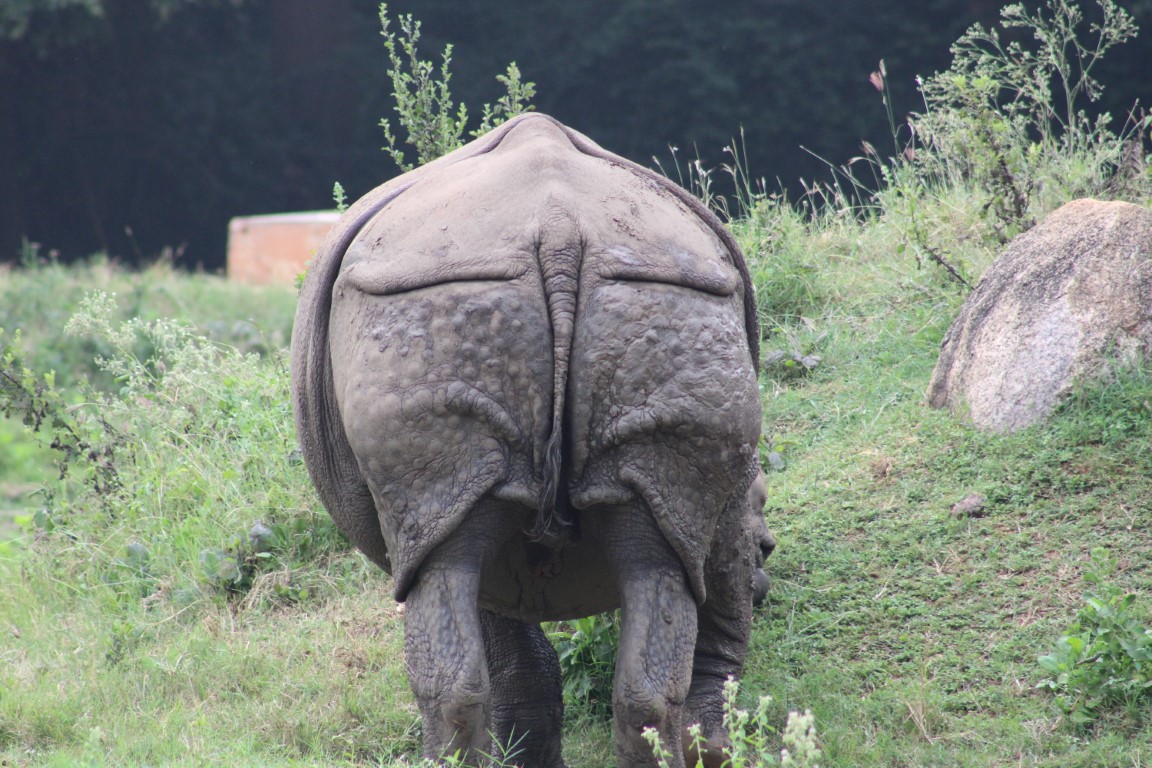
   A Hippopotamus.
 "If this should stay to dine," he said,
   "There won't be much for us!"

He thought he saw a Kangaroo
   That worked a coffee-mill:
 He looked again, and found it was
   A Vegetable-Pill.
 "Were I to swallow this," he said,
   "I should be very ill!"

He thought he saw a Coach-and-Four
   That stood beside his bed:
 He looked again, and found it was
   A Bear without a Head.
 "Poor thing," he said, "poor silly thing!
   It's waiting to be fed!"

He thought he saw an Albatross
   That fluttered round the lamp:
 He looked again, and found it was
   A Penny-Postage-Stamp.
 "You'd best be getting home," he said,
   "The nights are very damp!"

He thought he saw a Garden-Door
   That opened with a key:
 He looked again, and found it was
   A Double Rule of Three:
 "And all its mystery," he said,
   "Is clear as day to me!"

He thought he saw an Argument
   That proved he was the Pope:
 He looked again, and found it was
   A Bar of Mottled Soap.
 "A fact so dread," he faintly said,
   "Extinguishes all hope!"
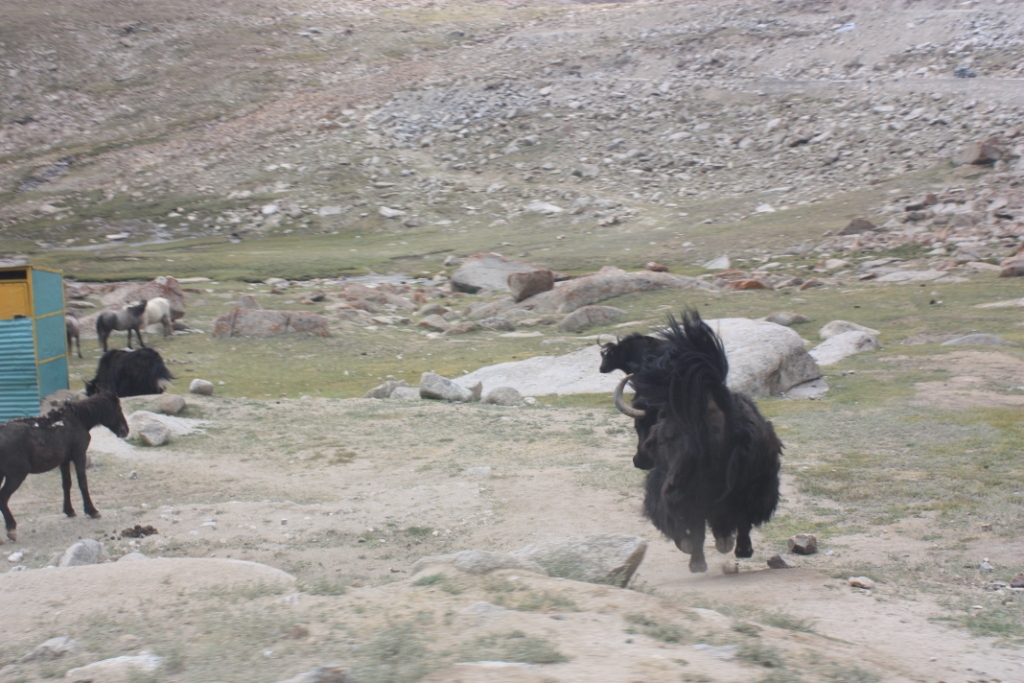
As a friend to the children commend me the Yak.
 You will find it exactly the thing:
 It will carry and fetch, you can ride on its back,
 Or lead it about with a string.

The Tartar who dwells on the plains of Thibet
   (A desolate region of snow)
 Has for centuries made it a nursery pet,
 And surely the Tartar should know!

Then tell your papa where the Yak can be got,
 And if he is awfully rich
 He will buy you the creature -- or else he will not.
   (I cannot be positive which.)
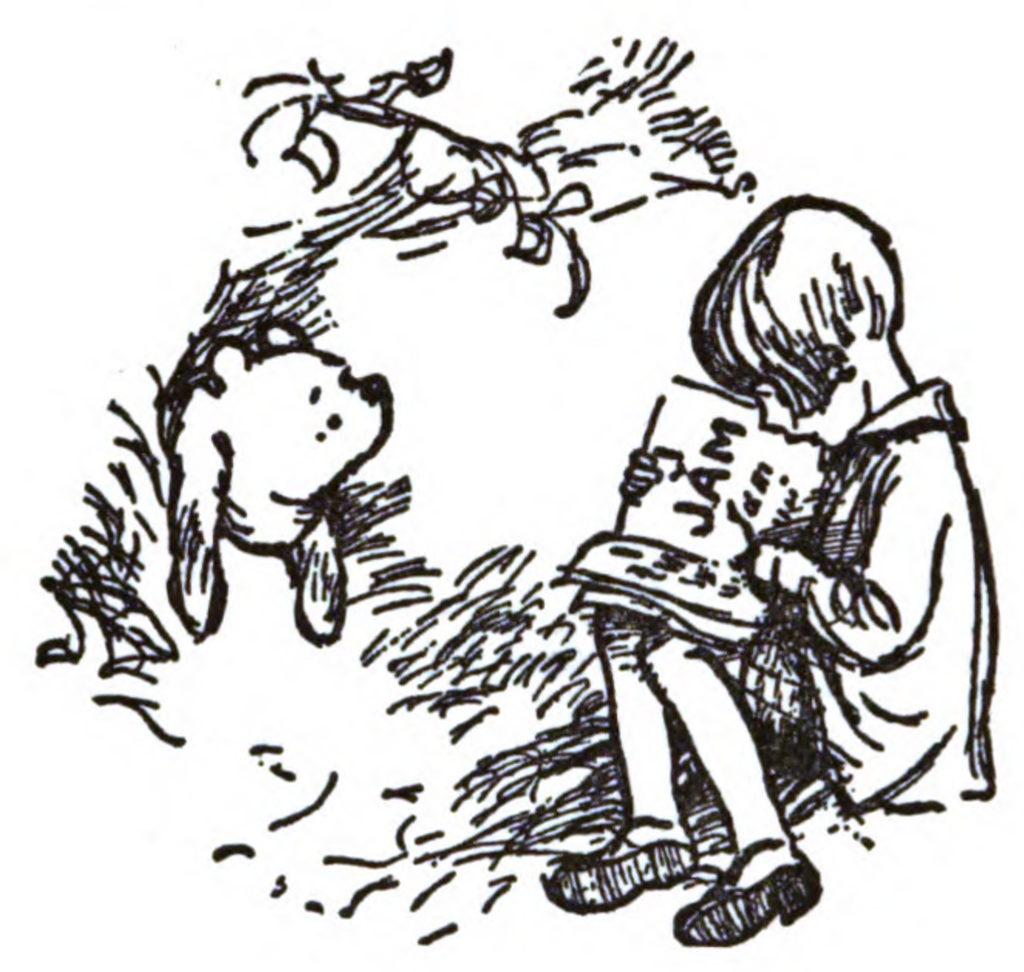
By E.H. Shepard; Public Domain; Source: Wikimedia Commons
There are lots and lots of people who are always asking things,
 Like Dates and Pounds-and-ounces and the names of funny Kings,
 And the answer's either Sixpence or A Hundred Inches Long,
 And I know they'll think me silly if I get the answer wrong.

So Pooh and I go whispering, and Pooh looks very bright,
 And says, "Well, I say sixpence, but I don't suppose I'm right,"
 And then it doesn't matter what the answer ought to be,
 'Cos if he's right, I'm Right, and if he's wrong, it isn't Me.
Project Gutenberg Page
This was Lowell’s first published collection (1912,) and my 5-stars notwithstanding, it is not everyone’s cup of tea. I think I understand why this is. If you read some of Lowell’s more popular and highly anthologized poems, you might find that this collection is unlike them in several ways. Many of those popular poems are highly imagist, emulate East Asian sparseness, and are free verse. These poems are by and large metered and rhymed verse and I would not be the first to say that they often feel conventional and pedestrian. As I was reading the final section, “Verses for Children,” I figured out what other key feature of Lowell’s poetry was largely missing from the lyric poetry and sonnets that preceded these Children’s poems — playfulness. [Fortunately, it’s on display in the kid’s poems.] . With all that said, there are some spectacularly evocative images presented within these poems. I particularly enjoyed poems like: “New York at Night” and “A Japanese Wood-Carving.” As I don’t have the aversion to metered verse that many poetry readers seem to have today, I wasn’t as dismayed by the collection as some readers seem to be. Though I will admit that the collection doesn’t just play it safe with form, it also infects the tone and content of the poems.
Still, I found the collection readable and pleasant reading. (But maybe this is because I like a good scavenger hunt for golden nuggets of beautiful verse.)












 Tiger Riding for Beginners