
Tell all the truth but tell it slant --
   Success in Circuit lies
 Too bright for our infirm Delight
   The Truth's superb surprise
 As Lightning to the Children eased
   With explanation kind
The Truth must dazzle gradually
   Or every man be blind --

Tell all the truth but tell it slant -- Success in Circuit lies Too bright for our infirm Delight The Truth's superb surprise As Lightning to the Children eased With explanation kind The Truth must dazzle gradually Or every man be blind --
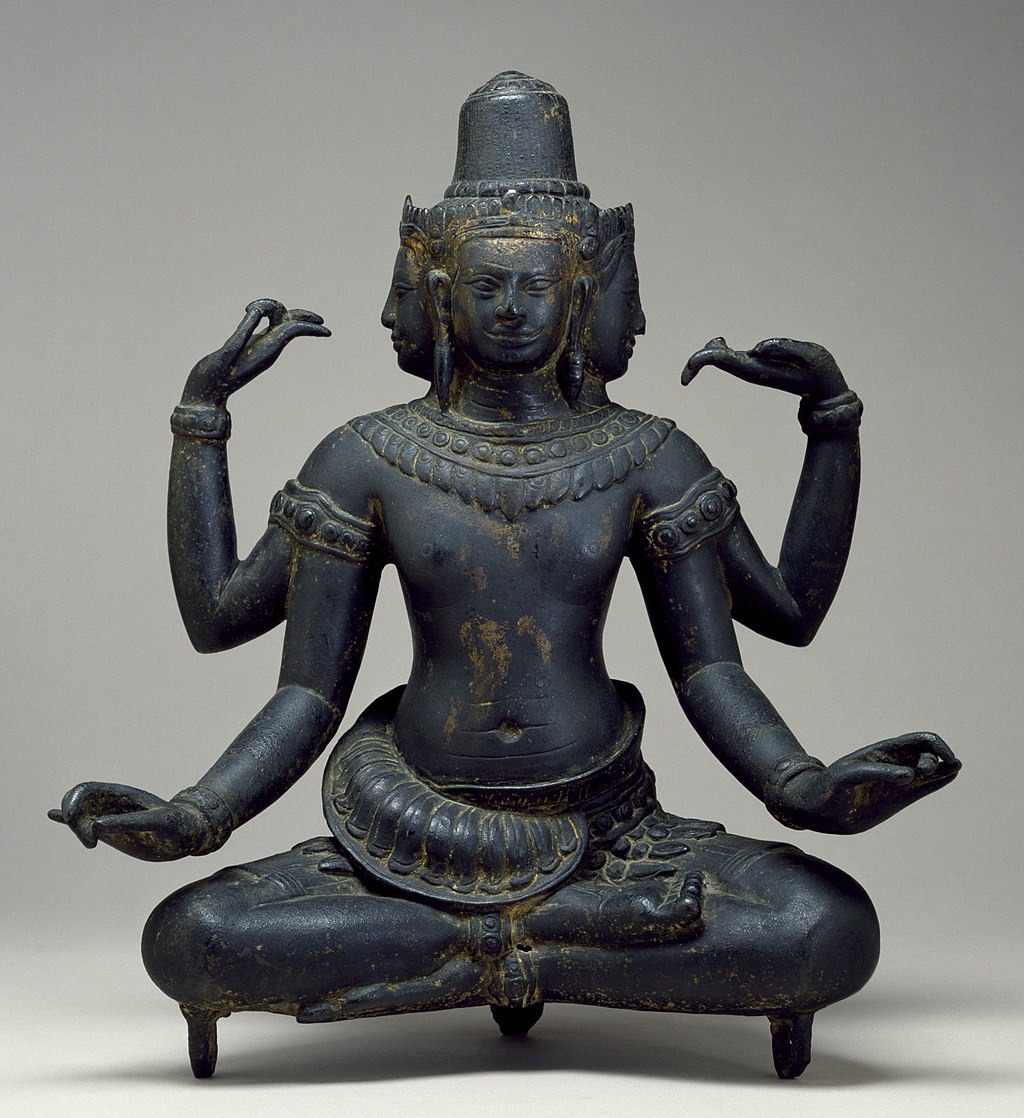
If the red slayer think he slays,
   Or if the slain think he is slain,
 They know not well the subtle ways
   I keep, and pass, and turn again.

Far or forgot to me is near;
   Shadow and sunlight are the same;
 The vanished gods to me appear;
   And one to me are shame and fame.

They reckon ill who leave me out;
   When me they fly, I am the wings;
 I am the doubter and the doubt,
   I am the hymn the Brahmin sings.

The strong gods pine for my abode,
   And pine in vain the sacred Seven;
 But thou, meek lover of the good!
   Find me, and turn thy back on heaven.
I
 Among twenty snowy mountains,
   The only moving thing
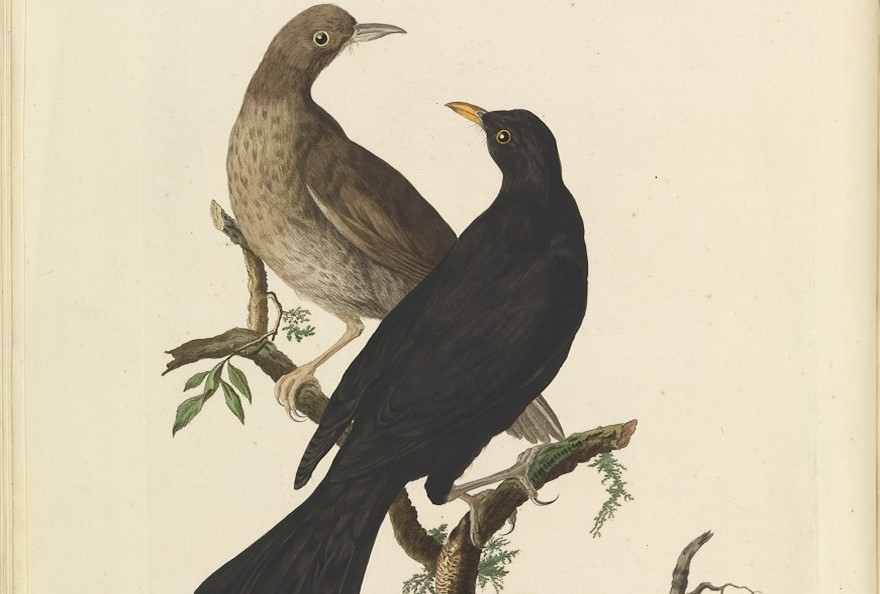
  Was the eye of the blackbird.

II
 I was of three minds,
   Like a tree
  In which there are three blackbirds.

III
 The blackbird whirled in the autumn winds.
   It was a small part of the pantomime.

IV
 A man and a woman
   Are one.
 A man and a woman and a blackbird
   Are one.

V
 I do not know which to prefer,
   The beauty of inflections
 Or the beauty of innuendoes,
   The blackbird whistling
     Or just after.

VI
 Icicles filled the long window
   With barbaric glass.
 The shadow of the blackbird
   Crossed it, to and fro.
 The mood
   Traced in the shadow
     An indecipherable cause.

VII
 Old thin men of Haddam,
   Why do you imagine golden birds?
 Do you not see how the blackbird
   Walks around the feet
     Of the women about you?

VIII
 I know noble accents
   And lucid, inescapable rhythms;
 But I know, too,
   That the blackbird is involved
     In what I know.

IX
 When the blackbird flew out of sight,
   It marked the edge
 Of one of many circles.

X
 At the sight of blackbirds
   Flying in a green light,
 Even the bawds of euphony
   Would cry out sharply.

XI
 He rode over Connecticut
   In a glass coach.
 Once, a fear pierced him,
   In that he mistook
 The shadow of his equipage
   For blackbirds.

XII
 The river is moving.
   The blackbird must be flying.

XIII
 It was evening all afternoon.
   It was snowing
 And it was going to snow.
   The blackbird sat
     In the cedar-limbs.
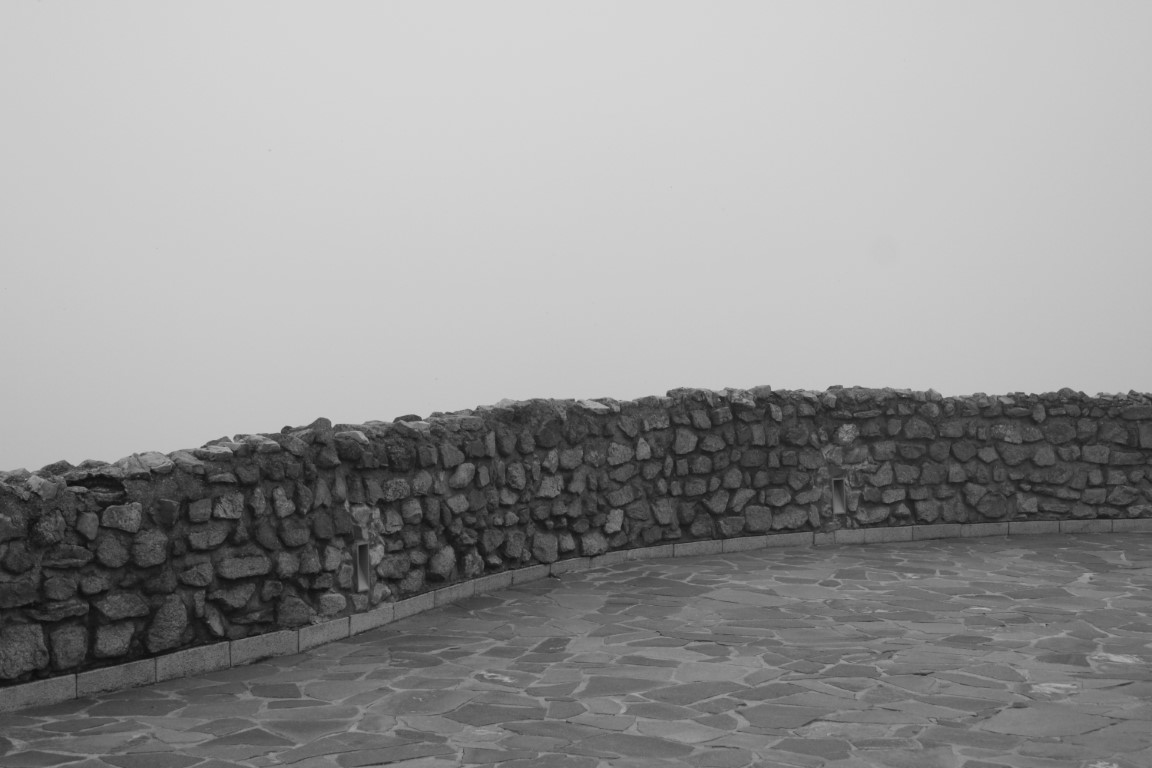
The fog comes
 on little cat feet.

It sits looking
 over harbor and city
  on silent haunches
 and then moves on.
What lips my lips have kissed, and where, and why
   I have forgotten, and what arms have lain
 Under my head till morning; but the rain
   Is full of ghosts tonight, that tap and sigh
 Upon the glass and listen for reply,
   And in my heart there stirs a quiet pain
 For unremembered lads that not again
   Will turn to me at midnight with a cry.

Thus in the winter stands the lonely tree,
   Nor knows what birds have vanished one by one,
 Yet knows its boughs more silent than before:
   I cannot say what loves have come and gone,
 I only know that summer sang in me
   A little while, that in me sings no more.
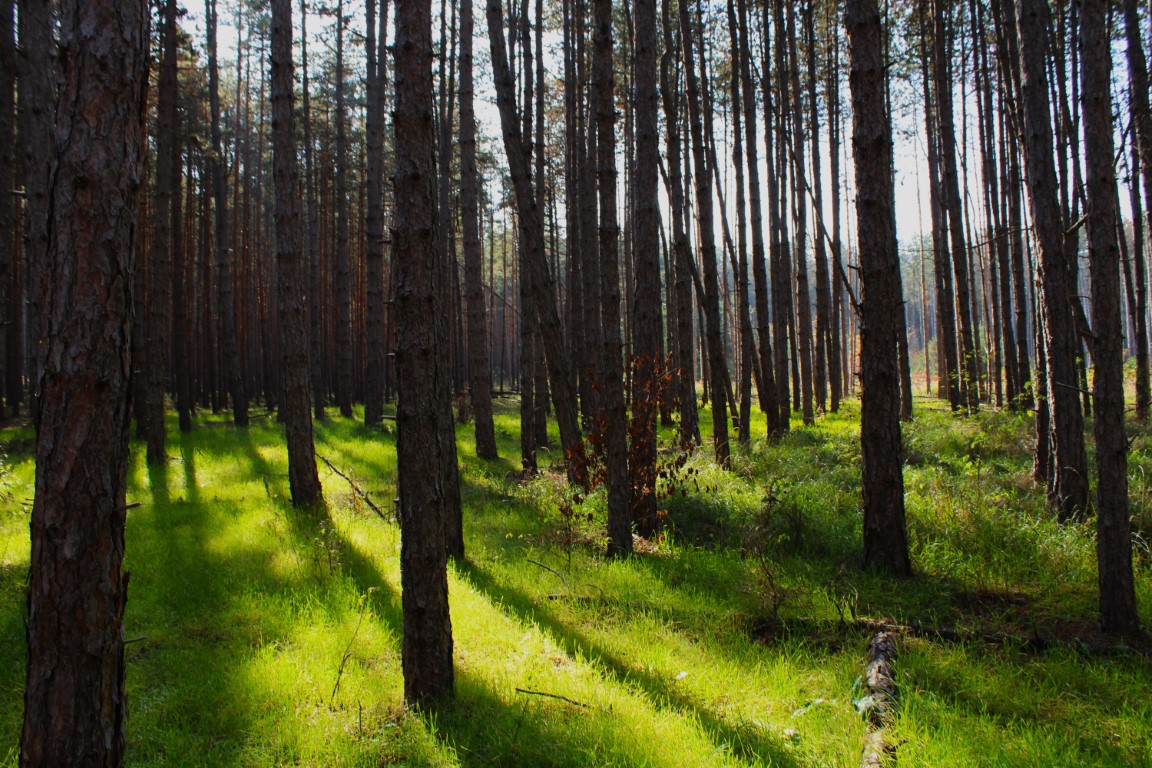
I dwell in Possibility --
   A fairer House than Prose --
 More numerous of Windows --
   Superior -- for doors --

Of Chambers as the Cedars --
   Impregnable of eye --
 And for an everlasting Roof
   The Gambrels of the Sky --

Of Visitors -- the fairest --
   For Occupation -- This --
 The spreading wide of my narrow Hands
   To gather Paradise --

O Captain! my Captain! our fearful trip is done,
 The ship has weather'd every rack, the prize we sought is won,
 The port is near, the bells I hear, the people all exulting,
 While follow eyes the steady keel, the vessel grim and daring;
       But O heart! heart! heart!
          O the bleeding drops of red!
             Where on the deck my Captain lies,
                Fallen cold and dead.

O Captain! my Captain! rise up and hear the bells;
 Rise up -- for you the flag is flung -- for you the bugle trills,
 For you bouquets and ribbon'd wreaths -- for you the shores a-crowding,
 For you they call, the swaying mass, their eager faces turning;
       Here, Captain! dear father!
          This arm beneath your head!
              It is some dream that one the deck
                 You've fallen cold and dead.

My Captain does not answer, his lips are pale and still,
 My father does not feel my arm, he has no pulse nor will;
 The ship is anchor'd safe and sound, its voyage closed and done,
 From fearful trip the victor ship comes in with object won;
       Exult, O shores! and sing, O bells!
          But I, with mournful tread,
             Walk the deck my Captain lies,
                 Fallen cold and dead.
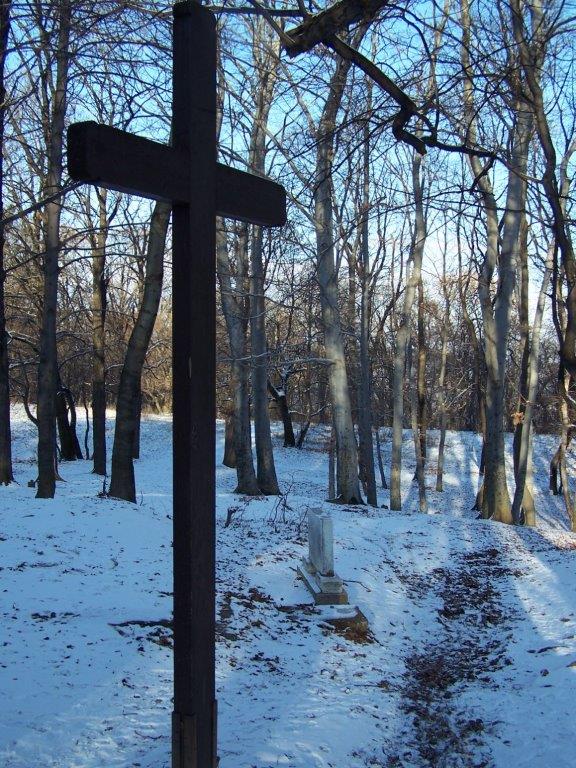
Whose woods these are I think I know.
 His house is in the village though;
  He will not see me stopping here
 To watch his woods fill up with snow.

My little horse must think it queer
 To stop without a farmhouse near
   Between the woods and frozen lake
 The darkest evening of the year.

He gives his harness bells a shake
 To ask if there is some mistake.
  The only other sound's the sweep
 Of easy wind and downy flake.

The woods are lovely, dark and deep.
 But I have promises to keep,
  And miles to go before I sleep,
 And miles to go before I sleep.
 A Double Barrelled Detective Story by Mark Twain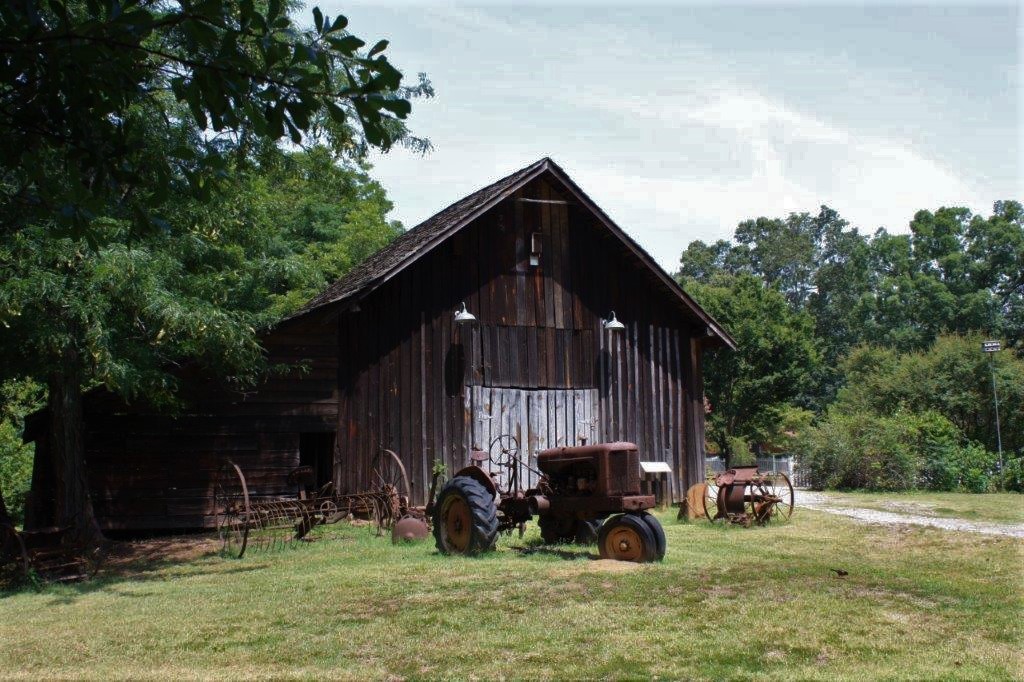
A long time ago,
 I listened to the audiobook of
    Kerouac's "On the Road."

In that format,
   I became aware of how often
     Kerouac used the word
       "rickety."

Almost as aware as I became
   of how often Twain uses
      the N-word in Huck Finn
      when I unwisely listened to
      that audiobook while driving
      through downtown Atlanta
      with my windows rolled down.

I'm now reading Hunter Thompson's
   "Kingdom of Fear," and I've become
      aware that Thompson had a love
      of the word "gibberish" almost on par
      with Kerouac's love of "rickety."

And I think about how much beautiful
   rickety gibberish I've read from those
      authors, and what a fine
      thing it is if one can write
      rickety gibberish that stands up
      under its own weight.


 Tiger Riding for Beginners